Navigating Travel to Los Angeles: Your 2026 Guide to Entry and Advisories
As of March 27, 2026, many travelers are still looking for clarity on restrictions when planning trips. The term “LA travel ban” often surfaces in searches, sparking questions about entry requirements and safety. If you are considering a visit to the vibrant city of Los Angeles, understanding the current travel landscape is essential. This comprehensive guide will clear up any confusion, providing you with the most up-to-date information on traveling to LA.
Los Angeles remains a top global destination, welcoming millions with its unique blend of culture, entertainment, and innovation. While the world has seen various travel restrictions in recent years, it is important to distinguish past measures from the current reality. Our aim is to equip you with accurate knowledge, ensuring your journey to the City of Angels is as smooth and enjoyable as possible. Let’s explore what you need to know right now.
Key Takeaways for Travelers to Los Angeles
- No Active Travel Ban: As of March 27, 2026, there is no general “LA travel ban” in effect for domestic or international travelers. The city is open and welcoming visitors.
- Standard Entry Requirements Apply: Travelers must meet standard U.S. entry requirements, including valid passports and necessary visas for international visitors.
- Health and Safety Remain Important: While mandates are largely lifted, personal health precautions and awareness of local advisories are always recommended.
- Stay Informed via Official Sources: Always consult government websites and reputable health organizations for the most current and official travel advice.
- LA’s Tourism Sector is Thriving: The city’s hotels, attractions, and businesses are fully operational and eager to host visitors.
Understanding the “LA Travel Ban” Search Term
The phrase “LA travel ban” often reflects a memory of more restrictive times. During periods like the global health crisis, travel was significantly altered, leading to widespread bans, quarantines, and strict entry protocols. For a time, travel to and from many destinations, including Los Angeles, faced unprecedented limitations. These measures were put in place to protect public health and control the spread of illnesses. They impacted everything from international flights to domestic movement within the country.
However, the situation has evolved considerably. As of March 2026, those specific, widespread bans are largely a part of history. The focus has shifted from outright prevention to managed entry and public health awareness. When people search for “LA travel ban” today, they are often seeking reassurance about the current freedom of movement or looking for any lingering restrictions that might apply to their specific situation.
Historical Context: When Bans Were a Reality

To fully understand why this term still resonates, it is helpful to look back. The early 2020s saw various forms of travel restrictions. These included:
- International Travel Prohibitions: Many countries, including the United States, imposed bans on non-essential travel from specific regions or countries with high rates of infection.
- Domestic Advisories: While not always outright bans, strong advisories and recommendations against non-essential domestic travel were common.
- Quarantine Requirements: Travelers entering California, or even specific counties like Los Angeles, were sometimes required to self-quarantine for a period.
- Health Screenings: Enhanced health screenings at airports and other entry points became a norm.
These measures, while disruptive, were temporary responses to exceptional circumstances. They fundamentally changed how people planned and executed travel for a significant period. The memory of these times naturally leads to questions about their potential reintroduction or ongoing status.
Current Reality: Open for Travel (March 2026)
Today, the landscape is much different. Los Angeles is fully open for business and tourism. The strict, broad-based travel bans that characterized earlier periods are no longer in effect. This means that individuals are generally free to travel to Los Angeles, provided they meet standard entry requirements that predate the global health crisis.
This return to normalcy is a testament to global efforts in public health management and vaccination campaigns. While individual countries or regions might still implement specific, localized measures in response to new health concerns or security threats, a general “LA travel ban” is not part of the current reality. Travelers can look forward to exploring LA’s famous beaches, Hollywood studios, diverse neighborhoods, and world-class dining without the overarching fear of being denied entry due to a ban.
Entry Requirements for Los Angeles in 2026
Traveling to Los Angeles, whether from within the United States or from abroad, now largely mirrors pre-pandemic protocols. It’s crucial to differentiate between a “travel ban” and standard entry requirements, which are always in place. These requirements ensure border security and public safety.
Domestic Travelers: What You Need to Know
For U.S. citizens and permanent residents traveling within the United States to Los Angeles, the process is straightforward. Generally, you will need:
- Valid Identification: A government-issued photo ID, such as a state driver’s license or ID card, is required for air travel. The REAL ID Act is fully implemented, so ensure your ID complies.
- No Health Checkpoints: There are no longer routine health checkpoints or mandatory health declarations for domestic flights into LA.
- No Quarantine: Domestic travelers are not subject to quarantine upon arrival in Los Angeles.
While federal and state agencies may issue advisories, these are typically recommendations rather than mandates. It is always wise to check the latest guidance from the Centers for Disease Control and Prevention (CDC) or the California Department of Public Health (CDPH) before your trip.
International Travelers: Visa and Passport Essentials
International visitors planning a trip to Los Angeles must adhere to the standard U.S. entry policies. These include:
- Valid Passport: Your passport must be valid for at least six months beyond your intended period of stay in the United States.
- U.S. Visa or ESTA: Depending on your country of origin, you will need either a valid U.S. visa (e.g., B-2 tourist visa) or authorization through the Electronic System for Travel Authorization (ESTA) if you are from a Visa Waiver Program country. It is crucial to apply for your visa or ESTA well in advance of your travel dates.
- Proof of Onward/Return Travel: Immigration officials may ask for proof of your intention to leave the U.S. after your visit, such as a return flight ticket.
- Customs Declaration: All international arrivals must complete a customs declaration form.
There are no additional, specific “LA travel ban” related documents required for international entry as of March 2026. However, it is always advisable to check the official U.S. Department of State website or consult with your country’s embassy for the most precise and current international travel requirements.
Health and Safety Guidelines: Beyond the Ban
Even without a formal ban, health and safety remain paramount. Los Angeles County Public Health continues to monitor public health trends and may issue advisories. Travelers are encouraged to practice personal responsibility:
- Hand Hygiene: Frequent hand washing or use of hand sanitizer is always a good practice.
- Masking: While not generally mandated, carrying a mask for use in crowded indoor spaces or on public transport is a personal choice some may prefer.
- Stay Home if Sick: If you develop symptoms of illness, it is best to postpone travel to prevent spreading germs.
- Travel Insurance: Consider purchasing comprehensive travel insurance that covers medical emergencies and trip cancellations.
These are general recommendations for safe travel in any era, emphasizing individual health awareness rather than broad government restrictions.
The Impact of Past Restrictions on LA’s Tourism
The periods of travel restrictions had a profound impact on Los Angeles’s economy, particularly its vital tourism and hospitality sectors. Hotels saw dramatically reduced occupancy, restaurants faced closures, and attractions experienced significant drops in visitor numbers. The ripple effect touched countless small businesses and employees who depend on tourism for their livelihoods.
However, LA’s resilience is evident in its recovery. The city’s tourism board, Discover Los Angeles, has actively worked to restore confidence in travel and promote the city’s unique offerings. The return of major events, conferences, and international visitors signals a strong rebound. This recovery highlights the importance of open travel for the city’s economic health and cultural vibrancy.
“Los Angeles has always been a beacon for global travelers, and the rebound we’ve seen since the lifting of widespread travel restrictions is truly remarkable. The city’s diverse attractions, from Hollywood to our stunning beaches, are once again bustling with visitors, contributing significantly to our local economy and cultural exchange,” states a representative from the Los Angeles Tourism & Convention Board.
LA Travel Then vs. Now: Key Differences
To illustrate the shift, here’s a comparison of travel to Los Angeles during the height of restrictions versus the current situation in March 2026:
| Feature | During Peak Restrictions (e.g., 2020-2021) | Current Status (March 2026) |
| **Entry Status** | Restricted, often banned | Open for all travelers |
| **Health Screenings** | Mandatory at airports | Generally none, except for standard border checks |
| **Quarantine** | Often mandatory for arrivals | Not required |
| **Mask Mandates** | Widespread in public spaces | Generally lifted, personal choice |
| **Vaccination Proof** | Required for some entries/activities | Not typically required for entry to the U.S. or LA |
| **Visa Processing** | Severely delayed or suspended | Operating normally |
| **Tourism Levels** | Drastically reduced | Robust and recovering to pre-pandemic levels |
| **Business Travel** | Highly curtailed | Fully resumed |
This table clearly shows the significant easing of measures, allowing for a much more accessible and predictable travel experience today.
Navigating LA: Tips for a Smooth Visit
With the absence of a travel ban, your focus can shift to planning an enjoyable and hassle-free trip. Los Angeles is a vast and dynamic city, and a little preparation goes a long way. Here are some tips to help you navigate your visit smoothly.
Transportation and Local Guidelines
Getting around LA is a key part of the experience. The city offers various transportation options:
- Public Transport: Metro rail and bus lines connect many parts of the city. Consider purchasing a TAP card for easy use.
- Ride-Sharing: Services like Uber and Lyft are widely available and convenient.
- Rental Cars: For exploring beyond the main city centers, a rental car provides flexibility, but be prepared for LA traffic and parking challenges.
- Local Health Advisories: Always check the Los Angeles County Department of Public Health website for any specific local advisories or recommendations that might be in place for public gatherings or venues.
While there are no current “LA travel ban” related restrictions on local movement, staying informed about traffic conditions and event-specific guidelines can enhance your experience.
Staying Informed: Official Sources
The best way to ensure you have the most accurate and current information is to rely on official government and health organization websites. Bookmark these resources before your trip:
- U.S. Department of State: For international travel advisories and visa information.
- U.S. Customs and Border Protection (CBP): For entry requirements into the United States.
- Centers for Disease Control and Prevention (CDC): For health-related travel guidance.
- California Department of Public Health (CDPH): For state-specific health guidelines.
- Los Angeles County Department of Public Health: For local health advisories specific to LA County.
- Discover Los Angeles: The official tourism website for visitor information and local events.
These sources will provide reliable updates, ensuring you are prepared for any unforeseen changes or specific recommendations.
Future Outlook: What Could Change?
While Los Angeles is currently free of travel bans, the global landscape is dynamic. It is prudent for travelers to remain aware of factors that could potentially influence travel in the future. These factors are generally not specific to LA but rather broader global or national trends.
- Emerging Health Concerns: The emergence of new variants or novel pathogens could lead to renewed health advisories or, in extreme cases, targeted travel restrictions. However, responses are likely to be more localized and specific than previous blanket bans.
- Geopolitical Events: International conflicts or security threats could impact global travel patterns and lead to enhanced security measures at borders.
- Environmental Factors: Natural disasters, such as severe weather events or wildfires, can temporarily disrupt travel to affected areas, including parts of California. These are typically localized and temporary.
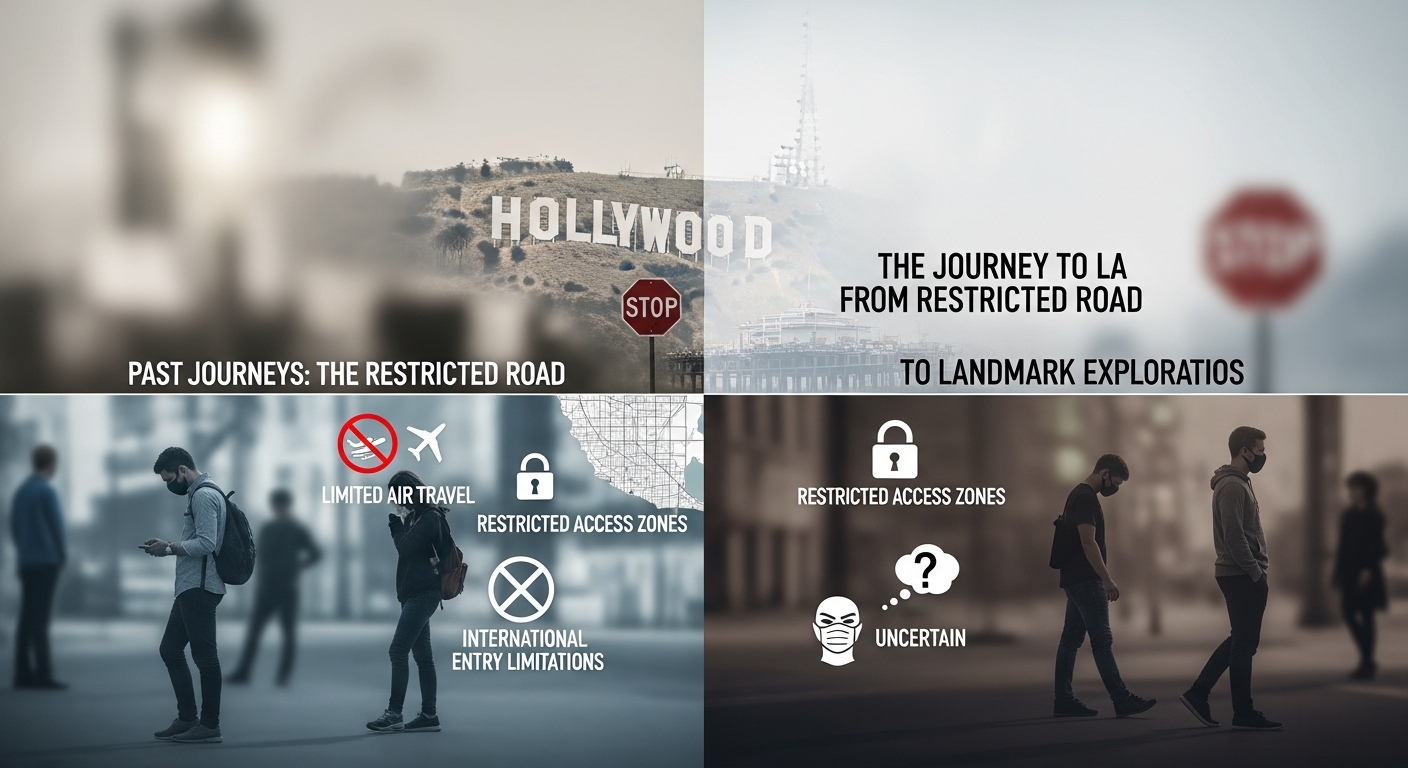
Authorities are now better equipped to handle such situations with targeted responses, rather than broad, sweeping bans. This means a return to the kind of “LA travel ban” seen during the early 2020s is considered less likely, though staying informed is always recommended.
Conclusion
As of March 27, 2026, the notion of an “LA travel ban” is largely a relic of the past. Los Angeles stands ready to welcome travelers from across the globe with open arms. While standard entry requirements for the U.S. remain in place, and personal health precautions are always wise, the restrictive measures that once defined travel are no longer active.
Planning a trip to Los Angeles today means focusing on the excitement of exploration, cultural immersion, and creating unforgettable memories. By staying informed through official channels and adhering to common-sense health practices, you can confidently plan your visit to one of the world’s most iconic cities. Enjoy the sunshine, the entertainment, and the vibrant spirit of Los Angeles!
Frequently Asked Questions (FAQ)
Is there currently a travel ban for Los Angeles?
No, as of March 27, 2026, there is no general travel ban in effect for Los Angeles. Both domestic and international travelers are welcome to visit, subject to standard U.S. entry requirements.
What are the health requirements for entering LA?
There are no specific health requirements or mandatory health screenings for entering Los Angeles. Travelers are encouraged to practice good hygiene, stay home if sick, and consider personal precautions like masking in crowded areas if desired.
Do I need a visa to visit Los Angeles?
International travelers will need either a valid U.S. visa or an approved ESTA (Electronic System for Travel Authorization) if they are from a Visa Waiver Program country. U.S. citizens and permanent residents do not need a visa for domestic travel.
Where can I find official travel updates for LA?
For the most reliable and current information, consult official sources such as the U.S. Department of State, U.S. Customs and Border Protection (CBP), Centers for Disease Control and Prevention (CDC), California Department of Public Health (CDPH), and the Los Angeles County Department of Public Health.
Is it safe to travel to Los Angeles right now?
Yes, it is generally safe to travel to Los Angeles. The city is open, and standard safety precautions apply as in any major metropolitan area. Travelers should always be aware of their surroundings and follow local guidance.