Smart Kids Travel Bags: The Ultimate Guide for Happy Family Trips
Traveling with kids can be an amazing adventure, but it also comes with its own set of challenges. One of the biggest hurdles? Managing all their belongings. From favorite toys to essential clothes, ensuring everything is packed safely and efficiently is key to a smooth journey. This is where the right kids travel bags become your best friend.
Choosing a travel bag for your child is more than just picking a cute design. It is about finding a bag that is functional, durable, and comfortable for them to use. A well-chosen bag can empower your child, giving them a sense of responsibility and excitement for the trip ahead. It can also make your life as a parent much easier, reducing clutter and stress.
This guide will walk you through everything you need to know about selecting the best kids travel bags. We will cover different types, essential features, and tips for packing. By the end, you will be ready to choose the perfect bag that makes every family trip a joyful experience, not a packing nightmare.
Key Takeaways for Choosing Kids Travel Bags
- Prioritize Durability and Safety: Look for strong materials, sturdy zippers, and non-toxic components to ensure the bag lasts and is safe for your child.
- Match Bag Type to Travel Style: Backpacks are great for active kids, rolling luggage for easy airport navigation, and duffels for car trips or sports gear.
- Consider Age-Appropriate Sizes: A bag that is too big or too small will be uncomfortable. Ensure it fits your child’s height and strength.
- Look for Organization Features: Multiple compartments, internal pockets, and external mesh pockets help keep items tidy and accessible.
- Involve Your Child in the Choice: Letting your child pick a design or color can increase their excitement and willingness to carry their own bag.
Why the Right Kids Travel Bag Matters
Having a dedicated travel bag for your child is not just about convenience. It plays a big role in making travel smoother and more enjoyable for everyone. A good bag means less stress for parents and more fun for kids. It helps manage expectations and gives children a sense of purpose during travel.
Think about the last time you traveled with a regular adult bag for your child’s items. It was probably too big, hard to carry, and things got lost easily. Kids travel bags are designed specifically for smaller bodies and their unique packing needs. They are crafted to be easy for children to handle, promoting independence.
Comfort and Independence
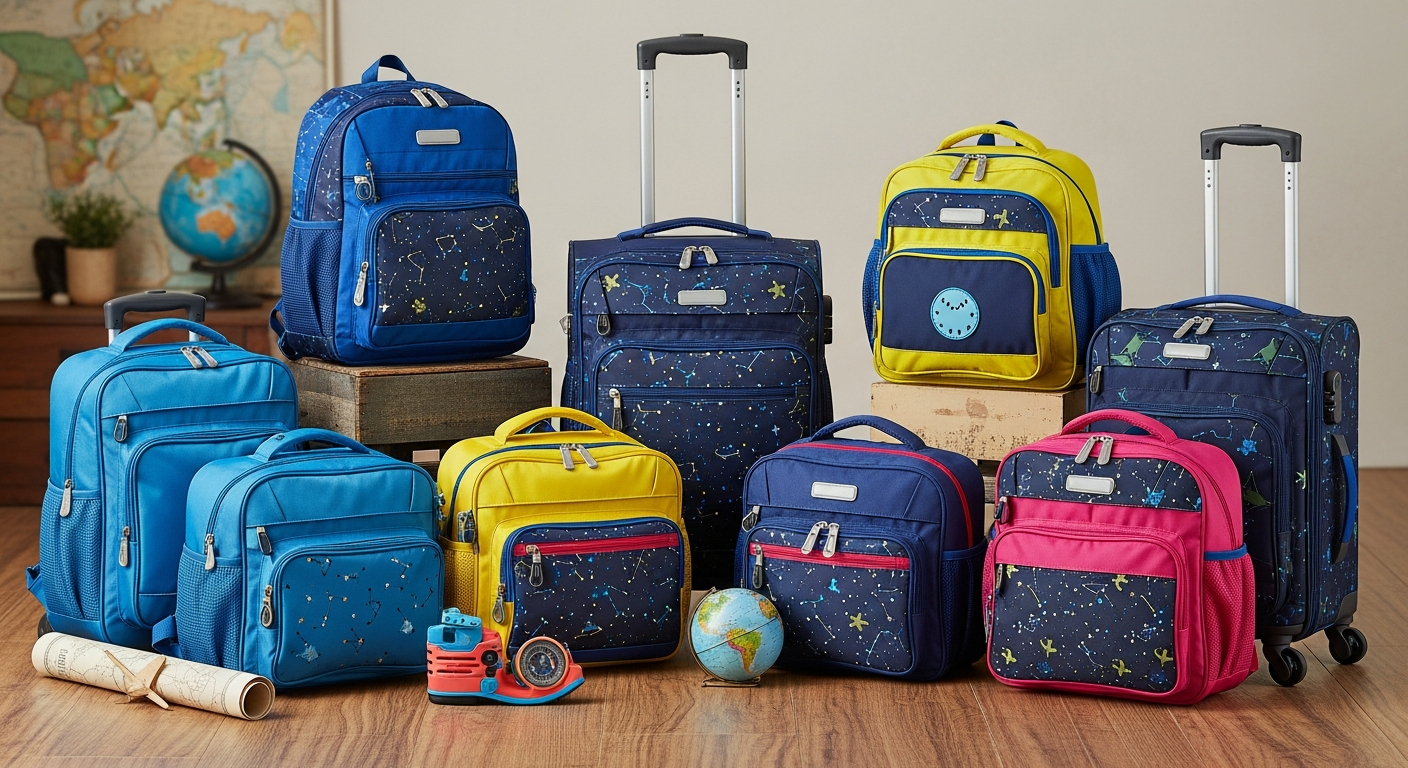
When children have their own appropriately sized bag, they can carry it themselves. This boosts their confidence and makes them feel like an important part of the travel team. A lightweight backpack or a small rolling suitcase designed for kids prevents them from struggling with oversized luggage. This comfort means fewer complaints and a happier journey.
Imagine your child confidently pulling their own small suitcase through the airport or carrying their backpack onto a train. This simple act of self-reliance can transform their travel experience. It teaches them responsibility and prepares them for future adventures.
Organization and Durability
Kids travel bags often feature smart compartments and pockets, perfect for organizing toys, snacks, books, and clothes. This specialized design means everything has its place. No more digging through a giant bag to find a small toy. Plus, these bags are built tough. They can withstand the bumps and scrapes that come with energetic young travelers, protecting their precious cargo.
“Choosing a travel bag for your child is an investment in stress-free family travel. It empowers children and simplifies packing, creating happier memories for everyone involved.” – Travel Expert Insight
Types of Kids Travel Bags
There is a wide variety of kids travel bags, each suited for different ages, travel styles, and purposes. Understanding the options will help you make the best choice.
Backpacks
Kids backpacks are a classic choice, perfect for day trips, school outings, or as a personal item on flights. They are great for younger children who want to carry their own small treasures. Look for adjustable padded straps and a chest clip for comfort and stability. Many come in fun designs featuring popular characters or animals.
Backpacks allow for hands-free travel, which is a huge plus when navigating busy airports or attractions. They are ideal for packing essentials like snacks, a water bottle, a small toy, and a light jacket. Lightweight options are best to avoid straining small shoulders.
Rolling Luggage
Rolling luggage, often called spinner or upright suitcases, is ideal for longer trips where more items are needed. These bags come with wheels, making them easy for kids to pull through airports or train stations. They often have extendable handles that adjust to different heights.
These suitcases come in various sizes, from small carry-ons to larger checked bags. Many have hard shells for extra protection or soft shells with external pockets for quick access. They are perfect for packing clothes, shoes, and larger toys. The ability for kids to pull their own bag is a major benefit.
Duffel Bags
Duffel bags are versatile and spacious, great for sleepovers, sports activities, or road trips. They typically have one large main compartment, making them easy to pack with bulky items. Some duffels also have shoulder straps or handles, offering different carrying options.
While they might not have as much internal organization as a backpack or rolling suitcase, their open design makes them perfect for quickly throwing in clothes or gear. They are often made from durable, flexible materials that can withstand rough handling.
Specialty Bags (Trunkies, Ride-on Bags)
These innovative bags double as toys or seats, providing entertainment during long waits. Trunkies or ride-on suitcases allow children to sit on them and be pulled along, or even ride them themselves. This can be a lifesaver in busy terminals or during delays.
While they are incredibly fun and practical for keeping kids occupied, they might offer less packing space compared to traditional bags of similar size. They are best suited for younger children and shorter trips where entertainment is a high priority.
Key Features to Look For
When shopping for kids travel bags, several features stand out as important for both functionality and comfort. Focusing on these will help you choose a bag that truly meets your family’s needs.
Size and Weight
The bag’s size should be appropriate for your child’s age and the length of your trip. A bag that is too heavy or bulky will be difficult for them to manage, leading to frustration. For carry-on, check airline size and weight limits. Lightweight materials are always a plus, as they leave more weight allowance for actual contents.
Material and Construction
Durability is crucial. Look for bags made from strong, tear-resistant fabrics like polyester or nylon. Hard-shell bags offer excellent protection for fragile items. Check the zippers-they should be robust and easy for small hands to operate. Reinforced stitching and sturdy handles will ensure the bag withstands frequent travel.
Ergonomics and Comfort
For backpacks, padded, adjustable shoulder straps and a chest strap are essential for even weight distribution. For rolling luggage, a sturdy, extendable handle that locks at multiple heights is important. Wheels should roll smoothly and be durable enough for various surfaces. Comfort prevents back strain and makes the child more willing to carry their bag.
Fun Designs and Themes
Kids are more likely to use and love a bag that reflects their personality. Many bags come in vibrant colors, playful patterns, or feature popular cartoon characters. Letting your child choose their design can make them more excited about packing and carrying their own belongings.
Safety Features
Consider features like reflective strips on backpacks for visibility, especially if your child will be walking with the bag in low light. Ensure there are no small, detachable parts that could pose a choking hazard for very young children. Non-toxic materials are also important for peace of mind.
Choosing the Perfect Bag by Age Group
The ideal travel bag changes as your child grows. What works for a toddler will not be suitable for a pre-teen. Tailoring your choice to their age ensures maximum comfort and utility.
Toddlers (1-3 Years)
For toddlers, a small, lightweight backpack is perfect for carrying a few favorite toys, a blanket, and snacks. Look for simple designs, easy-to-open zippers, and a chest strap to prevent the bag from slipping off their shoulders. Ride-on suitcases can also be a fantastic option for this age group, offering both transport and entertainment.
Preschoolers (3-5 Years)
Preschoolers can handle slightly larger backpacks or very small rolling suitcases. They enjoy bags with their favorite characters. Encourage them to pack a few small books, art supplies, and a change of clothes. Bags with external mesh pockets for water bottles are very practical.
Young Children (6-9 Years)
At this age, children can manage small to medium-sized rolling luggage or a larger backpack. They are capable of packing more of their own items, including clothes for a few days, books, and games. Look for bags with good internal organization to help them keep track of their belongings. Durability becomes even more important as they become more active travelers.
Pre-Teens (10-12 Years)
Pre-teens often prefer bags that look more like adult luggage but are still sized for them. A carry-on size rolling suitcase or a spacious, stylish backpack is usually a good fit. They will appreciate features like laptop sleeves, multiple compartments, and perhaps a more mature design. Involving them in the selection process is crucial at this age.
Packing Tips for Kids Travel Bags
Even with the perfect bag, smart packing makes all the difference. These tips will help you maximize space and keep things organized.
Involve Your Child
Let your child help pack their own bag. This teaches them responsibility and helps them understand what they need for the trip. Give them a list or suggest specific items they can pack, like their favorite toy or a book. This also reduces the chances of them forgetting something important to them.
Roll, Don’t Fold
Rolling clothes tightly saves a surprising amount of space and helps prevent wrinkles. Show your child how to roll their t-shirts and pants. This simple technique can free up valuable room for other essentials.
Use Packing Cubes
Packing cubes are a game-changer for organizing. Use different colored cubes for different types of items-one for shirts, one for pants, one for underwear. This makes it easy for kids to find what they need without messing up the entire bag. It also helps with unpacking and re-packing.
Essentials First
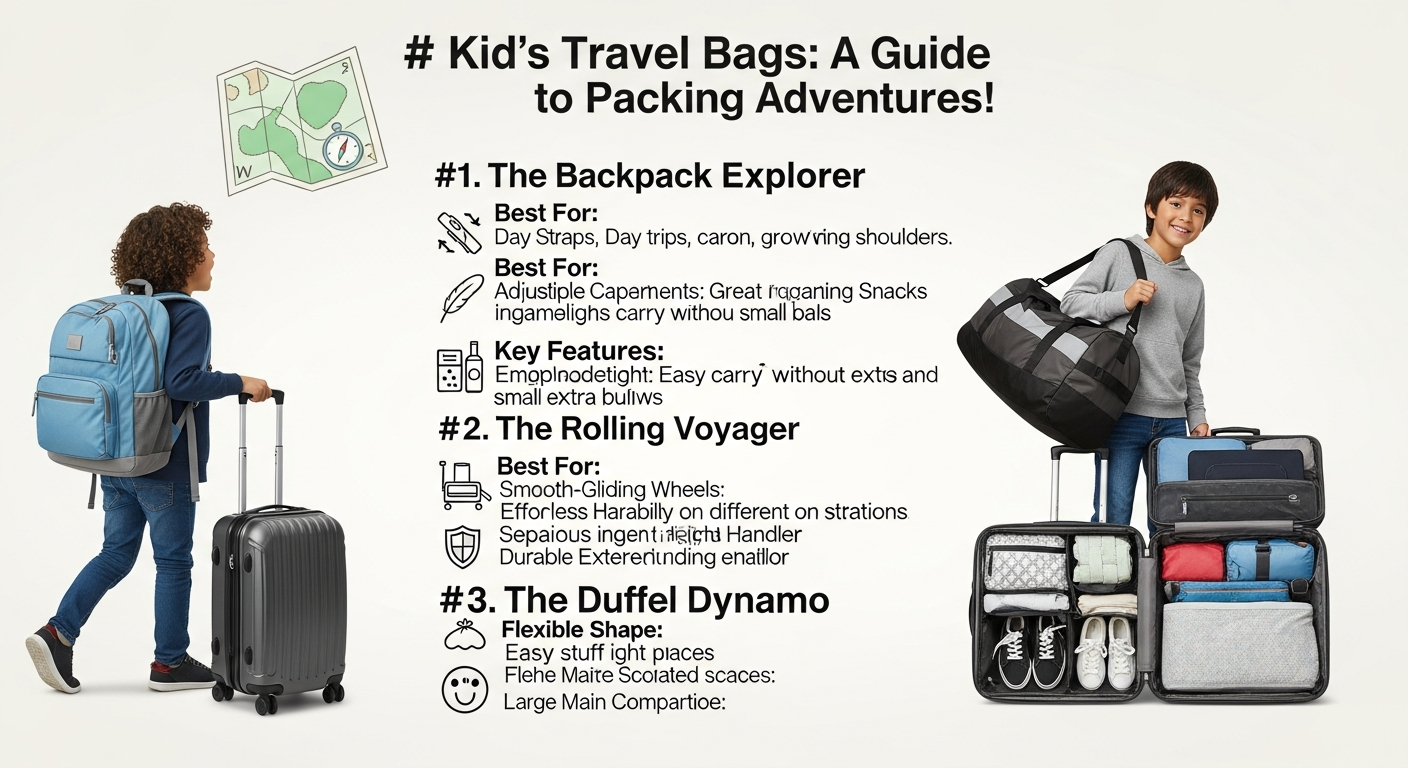
Pack items your child will need access to during travel in an easily reachable pocket. This includes snacks, a small toy, a comfort item, or a tablet. This prevents having to open the main compartment repeatedly during transit.
Comparison Table: Popular Kids Travel Bag Types
| Feature | Kids Backpacks | Kids Rolling Luggage | Kids Duffel Bags | Ride-on Suitcases |
| **Best For** | Day trips, carry-on personal item, school | Longer trips, airport travel, overnight stays | Sleepovers, sports gear, road trips | Young kids, airport waits, short trips |
| **Portability** | Hands-free, good for walking | Easy to pull, less strain on back | Can be bulky, shoulder carry or hand carry | Kids can ride or be pulled, fun |
| **Capacity** | Small to medium, essentials | Medium to large, clothes and toys | Large, bulky items, less organization | Small, limited space, focuses on entertainment |
| **Organization** | Pockets for small items, main compartment | Multiple compartments, internal straps | Often one main compartment, few pockets | Simple internal space, sometimes a small pocket |
| **Durability** | Varies, good quality lasts | Hard or soft shell, sturdy wheels and handle | Flexible, tear-resistant fabrics | Robust plastic, built to withstand riding |
| **Age Range** | Toddlers to pre-teens | Preschoolers to pre-teens | Young children to pre-teens | Toddlers to young children |
Conclusion
Choosing the right kids travel bags is an essential step towards more enjoyable and less stressful family trips. By considering factors like age, travel style, durability, and key features, you can find a bag that not only meets practical needs but also excites your child.
Empowering your children with their own travel gear fosters independence and makes them active participants in the adventure. Whether it is a colorful backpack for a day trip or a sturdy rolling suitcase for a longer vacation, the perfect bag is out there waiting to make your next family journey a memorable one. Happy travels!
Frequently Asked Questions (FAQ)
Q1: What is the best type of travel bag for a 5-year-old?
A 5-year-old can comfortably use a small rolling suitcase or a larger, well-fitting backpack. Rolling luggage is great for longer trips, allowing them to pull their own items. A backpack is perfect for shorter outings or as a personal item for toys and snacks.
Q2: How do I choose the right size travel bag for my child?
Consider your child’s height and strength. The bag should not be wider than their shoulders, and for rolling bags, the handle should extend to a comfortable height for them to pull without stooping. For backpacks, ensure it does not hang below their waist.
Q3: Are hard-shell or soft-shell kids travel bags better?
Both have advantages. Hard-shell bags offer better protection for fragile items and are often easier to clean. Soft-shell bags are typically lighter, more flexible, and often have external pockets for quick access. Your choice depends on what you are packing and how much protection you need.
Q4: How can I make my child excited about carrying their own travel bag?
Let them choose a bag with a design or character they love. Involve them in packing their favorite toys or books. Praise their efforts when they carry it. Making it a fun part of the travel experience will encourage their independence.
Q5: What are essential items to pack in a kids travel bag for a flight?
For a flight, include snacks, a refillable water bottle, a small comfort item or toy, a book or coloring supplies, a tablet with headphones, and a light change of clothes. These items help keep them entertained and comfortable during the journey.