Canada Travel Advisory 2026: Your Essential Guide to Safe Journeys
Planning a trip to Canada, one of the world’s most breathtaking destinations, is an exciting prospect. Whether you are dreaming of vibrant city life, serene wilderness, or cultural experiences, Canada offers something for every traveler. However, a truly smooth and safe journey begins long before you pack your bags: it starts with understanding the current travel advisories.
As of March 26, 2026, staying informed about Canada’s travel guidelines is more important than ever. These advisories are designed to protect your safety and well-being, providing crucial information on potential risks, entry requirements, and health considerations. By taking the time to review these official recommendations, you empower yourself to make informed decisions and enjoy your Canadian adventure with peace of mind.
Key Takeaways for Your Canadian Journey
Before diving into the details, here are five expert insights to keep in mind when planning your travel to Canada:
- Always Check Official Sources: Rely on Global Affairs Canada for the most up-to-date and accurate travel information. Avoid unofficial websites or social media for critical advisory details.
- Understand Advisory Levels: Familiarize yourself with the different levels of advisories, from ‘exercise normal precautions’ to ‘avoid all travel,’ and how they might affect your plans and insurance.
- Prioritize Health and Safety: Ensure all routine vaccinations are current and consider any recommended additional shots. Pack a first-aid kit and know how to access medical help if needed.
- Know Your Insurance Coverage: Confirm that your travel insurance policy covers medical emergencies, trip cancellations, and potential disruptions related to travel advisories.
- Stay Connected and Informed: Register your trip with your country’s embassy or consulate in Canada. Keep emergency contacts handy and monitor local news during your stay.
Understanding Canada’s Travel Advisory System
Canada’s travel advisory system is a vital tool for both Canadian citizens traveling abroad and international visitors coming to Canada. It provides clear, concise information about safety and security conditions, helping travelers make responsible decisions.
Who Issues the Advisories?
Travel advisories for Canada are primarily issued by Global Affairs Canada. This government department is responsible for managing Canada’s diplomatic and consular relations, promoting international trade, and providing travel advice to Canadians. For international visitors, your own government’s travel advisory service will also provide guidance specific to your citizenship, often mirroring or referencing Canada’s official stance.
What Do Advisory Levels Mean?
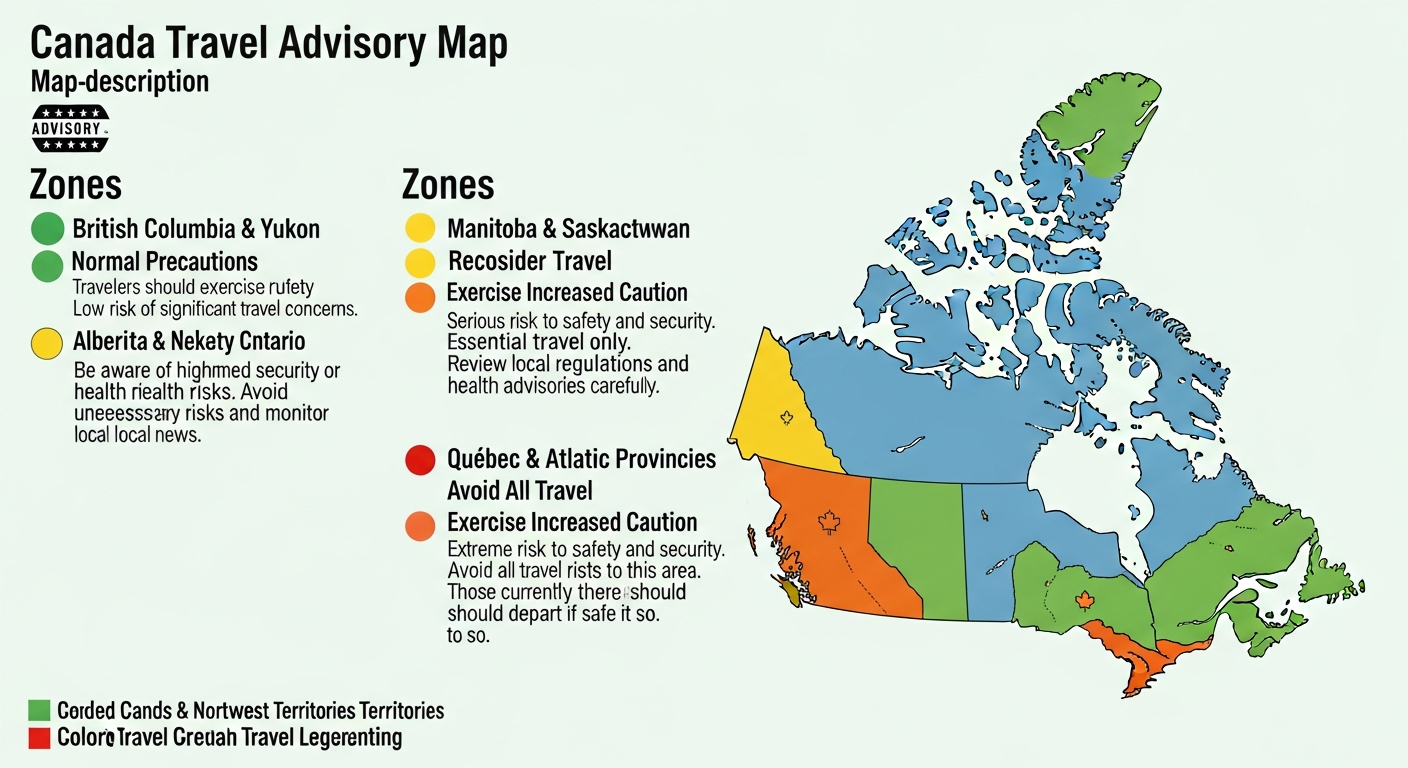
Global Affairs Canada uses a four-level system to classify the risk associated with travel to different regions or countries. Understanding these levels is fundamental to assessing the potential impact on your trip.
- Level 1: Exercise normal security precautions. This is the lowest advisory level, indicating that you should take routine safety measures as you would at home or in any other safe environment.
- Level 2: Exercise a high degree of caution. This level suggests there are identifiable risks to your safety and security. It advises travelers to be extra vigilant and aware of their surroundings.
- Level 3: Avoid non-essential travel. This is a serious warning. It means there are significant and specific risks that could put your safety at risk. Travel insurance might be affected at this level.
- Level 4: Avoid all travel. This is the highest advisory level, indicating extreme risks to personal safety. If you are already in an area with this advisory, you should consider leaving immediately if it is safe to do so.
These levels are dynamic and can change quickly based on evolving situations, such as political unrest, natural disasters, or public health crises. Always check the current status of advisories relevant to your destination.
| Advisory Level | Description | Key Action | Insurance Impact (General) |
| Level 1 | Routine safety measures | Standard vigilance | Usually covered |
| Level 2 | Identifiable risks | Increased caution | Check policy details |
| Level 3 | Significant risks | Reconsider travel | Often voided for related incidents |
| Level 4 | Extreme risks | Do not travel | Almost certainly voided |
Navigating Current Travel Advisories (March 2026)
As of March 26, 2026, Canada generally remains a safe and welcoming country for travelers. However, it is crucial to be aware of general safety protocols and specific considerations that might apply to your visit.
General Safety and Security
While Canada has a low crime rate, petty crime, such as pickpocketing and bag snatching, can occur, especially in crowded tourist areas and major cities. It is always wise to secure your belongings, avoid displaying large amounts of cash, and be aware of your surroundings. Report any suspicious activity to local authorities immediately. Demonstrations can occur in urban centers; it is best to avoid large gatherings.
Health Considerations
Canada boasts a high standard of medical care, but visitors should be prepared for potential health needs. Ensure your routine vaccinations are up-to-date. There are no specific health advisories currently in place that would significantly impact general travel to Canada. However, it is always recommended to consult with your doctor before any international trip to discuss any personal health concerns or necessary precautions.
Access to emergency medical services is readily available across the country. Remember that medical care can be expensive without proper insurance. For any medical emergency, dial 911.
Entry and Exit Requirements
Entry requirements for Canada vary based on your nationality. Most visitors will need a valid passport. Depending on your country of origin, you may also require a visa or an Electronic Travel Authorization (eTA). The eTA is a digital travel document that most visa-exempt foreign nationals need to fly to or transit through a Canadian airport. It is electronically linked to your passport and is valid for up to five years or until your passport expires, whichever comes first.
Ensure all your travel documents are valid for your entire planned stay. It is advisable to apply for an eTA or visa well in advance of your trip. Upon arrival, you will go through customs and immigration, where officers may ask about your purpose of visit, duration of stay, and proof of sufficient funds. Be prepared to answer these questions clearly and honestly.
Essential Preparations Before You Go
Thorough preparation is the cornerstone of a worry-free international trip. Before you even step foot in Canada, there are several key steps you should take to ensure your safety and enjoyment.
Travel Insurance: A Non-Negotiable
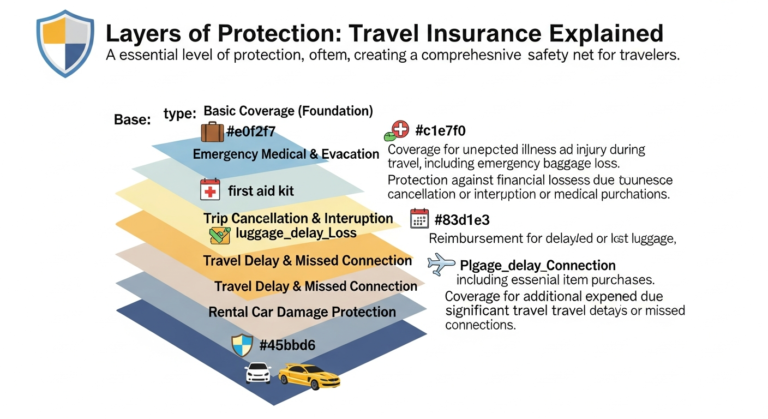
Travel insurance is not just a recommendation; it is an essential part of responsible international travel. A comprehensive policy should cover:
- Emergency medical expenses: This is crucial, as healthcare costs in Canada can be very high.
- Trip cancellation or interruption: Protects your financial investment if unforeseen circumstances force you to cancel or cut short your trip.
- Baggage loss or delay: Provides compensation if your luggage is lost, stolen, or delayed.
- Emergency evacuation: Covers the cost of medical transport if you need to be moved to a facility better equipped to handle your condition.
Always read the fine print of your policy, especially regarding exclusions related to pre-existing conditions or travel advisories. Some policies may not cover incidents in regions with a Level 3 or 4 advisory.
Documentation Checklist
Create a detailed checklist for all necessary documents. This includes your passport, visa or eTA confirmation, travel insurance policy details, flight and accommodation bookings, and any other permits you might need (e.g., for specific parks or activities). Make physical and digital copies of all important documents. Store digital copies securely on a cloud service or encrypted USB drive, and keep physical copies separate from the originals.
Staying Connected
Staying connected is vital for emergencies and keeping in touch with loved ones. Consider purchasing a local SIM card upon arrival, which can be more cost-effective than international roaming. Alternatively, check if your current mobile provider offers affordable international roaming packages. Ensure your phone is unlocked before you travel. Inform your bank and credit card companies of your travel plans to avoid issues with transactions.
Here’s a quick checklist to help you prepare:
- Confirm passport validity (at least 6 months beyond your planned stay).
- Apply for eTA or visa if required.
- Purchase comprehensive travel insurance.
- Make copies of all important documents.
- Inform your bank and credit card companies.
- Pack necessary medications with prescriptions.
- Research local customs and laws.
- Learn basic French phrases (especially if visiting Quebec).
- Download offline maps and translation apps.
During Your Trip: Staying Safe and Informed
Once you arrive in Canada, maintaining awareness and knowing how to access help will contribute significantly to a smooth and safe experience. Being proactive about your safety allows you to fully immerse yourself in the beauty and culture of the country.
Local Laws and Customs
Canada has unique laws and social norms that visitors should respect. For example, cannabis is legal for recreational use, but strict rules apply regarding age, public consumption, and transportation. Drinking and driving laws are rigorously enforced. Respect for Indigenous cultures and territories is also an important aspect of Canadian society. Always be mindful of environmental regulations, especially when visiting national parks and wilderness areas.
Emergency Contacts and Resources
Before or upon arrival, make a list of important emergency contacts:
- 911: The universal emergency number for police, fire, and ambulance services across Canada.
- Your country’s embassy or consulate in Canada: Keep their contact information handy for consular assistance.
- Your travel insurance emergency line: For medical emergencies or other covered incidents.
- Local contacts: If you have friends, family, or tour operators in Canada, keep their numbers accessible.
Monitoring Updates
Travel advisories can change, even while you are abroad. It is a good practice to periodically check the Global Affairs Canada website or your own government’s travel advisory site for any updates relevant to your travel regions. Local news sources can also provide immediate information on local events, weather warnings, or public safety announcements. Many regions in Canada have public alert systems, which you can subscribe to for real-time notifications.
Specific Regional Considerations within Canada
Canada is a vast country with diverse landscapes and climates. What applies to one region might not apply to another. Being aware of regional specificities will enhance your preparedness.
Urban vs. Rural Travel
- Urban Areas: Major cities like Toronto, Vancouver, and Montreal are generally safe but require standard urban precautions against petty crime. Public transport is efficient, but be mindful of surroundings, especially late at night. Traffic can be heavy.
- Rural Areas & Wilderness: Traveling in Canada’s vast wilderness areas presents different challenges. Be prepared for encounters with wildlife (bears, moose, coyotes), rapidly changing weather, and limited cell service. Always inform someone of your itinerary when hiking or exploring remote areas. Carry appropriate gear, including navigation tools, and know how to use them.
Seasonal Travel Risks
Canada experiences four distinct seasons, each with its own travel considerations:
- Winter (December-March): Extreme cold, heavy snowfall, and icy conditions are common. Winter driving requires special tires and skills. Be prepared for potential flight delays or road closures due to blizzards. Layered clothing is essential.
- Spring (April-May): Thawing snow can lead to flooding in some areas. Weather can be unpredictable, with a mix of rain and sunshine. Wildlife, emerging from hibernation, can be more active.
- Summer (June-August): Generally pleasant, but heatwaves can occur. Wildfires, especially in Western Canada, can impact air quality and lead to evacuations. Always check local fire risk advisories. Mosquitoes and other insects are prevalent in many areas.
- Fall (September-November): Beautiful foliage, but temperatures drop, and early snowfalls can occur, particularly in higher elevations. Hunting season may be active in some rural areas; wear bright colors if hiking.
“Preparation is key to unlocking Canada’s full potential as a travel destination. From understanding the nuanced travel advisories to packing the right gear for the season, every step taken in advance ensures a safer, more enjoyable, and truly unforgettable experience.” – *Travel Safety Expert*
What to Do in an Emergency
Knowing the right steps to take in an emergency can make a critical difference. While we hope you never encounter one, being prepared is always best.
- Assess the Situation: First, ensure your immediate safety. If you are in danger, move to a secure location.
- Contact 911: For any immediate threat to life, health, or property (police, fire, ambulance), dial 911 from any phone. State your location clearly and describe the emergency.
- Notify Your Embassy/Consulate: If the emergency is serious (e.g., arrest, serious injury, death of a family member), contact your country’s embassy or consulate in Canada for assistance.
- Contact Your Travel Insurance Provider: As soon as it is safe to do so, inform your travel insurance company. They can guide you on next steps for medical care, evacuation, or trip changes and claims.
- Inform Family/Friends: Let your emergency contacts know you are safe or what the situation is. If you registered your trip, your government may also be able to assist in relaying messages.
Conclusion
Canada remains a top-tier destination for travelers worldwide, offering unparalleled natural beauty, vibrant cities, and rich cultural experiences. By staying informed about the latest Canada travel advisory, as of March 26, 2026, and taking proactive steps in your planning and during your trip, you can ensure a safe, responsible, and truly memorable adventure. Remember that preparedness is your best travel companion, allowing you to focus on the wonders Canada has to offer with confidence and peace of mind. Travel smart, stay safe, and enjoy your journey!
Frequently Asked Questions (FAQ)
1. What is Global Affairs Canada?
Global Affairs Canada is the Canadian government department responsible for the country’s foreign policy, international trade, and consular services. They issue official travel advisories for Canadians traveling abroad and provide information relevant to international visitors.
2. How often are travel advisories updated?
Travel advisories are updated regularly, sometimes multiple times a day, depending on the evolving global and local situations. It is crucial to check the official Global Affairs Canada website frequently, especially close to your departure date and during your trip.
3. Does travel insurance cover all advisory levels?
No, not necessarily. Many travel insurance policies have clauses that may void coverage for incidents occurring in regions under a ‘Level 3: Avoid non-essential travel’ or ‘Level 4: Avoid all travel’ advisory. Always read your policy’s terms and conditions carefully or contact your provider for clarification.
4. What should I do if an advisory changes while I’m in Canada?
If a travel advisory for your area in Canada changes to a higher risk level while you are there, immediately review the specific reasons for the change on the Global Affairs Canada website. Contact your embassy or consulate for guidance and your travel insurance provider for advice on coverage and potential changes to your travel plans.
5. Are there specific advisories for Canadian citizens traveling within Canada?
While Global Affairs Canada primarily issues advisories for international travel, they also provide domestic safety information and warnings related to natural disasters (e.g., wildfires, floods) or severe weather events that could impact travel within Canada. These are usually issued by Environment and Climate Change Canada or provincial authorities.