Travel 2 Advisory: Your Essential 2026 Guide to Smart, Safe Journeys
Venturing abroad in 2026 offers incredible opportunities, but it also demands a proactive approach to safety and awareness. The world is ever-changing, and staying informed is your best defense against unexpected challenges. This is where the concept of a ‘Travel 2 Advisory’ becomes crucial.
For many seasoned travelers and first-time adventurers alike, understanding government travel advisories is a cornerstone of responsible planning. A Travel 2 Advisory, in particular, signals a need for increased caution. It’s not a ‘do not travel’ warning, but rather a clear indication that specific risks exist, requiring you to elevate your awareness and preparation.
This comprehensive guide will break down what a Travel 2 Advisory truly means for you. We’ll explore the factors that lead to such advisories, how to interpret them, and most importantly, how to plan and execute a safe and enjoyable trip even when increased caution is advised. By the end, you’ll be equipped with the knowledge to make informed decisions and travel smarter in 2026 and beyond.
Key Takeaways: Navigate Travel 2 Advisories Like a Pro
- Understand the Nuance: A Travel 2 Advisory means ‘Exercise Increased Caution,’ not ‘avoid travel.’ It highlights specific, identifiable risks.
- Insurance is Non-Negotiable: Comprehensive travel insurance, including medical evacuation, is especially vital for Travel 2 destinations.
- Stay Connected & Registered: Enroll in your government’s traveler registration program and keep loved ones informed of your itinerary.
- Local Awareness is Key: Be alert to your surroundings, respect local customs, and know emergency contacts for your destination.
Research is Your Shield: Always dive deeper than the advisory level. Understand why* an advisory is in place for your destination.
Understanding the Travel 2 Advisory System
Travel advisories are official warnings issued by governments to their citizens about the safety and security risks of traveling to specific foreign destinations. These advisories are dynamic, constantly updated to reflect current global conditions.
The ‘Travel 2 Advisory’ level typically falls in the middle of a four-tier system, indicating a moderate level of risk. It’s a call to action for travelers to be more vigilant than usual.
The Four-Tier Advisory System Explained

Most major governments, like the U.S. State Department or Global Affairs Canada, use a similar tiered system. While names may vary slightly, the core meaning remains consistent:
- Level 1: Exercise Normal Precautions. This is the baseline for safe travel. No widespread security concerns are noted.
- Level 2: Exercise Increased Caution. This level indicates specific risks are present. These could be due to crime, civil unrest, health concerns, or terrorism threats.
- Level 3: Reconsider Travel. Significant risks are present, and travelers should seriously think about postponing their trip. This often involves major safety or security issues.
- Level 4: Do Not Travel. This is the highest level of advisory, reserved for extreme situations like active armed conflict, widespread disease outbreaks, or imminent threats to life.
What Triggers a Level 2 Advisory?
Various factors can lead a government to issue a Travel 2 Advisory. These are usually specific and localized, rather than country-wide blanket warnings. Common triggers include:
- Increased Crime Rates: This could be petty theft, violent crime, or specific types of fraud targeting tourists.
- Political Instability: Demonstrations, protests, or civil unrest that could turn violent and disrupt daily life.
- Health Concerns: Outbreaks of certain diseases, or areas with inadequate medical facilities that pose a risk to travelers.
- Terrorism Threats: General threats of terrorism, or specific warnings about potential targets or methods.
- Natural Disasters: Areas prone to earthquakes, hurricanes, or other natural events that could impact travel safety.
It’s important to remember that these advisories are not meant to deter travel completely but to empower you with information. They are a starting point for your own deeper research.
What Does a Travel 2 Advisory Mean for You?
When your chosen destination is under a Travel 2 Advisory, it means you need to adjust your travel mindset and preparations. It’s about being smart, not scared.
Your Personal Risk Assessment
Every traveler’s risk tolerance is different. What one person considers an acceptable risk, another might not. A Travel 2 Advisory prompts you to conduct a personal risk assessment:
- What are the specific risks mentioned? Are they relevant to your travel style?
- Are you traveling solo, with family, or for business?
- How familiar are you with the culture and language of the destination?
- Do you have any pre-existing health conditions that could be exacerbated?
Blockquote:
“A Travel 2 Advisory is a compass, not a stop sign. It directs you to areas requiring extra vigilance, ensuring your journey is informed rather than blindly optimistic.” – Dr. Eleanor Vance, Geopolitical Risk Analyst
Impact on Travel Insurance
One of the most significant impacts of a Travel 2 Advisory is on your travel insurance. While most standard policies cover destinations under a Level 2 advisory, it’s absolutely critical to read your policy’s fine print. Some policies may have exclusions related to specific events mentioned in the advisory (e.g., civil unrest). Always consult with your insurance provider directly.
Consider these points:
- Does your policy cover medical emergencies and evacuation in a Level 2 area?
- Are there any ‘cancel for any reason’ clauses that might apply?
- What are the limits for lost luggage or trip delays?
Key Factors Influencing a Travel 2 Advisory
Understanding the specific reasons behind a Travel 2 Advisory helps you tailor your safety measures. It’s not enough to know the level; you must know the details.
Regional vs. Country-Wide Warnings
Often, a Travel 2 Advisory isn’t for an entire country but for specific regions or cities within it. For example, one region might have high crime rates, while another is perfectly safe. Always check the fine print of the advisory for geographical specifics.
- Example: A country might have a Level 2 advisory due to crime in its capital city, but its rural, tourist-focused regions remain at Level 1.
Political Climate and Local Events
Political situations can change rapidly. An upcoming election, a controversial policy, or even historical anniversaries can trigger protests or demonstrations. Stay informed about local news and events leading up to and during your trip.
Health and Environmental Concerns
Beyond crime and politics, health risks and environmental factors play a role. These can include:
- Seasonal disease outbreaks (e.g., dengue fever, malaria).
- Air quality issues in urban centers.
- Periods of increased natural disaster risk (e.g., hurricane season).
It’s vital to pack necessary medications, consult a travel doctor, and understand local health protocols before you depart.
Preparing for Travel Under a Level 2 Advisory
Preparation is your best tool for a safe journey. With a Travel 2 Advisory, this preparation becomes even more thorough.
Essential Pre-Departure Checklist
- Deep Dive Research: Go beyond the advisory. Read local news, expat forums, and reputable travel blogs for on-the-ground insights.
- Travel Insurance Confirmation: Reconfirm all aspects of your travel insurance, especially medical and evacuation coverage.
- Register Your Trip: Enroll in your government’s traveler registration program (e.g., STEP for U.S. citizens, Registration of Canadians Abroad). This allows them to contact you in an emergency.
- Health Consultations: Visit your doctor or a travel clinic to discuss required vaccinations and health precautions.
- Secure Your Documents: Photocopy passports, visas, and important tickets. Store digital copies in a secure cloud service and email them to yourself.
- Emergency Contacts: Keep a list of local emergency numbers, your embassy/consulate, and trusted contacts at home.
Comparison: Travel Advisory Levels and Preparedness
| Advisory Level | Key Action | Typical Risks | Insurance Impact |
| **Level 1** | Normal Precautions | Minor theft, everyday incidents | Standard coverage usually sufficient |
| **Level 2** | **Exercise Increased Caution** | Targeted crime, civil unrest, specific health risks | Check policy for specific exclusions |
| **Level 3** | Reconsider Travel | Significant safety/security risks, major health issues | Coverage may be limited or require special add-ons |
| **Level 4** | Do Not Travel | Extreme danger, active conflict, widespread disease | Most policies will not cover, or become void |
Navigating Your Trip: Best Practices
Once you arrive, maintaining a heightened sense of awareness and following smart practices will significantly enhance your safety.
Personal Safety and Situational Awareness
- Blend In: Avoid flashy jewelry, expensive electronics, or clothing that makes you stand out as a tourist.
- Stay Vigilant: Be aware of your surroundings, especially in crowded areas or at night. Trust your instincts.
- Secure Valuables: Use a money belt or secure internal pockets. Never leave bags unattended.
- Limited Cash: Carry only the cash you need for the day.
- Know Your Route: Plan your daily movements, especially at night. Use reputable transport.
Communication and Connectivity
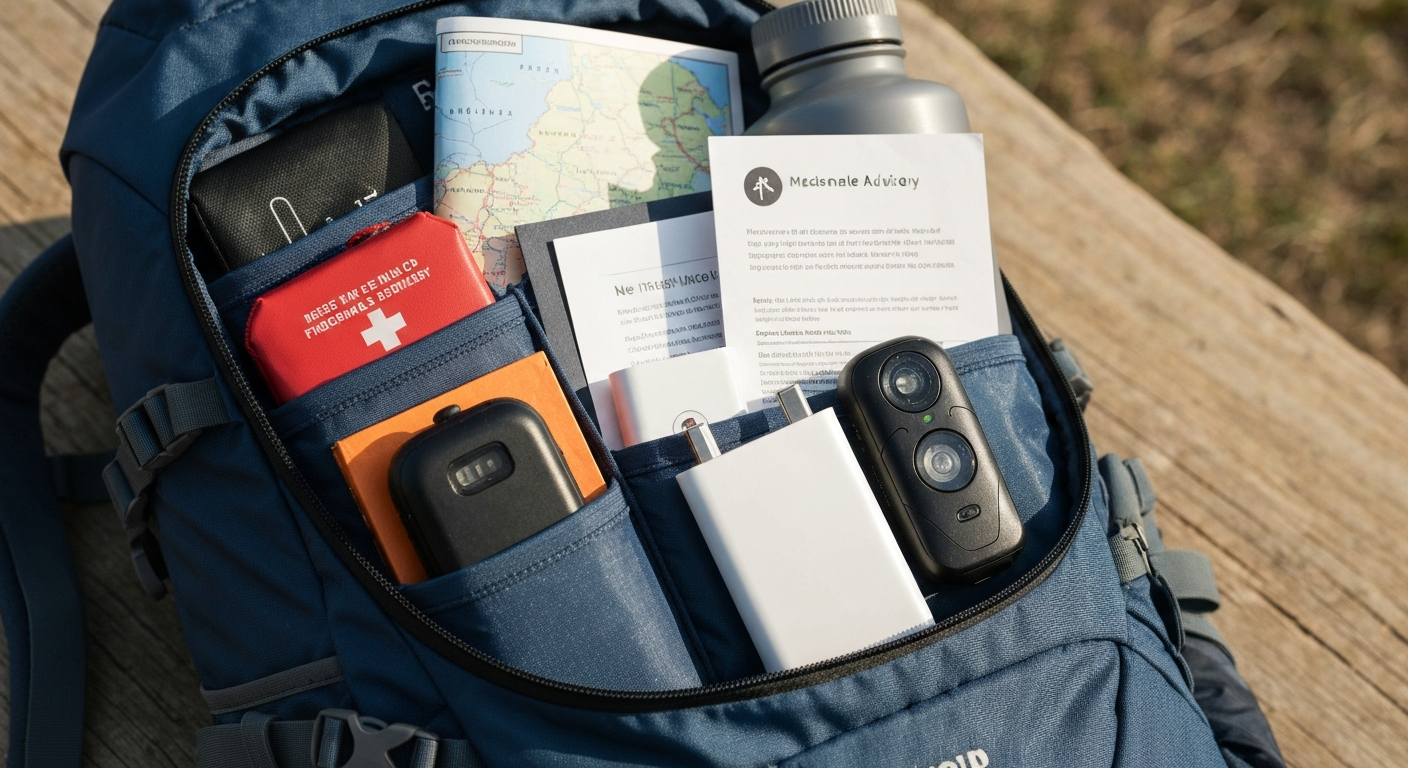
Having reliable ways to communicate is crucial. Consider a local SIM card or an international roaming plan. Keep your phone charged and have a portable power bank.
Respect Local Laws and Customs
Ignorance of local laws is not an excuse. Research and adhere to local regulations, even if they differ from your home country. Be respectful of cultural norms to avoid misunderstandings.
Technology and Tools for Safer Travel
Modern technology offers many tools to help you stay safe and informed while traveling under a Travel 2 Advisory.
Essential Apps and Devices
- Offline Maps: Download maps of your destination for navigation without internet access.
- Translation Apps: Essential for communicating in foreign languages.
- Emergency Contact Apps: Store critical numbers and allow quick sharing of your location.
- VPN (Virtual Private Network): Protects your data when using public Wi-Fi.
- Personal Safety Alarms: Small, portable devices that emit a loud sound to deter attackers.
Staying Informed on the Go
Subscribe to local news alerts or follow reputable international news sources that cover your destination. Many embassies also have social media channels that provide real-time updates.
Future of Travel Advisories and Personal Responsibility
The landscape of global travel is constantly evolving. As new challenges emerge, so too do the ways governments provide guidance to their citizens. The trend is towards more granular, location-specific advisories, leveraging data and technology to offer more precise warnings.
Ultimately, personal responsibility remains paramount. While advisories provide valuable guidance, they are not a substitute for your own judgment and preparedness. The ‘Travel 2 Advisory’ encourages a proactive, informed approach to travel, ensuring that your adventures are as safe as they are memorable.
Conclusion: Empowering Your 2026 Adventures
Traveling under a Travel 2 Advisory doesn’t mean canceling your plans; it means upgrading them. It calls for a deeper level of research, more thorough preparation, and a heightened sense of awareness while on the ground. By understanding the specific risks, securing the right insurance, and utilizing available resources, you can confidently navigate your chosen destination.
Remember, the goal of any travel advisory is to keep you safe. By embracing the advice to ‘Exercise Increased Caution,’ you transform potential risks into manageable considerations, ensuring your 2026 journeys are filled with positive experiences and lasting memories. Travel smart, travel safe, and explore the world with confidence.
Frequently Asked Questions (FAQ)
Q1: What is the main difference between a Level 1 and Level 2 travel advisory?
A Level 1 advisory suggests ‘Exercise Normal Precautions,’ meaning there are no widespread safety concerns. A Level 2 advisory, however, advises ‘Exercise Increased Caution’ due to specific, identifiable risks like elevated crime rates, civil unrest, or health concerns in certain areas.
Q2: Does a Travel 2 Advisory mean my travel insurance won’t cover me?
Not necessarily. Most standard travel insurance policies will still cover destinations under a Level 2 advisory. However, it is critical to review your specific policy documents or contact your provider directly to confirm coverage and understand any exclusions related to the specific risks mentioned in the advisory.
Q3: How often are travel advisories updated?
Travel advisories are dynamic and updated regularly, sometimes daily, based on evolving geopolitical situations, security incidents, health concerns, or natural disasters. It’s important to check the official government travel advisory website close to your departure date and even during your trip.
Q4: Should I still travel to a destination with a Level 2 advisory?
The decision to travel to a Level 2 advisory destination is personal. It requires you to carefully assess the specific risks, your personal risk tolerance, and your ability to mitigate those risks through thorough preparation. Many travelers safely visit Level 2 destinations by being well-informed and taking extra precautions.
Q5: What is the most important thing to do when traveling under a Level 2 advisory?
The most important action is to conduct thorough research into the specific reasons for the advisory and to register your trip with your home country’s embassy or consulate. This ensures you are informed of any new developments and can be contacted in an emergency.