Remembering Travel 2000: A Journey Back to the Millennium’s Dawn
The year 2000. The world braced for the Y2K bug, but amidst the anticipation, a different kind of excitement was brewing: the thrill of travel. As we stand in 2026, looking back at “travel 2000” offers a fascinating glimpse into a pivotal moment for global exploration. It was an era perched on the edge of a digital revolution, where flip phones were cutting-edge and internet cafes were still a novelty.
Gone were the days of purely paper maps and travel agents being the sole gatekeepers of itineraries. Yet, the fully automated, smartphone-driven travel we know today was still a distant dream. This unique blend of old-school charm and nascent technology shaped every aspect of a journey. From booking flights to navigating foreign cities, the turn of the millennium presented a travel landscape unlike any other. Let’s embark on a nostalgic trip to understand what made travel in 2000 so distinct and memorable.
Key Takeaways from Travel 2000
- Hybrid Planning: Travel in 2000 was a mix of traditional travel agent bookings and the very first steps into online research.
- Emerging Technology: Early internet access and mobile phones began to influence travel, but true digital integration was still years away.
- Authentic Experiences: With less constant connectivity, travelers often immersed themselves more deeply in local cultures.
- Pre-9/11 Security: Airport security protocols were significantly different and generally less stringent than today’s standards.
- Sense of Discovery: The relative “unknown” of destinations, less influenced by instant reviews and social media, fostered a greater sense of adventure.
The Dawn of a New Millennium: Travel in Y2K
The year 2000 marked a fascinating crossroads for the travel industry. It was a time of hopeful anticipation for the future, yet deeply rooted in the practices of the past. The looming Y2K scare, while ultimately unfounded in its dire predictions, certainly added a unique backdrop to any travel plans. People were still venturing out, eager to explore the world as the calendar flipped to a new century.
This period saw a blend of familiar travel methods alongside the very first whispers of digital transformation. It was a moment of transition, making “travel 2000” a unique historical chapter in how we explore our planet.
Pre-Digital Planning: A Different Era
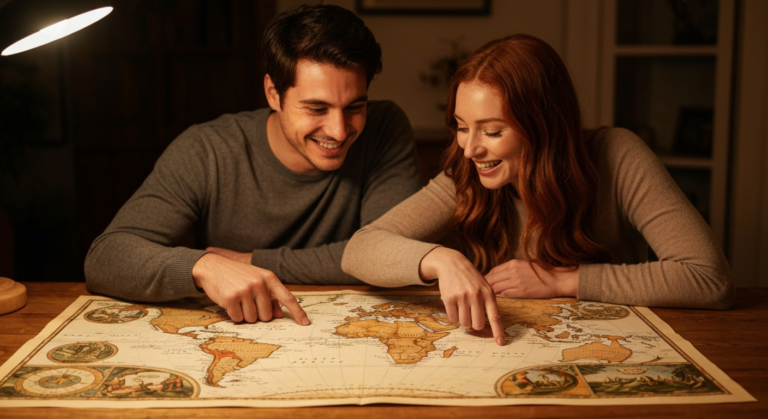
Before the ubiquity of travel apps and instant online comparisons, planning a trip in 2000 often began with a visit to a travel agent. These professionals were the go-to source for booking flights, hotels, and package deals. Brochures filled with glossy images were a primary source of inspiration.
Research involved guidebooks, like those from Lonely Planet or Fodor’s, which were dog-eared and well-loved. Libraries and bookstores were essential for gathering information about destinations, cultures, and local attractions. The internet was available, but its speed and accessibility were limited for many.
Popular Destinations: Where Everyone Went
In 2000, classic European cities remained incredibly popular. Paris, Rome, and London continued to draw millions with their rich history and iconic landmarks. The Caribbean islands were a top choice for beach holidays, offering relaxation and vibrant culture.
Closer to home, destinations like Florida’s theme parks and California’s national parks saw steady streams of visitors. Emerging markets were also gaining traction, with places like Thailand and Costa Rica starting to attract adventurous travelers seeking unique experiences. People sought a mix of familiar comfort and exciting new horizons.
Technology’s Early Footprint on Travel
While not as dominant as it is today, technology certainly began to make its presence felt in “travel 2000”. It was a period of exciting, albeit slow, innovation that hinted at the digital revolution to come. The tools travelers used were a far cry from the sophisticated gadgets we rely on now.
This era represented the very beginning of the internet’s influence on how we plan and experience journeys. It laid the groundwork for the hyper-connected travel world of today.
The Rise of Online Booking (Early Days)
The concept of booking travel online was still in its infancy in 2000. Websites like Expedia and Travelocity were pioneers, offering a novel way to search for flights and hotels from a home computer. However, these platforms were often clunky, slow, and not yet trusted by everyone.
Many still preferred the personal touch of a travel agent. The internet offered a new avenue for price comparison, though the sheer volume of options and instant booking confirmations we expect today were not yet standard. It was a brave new world for early adopters.
Communication on the Go
Mobile phones in 2000 were primarily for calls, with SMS messaging just gaining popularity. Smartphones, as we know them, did not exist. Travelers relied on international calling cards, payphones, or hotel landlines to stay in touch with loved ones.
Email was a common way to communicate, often accessed through internet cafes found in major cities or tourist hubs. Staying connected required more effort and planning, which often led to a greater sense of unplugged immersion during trips.
How Travel Experiences Differed
The very essence of a travel experience in 2000 felt distinct from our current reality. With fewer digital distractions and less instant gratification, journeys often unfolded with a different rhythm and a heightened sense of discovery. The focus was often more on the journey itself, rather than just the destination.
This period offered a unique blend of self-reliance and reliance on local knowledge. It fostered a particular kind of traveler, one who embraced the unknown with a sense of adventure.
The Art of Packing and Preparation
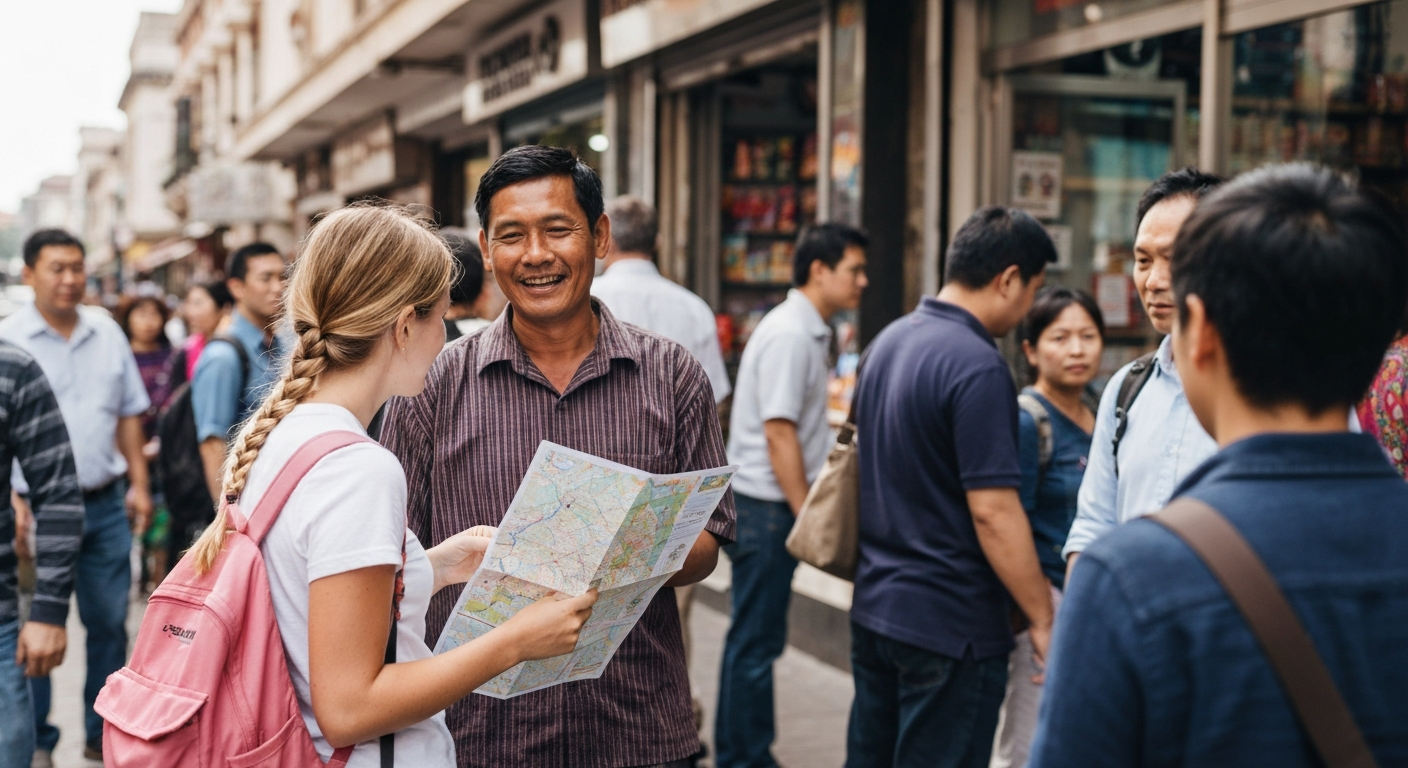
Packing for a trip in 2000 involved careful consideration, often without the benefit of instant access to weather apps or detailed destination guides on a phone. Paper maps were essential, often folded and refolded until they wore thin. Guidebooks provided crucial information on local customs, phrases, and attractions.
Digital cameras were just becoming affordable for the average consumer, but many still packed disposable cameras or film SLRs. Luggage allowance was less restrictive on flights, and security checks were generally quicker and less invasive than they are today.
Navigating Unknowns: Less Connected, More Discovery
Imagine arriving in a new city without Google Maps or instant translation apps. This was the reality for travelers in 2000. Navigating meant asking locals for directions, deciphering street signs, and relying on the kindness of strangers. This often led to unexpected detours and serendipitous discoveries.
The lack of constant digital connection meant travelers were more present in their surroundings. They engaged more directly with local people and relied more on their own observations and instincts. It was an era where getting a little lost was part of the adventure.
Economic and Social Impact on Travel 2000
The economic climate and prevailing social attitudes of the time significantly shaped “travel 2000”. It was a period marked by relative global stability, which influenced both the accessibility and the nature of international travel.
The turn of the millennium also brought a growing awareness of different cultures, encouraging more people to explore beyond their borders. This era helped to foster a globalized mindset, even before the full impact of the internet.
Affordability and Accessibility
For many, travel in 2000 was becoming more accessible than ever before. The rise of budget airlines was still in its early stages but gaining momentum, offering more affordable flight options. Package holidays remained a popular and cost-effective way to see the world.
The global economy was generally strong, allowing more people to save for and afford international trips. This increased accessibility broadened the demographic of travelers, moving beyond just the affluent.
Cultural Exchange and Global Awareness
Travel in 2000 played a significant role in fostering cultural exchange. Travelers sought to experience authentic local life, often leading to deeper interactions with communities. This contributed to a growing global awareness and understanding between different societies.
“The millennium offered a unique moment for people to connect globally. Travel became a bridge, allowing individuals to witness different cultures firsthand and broaden their perspectives in a world just beginning to truly shrink.” – *Dr. Eleanor Vance, Cultural Anthropology Professor*
The absence of pervasive social media meant experiences were often shared more intimately, through postcards, photo albums, and personal anecdotes, rather than instant online posts.
Looking Back: Lessons from Travel in 2000
Reflecting on “travel 2000” from our vantage point in 2026 offers valuable insights. It highlights how much has changed, but also what timeless aspects of travel remain important. The spirit of adventure and discovery endures, even as the tools we use evolve.
This nostalgic look reminds us that while technology enhances convenience, it can also sometimes detract from the raw, unfiltered experience of exploration.
The Value of Simplicity
One of the most striking lessons from travel in 2000 is the value of simplicity. Without constant digital demands, travelers often experienced a greater sense of freedom and presence. The focus was on the destination itself, the people encountered, and the personal journey.
It reminds us that sometimes, disconnecting from the digital world can lead to a richer, more meaningful travel experience. The thrill of genuine discovery, rather than curated perfection, was often paramount.
Anticipating Future Trends (from the perspective of 2000)
Looking forward from 2000, the future of travel seemed full of possibilities. While few could have predicted the exact trajectory of smartphones and social media, the seeds of digital transformation were clearly sown. There was an anticipation of faster, more efficient travel, and greater access to information.
However, the human desire for authentic experiences, connection, and adventure remains constant. The core motivations for travel in 2000 are not so different from today, even if the methods have changed dramatically.
Comparison Table: Travel Planning Then (2000) vs. Now (2026)
| Feature | Travel 2000 | Travel 2026 |
| **Booking** | Travel agents, phone calls, early websites | Online apps, direct airline/hotel websites |
| **Information** | Guidebooks, travel agents, library, early web | Smartphones, blogs, social media, AI assistants |
| **Navigation** | Paper maps, asking locals | GPS apps, digital maps, real-time updates |
| **Communication** | Payphones, calling cards, internet cafes | Smartphones, video calls, instant messaging |
| **Photography** | Film cameras, early digital cameras | Smartphone cameras, professional DSLRs |
| **Security** | Generally less stringent (pre-9/11) | Enhanced, multi-layered security checks |
| **Connectivity** | Limited, intentional “unplugging” | Constant, expected, often Wi-Fi dependent |
| **Spontaneity** | Higher likelihood of unplanned discoveries | Easier to plan on the fly with real-time data |
Conclusion
Traveling in the year 2000 was a truly unique experience, standing as a bridge between the analog past and the digital future. It was a time when anticipation built slowly, discoveries felt more personal, and human interaction was often the primary navigation tool. From visiting travel agents to deciphering paper maps, every step of the journey carried a distinct charm.
As we reflect from 2026, the era of “travel 2000” reminds us of the enduring human desire to explore, adapt, and connect. While technology has undeniably transformed how we travel, the core elements of adventure, cultural immersion, and creating lasting memories remain timeless. It’s a valuable reminder that the best parts of any journey often lie beyond the screen, in the real-world experiences we embrace.
Frequently Asked Questions About Travel 2000
Q1: What was the biggest challenge for travelers in 2000?
A1: One of the biggest challenges was the lack of instant information and communication. Travelers had to rely more on guidebooks, paper maps, and local interactions, making spontaneous changes or getting help more difficult than today.
Q2: How did people book flights and hotels in 2000?
A2: Most people booked flights and hotels through traditional travel agents, over the phone directly with airlines or hotels, or by using early, slower versions of online travel websites like Expedia or Travelocity.
Q3: Was international travel common in 2000?
A3: Yes, international travel was common and growing in popularity. With a strong global economy and emerging budget travel options, more people were able to explore destinations beyond their home countries.
Q4: What role did the Y2K scare play in travel plans?
A4: While the Y2K bug caused some initial apprehension, leading a few to delay travel, its actual impact on travel systems was minimal. Most people proceeded with their plans, often with a sense of relief once the new year passed without major issues.
Q5: How did airport security in 2000 compare to today?
A5: Airport security in 2000 was significantly different and generally less stringent than it is today. Passengers could often carry more items, and security checks were quicker and less invasive, reflecting the pre-9/11 era.