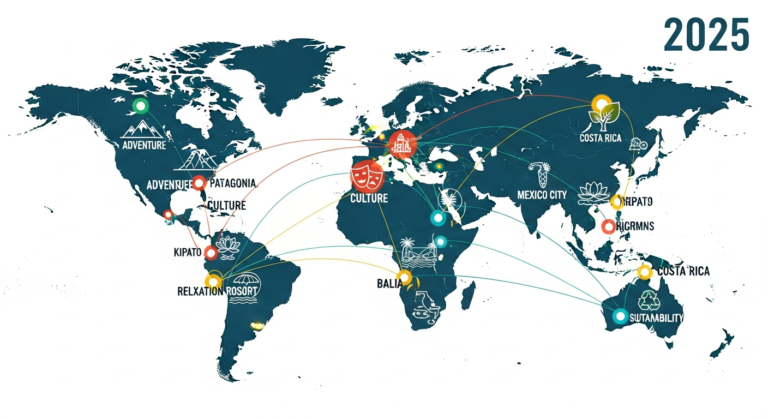
Travel 2026: Unpacking the Top Trends Shaping Your Next Adventure
As we stand in March 2026, the world of travel has transformed dramatically, moving beyond recovery into an era of innovation and conscious exploration. Travelers are no longer just seeking destinations; they are pursuing experiences that resonate deeply with their values and personal aspirations. This year marks a pivotal moment, characterized by a blend of technological advancements, a renewed focus on sustainability, and an insatiable desire for authentic connections.
From the way we plan our journeys to the very nature of our destinations, 2026 is redefining what it means to travel. We are seeing a shift towards more meaningful, personalized, and impactful adventures, driven by a global community of explorers eager to experience the world in new and responsible ways. Understanding these emerging trends is key to navigating the exciting landscape of travel in the years to come.
Key Takeaways: Your 2026 Travel Insights
- Sustainability First: Eco-conscious decisions now guide destination and activity choices, with travelers actively seeking out regenerative tourism options.
- Hyper-Personalized Journeys: AI and advanced data analytics are crafting bespoke itineraries, ensuring every trip perfectly matches individual preferences and interests.
- Digital Nomad & ‘Bleisure’ Evolution: Remote work continues to fuel longer stays and blended business-leisure trips, transforming traditional travel patterns.
- Wellness & Transformative Experiences: Mental and physical rejuvenation, alongside profound cultural immersion, are central to many travel motivations.
- Seamless Tech Integration: Biometrics, contactless services, and virtual reality tools are making travel smoother, safer, and more accessible than ever before.
The Rise of Sustainable & Regenerative Tourism
Sustainability is no longer a niche concept but a fundamental expectation for travelers in 2026. A growing awareness of environmental impact and the desire to support local communities are driving significant changes in travel choices. This shift is reshaping everything from accommodation options to tour operators.
Travelers are actively seeking out experiences that not only minimize harm but also contribute positively to the places they visit. This includes choosing eco-certified hotels, supporting local businesses directly, and participating in conservation efforts. The focus is on leaving a place better than one found it.
Eco-Conscious Choices
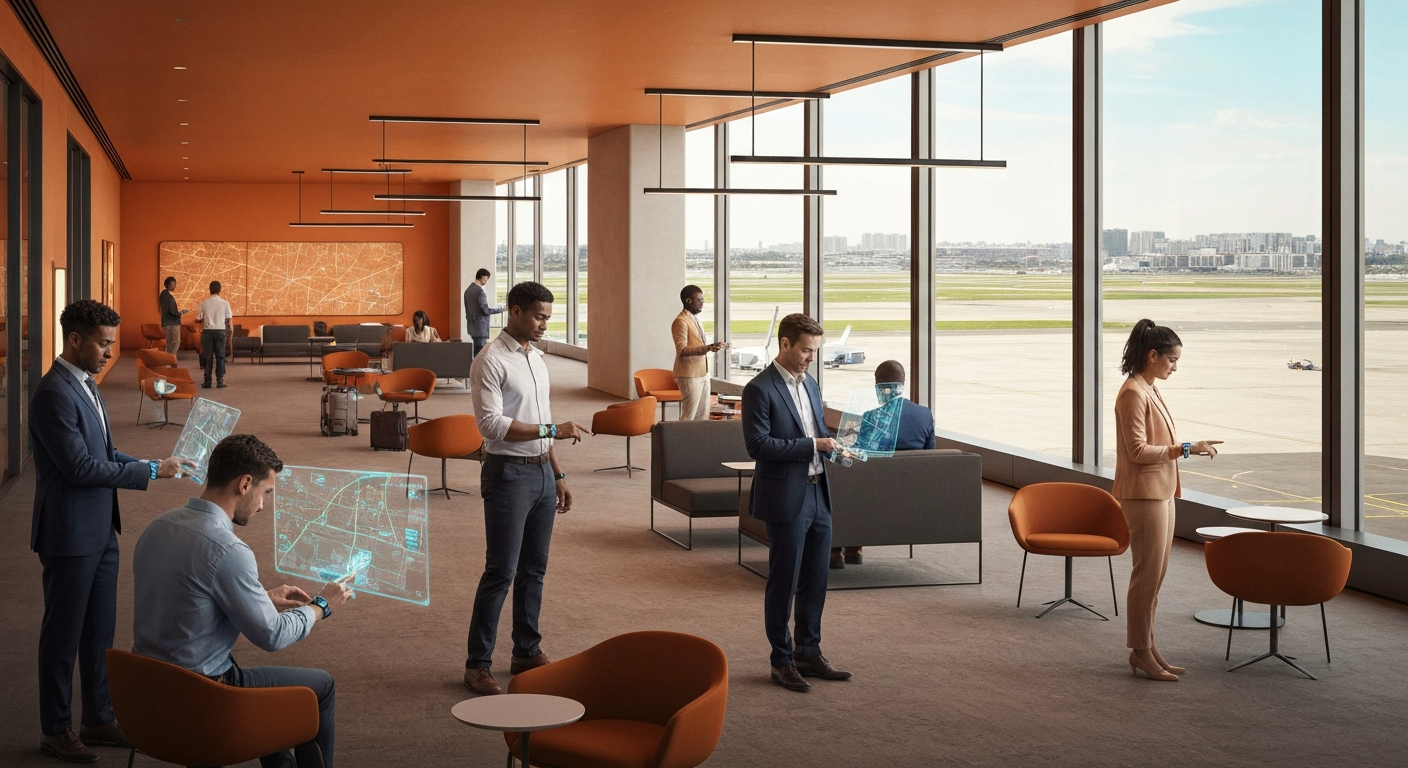
Many travelers are now prioritizing destinations and service providers with strong environmental credentials. This means looking for certifications, understanding a company’s carbon footprint, and opting for responsible transportation methods. The demand for transparent, green travel options is at an all-time high.
Local Immersion & Community Support
The desire to connect authentically with local cultures and economies is stronger than ever. Travelers want to understand local traditions, taste authentic cuisine, and ensure their spending directly benefits the people and businesses of the destination. This fosters a more enriching experience for both visitors and hosts.
Hyper-Personalization: Your Journey, Your Rules
In 2026, generic package tours are increasingly a thing of the past. The demand for highly individualized travel experiences has surged, fueled by technological advancements and a generation of travelers who value uniqueness. Every journey is now seen as an extension of one’s personal identity.
This personalization extends beyond just choosing a destination; it involves tailoring every aspect of the trip, from dining preferences and activity levels to specific interests like art history or extreme sports. Travelers expect their trips to be as unique as they are, crafted to their exact specifications.
AI-Powered Itineraries

Artificial intelligence is revolutionizing how we plan trips. AI-powered platforms can analyze vast amounts of data—from past travel history and social media activity to real-time weather and local events—to suggest hyper-personalized itineraries. These tools offer recommendations that feel intuitive and perfectly aligned with individual desires, often uncovering hidden gems.
Niche Travel Experiences
The market for niche travel is booming. Whether it’s a culinary tour focused on specific regional cheeses, a photography workshop in remote landscapes, or a historical deep-dive into ancient civilizations, travelers are seeking experiences tailored to their very specific passions. This trend allows for deeper engagement and more memorable adventures.
The Digital Nomad & Blended Travel Revolution
The global shift towards remote work has fundamentally altered the landscape of travel, giving rise to an expansive digital nomad community and transforming the concept of
traditional vacations. No longer confined to a single office, professionals are blending work and leisure, extending trips, and exploring new cultures while maintaining their careers. This ‘bleisure’ trend is not just for the young; it’s a mainstream phenomenon embraced by all age groups seeking a more flexible and integrated lifestyle. Destinations and accommodations are adapting rapidly, offering co-working spaces, long-stay discounts, and robust internet infrastructure to cater to this growing segment. The line between working and vacationing has blurred, creating a new paradigm for global exploration. Many countries are even introducing specific visas to attract digital nomads, recognizing the economic benefits they bring. This revolution is fostering a more nomadic, yet deeply connected, global community. Destinations that once relied on short-term tourism are now investing in amenities that support long-term stays, from community events to specialized services for remote workers. This shift encourages deeper engagement with local cultures and economies, moving beyond superficial tourist interactions. The flexibility offered by remote work means travelers can often avoid peak seasons, leading to more sustainable tourism distribution and a better experience for everyone. It’s about living a global life, not just visiting.## Wellness & Transformative ExperiencesBeyond mere relaxation, travelers in 2026 are increasingly seeking journeys that offer profound personal growth, mental rejuvenation, and physical well-being. The focus has shifted from passive leisure to active engagement with one’s health and inner self. This trend encompasses everything from silent retreats in remote natural settings to adventure trips designed to push personal boundaries, and cultural immersions aimed at broadening perspectives. Destinations are responding by offering tailored wellness programs, incorporating local healing traditions, and creating environments conducive to introspection and renewal. Transformative travel is about returning home not just rested, but fundamentally changed, with new insights and a refreshed outlook on life. This can involve anything from a yoga retreat in Bali to a spiritual journey through the Himalayas, or even a volunteer trip that connects travelers with meaningful causes. The emphasis is on holistic well-being, addressing mind, body, and spirit.### Mindful Escapes & RetreatsThe demand for destinations that offer peace, quiet, and opportunities for mindfulness has soared. Travelers are looking for places where they can disconnect from the digital world and reconnect with themselves and nature. This includes bespoke meditation retreats, forest bathing experiences, and wellness resorts that integrate holistic therapies with stunning natural surroundings. The goal is often stress reduction, mental clarity, and emotional balance.### Adventure & Self-DiscoveryFor many, wellness also means pushing physical and mental limits through adventure. Trekking challenging trails, embarking on multi-day cycling tours, or participating in wilderness survival courses are popular choices. These experiences are not just about physical activity but about building resilience, fostering self-reliance, and gaining a deeper appreciation for the natural world. The sense of accomplishment derived from these journeys contributes significantly to overall well-being.## Seamless Tech Integration: The Future is NowTechnology is no longer just a tool for booking travel; it’s an invisible hand guiding and enhancing every step of the journey in 2026. From the moment a trip is conceived to the final return home, advanced tech solutions are making travel smoother, safer, and more intuitive. Biometric scanning, AI-powered concierge services, virtual reality previews, and contactless payment systems are becoming standard, streamlining processes and reducing friction. This integration aims to remove hassles, allowing travelers to focus entirely on the experience itself. The goal is an effortless journey, where technology works silently in the background to anticipate needs and resolve issues before they arise.### Biometrics & Contactless TravelAt airports, hotels, and even tourist attractions, biometric identification (such as facial recognition) is significantly speeding up check-ins, security screenings, and access points. This, combined with widespread contactless payment options and digital health passes, minimizes physical contact and queues, making travel more efficient and hygienic. The convenience and security offered by these technologies are transforming the traveler experience.### Virtual Reality & Augmented RealityVR and AR are revolutionizing how we plan and experience travel. Before booking, travelers can virtually explore destinations, hotels, and attractions, getting an immersive preview that helps them make informed decisions. During a trip, AR apps can provide real-time information about landmarks, translate languages, or offer interactive guided tours, enriching the on-the-ground experience without needing a physical guide. These tools bridge the gap between imagination and reality, offering unparalleled insights.## ConclusionTravel in 2026 is a vibrant tapestry woven with threads of sustainability, personalization, wellness, and cutting-edge technology. It’s a landscape where conscious choices guide adventures, where every journey is a bespoke narrative, and where the pursuit of well-being intertwines with the thrill of discovery. The era of generic tourism has definitively ended, giving way to an age of meaningful exploration. As travelers increasingly seek to align their adventures with their values, the industry is responding with innovative solutions that promise not just memorable trips, but truly transformative experiences. The future of travel is not just about where we go, but how we go, and the profound impact these journeys have on us and the world around us. Embrace these trends, and your next adventure in 2026 will undoubtedly be richer, more responsible, and deeply personal.## FAQ### Q1: What is regenerative tourism, and how is it different from sustainable tourism?Regenerative tourism goes beyond simply minimizing negative impacts (sustainable tourism) to actively contributing positively to the environment and local communities. It focuses on leaving a place better than it was found, often involving travelers in conservation efforts, community development, and cultural preservation initiatives.### Q2: How will AI personalize my travel experience in 2026?AI platforms in 2026 analyze your past travel history, preferences, social media activity, and real-time data to create highly customized itineraries. They can suggest unique destinations, activities, dining options, and even accommodations that perfectly match your interests and travel style, often uncovering hidden gems you wouldn’t find otherwise.### Q3: What is ‘bleisure’ travel?Bleisure travel is the blending of business and leisure trips. With the rise of remote work, professionals are extending business trips or choosing destinations where they can work remotely for a period, allowing them to explore new places and cultures while maintaining their professional responsibilities.### Q4: Are there specific visas for digital nomads in 2026?Yes, many countries have introduced or expanded digital nomad visa programs to attract remote workers. These visas typically offer legal residency for a specific period, allowing individuals to live and work remotely from the host country, often requiring proof of income and health insurance.### Q5: How is technology making travel safer in 2026?Technology enhances safety through several means, including widespread use of biometric identification for faster and more secure airport processes, contactless payment systems that reduce physical interactions, and advanced real-time tracking and communication tools for emergency situations. Digital health passes also contribute to public health safety by streamlining health verification processes.