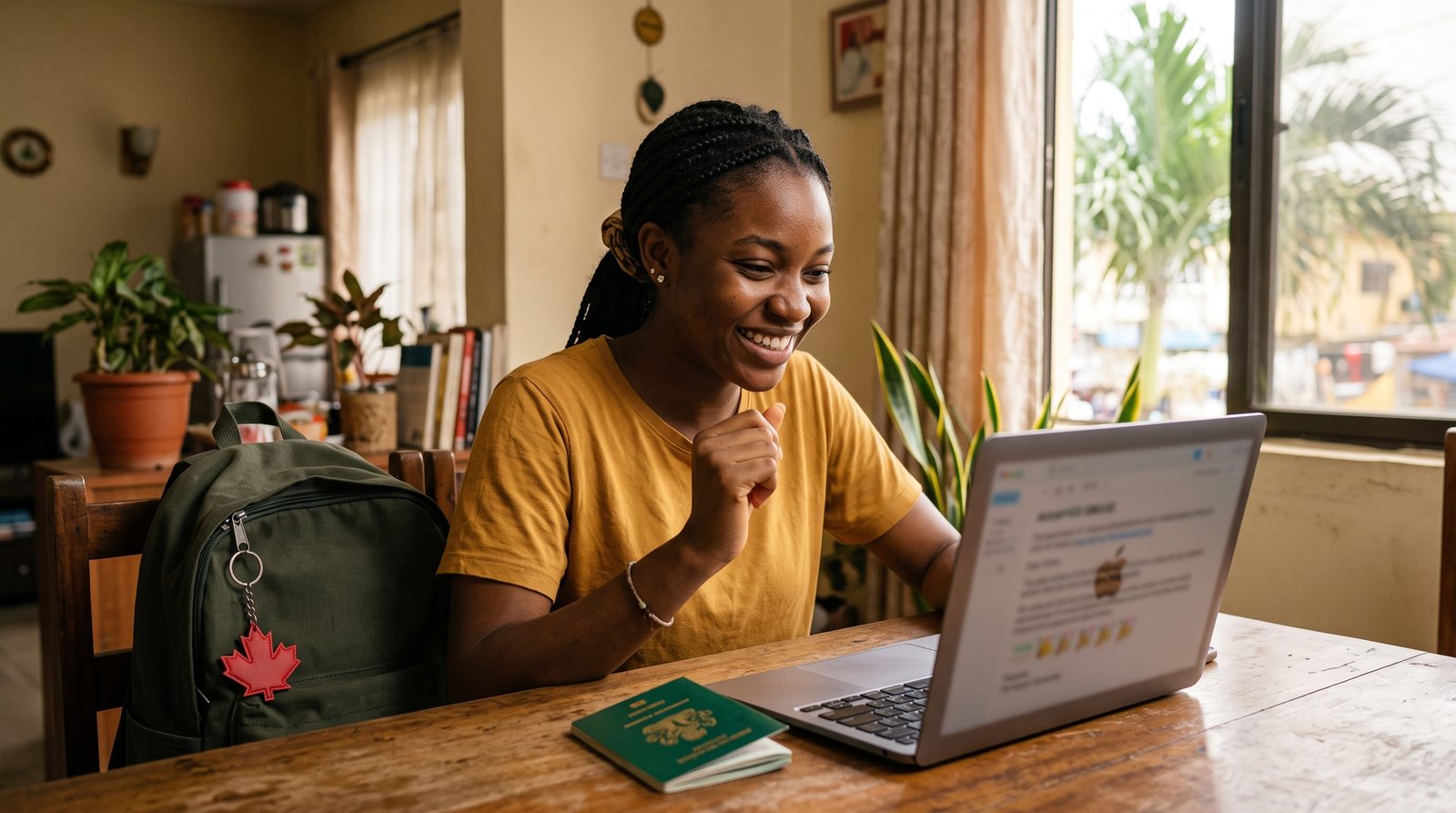

Canada remains one of the most-wanted destinations from Nigeria — and one of the most misunderstood since the shortcuts died. The Nigeria Student Express and SDS fast-track programs were permanently discontinued in November 2024; every Nigerian application now runs through the standard streams, decided entirely on documents. The visitor visa costs CAD $100 plus $85 biometrics, the study permit demands roughly CAD $22,900 in proven living funds, and Nigerian files face some of the toughest scrutiny of any applicant pool. Here’s the honest 2026 process — where to apply, what the officers actually verify, and how prepared applicants still get approved every day.
Verified against IRCC guidance and current reporting as of August 2026. Fees and figures change — canada.ca is the authoritative source. Not legal advice.
Part of our complete Nigeria visa & travel hub — passport, US & UK & Canada routes, visa-free travel, and working abroad.
The Basics: Fees, Centres, Process
| Item | Detail |
|---|---|
| Visitor visa (TRV) | CAD $100 + CAD $85 biometrics ≈ CAD $185 all-in (~₦222,000) |
| Study permit | CAD $150 + biometrics; entry visa issued automatically with approval |
| How to apply | 100% online via the IRCC portal — paper applications are gone |
| Biometrics | VFS Global Lagos (Victoria Island) or Abuja (Wuse 2) — fingerprints only; valid 10 years |
| Processing | Check IRCC’s weekly processing-times tool — Nigerian files route through the regional visa office and often run longer than global averages; budget generously |
The Study Permit After NSE: What Changed
The fast-track era is over — and its ghost still causes refusals, because outdated guides cite old fund amounts. The 2026 reality:
- DLI acceptance letter — verify the school’s designated-learning-institution number on canada.ca before paying any deposit.
- Provincial Attestation Letter (PAL/TAL) — required for most applicants under Canada’s student caps (Quebec issues a CAQ, with its own higher financial thresholds since January 2026). Your school triggers it after you accept and pay; master’s and PhD applicants are largely exempt — a genuine opening for graduate-level Nigerians.
- Proof of funds — the file-killer: roughly CAD $22,900 in living costs for a single applicant (since September 2025), plus first-year tuition and travel. Show it through paid tuition receipts, a Canadian GIC, education loans, or four months of consistent statements — a documented sponsor with credible finances beats an unexplained balance.
- A study plan that adds up — the statement of purpose must connect your past, the program, and your future honestly. Career-switch applications into unrelated diplomas trigger the “genuine student” doubt that sinks thousands of Nigerian files.
The Visitor Visa: Paper Persuasion
No interview — the officer reads your file and decides whether you’ll leave Canada when your stay ends. Nigerian visitor refusal rates run high (third-party analyses put them anywhere from roughly a third to nearly half, well above global averages), and the reasons repeat: unconvincing purpose, unverifiable employment, and financial stories that don’t hold. Three Nigeria-specific realities:
- Employer verification happens. Officers call and check registries — a letter from a company that can’t be verified reads as fraud even when you’re genuinely employed. Use official letterhead, real contact lines, and warn your HR that a call may come.
- The ties file wins cases: employment tenure, CAC business documents, property, dependants in school, prior travel with clean returns — the same dossier that carries UK applications.
- Refusals aren’t bans. You lose the fees, but reapplying with the officer’s stated concerns actually fixed succeeds regularly. Request the officer’s notes (GCMS) if the refusal reasons seem vague — they’re more specific than the letter.
Timelines, Biometrics & Planning
Three rules carry every Nigerian application: biometrics last 10 years, so a prior Canadian application may spare you the VFS trip (check your IRCC account); apply 3–4 months before a study program starts — the PAL queue runs ahead of IRCC’s own; and never buy non-refundable tickets before approval. After approval, follow the passport-request instructions promptly — and carry your acceptance letter and funds evidence when you land, because the border officer makes the final admission decision, not the visa office.
Beyond Visiting and Studying
Canada’s Express Entry remains the standout for skilled Nigerians: permanent residence by points, no job offer required for many candidates, with targeted draws for healthcare workers, STEM professionals, and trades. Nurses should pair it with the registrar-by-registrar nursing map (NCLEX is sittable in Lagos and Abuja), and every route starts with a valid Nigerian passport — permits can’t outlive it.
Frequently Asked Questions
How much is a Canada visa from Nigeria?
CAD $100 application plus CAD $85 biometrics — about CAD $185 (~₦222,000) per adult for the visitor visa. Study permits cost CAD $150 plus biometrics.
Is the Nigeria Student Express still available?
No — NSE and SDS were permanently discontinued on November 8, 2024. All Nigerian students apply through the standard study-permit stream now; guides promising “20-day fast-track processing” are outdated.
How much bank balance do I need for a Canada study permit?
Roughly CAD $22,900 in living funds for a single applicant (since September 2025) plus first-year tuition and travel — with four months of credible statements or equivalents behind it. Quebec requires more.
Where do I give biometrics for Canada in Nigeria?
VFS Global in Lagos (Victoria Island) or Abuja (Wuse 2) — biometrics only; the application itself is fully online via IRCC. Biometrics remain valid for 10 years.
Why are Canadian visa refusal rates high for Nigerians?
Mostly evidence quality: unverifiable employment letters, funds that appear suddenly, and vague purpose. Verified documents, consistent finances, and a coherent story flip the odds — refusals aren’t permanent bars.
How long does a Canada visa take from Nigeria?
It varies too much to quote — check IRCC’s processing-times tool, which updates weekly. Nigerian files often run months rather than weeks; apply well ahead and book biometrics immediately.
Sources
- IRCC — study permits and proof of financial support
- IRCC — visit Canada (TRV)
- IRCC — processing times tool
Disclaimer: General information verified as of August 2, 2026, not legal advice. IRCC figures update regularly — canada.ca is the final word.
Get visa, passport, and travel-planning guides like this one sent straight to your inbox — plus first access to new country guides and scholarship roundups.