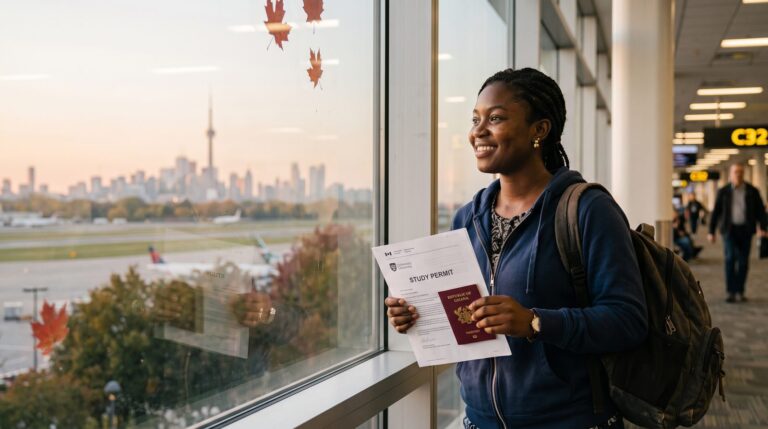

Canada’s farm sector relies heavily on foreign labor, and unlike many other work-visa routes, agricultural work has two dedicated, well-established pathways: the Seasonal Agricultural Worker Program (SAWP) and the agricultural stream of the Temporary Foreign Worker Program (TFWP). Here’s how both actually work, what they pay in 2026, and how to find an employer willing to sponsor you.
SAWP vs. TFWP Agricultural Stream: What’s the Difference?
- SAWP is open only to citizens of Mexico, Jamaica, Trinidad and Tobago, Barbados, and OECS nations. Contracts run roughly 8 months per year, employers must provide free housing, and round-trip transportation is covered.
- TFWP Agricultural Stream is open to citizens of any country. It covers crop production, animal husbandry, nurseries, greenhouses, livestock, aquaculture, and farm equipment operation. Employers must first get a Labour Market Impact Assessment (LMIA) approved before they can hire.
How the Application Actually Works
If you’re SAWP-eligible: register through your home country’s designated labor agency, meet the eligibility criteria (farm experience, health clearance, a clean record), and the agency matches you with an employer. Once matched, you apply for your Canadian work permit with your employment contract and passport, and your employer arranges transportation.
If you’re applying through the TFWP agricultural stream: search job postings on the Government of Canada Job Bank and apply directly to employers seeking foreign workers. The employer handles the LMIA process — advertising the role to Canadian workers first, then submitting wage and recruitment documentation to Employment and Social Development Canada (ESDC) for approval. Once approved, you get a job offer letter and LMIA reference number to apply for your work permit through IRCC. Processing time varies by country of citizenship, typically ranging from several weeks to several months.
Finding an Employer Willing to Sponsor You
- Agricultural job boards. Look for listings that explicitly mention LMIA, SAWP, or Temporary Foreign Worker Program — and note that listings mentioning included housing usually indicate an employer experienced with international hiring.
- Licensed recruiters. Work only with recruiters authorized by Employment and Social Development Canada, and verify their credentials through provincial registries first. Never work with a recruiter who asks you for an upfront fee.
- Direct outreach. Contact farms directly, highlight your experience, and be upfront that you’ll need sponsorship. Larger operations, or ones with a track record of hiring internationally, are your best bet.
2026 Wage Ranges
| Role | Hourly Wage (CAD) |
|---|---|
| General farm workers | $15.00–$18.50 |
| Greenhouse workers | $15.50–$19.00 |
| Livestock workers | $16.00–$20.00 |
| Equipment operators | $18.00–$24.00 |
| Farm supervisors | $18.00–$25.00 |
Employers sometimes absorb LMIA fees outright, or negotiate cost-sharing with incoming workers — but workers generally cover their own work permit application fees, so budget for that separately.
Turning Farm Work Into a Path to Permanent Residency
Farm work doesn’t have to be a dead end once your permit expires. A few real pathways to permanence exist:
- Agri-Food Immigration Pilot — requires 12 months of full-time Canadian work experience, CLB 4 language scores, and a valid job offer.
- Provincial Nominee Programs — several provinces run dedicated agri-food streams.
- Canadian Experience Class — available for supervisory or technical roles after 12 months of Canadian work experience.
If Canada doesn’t end up being the right fit, it’s worth comparing your options broadly — see our breakdown of work and study pathways in other top destination countries, or check where your current passport already gives you a head start with our 2026 passport strength rankings.
Sources: FarmingJobs.ca, WelcomeAide.
Official sources to check before you apply or travel
- Immigration, Refugees and Citizenship Canada (IRCC)
- GOV.UK foreign travel advice (entry requirements by country)
- U.S. State Department travel advisories
Visa rules, fees, processing times and entry requirements change often. Always confirm the current requirements on the official government website, or with the embassy or consulate, before you apply, pay or travel. One Visa Center is an independent information site, not a law firm or government agency, and this article is not legal advice. Read how we research, fact-check and use AI tools in our Editorial Policy.
Get visa, passport, and travel-planning guides like this one sent straight to your inbox — plus first access to new country guides and scholarship roundups.