Los Angeles Travel Advisory 2026: Your Essential Guide to a Safe Visit
Welcome to the City of Angels! Los Angeles, a global hub of entertainment, culture, and innovation, continues to beckon millions of visitors each year. As of March 27, 2026, the vibrant metropolis is open and eager to host travelers from around the world. However, like any major destination, staying informed about local conditions, health guidelines, and safety advisories is key to ensuring a smooth and enjoyable trip. This comprehensive guide provides you with the latest insights into traveling to LA, helping you navigate your visit with confidence and peace of mind.
Preparing for your Los Angeles adventure means more than just packing your bags. It involves understanding the current travel landscape, knowing where to find reliable information, and adopting smart safety practices. Our aim is to equip you with all the necessary knowledge to make your 2026 LA experience truly unforgettable, free from unnecessary worries. Dive in to discover everything you need to know for a secure and exciting journey.
Key Takeaways for Your LA Trip
- Stay Informed Daily: Always check official local and national government websites for the most current travel advisories and health updates right before and during your trip.
- Health Preparedness: Carry personal hygiene essentials, stay hydrated, and know the locations of urgent care facilities or hospitals near your accommodations.
- Smart Transportation Choices: Research public transit options, ride share services, and rental car availability in advance, considering traffic patterns and parking.
- Personal Safety First: Be aware of your surroundings, protect your valuables, and avoid walking alone in unfamiliar or poorly lit areas late at night.
- Respect Local Guidelines: Adhere to all local laws, community rules, and etiquette to ensure a respectful and harmonious interaction with residents and the environment.
Understanding LA’s Current Travel Landscape (March 2026)
Los Angeles thrives on its diverse communities and bustling attractions. The city is continually evolving, with new developments and ongoing efforts to enhance visitor experiences. As you plan your visit, it is helpful to have a clear picture of the general conditions you will encounter.
General Safety and Security
Overall, Los Angeles remains a safe destination for tourists. Local authorities are committed to maintaining public safety across all neighborhoods and popular tourist zones. You will find visible security measures in place at major attractions, transportation hubs, and event venues. It is always wise to exercise standard precautions, just as you would in any large urban environment. Being mindful of your belongings and surroundings contributes significantly to a trouble free visit.
Health and Wellness Considerations
Public health remains a priority in Los Angeles. While many of the stricter health protocols of previous years have been relaxed, local health departments continue to monitor public health trends. Travelers are encouraged to practice good hygiene and be mindful of their personal health. If you feel unwell, it is always best to seek medical advice promptly. Information on local healthcare providers is readily available through hotel staff or online searches.
Transportation and Infrastructure Updates
Los Angeles boasts an extensive network of freeways, public transit, and ride sharing services. Significant investments have been made in public transportation infrastructure, including expanded metro lines and improved bus services, aiming to reduce traffic congestion and enhance accessibility. Travelers should anticipate varying levels of traffic, especially during peak hours, and plan their commutes accordingly. Always check real time traffic apps and public transit schedules for the most accurate information.
Official Sources for LA Travel Information
Reliable information is your best friend when traveling. Always prioritize official government and public health websites for the most accurate and up to date Los Angeles travel advisory information. Here are some key sources you should consult:
- Los Angeles County Department of Public Health: For specific health directives, local disease prevalence, and health recommendations within the county.
- City of Los Angeles Official Website: Provides general city services, local news, and community advisories.
- California Office of Emergency Services (CalOES): Offers statewide emergency alerts and preparedness information.
- U.S. Department of State Travel Advisories: While general for international travel, it can offer broad safety context relevant to U.S. cities for international visitors.
- Centers for Disease Control and Prevention (CDC): Provides national health guidance and recommendations for travelers.
“The cornerstone of responsible travel is staying informed. Always cross reference information from multiple official sources to ensure you have the most accurate picture of your destination’s current conditions.”
Navigating Public Health Guidelines
As of March 2026, Los Angeles has largely returned to pre pandemic operational norms. However, a continued emphasis on personal responsibility for health is encouraged. Understanding current public health guidelines helps protect both yourself and the community you are visiting.
Current Health Recommendations
Travelers are advised to continue practicing good hand hygiene, such as frequent handwashing or using hand sanitizer. While mask mandates are generally not in effect, individuals are welcome to wear masks in public spaces if they feel more comfortable doing so. If you experience symptoms of illness, it is recommended to self isolate and seek medical attention to prevent further spread.
Local Healthcare Access
Los Angeles offers world class healthcare facilities. In case of an emergency, dial 911 immediately. For non emergency medical needs, urgent care centers and pharmacies are widely available across the city. Many hotels can also provide recommendations for nearby medical services. It is wise to have travel insurance that covers medical emergencies and to know your policy details before you depart.
Safety Tips for Exploring Los Angeles
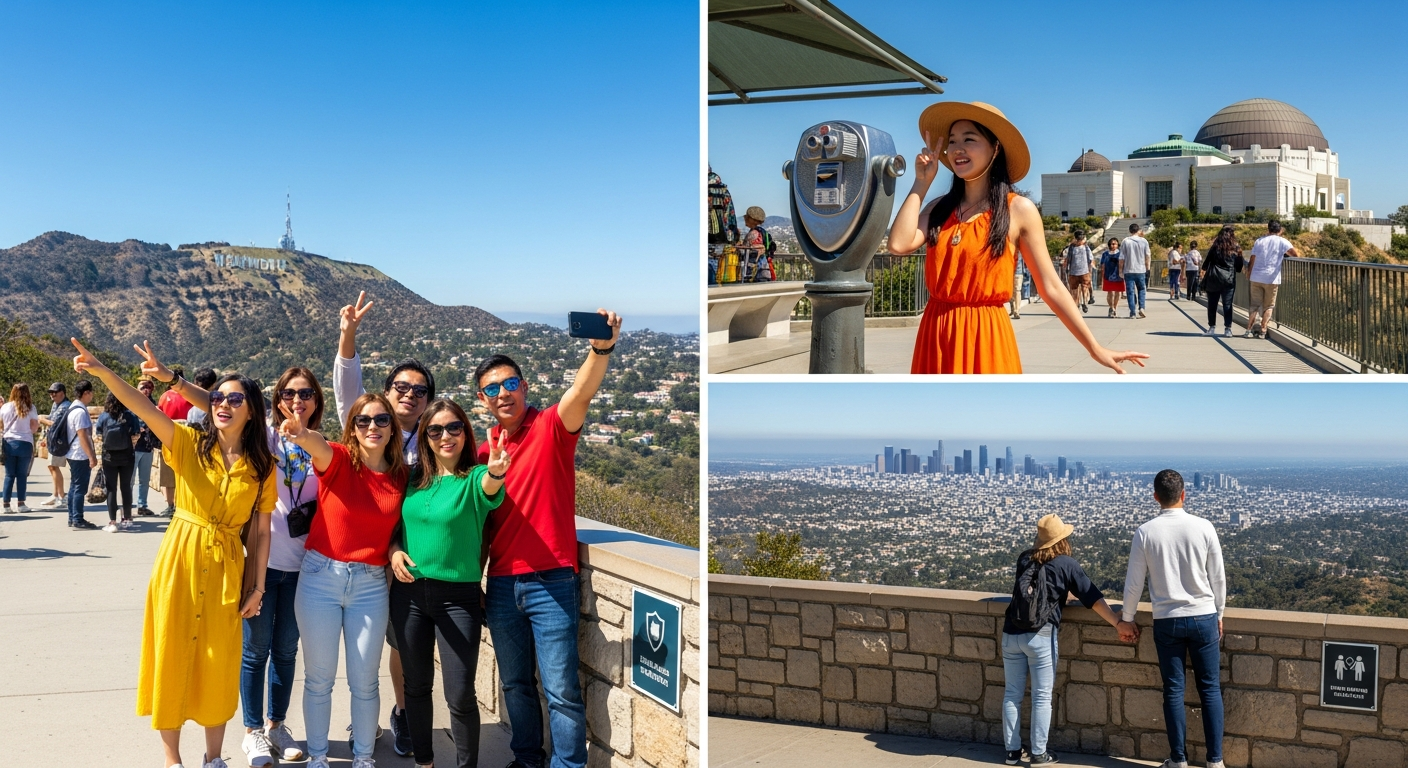
Exploring Los Angeles is an exciting experience, with endless attractions from Hollywood to the beaches. To ensure your adventures are safe and enjoyable, keep these practical tips in mind.
- Keep valuables out of sight and secure. Use hotel safes for important documents and excess cash.
- Be aware of your surroundings, especially in crowded tourist areas and on public transportation.
- Avoid walking alone in unfamiliar or poorly lit areas, particularly after dark.
- Use reputable ride share services or licensed taxis, especially when traveling late at night.
- Share your itinerary with a trusted friend or family member.
- In case of an emergency, know how to contact local authorities (dial 911).
Urban Exploration Safety
When venturing into downtown areas, Hollywood, or other bustling urban centers, remain vigilant. Pickpocketing can occur in crowded places. Keep your wallet in a front pocket and secure your bag. Do not engage with aggressive panhandlers or street vendors who seem overly persistent. Trust your instincts; if a situation feels unsafe, remove yourself from it.
Beach and Outdoor Activity Safety
Los Angeles beaches are beautiful, but ocean safety is paramount. Always swim near lifeguard stations and obey all warning flags. Be mindful of strong currents. When hiking in the many beautiful natural parks, stay on marked trails, carry water, and inform someone of your route. Protect yourself from the sun with sunscreen and hats, especially during peak hours.
Transportation in LA: What You Need to Know
Getting around Los Angeles can be an adventure in itself. The city is vast, and traffic can be significant. Planning your transportation strategy is crucial for an efficient and stress free visit.
| Transportation Option | Pros | Cons |
| **Public Transit (Metro)** | Cost effective, environmentally friendly, extensive network to major attractions, avoids parking hassles. | Can be time consuming for certain routes, less flexible than private transport, may require transfers, some areas less accessible. |
| **Ride Share (Uber/Lyft)** | Convenient door to door service, available almost anywhere, often quicker than public transit for specific routes. | Can be expensive, especially during peak hours or surge pricing, reliance on app and phone battery, potential for traffic delays. |
| **Rental Car** | Maximum flexibility and independence, ideal for exploring beyond central LA, good for groups and luggage. | High cost (rental, gas, parking), significant traffic congestion, challenging parking in popular areas, navigation can be complex. |
Regardless of your chosen method, always allow extra time for travel, especially if you have appointments or tours. Check navigation apps for real time traffic updates before you leave. Consider combining options, such as using public transit for downtown exploration and a ride share for evening outings.
Local Regulations and Community Etiquette
Visiting Los Angeles means becoming a temporary part of its diverse community. Understanding and respecting local regulations and cultural norms enhances your experience and ensures you are a considerate visitor.
Public Space Rules
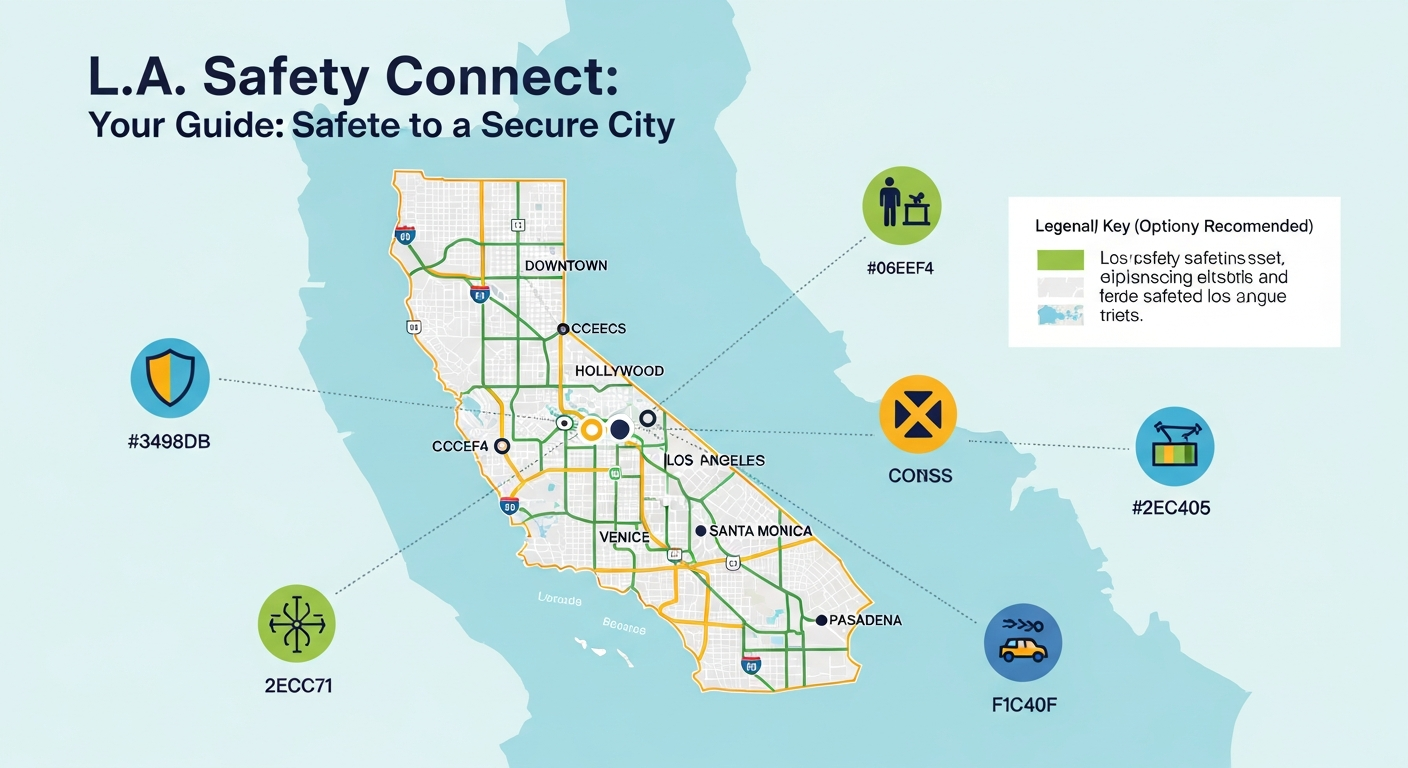
Many public spaces in Los Angeles, including parks, beaches, and outdoor malls, have specific rules regarding litter, noise, and permissible activities. For example, smoking is often prohibited in outdoor dining areas and beaches. Always look for posted signs and adhere to them. Respect quiet hours in residential areas, especially if staying in a short term rental.
Respecting Local Customs
Los Angeles is a melting pot of cultures. Politeness and respect go a long way. When interacting with service staff, a friendly demeanor is always appreciated. Tipping is customary in the United States for services like dining, taxis, and hotel staff. While LA is known for its laid back vibe, being courteous and mindful of others contributes to a positive environment for everyone.
Conclusion
Los Angeles in March 2026 offers an incredible array of experiences for every type of traveler. By staying informed, prioritizing your health and safety, and respecting local guidelines, you can ensure your visit is both memorable and worry free. Remember to consult official sources for the most current advisories, plan your transportation wisely, and always be aware of your surroundings. Enjoy the sunshine, the culture, and the unforgettable magic of LA. Your safe adventure awaits!
Frequently Asked Questions (FAQ)
Q1: Is Los Angeles safe for tourists in 2026?
A1: Yes, Los Angeles is generally safe for tourists in 2026. Like any major city, it is important to practice common sense safety measures such as being aware of your surroundings, securing valuables, and using reputable transportation services. Local authorities are dedicated to maintaining public safety.
Q2: What are the current health advisories for LA travelers?
A2: As of March 2026, there are no widespread strict health mandates in Los Angeles. Travelers are encouraged to practice good personal hygiene, such as handwashing, and to seek medical attention if they feel unwell. Mask wearing is optional and a personal choice.
Q3: Do I need a rental car to get around Los Angeles?
A3: A rental car offers maximum flexibility, especially if you plan to explore widely outside central LA. However, Los Angeles has an extensive public transit system (Metro) and readily available ride share services. Your transportation choice depends on your itinerary, budget, and comfort with traffic.
Q4: Where can I find official Los Angeles travel advisory updates?
A4: The most reliable sources for official Los Angeles travel advisory updates include the Los Angeles County Department of Public Health website, the City of Los Angeles official website, and the California Office of Emergency Services (CalOES).
Q5: What should I do if I have a medical emergency in Los Angeles?
A5: In the event of a medical emergency in Los Angeles, immediately dial 911 for emergency services. For non urgent medical needs, you can visit one of the many urgent care centers or pharmacies located throughout the city.