Mastering Travel: Your Essential Guide to 100ml Travel Bottles
Traveling should be an exciting adventure, not a logistical nightmare. One common hurdle many travelers face is navigating airport security rules, especially when it comes to liquids. This is where the humble 100ml travel bottle becomes your ultimate travel companion, transforming how you pack and experience your journeys.
Imagine breezing through security checkpoints without the fear of having your favorite shampoo or lotion confiscated. The 100ml travel bottle is more than just a container; it’s a passport to convenience, compliance, and smart packing. It allows you to bring your essential toiletries and liquids without breaking any rules or overpacking your luggage.
From weekend getaways to international expeditions, understanding and utilizing these small but mighty bottles can significantly enhance your travel experience. Let’s dive deep into everything you need to know about 100ml travel bottles, ensuring your next trip is as smooth and enjoyable as possible.
Key Takeaways
- TSA Compliance is Key: The 100ml (3.4 ounces) rule is universal for carry-on liquids, gels, and aerosols, making these bottles essential for air travel.
- Versatility in Design: Travel bottles come in various materials like silicone and plastic, with different dispensing methods (pump, spray, squeeze) to suit all your product needs.
- Smart Packing Saves Space: Using 100ml bottles helps you pack lighter, save space, and avoid checked baggage fees, contributing to a more efficient trip.
- Eco-Friendly Choice: Reusable travel bottles reduce waste from single-use travel-sized products, making them a sustainable option for frequent flyers.
- Leak-Proof is Paramount: Always prioritize bottles with secure, leak-proof designs to protect your belongings from spills and messes during transit.
Understanding the 100ml Rule
The 100ml rule, often referred to as the 3-1-1 rule in the United States, is a cornerstone of airport security regulations worldwide. It dictates that all liquids, gels, aerosols, creams, and pastes carried onto an aircraft in your carry-on luggage must be in containers no larger than 100 milliliters (3.4 ounces) each.
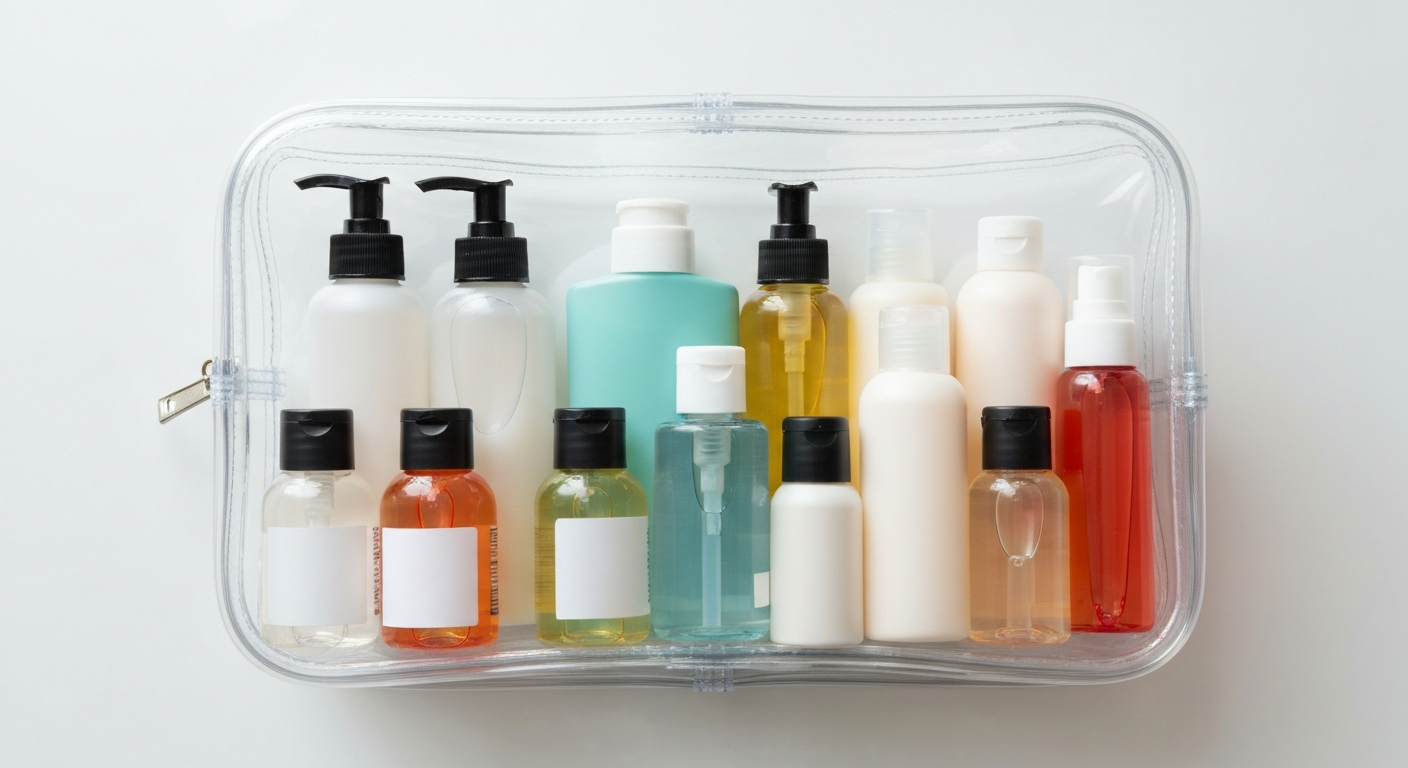
These individual 100ml containers must then be placed inside a single, transparent, quart-sized (approximately 1-liter) plastic bag. This bag should be easily sealable and removed from your carry-on for separate screening by security personnel. This process allows for quick visual inspection and helps maintain safety standards.
The rule applies to a wide range of products, from shampoos, conditioners, and lotions to toothpaste, liquid makeup, and even food items like yogurt or peanut butter. Understanding this regulation is the first step towards stress-free packing and avoiding any last-minute surprises at the security checkpoint.
Adhering to this simple guideline ensures a smoother experience for everyone. It helps security teams efficiently screen passengers and their belongings, minimizing delays and enhancing overall travel safety. Failing to follow the 100ml rule can lead to delays or, worse, the confiscation of your beloved products.
This universal standard was put in place to enhance aviation security following specific incidents. It has become a crucial part of air travel, making 100ml travel bottles indispensable for any journey involving flights. Always double-check the specific regulations of your departure and arrival countries, though the 100ml limit is widely accepted.
Why 100ml is Your Go-To Travel Size
The benefits of using 100ml travel bottles extend far beyond simply complying with airline regulations. These small containers offer a multitude of advantages that can significantly improve your travel experience.
Space-Saving & Lightweight
One of the most immediate benefits is the incredible space-saving aspect. Full-sized toiletries take up valuable room and add unnecessary weight to your luggage. By transferring your essentials into 100ml bottles, you free up space for other important items or souvenirs.
This reduction in bulk and weight is particularly beneficial for carry-on only travelers. Lighter luggage means easier maneuvering through airports and less strain on your back. It also helps you avoid potential checked baggage fees, which can quickly add up on longer trips.
Packing efficiently with these bottles allows you to fit more into a smaller bag. This often translates to a more organized suitcase, where everything has its place. No more rummaging for that elusive tube of toothpaste!
Eco-Friendly & Cost-Effective
In an age where sustainability is more important than ever, reusable 100ml travel bottles offer an eco-conscious alternative to buying miniature travel-sized products. Most travel-sized items come in single-use plastic, contributing to significant waste.
By refilling your own bottles from larger, economy-sized products at home, you drastically reduce your plastic consumption. This small change makes a positive impact on the environment. It’s a simple yet effective way to travel more responsibly.
From a financial perspective, buying bulk-sized products and refilling your travel bottles is far more economical in the long run. Travel-sized toiletries are often priced at a premium per ounce, making them an expensive habit for frequent travelers. Investing in a good set of reusable bottles pays for itself quickly.
Types of 100ml Travel Bottles
The market for 100ml travel bottles is diverse, offering a wide array of materials, designs, and dispensing mechanisms. Each type has its own advantages, making it important to choose the right bottle for your specific needs and the products you plan to carry.
Understanding the different options available will help you make an informed decision. The best choice often depends on the type of liquid you’re carrying and your personal preference for ease of use.
Silicone Bottles
Silicone travel bottles are incredibly popular due to their flexible and durable nature. Made from food-grade silicone, they are soft, squeezable, and resistant to drops and impacts. This makes them ideal for thicker liquids like shampoos, conditioners, lotions, and creams.
Their wide openings make them easy to fill and clean, and many come with suction cups or hooks for convenient shower use. Silicone bottles are also often designed with multiple leak-proof features, such as double seals or rotating collars that prevent accidental dispensing. They are generally more expensive but offer superior longevity and user experience.
Plastic Bottles (PET, PP)
Plastic travel bottles are the most common and often the most affordable option. They are typically made from PET (polyethylene terephthalate) or PP (polypropylene) plastics, known for their durability and chemical resistance. These bottles come in various forms, including spray bottles for toners or perfumes, pump bottles for liquid soaps, and simple screw-top or flip-cap bottles for general liquids.
Clear plastic bottles allow you to easily see the contents, which is helpful for quick identification. While generally sturdy, they can be less flexible than silicone and might crack if dropped forcefully. Always check that the plastic is BPA-free for safety, especially if storing products that come into contact with your skin.
Glass Bottles
While less common for general travel due to their fragility and weight, small glass bottles are sometimes used for specific liquids like essential oils, serums, or perfumes. Glass is non-reactive, meaning it won’t leach chemicals into your products or absorb odors, which can be a significant advantage for certain delicate formulations.
If you choose glass, ensure it’s a sturdy, thick-walled bottle and pack it carefully to prevent breakage. They are not typically recommended for high-impact travel or for products that you need to squeeze out quickly. Their primary advantage is maintaining the purity of sensitive liquids.
Choosing the Best 100ml Travel Bottles
Selecting the right set of 100ml travel bottles can seem daunting with so many options available. However, focusing on a few key features will help you find bottles that meet your needs and stand the test of time.
Leak-Proof Design
This is arguably the most critical feature. A leaky bottle can ruin your clothes, electronics, and other belongings. Look for bottles with multiple sealing mechanisms, such as a secure screw-top cap combined with a silicone valve or a multi-layered seal. Some bottles also feature a rotating collar that locks the pump or dispenser in place.
Material Safety
Ensure the bottles are made from safe, non-toxic materials, especially if they will hold products for your skin or hair. Food-grade silicone and BPA-free plastics (like PET or PP) are excellent choices. These materials are generally resistant to chemical reactions and won’t leach harmful substances into your liquids.
Ease of Filling & Cleaning
Wide-mouth openings are a huge plus for both filling and cleaning. They allow you to easily pour in liquids without spills and make it simple to clean the bottles thoroughly between uses, preventing product residue buildup or bacterial growth. Some bottles even come with small funnels or cleaning brushes.
Durability
Travel can be rough on your belongings. Choose bottles made from robust materials that can withstand being tossed around in a suitcase or dropped. Silicone is excellent for flexibility and impact resistance, while thicker plastics offer good overall durability. Investing in well-made bottles means they will last for many trips.
Comparison Table: Silicone vs. Plastic Travel Bottles
| Feature | Silicone Travel Bottles | Plastic Travel Bottles (PET, PP) |
| **Material** | Soft, flexible silicone | Rigid, durable plastics like PET or PP |
| **Durability** | Highly durable, resistant to drops, flexible | Durable, can crack or break on impact |
| **Leak-Proof** | Excellent, often with multi-seal designs | Good, depends on cap design (flip-top, screw-top) |
| **Ease of Use** | Squeezable for easy dispensing, wide openings for refilling | Can be harder to squeeze, various opening types |
| **Cleaning** | Very easy to clean, often dishwasher safe | Easy to clean, some narrow necks can be tricky |
| **Versatility** | Ideal for lotions, shampoos, conditioners, gels | Suitable for a wide range of liquids, including oils and toners |
| **Weight** | Generally lightweight | Very lightweight |
| **Cost** | Often higher initial cost | Generally more affordable |
| **Transparency** | Opaque or translucent, harder to see contents clearly | Often clear, easy to identify contents |
| **Temperature** | Wide temperature range, good for hot/cold contents | Can be sensitive to extreme temperatures, may deform |
Packing Tips for Your 100ml Bottles
Once you have your ideal set of 100ml travel bottles, knowing how to pack them effectively is the next step to a seamless travel experience. Smart packing not only keeps your items organized but also ensures you comply with security regulations effortlessly.
Using a Toiletry Bag
Always pack your 100ml bottles in a clear, quart-sized, resealable bag. This is a non-negotiable requirement for airport security. Having a dedicated clear bag makes it easy to remove your liquids for screening and prevents spills from affecting other items in your luggage. Look for bags with durable zippers or closures.
Labeling Your Bottles
It’s easy to confuse shampoo with conditioner or lotion with body wash when everything is in similar-looking bottles. Use waterproof labels or a permanent marker to clearly identify the contents of each bottle. This simple step saves time and avoids mistakes in the shower or at your hotel sink.
Smart Packing Strategies
Beyond the clear bag, consider where you place your liquids within your carry-on. Keep the clear bag easily accessible, ideally at the top of your bag or in an outer pocket, so you can quickly pull it out for security. Once through security, you can place it back in a more secure spot.
Consider using a separate, larger toiletry bag for all your non-liquid items or for your 3-1-1 bag once you’re past security. This helps keep your personal care items contained and organized throughout your trip, whether you’re staying in hotels, hostels, or visiting family.
Common Mistakes to Avoid
Even with the best intentions, travelers sometimes make mistakes when packing liquids. Being aware of these common pitfalls can save you time, stress, and the disappointment of losing your favorite products.
- Overfilling Bottles: While a bottle might be labeled
100ml, overfilling it can lead to leaks due to pressure changes during flight. Always leave a small air gap at the top to allow for expansion. This simple trick can prevent messy explosions in your bag.
- Forgetting the 3-1-1 Rule: The TSA’s 3-1-1 rule is strict: liquids, aerosols, gels, creams, and pastes must be 3.4 ounces (100 milliliters) or less per item; they must be placed in 1 quart-sized bag; and only 1 bag is allowed per passenger. Failing to adhere to any part of this rule will result in your items being confiscated.
- Not Securing Caps Properly: Even the best leak-proof bottle can fail if the cap isn’t screwed on tightly or the dispenser isn’t locked. Double-check all closures before placing bottles in your toiletry bag. A quick twist or click can save you a lot of hassle.
- Ignoring Material Compatibility: Not all plastics or silicones are compatible with all liquids. For instance, some essential oils can degrade certain plastics over time. If you’re carrying specialized products, ensure your bottles are designed to hold them without degrading the material or the product itself.
Conclusion
Choosing and packing the right 100ml travel bottles is a small but significant step towards a stress-free journey. By understanding the importance of leak-proof designs, safe materials, ease of use, and durability, you can select bottles that will serve you well for countless adventures. Adhering to TSA regulations, labeling your contents, and employing smart packing strategies further ensures that your travel essentials are always at hand, organized, and compliant. Invest wisely in your travel bottle set, and enjoy the freedom and convenience of bringing your favorite products wherever you go, without the worry of spills or security delays.
FAQ
Q: What does the TSA 3-1-1 rule mean?
A: The 3-1-1 rule means you can carry liquids, aerosols, gels, creams, and pastes in your carry-on bag, provided they are in containers that are 3.4 ounces (100 milliliters) or smaller. All these containers must fit comfortably into one quart-sized (1 liter) clear, resealable bag, and each passenger is limited to one such bag.
Q: Can I bring a 100ml bottle that isn’t completely full?
A: Yes, you can bring a 100ml bottle that isn’t completely full. The restriction is on the container’s capacity, not the amount of liquid inside. As long as the bottle itself is 100ml or smaller, it’s allowed.
Q: Are silicone travel bottles better than plastic ones?
A: Both silicone and plastic travel bottles have their advantages. Silicone bottles are often more flexible, squeezable, and highly resistant to drops and leaks, making them ideal for thicker liquids. Plastic bottles (like PET or PP) are typically more rigid, often transparent, and generally more affordable. The best choice depends on your specific needs and the types of liquids you plan to carry.
Q: Do I need to remove my 3-1-1 bag from my carry-on at airport security?
A: Yes, you are required to remove your clear, quart-sized bag containing your 100ml liquids from your carry-on and place it in a separate bin for X-ray screening. This allows security personnel to easily inspect the contents.
Q: Can I use 100ml travel bottles for prescription medications?
A: Yes, the 100ml rule applies to over-the-counter liquids. For prescription medications in liquid form, you are generally allowed to carry larger quantities than 100ml in your carry-on, but they must be declared to TSA officers. It’s always best to check current TSA guidelines or with your airline for specific requirements regarding medications.