Navigating Global Risks: Your Essential Guide to Travel Warnings (2026)
As of March 27, 2026, the world of travel remains as dynamic and exciting as ever. Yet, with every journey comes the responsibility of staying informed and prepared. Travel warnings, often issued by government bodies and international health organizations, are critical tools designed to keep you safe. They provide vital information about potential dangers, from political unrest and natural disasters to health crises and security threats in specific regions.
Understanding these advisories is not just about avoiding danger; it is about making informed decisions that protect your health, safety, and financial investment. In an interconnected world, conditions can change rapidly. This comprehensive guide will equip you with the knowledge to interpret travel warnings effectively, plan your trips wisely, and navigate any challenges with confidence. Whether you are a seasoned globetrotter or planning your first international adventure, knowing how to use these warnings is key to a smooth and secure experience.
Key Takeaways for Smart Travelers
- Prioritize Official Sources: Always consult government travel advisories (e.g., U.S. State Department, UK FCDO) for the most accurate and up to date information.
- Understand Warning Levels: Familiarize yourself with the different tiers of warnings, from ‘Exercise Normal Precautions’ to ‘Do Not Travel,’ and what each level signifies for your trip.
- Travel Insurance is Essential: Ensure your travel insurance policy covers potential issues related to travel warnings, especially for cancellations or medical emergencies.
- Flexibility is Your Friend: Be prepared to adjust your travel plans if a warning is issued or elevated for your destination.
- Stay Informed Continuously: Monitor news and official advisories not only before you leave but also throughout your trip, as situations can evolve quickly.
What Exactly Are Travel Warnings?
Travel warnings, also known as travel advisories, are official notices issued by national governments or international bodies. Their primary purpose is to inform their citizens about safety and security risks when traveling abroad. These alerts can cover a wide range of concerns, offering guidance to help travelers make safer choices. They are not meant to deter all travel but rather to provide a realistic assessment of potential dangers.
Defining Travel Advisories
A travel advisory is a formal communication that assesses the risk level of visiting a particular country or region. It considers various factors such as crime rates, terrorism threats, health risks, political instability, and natural disaster potential. These advisories are regularly updated to reflect current conditions, ensuring travelers have the most relevant information at their fingertips. They are dynamic documents, changing as situations on the ground evolve.
Who Issues Them?
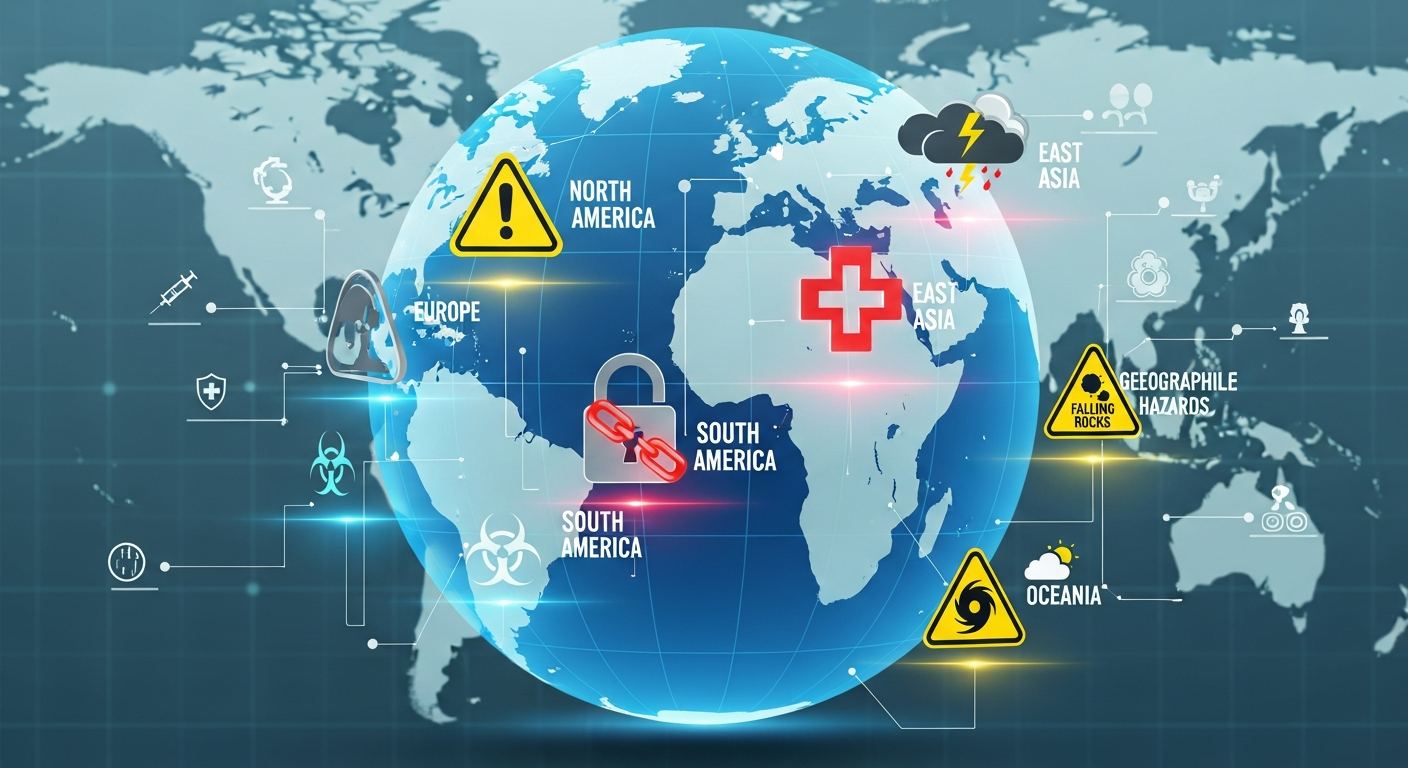
Several authoritative bodies are responsible for issuing travel warnings. These include:
- Government Foreign Ministries: In the United States, it is the Department of State. In the United Kingdom, it is the Foreign, Commonwealth & Development Office (FCDO). Canada has Global Affairs Canada, and Australia has the Department of Foreign Affairs and Trade (DFAT). These government bodies issue warnings specifically for their own citizens.
- International Health Organizations: The World Health Organization (WHO) and the Centers for Disease Control and Prevention (CDC) often issue health specific travel notices. These alerts focus on disease outbreaks, vaccination requirements, and health precautions.
- Other Agencies: Sometimes, specialized agencies might issue warnings related to specific threats, such as aviation security or maritime safety.
Understanding the Different Levels of Travel Warnings
Government travel warnings typically follow a tiered system, indicating increasing levels of risk. While the exact terminology may vary slightly between countries, the underlying message remains consistent. Understanding these levels is crucial for assessing the seriousness of a warning.
Here is a common framework, often used by the U.S. Department of State:
- Level 1: Exercise Normal Precautions. This is the lowest advisory level for safety and security risk. Travelers should simply be aware of their surroundings and take standard safety measures.
- Level 2: Exercise Increased Caution. There are heightened risks to safety and security. Travelers should be more vigilant, especially in specific areas or during certain events. This might include elevated crime rates or potential for civil unrest.
- Level 3: Reconsider Travel. Serious risks to safety and security are present. The government advises citizens to think carefully before traveling to the location due to significant threats like widespread crime, terrorism, or political instability.
- Level 4: Do Not Travel. This is the highest advisory level. There is a greater likelihood of life threatening risks. The government advises against all travel to the location, or to depart as soon as it is safe to do so. This level is typically reserved for active armed conflict, severe health epidemics, or imminent danger.
Comparison of Travel Warning Levels (Examples)
| Level | U.S. Department of State | UK Foreign, Commonwealth & Development Office (FCDO) | Key Implication |
| 1 | Exercise Normal Precautions | See our travel advice for [Country] | Standard vigilance |
| 2 | Exercise Increased Caution | See our travel advice for [Country] | Heightened awareness, specific areas/times |
| 3 | Reconsider Travel | Advise against all but essential travel | Serious risks, strong consideration to cancel/postpone |
| 4 | Do Not Travel | Advise against all travel | Life threatening risks, avoid travel entirely |
Why Travel Warnings Matter to You
Ignoring travel warnings can have severe consequences, impacting your personal safety, health, and financial well being. These advisories are not arbitrary; they are based on intelligence and on the ground assessments designed to protect travelers.
Protecting Your Safety and Health
The most immediate concern addressed by travel warnings is your personal safety. A warning might highlight risks such as violent crime, kidnapping, or terrorism. It could also point to regions with ongoing armed conflict or civil unrest, where travelers could inadvertently become targets. Health warnings, on the other hand, alert you to disease outbreaks, inadequate medical facilities, or environmental hazards that could pose a risk to your well being. Heeding these warnings can literally be life saving.
Financial Implications (Insurance, Cancellations)
Travel warnings can significantly impact your financial plans. If a Level 3 or 4 warning is issued for your destination, many travel insurance policies may become void, particularly if you booked your trip after the warning was in place. This means you might not be covered for cancellations, medical emergencies, or evacuations. Airlines and tour operators might also have different cancellation policies depending on the warning level, potentially leading to lost deposits or non refundable tickets. It is crucial to check your policy’s fine print regarding travel advisories.
Legal and Logistical Challenges
Traveling against a strong advisory can also lead to legal and logistical headaches. Your government might have limited ability to provide assistance if you encounter trouble in a ‘Do Not Travel’ zone. Furthermore, border crossings might become more complex, and local authorities might view foreign travelers with increased scrutiny. Access to essential services, like banking or healthcare, could also be disrupted in areas under severe warnings.
How to Find and Interpret Official Travel Warnings
Accessing reliable and current information is the first step in making smart travel decisions. Always prioritize official government sources and reputable international health organizations.
Here are the most reliable places to find travel warnings:
- U.S. Department of State: Their website provides detailed country specific information, including current travel advisory levels and reasons for each warning. Enroll in their Smart Traveler Enrollment Program (STEP) for alerts.
- UK Foreign, Commonwealth & Development Office (FCDO): Offers comprehensive travel advice for every country, including security, health, and entry requirements.
- Global Affairs Canada: Provides advisories and safety information for Canadian travelers abroad.
- Australian Department of Foreign Affairs and Trade (DFAT): Offers ‘Smartraveller’ advice with clear risk levels and detailed information.
- World Health Organization (WHO): For global health alerts and advice on disease prevention.
- Centers for Disease Control and Prevention (CDC): Offers health information for specific destinations, including recommended vaccinations and precautions.
When interpreting these warnings, look beyond just the numerical level. Read the specific details provided. Are the risks localized to certain regions within a country, or are they nationwide? What specific threats are highlighted? Understanding the nuances helps you assess your personal risk tolerance.
“Staying informed is the traveler’s best defense. Official government advisories are not just suggestions; they are carefully crafted assessments designed to protect lives and prevent distress. Always check them before booking and again before departing.” – *Travel Security Analyst, Dr. Eleanor Vance*
Preparing for Travel Amidst Warnings
Even with a travel warning in place, sometimes travel is unavoidable or deemed essential. In such cases, meticulous preparation becomes even more critical.
Adjusting Your Itinerary
If a warning affects only certain regions of a country, consider adjusting your itinerary to avoid those areas. For example, if coastal regions are under a hurricane warning, you might shift your plans inland. If political demonstrations are expected in a capital city, you could plan to visit other parts of the country during that time. Flexibility and alternative routes are key to minimizing exposure to risk.
Travel Insurance: A Non Negotiable
As mentioned, travel insurance is paramount. However, not all policies are created equal, especially concerning travel warnings. Always read the fine print. Look for policies that offer ‘cancel for any reason’ coverage if you anticipate potential changes due to warnings. Confirm whether your policy covers medical emergencies or evacuations in areas under high level advisories. Do not assume your standard policy will cover all eventualities if you travel against official advice.
Health Precautions and Vaccinations
Health warnings often accompany broader travel advisories. Ensure all your routine vaccinations are up to date. Consult your doctor about any destination specific vaccinations or preventative medications you might need. Pack a comprehensive first aid kit, and research the quality and accessibility of medical facilities at your destination. Knowing where to go for help in a health emergency is vital.
Real World Scenarios: When Warnings Change
Travel warnings are not static; they evolve with global events. Being prepared for changes, even mid trip, is a critical aspect of responsible travel planning. The world can shift rapidly, from unexpected natural disasters to sudden political developments.
Consider the scenario of a sudden earthquake in a popular tourist region, or an unexpected surge in a communicable disease. Such events can quickly elevate a Level 1 advisory to a Level 3 or 4. Travelers must have a plan for how they will react. This includes having access to emergency funds, knowing how to contact their embassy, and having flexible travel arrangements.
Real time monitoring of news and official government channels is essential. Many government advisory services allow you to register your trip, so they can contact you directly in an emergency or if warnings change. This proactive approach ensures you are not caught off guard and can make timely decisions for your safety.
Importance of Real Time Monitoring
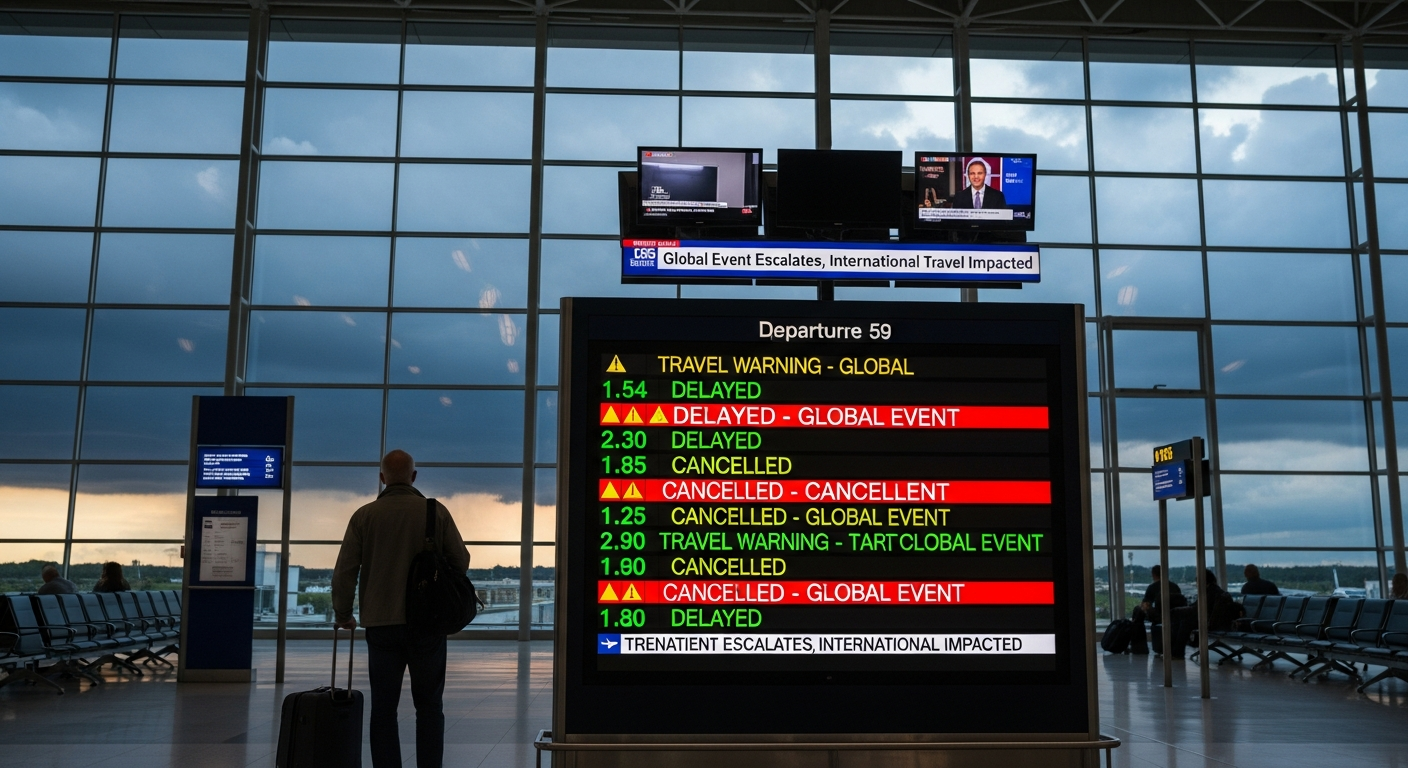
Staying connected while traveling is more important than ever. Use local news sources, reputable international news channels, and your government’s travel advisory updates. Many embassies and consulates also have social media channels that provide immediate updates. Do not rely solely on information from your hotel or local tour operator, as their priorities might differ from your personal safety needs. Always cross reference information with official sources.
Conclusion
Travel warnings are an indispensable resource for anyone venturing beyond their borders. They are not designed to instill fear, but rather to empower you with knowledge, allowing you to make informed, responsible, and ultimately safer travel decisions. By understanding the different levels of advisories, knowing where to find the most current information, and preparing thoroughly, you transform potential risks into manageable considerations.
In 2026, the landscape of global travel continues to present both incredible opportunities and occasional challenges. Embrace the adventure, but do so with an informed mind and a prepared spirit. Prioritize your safety, understand your insurance, and always keep an eye on official advisories. Your journey will be richer and more secure for it.
Frequently Asked Questions (FAQ)
What is the difference between a travel advisory and a travel warning?
While often used interchangeably, ‘travel advisory’ is the broader term for any official guidance on travel risks. ‘Travel warning’ typically refers to the higher levels of advisories, specifically recommending reconsideration or avoidance of travel due to significant dangers. Essentially, a warning is a type of advisory, indicating a more severe risk level.
Should I cancel my trip if there is a travel warning?
It depends on the level of the warning and your personal risk tolerance. A Level 1 or 2 advisory might suggest increased caution without requiring cancellation. However, a Level 3 ‘Reconsider Travel’ or Level 4 ‘Do Not Travel’ warning strongly advises against travel. For these higher levels, cancelling or postponing your trip is often the safest and most recommended course of action.
Does travel insurance cover travel warnings?
Many standard travel insurance policies do not cover claims related to travel warnings, especially if the warning was issued before you purchased the policy or booked your trip. Some policies may offer limited coverage for specific events. For comprehensive protection against travel warnings, you may need to purchase ‘cancel for any reason’ (CFAR) insurance, which typically costs more but offers greater flexibility.
How often are travel warnings updated?
Travel warnings are updated as frequently as conditions on the ground change. This can range from daily updates during rapidly evolving crises to monthly or quarterly reviews for more stable situations. It is crucial to check official government websites regularly, not just when planning, but also immediately before and during your trip.
What if my destination has a Level 3 “Reconsider Travel” warning?
If your destination has a Level 3 warning, it means serious risks are present. You should carefully evaluate the specific threats mentioned in the advisory. Consider postponing your trip, choosing an alternative destination, or taking extreme precautions if travel is essential. Verify your travel insurance coverage, as it may be impacted by this level of advisory.