Navigating the ’43 Countries Travel Ban’: Your 2026 Guide to Global Travel Restrictions
The world of international travel has seen many changes in recent years. As of March 27, 2026, many travelers are still grappling with the complexities of various entry restrictions and bans. The term “43 countries travel ban” has become a common phrase, creating uncertainty for individuals planning trips, businesses with global operations, and families hoping to reunite.
This article aims to cut through the confusion, providing a clear, up-to-date guide on what these restrictions mean for you. We will explore the reasons behind these measures, the specific regions impacted, and practical advice for navigating this evolving landscape. Understanding these rules is crucial for anyone looking to travel internationally today.
Traveling in today’s world requires more than just a passport and a ticket. It demands thorough research, flexibility, and an awareness of rapidly changing global policies. Our goal is to equip you with the knowledge needed to make informed decisions about your next international journey, minimizing stress and maximizing safety.
Key Takeaways
- The “43 countries travel ban” refers to a dynamic set of restrictions, not a single blanket policy, impacting diverse regions globally in March 2026.
- Travelers must conduct thorough research on both their departure and destination countries’ specific entry requirements, as these can change rapidly.
- Key factors influencing these bans include public health concerns, geopolitical stability, and economic considerations.
- Flexibility in travel plans, obtaining necessary documentation, and understanding visa implications are vital for successful international travel.
- While challenging, many pathways for legitimate travel still exist, often requiring specific health protocols or special permits.
Understanding the Global Travel Landscape: March 2026
The global travel environment in March 2026 is a patchwork of open borders, strict controls, and everything in between. While the immediate crisis that led to many initial bans has evolved, new challenges and ongoing concerns continue to shape policy. Governments worldwide are balancing economic recovery with public safety, leading to highly specific and often localized restrictions.
These travel measures are not always simple prohibitions. They can include mandatory quarantine periods, specific vaccination requirements, pre-departure testing, or even outright entry bans for non-citizens. The phrase “43 countries travel ban” often serves as a shorthand for the collective challenges travelers face across multiple jurisdictions. It highlights the widespread nature of these complex restrictions.
What is the “43 Countries Travel Ban”?
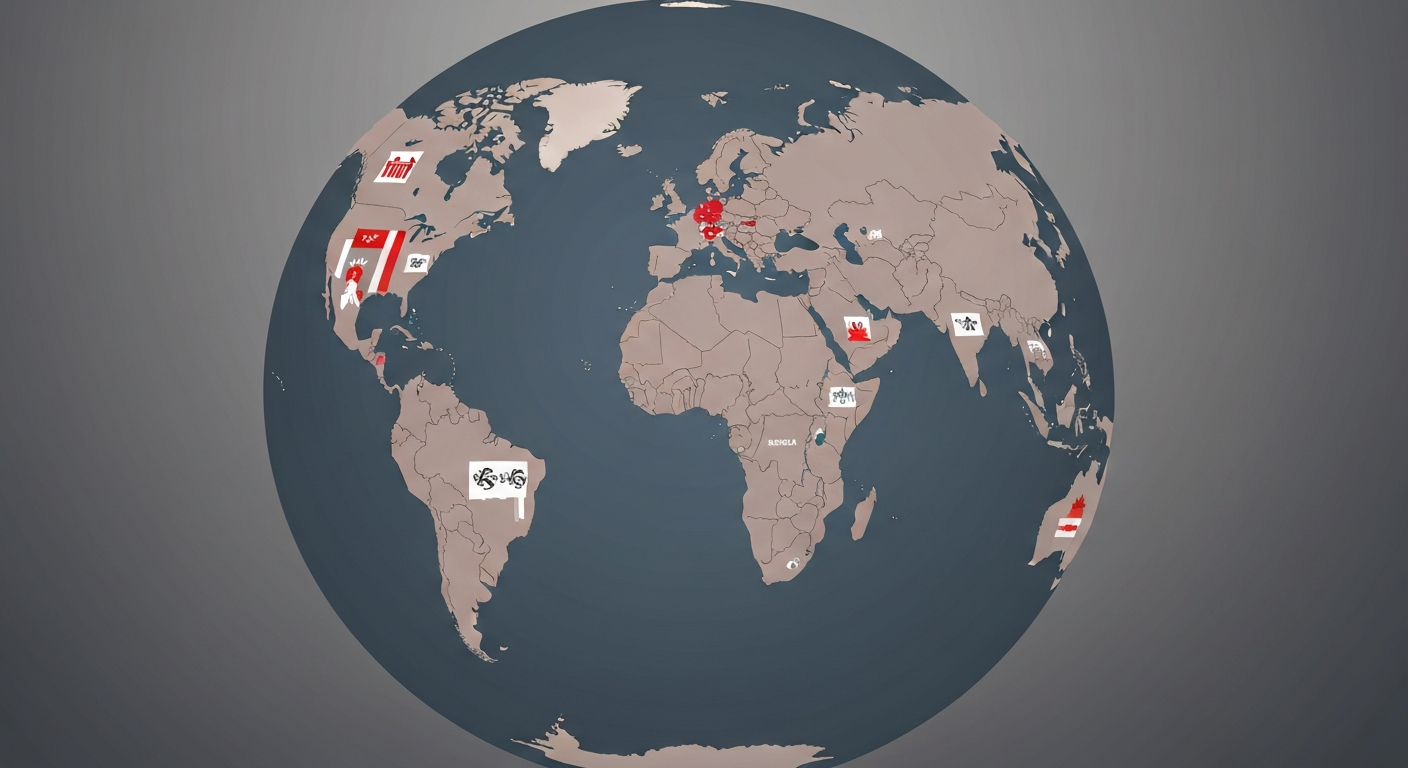
It is important to clarify that the “43 countries travel ban” is not a single, unified policy enforced by one international body. Instead, it represents the cumulative effect of various nations imposing travel restrictions on travelers from, or those who have recently visited, specific countries. These bans are dynamic and shift based on current global events, health data, and diplomatic relations.
For example, Country A might ban entry from 10 nations due to a health concern. Country B might have restrictions on 5 different nations due to political instability. When you add up all these individual country-specific bans, the total number of affected nations for global travelers can reach 43 or even more. This makes planning international trips quite complicated.
Key Factors Driving Current Travel Restrictions
Several primary factors contribute to the ongoing implementation of these travel bans. Understanding these drivers helps explain why certain countries are on a restricted list. These factors are constantly being reviewed and updated by national authorities.
- Public Health Concerns: The most significant driver continues to be the control of infectious diseases. Countries with higher reported cases or new variants often face stricter entry requirements or outright bans.
- Geopolitical Stability: Regions experiencing conflict, political unrest, or significant security threats may be subject to travel advisories or bans from other nations. This protects their citizens.
- Economic Reciprocity: Sometimes, travel bans are a response to similar restrictions imposed by other countries, part of a diplomatic negotiation or economic strategy.
- Immigration Policies: Some restrictions are tied to broader immigration policies, aiming to manage population flows or specific visa categories.
Who Is Affected by These Restrictions?
The impact of the “43 countries travel ban” extends across a wide range of individuals and sectors. From leisure tourists to business professionals, understanding who is most affected is crucial. These restrictions create hurdles for many, changing travel plans significantly.
- Leisure Travelers: Those planning vacations or personal trips often find their dream destinations suddenly inaccessible or requiring extensive preparation.
- Business Travelers: International business operations can be severely hampered, affecting supply chains, client meetings, and project deployments.
- Students and Academics: Educational exchanges and international research collaborations face delays or outright cancellations due to entry restrictions.
- Families and Individuals: Families with members in different countries may struggle to reunite, especially across borders with strict bans.
- Airlines and Tourism Industry: These sectors bear a significant economic burden due to reduced passenger numbers and complex operational requirements.
Navigating Travel Bans: Essential Strategies for Travelers
Successfully navigating the current global travel landscape requires careful planning and up-to-date information. Do not assume that rules from yesterday will apply tomorrow. Here are some key strategies to help you manage your travel plans effectively.
- Verify Destination Entry Requirements: Always check the official government websites of both your departure country and your destination country. Look for specific details on visa requirements, health declarations, and any current bans.
- Understand Transit Rules: If your journey involves layovers, research the transit rules for each country you pass through. Some nations have strict transit restrictions even if you do not intend to enter them.
- Consider Travel Insurance: Ensure your travel insurance policy covers potential trip cancellations or medical emergencies related to travel restrictions. Review the fine print carefully before purchasing.
- Prepare Health Documentation: Have all necessary health certificates, vaccination records, or recent negative test results readily available. Digital copies are useful but physical copies might also be required.
- Stay Flexible: Be prepared for last-minute changes to flights, routes, or entry requirements. Booking flexible tickets can save you stress and money in the long run.
The Role of Digital Travel Credentials
In response to the evolving travel landscape, many countries are exploring or implementing digital travel credentials. These might include digital health passports or electronic visa systems. They aim to streamline the verification process and make travel safer and more efficient. While not universally adopted, these tools are becoming more common.
Travelers should familiarize themselves with any such systems relevant to their destinations. Using official apps or platforms can prevent delays at borders. These digital solutions are designed to simplify compliance with complex rules, though they require careful attention to detail from the user.
Economic and Social Impacts of Widespread Restrictions
The “43 countries travel ban” and similar restrictions have far-reaching economic and social consequences. Entire industries, such as tourism and aviation, have faced unprecedented challenges. The ripple effect is felt globally, affecting jobs, businesses, and cultural exchange.
Economically, the reduction in international travel leads to significant losses in revenue for airlines, hotels, tour operators, and related services. Small businesses relying on tourism often struggle to survive. This also impacts local economies that depend on tourist spending.
Socially, the bans disrupt cultural exchange and personal connections. Families are separated, international friendships are strained, and the free flow of ideas and experiences is limited. This can lead to feelings of isolation and a reduction in global understanding.
Case Study: Impact on Regional Tourism
Consider a region heavily reliant on international visitors, which suddenly finds itself on a travel ban list for several key source markets. Local businesses, from souvenir shops to restaurants, see their customer base vanish overnight. Employment figures drop sharply, and the local government faces a budget crisis.
This scenario highlights the fragility of tourism-dependent economies in the face of widespread travel restrictions. Recovery can be slow and challenging, even after bans are lifted, as travelers regain confidence and re-plan their trips. Diversifying economic activities becomes a critical long-term strategy.
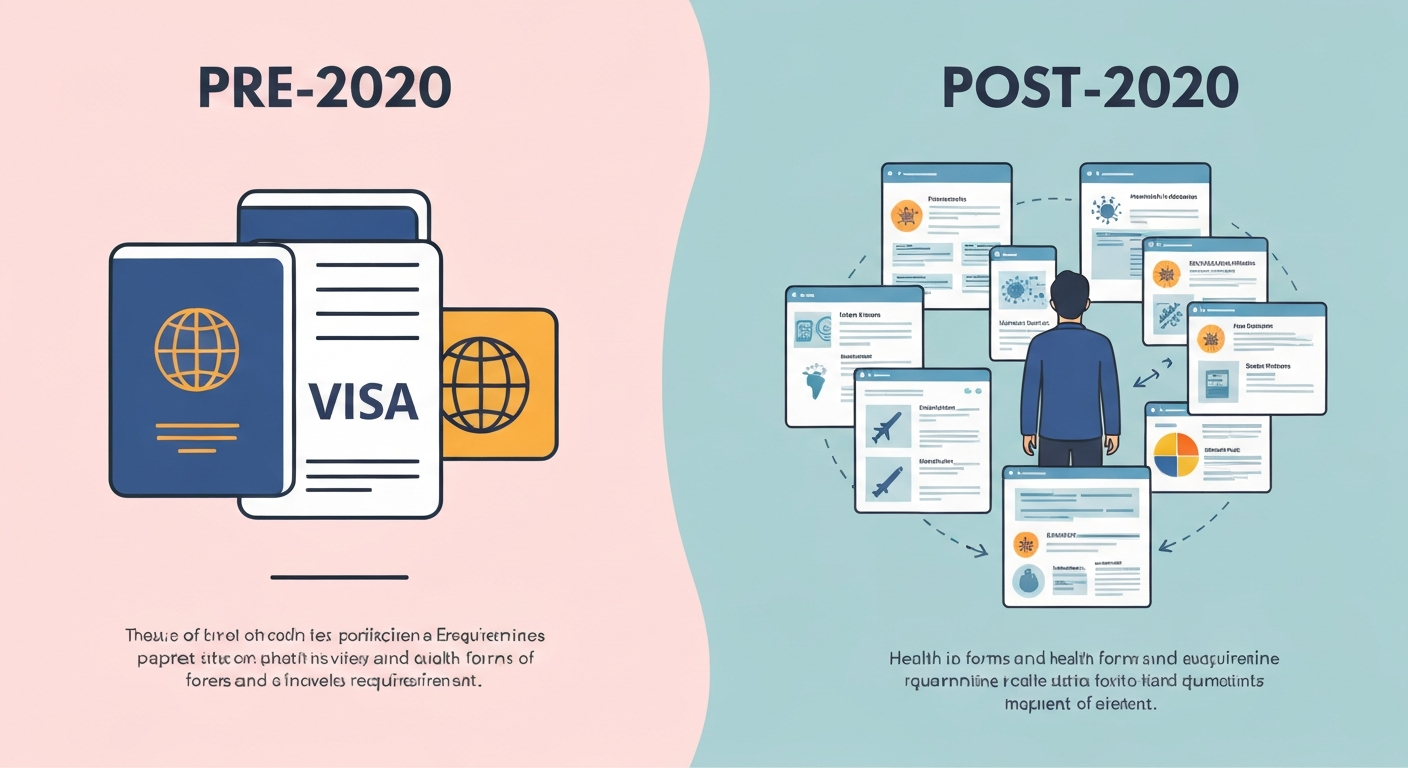
Comparison Table: Navigating Travel Restrictions – Then vs. Now
| Feature | Pre-2020 Travel | March 2026 Travel (with “43 Countries Travel Ban”) |
| **Primary Concern** | Visa, passport validity | Health protocols, geopolitical stability, bans |
| **Information Source** | Embassy, travel agent | Official government websites, real-time updates |
| **Documentation** | Passport, visa, tickets | Passport, visa, health pass, vaccination proof |
| **Flexibility** | Often fixed plans | High need for flexibility, refundable bookings |
| **Risk Factors** | Minor delays, lost luggage | Entry denial, quarantine, sudden policy changes |
| **Preparation Time** | Moderate | Extensive, ongoing monitoring |
“The landscape of global mobility is no longer defined by simple open or closed borders. Instead, we are navigating a complex web of conditional entries, health clearances, and geopolitical considerations. Travelers must become active participants in understanding and complying with these ever-changing rules.” – *Dr. Anya Sharma, Global Mobility Analyst.*
The Future of International Travel: What to Expect
Looking ahead, the international travel environment is likely to remain dynamic, influenced by global health, political shifts, and technological advancements. While the “43 countries travel ban” may evolve, the underlying principle of national governments prioritizing their citizens’ safety and interests will persist.
We can anticipate a continued emphasis on digital solutions for health verification and border control. Biometric data and AI-driven systems may play a larger role in streamlining entry processes. However, human oversight and adaptability will remain crucial.
Preparing for Future Travel
To prepare for future international travel, individuals should cultivate a habit of continuous learning about global affairs. Staying informed about health developments, political changes, and technological innovations in travel will be key.
- Embrace Digital Tools: Get comfortable with digital health passports and online visa applications.
- Prioritize Flexibility: Always consider booking flexible tickets and accommodations.
- Invest in Comprehensive Insurance: Ensure your insurance covers a wide range of travel disruptions.
- Stay Informed: Follow reputable news sources and official government advisories.
Conclusion
The “43 countries travel ban” represents a complex, multi-faceted challenge in the world of international travel as of March 2026. It highlights the need for travelers to be exceptionally well-informed, adaptable, and proactive in their planning. While navigating these restrictions can be daunting, understanding their origins and implications empowers travelers to make smarter decisions.
The global community continues to adapt to these new realities, striving for a balance between open borders and national security. By staying vigilant and prepared, we can all contribute to a safer, more predictable future for international travel.
Frequently Asked Questions (FAQ)
Q1: Is the “43 countries travel ban” a permanent global policy?
A1: No, the “43 countries travel ban” is not a permanent, unified global policy. It refers to the cumulative effect of various individual countries imposing temporary or evolving travel restrictions on other nations. These bans are dynamic, changing based on current global health situations, geopolitical events, and national interests.
Q2: How can I find out if my destination country has a travel ban in place?
A2: The most reliable way to check for travel bans or restrictions is to visit the official government website of your destination country’s foreign affairs or health ministry. Additionally, your own country’s foreign travel advisory website often provides summaries of entry requirements for various nations. Always consult official sources directly.
Q3: Do these travel bans apply to all types of travelers, including citizens returning home?
A3: Travel bans typically apply primarily to foreign nationals. However, rules vary greatly. While citizens are usually allowed to return to their home country, they may still face mandatory quarantine, testing, or other health protocols upon arrival. Always check the specific rules for citizens and residents separately from those for foreign visitors.
Q4: What should I do if my country is on a “43 countries travel ban” list?
A4: If your country is on a restricted list for your intended destination, first verify the exact nature of the ban. It might be an outright prohibition, or it could involve specific conditions like mandatory quarantine, proof of vaccination, or essential travel exemptions. Contact the embassy or consulate of your destination country for the most accurate and up-to-date guidance on any possible exemptions or requirements.
Q5: How do “43 countries travel ban” policies impact international business and trade?
A5: These widespread travel bans significantly impact international business and trade by restricting the movement of personnel, disrupting supply chains, and limiting face-to-face negotiations. Businesses often face increased costs due to remote work alternatives, delayed projects, and the need to find alternative sourcing or shipping routes. It pushes companies to adopt more resilient and localized strategies.