Navigating the Storm: Understanding the 2022 Southwest Travel Meltdown
The holiday season of 2022 was supposed to be a time of joy and reunion for millions of travelers. Instead, for those flying Southwest Airlines, it became a nightmare of cancellations, delays, and stranded passengers. What began as a severe winter storm quickly spiraled into an unprecedented operational crisis, leaving a lasting mark on the airline industry and the travel plans of countless individuals. The 2022 Southwest travel meltdown wasn’t just a weather event; it was a complex failure of systems and communication that exposed critical vulnerabilities.
Understanding this event is key to appreciating the complexities of modern air travel and the ongoing efforts to prevent such widespread disruption from happening again. This comprehensive look will break down what went wrong, the far-reaching impact, and the essential lessons learned from the 2022 Southwest travel meltdown.
Key Takeaways from the Southwest Meltdown
- Systemic Failure: The crisis highlighted Southwest’s reliance on outdated crew scheduling technology, which buckled under pressure.
- Compounding Factors: A powerful winter storm exacerbated pre-existing operational weaknesses, turning delays into mass cancellations.
- Passenger Impact: Millions of travelers faced extreme disruption, lost luggage, missed events, and significant financial strain.
- Regulatory Scrutiny: The meltdown led to increased oversight from the Department of Transportation and calls for stronger passenger protections.
- Industry-Wide Lessons: Airlines across the board reviewed their own operational resilience and contingency plans in the wake of Southwest’s struggles.
The Perfect Storm: Unpacking the 2022 Southwest Crisis
The Christmas and New Year period of 2022 saw a catastrophic breakdown in Southwest Airlines’ operations. While a harsh winter storm, “Elliott,” initially caused widespread flight disruptions across the United States, other airlines largely recovered within days. Southwest, however, continued to cancel thousands of flights for over a week, creating chaos at airports nationwide. This prolonged disruption was far more than just bad weather; it was a symptom of deeper, systemic issues.
What Happened During the Meltdown?
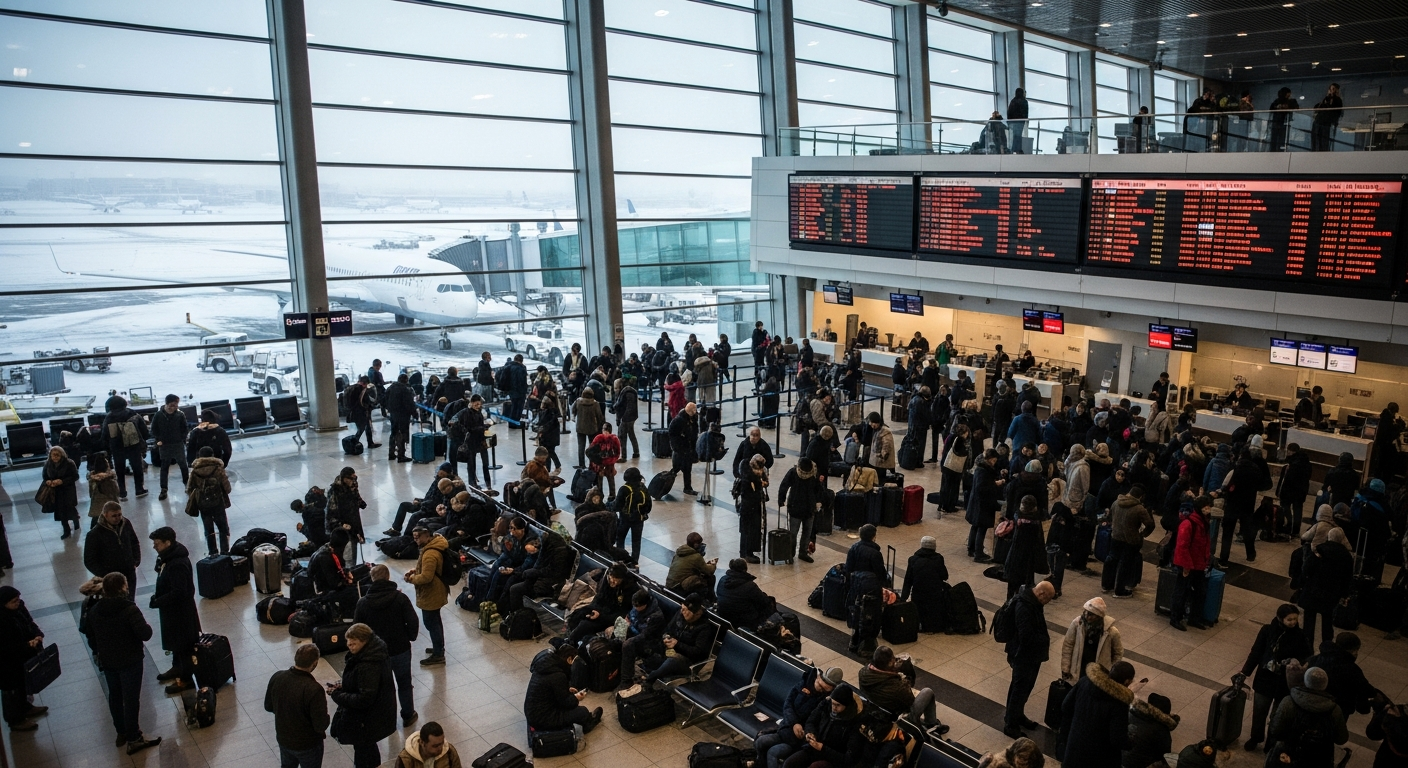
From December 21st to December 29th, 2022, Southwest canceled over 16,700 flights. This staggering number represented more than half of its scheduled operations during that critical travel week. Passengers found themselves stranded for days, often with no information about their luggage or rebooking options. The scale of the cancellations was unprecedented for a major US airline.
The Root Causes: Beyond Just Bad Weather
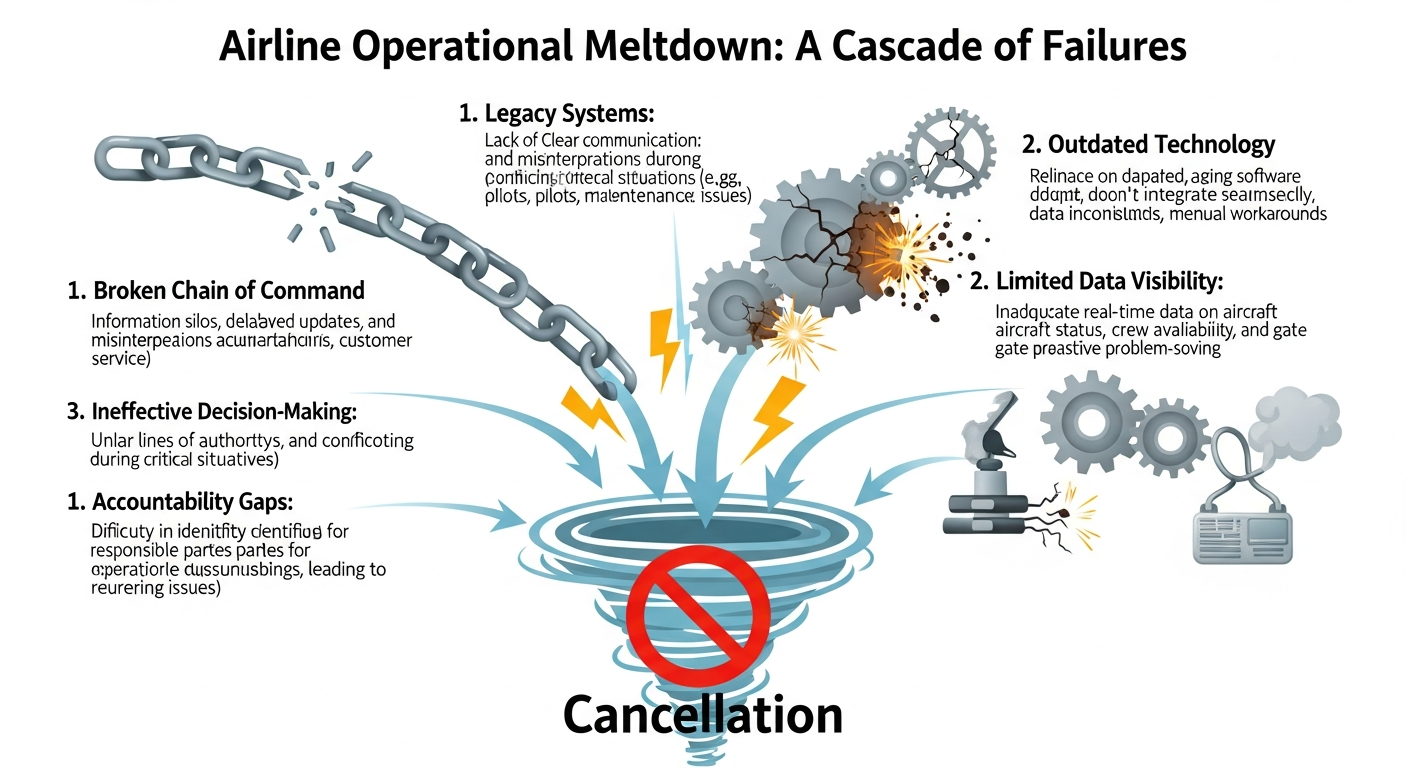
While Winter Storm Elliott was the initial trigger, it merely exposed critical flaws within Southwest’s operational infrastructure. The airline’s unique point-to-point network, combined with its antiquated technology, created a cascade effect that was impossible to manage.
Outdated Technology and Scheduling Systems
A major contributing factor was Southwest’s outdated crew scheduling software. Unlike other major carriers that use advanced systems to automatically reassign crews and aircraft, Southwest relied heavily on manual processes and phone calls. When thousands of flights were canceled, its system became overwhelmed. Pilots and flight attendants were left stranded in the wrong cities, unable to reach schedulers, and without clear instructions. This technological bottleneck prevented the airline from quickly re-pairing crews with available aircraft, leading to further cancellations.
Southwest’s Unique Network Structure
Southwest operates a point-to-point network, meaning flights often go directly between cities rather than through central hubs. While this can offer efficiency in normal times, it lacks the flexibility of a hub-and-spoke system during widespread disruptions. When one flight is canceled, it can easily strand both crew and aircraft, creating a ripple effect across the entire network. This structure made recovery incredibly difficult once the initial breakdown occurred.
Communication Breakdown
Adding to the operational challenges was a significant breakdown in communication. Passengers reported long wait times for customer service, often exceeding several hours. Information about flight status was often inaccurate or delayed, leaving travelers in limbo. Even Southwest employees struggled to get clear guidance from management, highlighting internal communication failures.
The Human Cost: Impact on Travelers
The 2022 Southwest travel meltdown affected millions of people, turning holiday plans into nightmares. The emotional and financial toll on passengers was immense, creating a wave of frustration and anger.
Financial Losses and Reimbursements
Passengers faced significant unexpected expenses, including costly last-minute alternative flights, hotel stays, ground transportation, and meals. Many missed connecting flights on other airlines or had to rent cars to drive hundreds of miles to their destinations. Southwest eventually committed to reimbursing “reasonable” expenses, but the process was slow and often required extensive documentation. The Department of Transportation (DOT) later fined Southwest $140 million for these failures, a record amount.
Emotional Toll and Missed Moments
Beyond the financial impact, the emotional cost was substantial. Families missed holiday gatherings, children missed visits with grandparents, and important events were disrupted. The stress of being stranded, often with young children or elderly relatives, for days on end, created lasting negative memories for many. The uncertainty and lack of clear communication only amplified these feelings of helplessness.
Southwest’s Response and Recovery Efforts
In the immediate aftermath, Southwest struggled to regain control, but eventually, the airline began its recovery process. This involved a combination of operational adjustments and financial compensation.
Initial Handling and Apologies
Southwest’s initial response was widely criticized for being slow and inadequate. CEO Bob Jordan publicly apologized, acknowledging the company’s failures. The airline offered travel credits and frequent flyer points to affected passengers, in addition to promising reimbursements for out-of-pocket expenses. This gesture aimed to rebuild trust, but for many, the damage was already done.
Lessons Learned and Future Investments
The meltdown served as a harsh wake-up call for Southwest. The airline committed to significant investments in technology and operational infrastructure. This included upgrading its crew scheduling systems, improving communication tools for employees, and enhancing its de-icing capabilities. The goal was to prevent a recurrence by addressing the fundamental weaknesses exposed by the crisis.
| Feature | Before 2022 Meltdown (Southwest) | After 2022 Meltdown (Southwest Commitments) | Industry Standard (Major Carriers) |
| **Crew Scheduling** | Manual/Semi-automated phone-based | Automated, integrated digital platform | Automated, integrated digital platform |
| **Network Type** | Point-to-point only | Point-to-point with improved recovery logic | Hub-and-spoke (mostly) |
| **Passenger Info** | Often delayed/inconsistent | Real-time updates, proactive notifications | Real-time updates, mobile app focus |
| **Recovery Speed** | Slow, prolonged disruption | Faster, more resilient post-disruption | Generally faster, hub-based |
| **Communication** | Overwhelmed call centers | Enhanced digital channels, direct employee tools | Multi-channel, rapid response |
Industry-Wide Implications and Regulatory Scrutiny
The 2022 Southwest travel meltdown sent shockwaves through the entire airline industry and prompted a closer look from government regulators.
Increased Department of Transportation Oversight
The Department of Transportation (DOT) launched an investigation into Southwest’s actions, focusing on whether the airline engaged in unfair or deceptive practices. This scrutiny resulted in the record $140 million fine, which included a $35 million civil penalty and $105 million set aside for future passenger compensation. This action signaled a stronger stance by the DOT on airline accountability.
Calls for Stronger Passenger Protections
The meltdown reignited debates about passenger rights and the need for more robust protections. Advocates called for clear rules regarding compensation for delays and cancellations, beyond what airlines currently offer. The incident highlighted gaps in existing regulations, especially concerning prolonged disruptions not directly attributable to weather.
“The Southwest Airlines meltdown was a stark reminder that even well-established airlines can falter dramatically under pressure. It underscored the critical need for investment in resilient infrastructure and a genuine commitment to passenger care.” – *Aviation Industry Analyst*
Preventing Future Meltdowns: A Path Forward
The lessons learned from the 2022 crisis are shaping how airlines, especially Southwest, prepare for future challenges. The focus is on resilience, technology, and transparent communication.
Technological Upgrades and Modernization
For Southwest, the immediate priority is completing its technological overhaul. This includes implementing cutting-edge crew scheduling software that can handle complex disruptions automatically. Investing in artificial intelligence and machine learning could further enhance predictive capabilities and operational efficiency. Modernizing ground support systems and communication tools for frontline employees is also crucial.
Enhanced Operational Planning and Flexibility
Airlines are re-evaluating their operational contingency plans. This means having clearer protocols for severe weather events, including proactive cancellations to minimize stranded passengers and crews. Building more flexibility into network designs, even for point-to-point models, could help mitigate the ripple effect of disruptions. Cross-training staff and having readily available reserve crews are also important strategies.
Strengthening Passenger Communication
Clear, timely, and accurate communication is paramount during disruptions. Airlines need to invest in robust digital platforms that provide real-time updates, rebooking options, and easy access to customer support. Proactive notifications via text, email, and app alerts can significantly reduce passenger stress and confusion. Transparent policies regarding compensation and rebooking are also essential.
The Role of Government Regulation
Ongoing government oversight will continue to play a role in ensuring airlines meet their obligations to passengers. The DOT’s actions following the Southwest meltdown demonstrate a willingness to enforce existing rules and advocate for new protections. This regulatory pressure can incentivize airlines to prioritize investments in operational resilience and customer service.
The Long-Term Legacy of the Meltdown
While the immediate chaos of the 2022 Southwest travel meltdown has passed, its legacy continues to influence the airline industry. It served as a powerful case study in operational risk and the importance of adaptable systems.
It has also raised passenger expectations regarding transparency and accountability. Travelers are now more aware of their rights and less tolerant of poor communication during disruptions. Airlines that prioritize customer experience and invest in resilient infrastructure will ultimately earn greater trust and loyalty. The event remains a significant benchmark for how airlines handle severe operational challenges.
Frequently Asked Questions (FAQ)
Q1: What caused the 2022 Southwest travel meltdown?
A1: The meltdown was primarily caused by a combination of severe winter weather (Winter Storm Elliott) and Southwest’s outdated crew scheduling technology. The storm triggered initial delays, but the manual, phone-based scheduling system became overwhelmed, making it impossible to reassign crews and aircraft efficiently.
Q2: How many flights did Southwest cancel during the meltdown?
A2: Southwest Airlines canceled over 16,700 flights between December 21st and December 29th, 2022, representing more than half of its scheduled operations during that period.
Q3: What was the financial impact on Southwest Airlines?
A3: Southwest incurred significant financial losses due to the meltdown, estimated to be over $1 billion from lost revenue, passenger reimbursements, and operational recovery costs. The airline was also fined $140 million by the Department of Transportation.
Q4: Has Southwest Airlines improved its operations since 2022?
A4: Yes, Southwest has committed to substantial investments in modernizing its technology, particularly its crew scheduling systems. They have also focused on improving communication tools for employees and passengers to prevent a similar event from happening again.
Q5: What lessons did the airline industry learn from this event?
A5: The 2022 Southwest meltdown highlighted the critical importance of resilient operational technology, flexible network planning, and robust communication systems for all airlines. It also spurred increased regulatory scrutiny and renewed calls for stronger passenger protections across the industry.