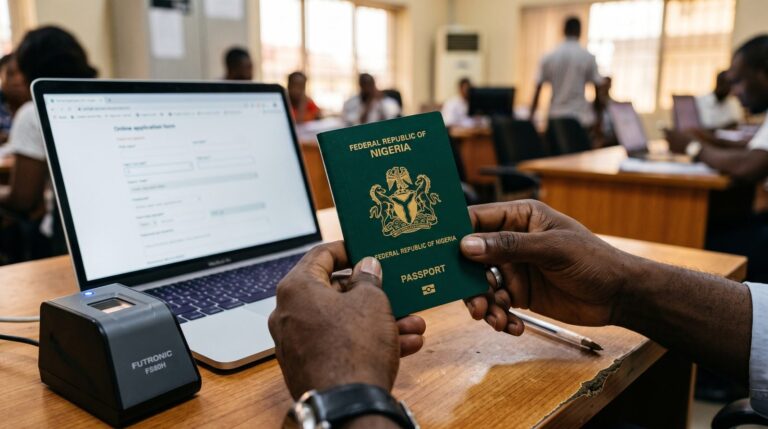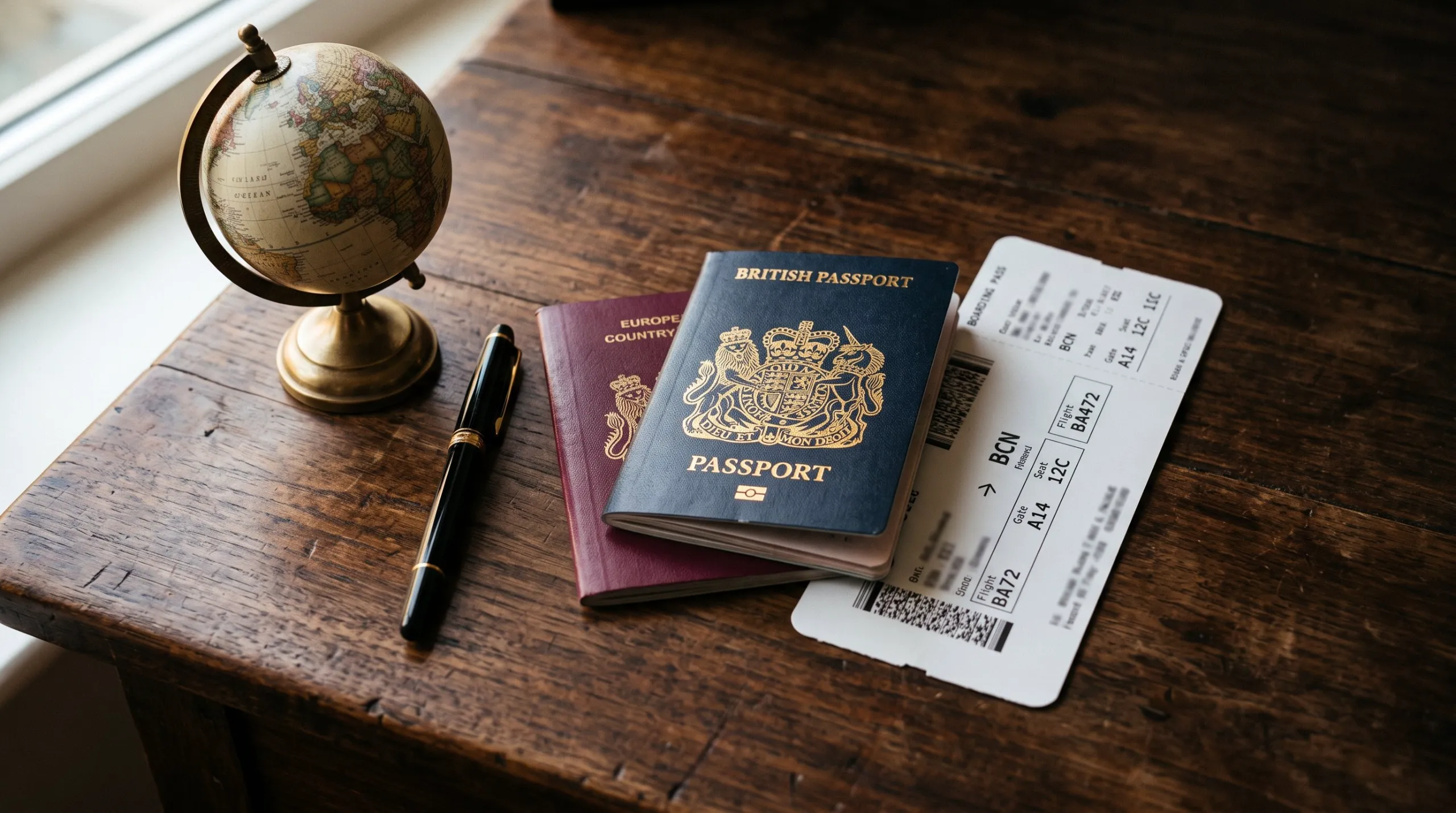

A second passport used to be something only the ultra-wealthy talked about. In 2026 it’s a mainstream conversation among frequent travelers, dual nationals, and digital nomads who’ve hit the practical limits of a single passport — whether that’s visa-free access, travel during a political dispute between your country and your destination, or simply not wanting all your eggs in one document. Here’s what a second passport actually gets you, and the realistic paths to getting one.
What a Second Passport Actually Solves
- Broader visa-free access — if your primary passport ranks low on global mobility, a second one from a stronger-ranked country can open destinations that would otherwise require lengthy visa applications. See our full 2026 passport strength ranking to see exactly where your current passport(s) stand.
- A backup during diplomatic disputes — when relations sour between your home country and a destination, dual nationals can often still travel on the unaffected passport.
- Simpler banking and business — some jurisdictions are easier to open accounts or register companies in in with local or regional citizenship.
- Redundancy — a lost, stolen, or expired passport doesn’t strand you if you’re carrying a second, valid one.
The Legitimate Paths to a Second Citizenship
| Path | Typical Timeline | Notes |
|---|---|---|
| Citizenship by descent | Months | If a parent or grandparent was a citizen of another country — the fastest path where it applies, but only applies if you qualify |
| Naturalization through residency | 5-10 years typically | Standard path in most countries; requirements include language, civics knowledge, and continuous residence |
| Marriage to a citizen | 1-5 years, varies widely | Often has a reduced residency requirement, but rules on cohabitation and interviews vary sharply by country |
| Citizenship or residency by investment | Months to a few years | Available in a limited number of countries via real estate, government bonds, or a direct contribution; costs range widely and require careful due diligence on the program’s legitimacy |
Does Your Country Allow Dual Citizenship?
This is the question people skip and regret skipping. Not every country permits dual citizenship — some require you to formally renounce your original citizenship to naturalize elsewhere, which is a much bigger decision than simply “getting a second passport.” Before pursuing any path above, confirm your home country’s current position on dual nationality directly with its foreign ministry or a qualified immigration attorney, since policies do change and informal answers online are frequently outdated or country-specific in ways general articles (including this one) can’t fully capture.
Frequently Asked Questions
Can I use two passports on the same trip?
Yes, this is common practice for dual nationals — you typically exit and enter each country on the passport of that country’s citizenship (e.g., leave your home country on its passport, enter your second country of citizenship on that one), though rules and enforcement vary by country pair.
If I change my name after getting a second passport, do both need updating?
Yes — each passport is a separate legal document tied to a separate national registry, so a name change (for example after marriage) needs to be processed with each country separately. Our passport name change after marriage guide walks through the process for one such update.
Is citizenship by investment safe?
Legitimate government-run programs exist and are legal, but the space also attracts scams and unlicensed intermediaries. Work only with licensed agents recognized by the issuing government, verify the program directly on the relevant government’s official site, and be skeptical of any offer promising an unusually fast or unusually cheap outcome.
Related reading: The World’s Strongest (and Weakest) Passports in 2026 · Passport Name Change After Marriage: Full 2026 Guide
Official sources to check before you apply or travel
- GOV.UK foreign travel advice (entry requirements by country)
- Government of Canada travel advice and advisories
Visa rules, fees, processing times and entry requirements change often. Always confirm the current requirements on the official government website, or with the embassy or consulate, before you apply, pay or travel. One Visa Center is an independent information site, not a law firm or government agency, and this article is not legal advice. Read how we research, fact-check and use AI tools in our Editorial Policy.
Get visa, passport, and travel-planning guides like this one sent straight to your inbox — plus first access to new country guides and scholarship roundups.