Top Travel Kennels for Dogs: Your Ultimate Guide to Safe Journeys
Traveling with your beloved dog can be one of life’s greatest joys. Whether it’s a short trip to the vet, a cross-country adventure, or an international flight, ensuring your canine companion’s safety and comfort is paramount. A high-quality travel kennel for dogs is not just a convenience; it’s a vital piece of equipment that provides security, reduces stress, and complies with travel regulations.
Choosing the right travel kennel can feel overwhelming with so many options available. This comprehensive guide will walk you through everything you need to know, from understanding different types of kennels to selecting the perfect size and preparing your dog for a smooth journey. Our goal is to empower you with the knowledge to make an informed decision, ensuring every trip with your dog is as enjoyable and safe as possible.
Key Takeaways for Choosing Your Dog’s Travel Kennel
- Prioritize Safety Features: Look for crash-tested options for car travel and secure latches for all types of journeys.
- Size and Ventilation are Crucial: The kennel must be large enough for your dog to stand, turn around, and lie down comfortably, with ample airflow.
- Material Choice Matters: Soft-sided, hard-sided plastic, and wire kennels each offer unique benefits for different travel scenarios.
- Understand Airline Requirements: If flying, ensure your travel kennel for dogs meets specific airline dimensions and ventilation standards.
- Positive Introduction Prevents Stress: Acclimate your dog to their kennel with positive reinforcement long before travel day.
Why a Travel Kennel is Essential for Your Dog’s Safety and Comfort
A travel kennel for dogs offers much more than just a place to put your pet. It provides a secure, familiar space that can significantly reduce anxiety during transit. For many dogs, their kennel becomes a den, a safe haven where they feel protected and comfortable, even in new environments.
Beyond Just a Box: The Role of a Good Kennel
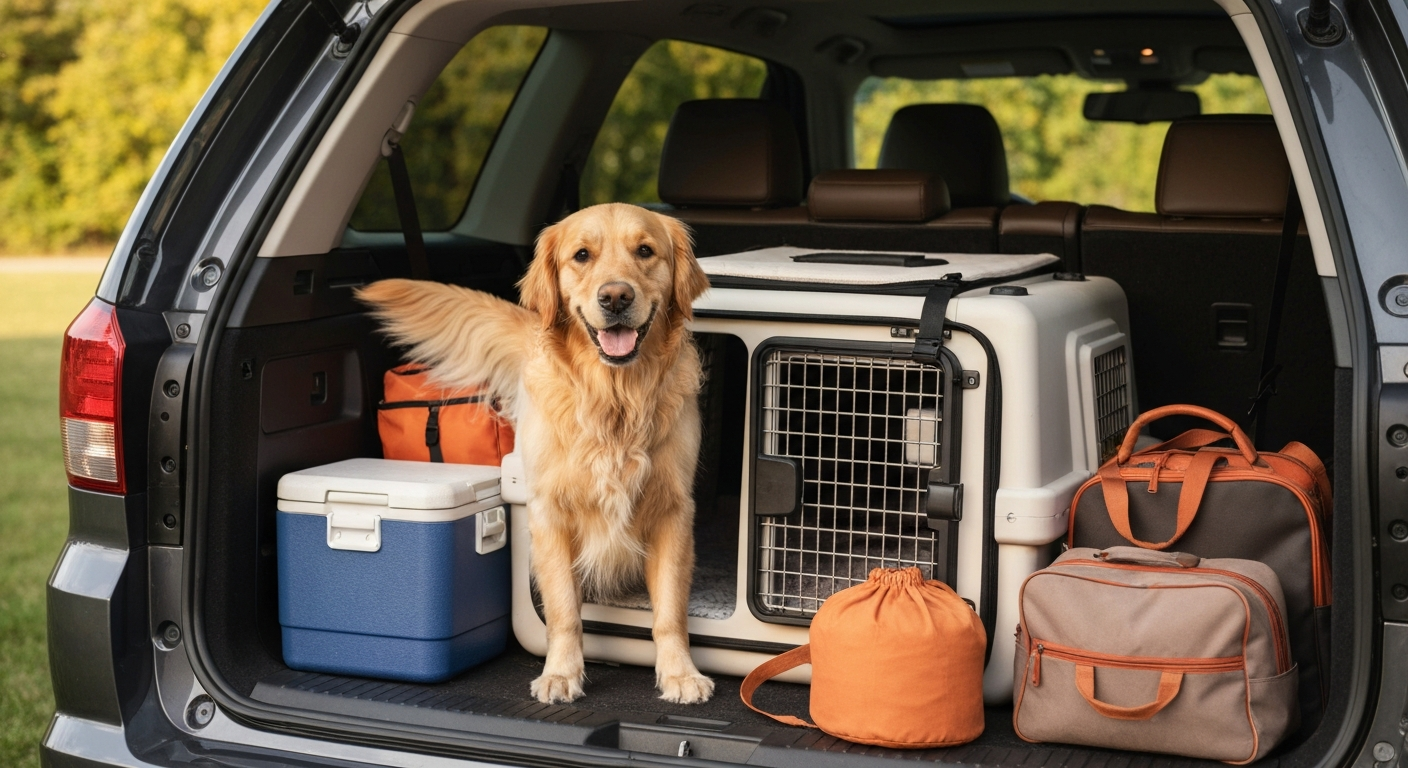
In a moving vehicle, a travel kennel prevents your dog from becoming a distraction to the driver. It also protects them from sudden stops or accidents, acting as a safety restraint. For air travel, it’s a non-negotiable item, ensuring your dog’s safety in the cargo hold or cabin, depending on their size.
Legal and Safety Requirements
Many states have laws regarding pet restraints in vehicles, and a secure travel kennel often satisfies these requirements. Airlines have strict guidelines for pet carriers, which are designed for the animal’s welfare during flights. Choosing a kennel that meets these standards is crucial for compliance and safety.
Types of Travel Kennels: Finding Your Perfect Match
The market offers a diverse range of travel kennels, each designed with specific purposes in mind. Understanding the differences will help you choose the best fit for your dog and your travel plans.
Soft-Sided Kennels: Lightweight and Convenient
Soft-sided kennels are typically made from fabric, mesh, and sometimes a lightweight metal frame. They are excellent for short car trips, as a portable den in hotels, or for small dogs traveling in the cabin of an airplane (if airline approved). They are lightweight, often foldable, and easy to store, making them a popular choice for convenience.
Hard-Sided Plastic Kennels: Durable and Versatile
These kennels are robust and provide superior protection. Made from durable plastic, they are easy to clean and often meet airline cargo requirements. Hard-sided kennels are ideal for larger dogs, longer car journeys, and situations where maximum security is needed. Their sturdy construction helps protect against impacts.
Wire Kennels: Excellent Ventilation and Visibility
Wire kennels offer excellent airflow and allow your dog to see their surroundings, which can be reassuring for some pets. While often used for home training, foldable wire kennels can serve as a travel option for car trips or as a temporary setup in destination accommodations. They are generally not suitable for air travel due due to specific regulations.
Airline-Approved Kennels: Specific Requirements
When flying, your travel kennel for dogs must meet strict airline standards for size, ventilation, construction, and sometimes even water/food dish access. These are typically hard-sided for cargo travel, or specific soft-sided carriers for in-cabin use. Always check your chosen airline’s specific pet policy well in advance of your trip.
Crash-Tested Car Kennels: Maximum Road Safety
For ultimate peace of mind during road trips, crash-tested travel kennels are the gold standard. These kennels have undergone rigorous testing to ensure they protect your dog in the event of a collision. While often heavier and more expensive, they offer unparalleled safety for your canine co-pilot.
Key Factors to Consider When Choosing a Travel Kennel
Selecting the right travel kennel involves more than just picking a pretty color. Several critical factors directly impact your dog’s safety, comfort, and your convenience.
Sizing It Right: Comfort and Safety
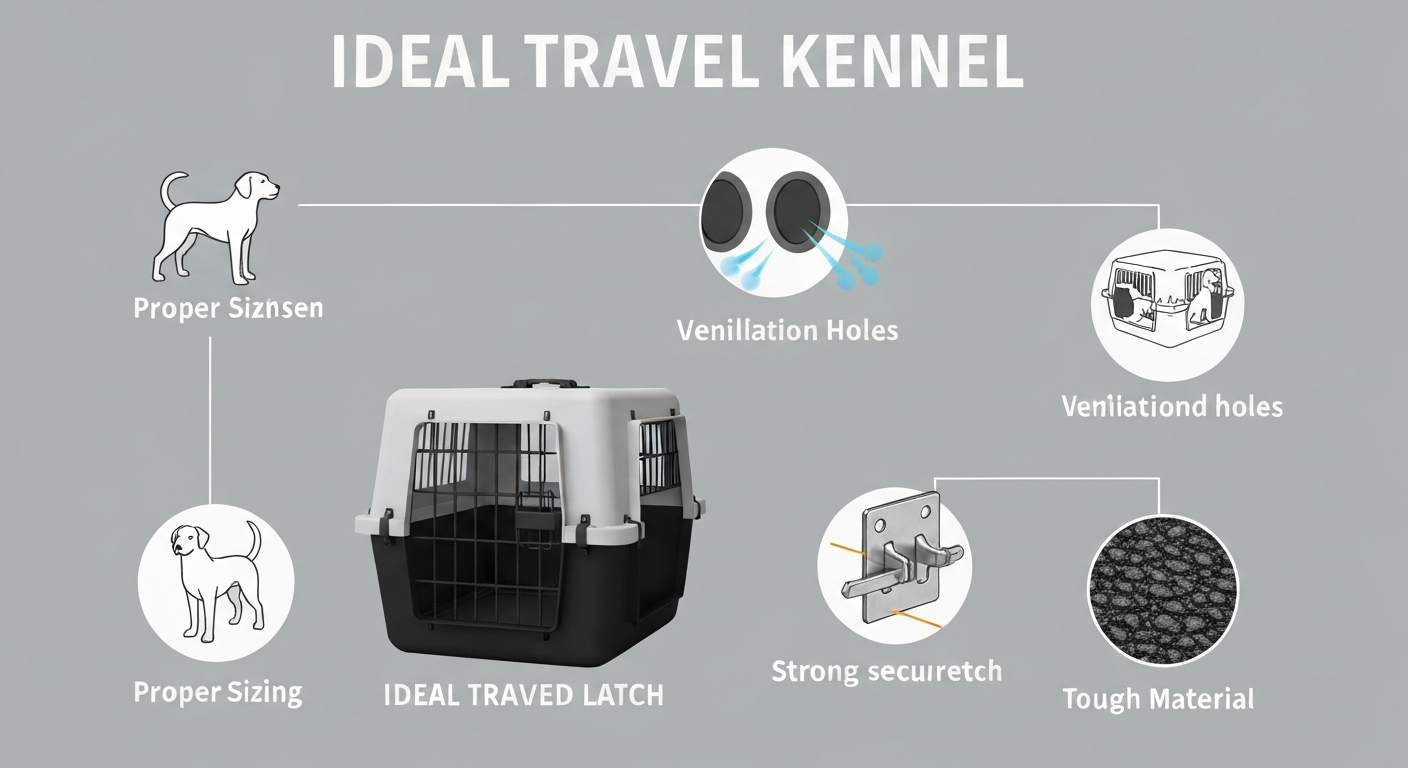
Proper sizing is non-negotiable. Your dog must be able to stand up, turn around, and lie down in a natural position inside the kennel. If it’s too small, it’s uncomfortable and potentially harmful. If it’s too large, your dog might slide around, increasing the risk of injury during travel.
Material and Durability
The material dictates the kennel’s durability, weight, and ease of cleaning. Plastic offers a good balance of strength and manageability. Fabric is lighter but less protective. Wire provides visibility but is not always ideal for all travel types. Consider how frequently you’ll travel and the type of wear and tear the kennel will endure.
Ventilation and Airflow
Adequate ventilation is essential to prevent overheating, especially during warmer weather or long journeys. Look for kennels with multiple mesh windows or ample openings that allow fresh air to circulate freely. Good airflow is not just about comfort; it’s a health and safety requirement.
Ease of Cleaning and Portability
Accidents happen, so a kennel that’s easy to clean is a huge plus. Plastic kennels can often be wiped down or hosed off. Consider portability as well; collapsible or lightweight options are easier to transport and store when not in use. Wheels can also be a helpful feature for larger kennels.
Security Features
Check for secure latches, reinforced doors, and sturdy construction. Your dog should not be able to escape the kennel, nor should the kennel accidentally open during transit. For car travel, look for options with tie-down straps or built-in seatbelt loops to secure the kennel in place.
Comparison of Popular Travel Kennel Types
| Feature | Soft-Sided Kennel | Hard-Sided Plastic Kennel | Wire Kennel (Foldable) |
| **Portability** | Excellent (foldable, lightweight) | Good (some models have wheels, but can be bulky) | Good (foldable, but can be heavy) |
| **Durability** | Moderate (can be chewed, fabric can tear) | Excellent (impact resistant, chew resistant) | Excellent (very strong, chew resistant) |
| **Ventilation** | Good (mesh windows) | Good (vents on sides, back, and sometimes top/door) | Excellent (open wire construction) |
| **Cleaning** | Moderate (fabric can stain, covers often washable) | Excellent (easy to wipe or hose down) | Good (easy to wipe, can rust if not properly dried) |
| **Airline Use** | Limited (small dogs in cabin only, specific specs) | Excellent (most cargo and some cabin use, specific specs) | Not suitable for air travel |
| **Car Safety** | Low (minimal impact protection) | Good (provides a barrier, some are crash-tested) | Good (provides a barrier, can be secured) |
| **Best For** | Short trips, small dogs, hotel stays | Longer trips, all dog sizes, air travel, maximum security | Home use, car trips, temporary setups, training |
Preparing Your Dog for Travel Kennel Success
Introducing your dog to their travel kennel properly can make a world of difference in their comfort level during travel. A positive association is key to a stress-free experience for everyone.
Positive Reinforcement and Acclimation
Start by placing the kennel in a comfortable, quiet area of your home. Leave the door open and allow your dog to explore it at their own pace. Encourage them with treats, toys, and praise when they go inside. Feed meals near or inside the kennel to build a positive association. Gradually increase the time they spend inside with the door closed.
Making the Kennel a Safe Haven
Place a familiar blanket or their favorite toy inside the kennel to make it feel like home. Never use the kennel as a punishment tool, as this will create negative associations. The goal is for your dog to view their travel kennel as a secure and comforting den.
Essential Accessories for Travel
Consider adding a spill-proof water bowl and a comfortable, absorbent pad. For longer trips, a small, engaging chew toy can help keep your dog occupied. Always ensure any accessories are securely placed and do not pose a choking hazard or block ventilation.
“A travel kennel isn’t just a container; it’s a mobile sanctuary for your pet. Investing time in positive kennel training beforehand can transform a potentially stressful journey into a calm and comfortable adventure for your dog.” – Dr. Emily R. Carter, Veterinary Behaviorist
Top Recommendations for Travel Kennels
While specific brands vary, focusing on the features that make a kennel ideal for certain situations will guide your choice. Here are general recommendations based on common travel needs.
For Road Trips
For car travel, prioritize safety and comfort. Hard-sided plastic kennels with good ventilation are excellent. If possible, invest in a crash-tested model that can be securely fastened with seatbelts or anchors. These offer the best protection against sudden stops or collisions, ensuring your dog’s safety on the road.
For Air Travel
Airline travel demands strict adherence to regulations. For in-cabin travel with small dogs, a soft-sided carrier that fits under the seat is often required. For larger dogs traveling in cargo, a sturdy, hard-sided kennel with proper ventilation, labeling, and specific dimensions is essential. Always double-check your airline’s pet policy before purchasing.
For Everyday Use and Versatility
If you need a kennel for various scenarios, such as short car rides, vet visits, or as a temporary den in new places, a versatile hard-sided or even a well-constructed soft-sided option is ideal. Look for features like easy assembly, portability, and robust construction that can handle frequent use.
Conclusion
Choosing the right travel kennel for dogs is a critical step in ensuring safe, comfortable, and stress-free adventures with your furry friend. By considering factors like size, material, ventilation, and specific travel requirements, you can select a kennel that meets both your dog’s needs and your peace of mind. Remember, proper introduction and positive reinforcement will help your dog embrace their kennel as a secure and comforting space, making every journey a happy one.
Invest the time to research and choose wisely, and you’ll be well-prepared for countless memorable trips with your canine companion. Happy travels!
Frequently Asked Questions About Travel Kennels for Dogs
Q1: How do I know what size travel kennel my dog needs?
A1: Your dog must be able to stand up without hitting their head, turn around completely, and lie down in a natural position. Measure your dog’s height from the top of their head to the ground, and their length from nose to tail. Add a few inches to these measurements for the kennel’s interior dimensions.
Q2: Can I use a wire kennel for air travel?
A2: Generally, no. Most airlines do not permit wire kennels for cargo travel due to safety and containment concerns. They typically require hard-sided plastic kennels with specific ventilation and construction standards. Always check your airline’s specific pet policy.
Q3: How can I help my dog feel comfortable in their travel kennel?
A3: Introduce the kennel gradually and positively. Place familiar bedding and toys inside, offer treats, and feed meals in the kennel. Never use it for punishment. Make it a positive, safe space, and gradually increase the time your dog spends inside.
Q4: Are crash-tested travel kennels really worth the extra cost?
A4: Yes, for car travel, crash-tested kennels offer the highest level of protection for your dog in the event of an accident. While they may be more expensive, the added safety and peace of mind they provide are invaluable, similar to car seats for children.
Q5: How often should I clean my dog’s travel kennel?
A5: It’s best to clean your dog’s travel kennel after every trip, especially if they have accidents or shed a lot. For regular use, a thorough cleaning at least once a month, or more frequently if needed, will help maintain hygiene and keep it smelling fresh.