Unlock Family Adventures: Your Guide to the Best Travel 7 Seaters
Planning a family road trip or a group getaway? The thought of fitting everyone and everything comfortably can seem like a puzzle. For many, a standard car just doesn’t offer the space or flexibility needed for true travel adventures. This is where the mighty travel 7 seater steps in, transforming logistical headaches into seamless journeys.
Imagine embarking on a long drive with enough room for luggage, sports gear, and even a cooler, all while every passenger enjoys their own personal space. A 7-seater vehicle isn’t just about extra seats; it’s about unlocking new possibilities for exploration, bonding, and creating unforgettable memories on the open road. It’s an investment in comfort, safety, and the joy of shared experiences.
As an SEO expert and content writer focused on E-E-A-T, we understand the importance of making informed decisions for your travel needs. We’ve delved deep into the world of 7-seater vehicles to bring you a comprehensive guide. Our goal is to equip you with the knowledge to choose the perfect travel companion that meets your family’s unique demands.
This article will explore why a 7-seater is often the best choice for group travel, what features to prioritize, the different types available, and how to make the most of your vehicle. Let’s embark on this journey to find your ideal travel solution, ensuring every trip is as comfortable and enjoyable as the destination itself.
Key Takeaways for Your 7-Seater Journey:
- Versatility is Key: A 7-seater offers unmatched flexibility for passenger and cargo configurations, adapting to various travel needs.
- Prioritize Safety Features: Look for advanced driver-assistance systems and robust crash test ratings for peace of mind on the road.
- Balance Comfort and Utility: Ensure ample legroom, adjustable seating, and smart storage are available for all occupants.
- Consider Fuel Efficiency: While space is crucial, engine performance and fuel economy impact long-term travel costs.
- Match Vehicle Type to Lifestyle: Whether an SUV, minivan, or crossover, choose a 7-seater that aligns with your specific travel habits and terrain.
Why a 7-Seater is Essential for Modern Travel
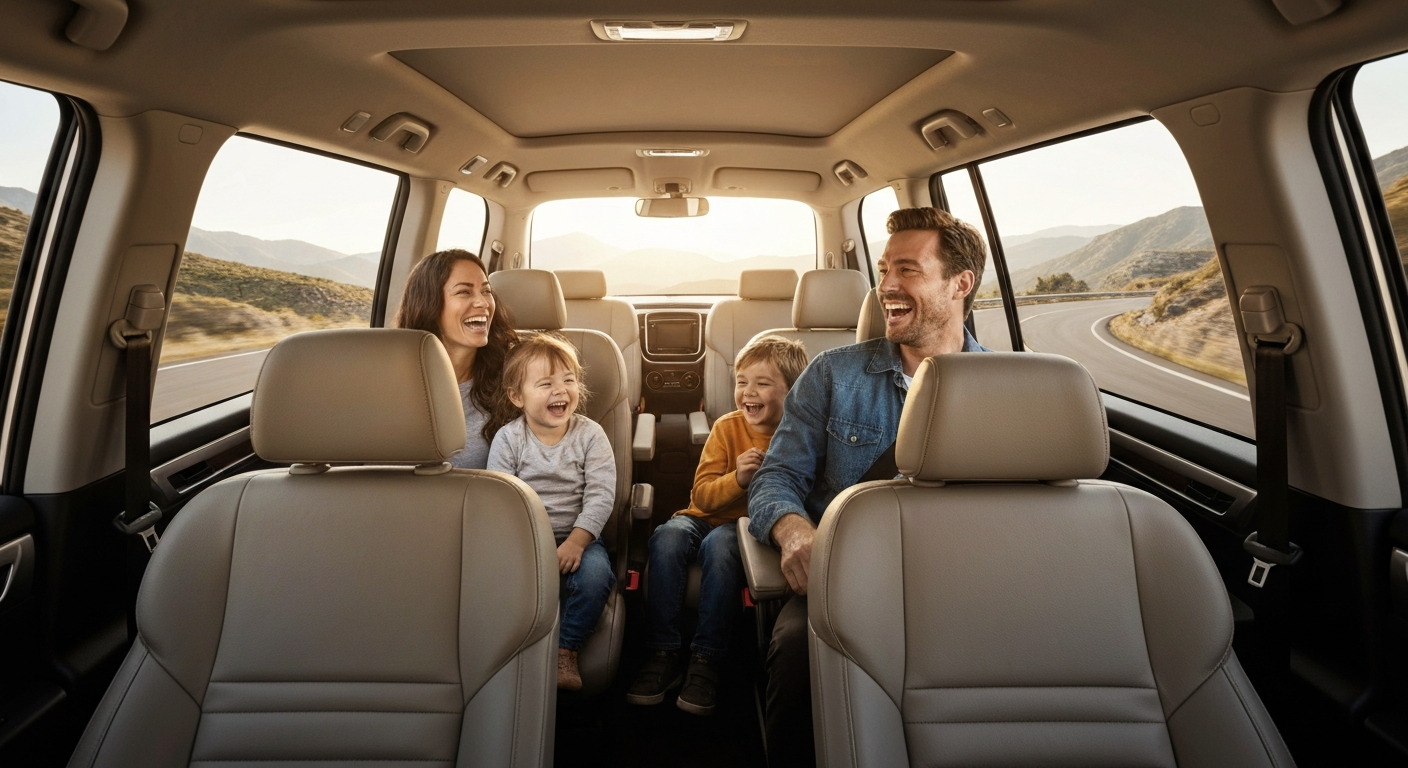
The modern family or group often has diverse needs when it comes to transportation. From daily commutes with carpools to cross-country expeditions, a vehicle that can adapt is invaluable. A travel 7 seater goes beyond mere practicality; it offers a foundation for richer, more inclusive journeys where no one is left behind.
Space for Everyone and Everything
One of the most immediate benefits of a 7-seater is the sheer amount of space it provides. This isn’t just about fitting seven people; it’s about giving each person adequate legroom and shoulder room, reducing the feeling of being cramped on long drives. Furthermore, when not all seats are in use, they can often be folded down, revealing an impressive cargo area for luggage, camping gear, sports equipment, or even bulkier items for a family move. This flexibility is a game-changer for active lifestyles.
Comfort on Long Journeys
Long trips can be exhausting, but a well-designed 7-seater aims to mitigate this. Features like multi-zone climate control, comfortable upholstery, and even individual entertainment screens in some models can significantly enhance the travel experience. Passengers in the second and third rows often benefit from reclining seats, dedicated air vents, and charging ports, making every mile more enjoyable. Choosing a vehicle that prioritizes passenger comfort means arriving at your destination refreshed and ready to explore.
Safety First for Your Loved Ones
When traveling with family or friends, safety is always the top priority. Modern 7-seater vehicles are engineered with advanced safety features designed to protect every occupant. This includes multiple airbags, anti-lock brakes, electronic stability control, and increasingly, sophisticated driver-assistance systems. Features like blind-spot monitoring, lane-keeping assist, adaptive cruise control, and automatic emergency braking provide an extra layer of protection, making your travels safer and less stressful.
Key Features to Look for in a Travel 7 Seater
Selecting the ideal travel 7 seater involves more than just counting seats. It requires a careful evaluation of features that align with your specific travel patterns and priorities. Understanding what makes a great 7-seater can help you narrow down the options and make an informed choice that will serve you well for years to come.
Seating Configuration and Flexibility
Not all 7-seaters are created equal when it comes to seat arrangement. Some offer a 2-3-2 setup, while others might have a 2-2-3 configuration with captain’s chairs in the second row, offering easier access to the third row. Look for seats that can slide, recline, fold flat, or even be removed entirely. This adaptability is crucial for balancing passenger comfort with cargo space, allowing you to reconfigure the interior based on the demands of each trip.
Cargo Capacity and Storage Solutions
Beyond the main trunk space, consider the smaller storage solutions within the cabin. Are there enough cup holders, door pockets, and cubbies for everyone’s essentials? Under-floor storage, roof rails for external carriers, and clever compartments can make a huge difference in keeping the interior tidy and organized, especially on longer journeys. A well-thought-out storage system prevents clutter and ensures easy access to frequently used items.
Fuel Efficiency and Engine Performance
For long-distance travel, fuel efficiency is a significant factor in overall running costs. While larger vehicles naturally consume more fuel, many modern 7-seaters offer impressive economy, especially those with hybrid or diesel engine options. Evaluate the engine’s power and torque as well; you’ll want enough grunt to comfortably carry a full load of passengers and luggage, especially when navigating hills or overtaking on highways. A balanced approach to power and efficiency is key.
Technology and Infotainment
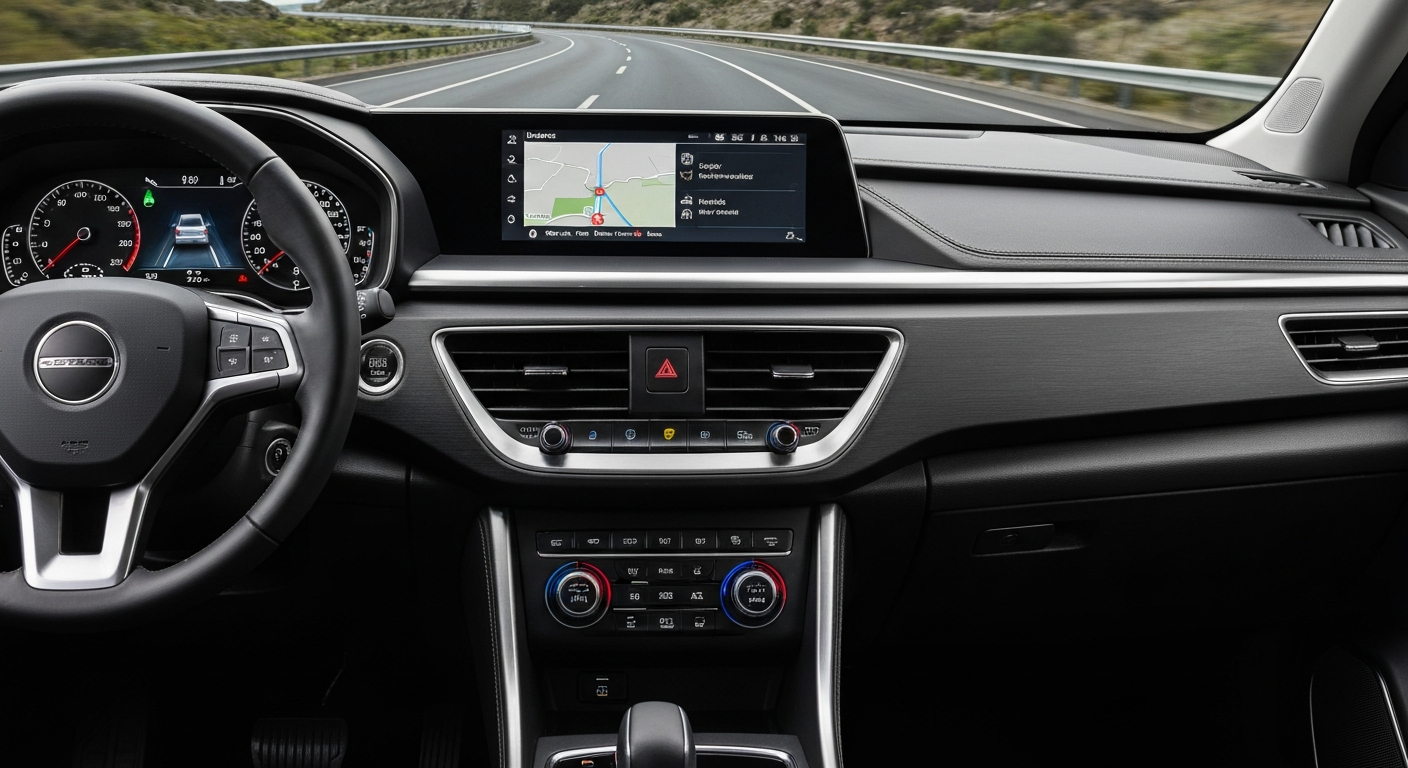
Modern travel is often enhanced by technology. Look for a 7-seater with an intuitive infotainment system, complete with Apple CarPlay, Android Auto, and satellite navigation. USB charging ports in all rows, a Wi-Fi hotspot, and even rear-seat entertainment systems can keep everyone connected and entertained. These features are particularly valuable for keeping younger passengers engaged during extended periods in the car, reducing potential boredom and distractions.
Advanced Safety Systems
Beyond the standard airbags and ABS, delve into the advanced safety suite. Features like pedestrian detection, rear cross-traffic alert, a 360-degree camera system, and parking assist can dramatically improve safety and ease of driving. These technologies act as an extra pair of eyes and hands, helping to prevent accidents and making maneuvering a large vehicle much simpler, especially in busy urban environments or tight parking spots.
Popular Types of 7-Seaters for Travel
The market for 7-seater vehicles is diverse, offering options across different categories to suit various preferences and needs. Each type brings its own set of advantages, catering to specific travel styles and priorities. Understanding these distinctions can help you determine which category best fits your family’s adventures.
SUVs: Rugged and Versatile
Sport Utility Vehicles (SUVs) are a popular choice for their robust appearance, higher driving position, and often, all-wheel-drive capabilities. A 7-seater SUV combines family-hauling practicality with the ability to tackle various terrains, making them ideal for adventurous families who might venture off the paved road occasionally. They offer a commanding presence and a sense of security, often featuring strong towing capacities for trailers or boats.
Minivans: The Ultimate Family Hauler
Minivans are purpose-built for families, excelling in passenger comfort and practicality. Known for their sliding doors, low floor for easy entry, and incredibly flexible interior configurations, minivans often offer the most spacious third row and maximum cargo volume. They might not have the rugged appeal of an SUV, but for sheer passenger-carrying efficiency, ease of access, and family-friendly features, minivans are hard to beat.
Crossovers: Blending the Best of Both
Crossover Utility Vehicles (CUVs) blend elements of SUVs with car-like handling and fuel efficiency. Many 7-seater crossovers offer a good compromise between the spaciousness of a minivan and the styling of an SUV, without the full bulk or higher running costs of a traditional SUV. They are often a great choice for urban families who need extra seats occasionally but prioritize nimble driving and better fuel economy for daily use.
Choosing the Right 7-Seater for Your Needs
Making the final decision on a travel 7 seater involves weighing several personal factors against the vehicle’s characteristics. There’s no one-size-fits-all answer, but by considering your specific situation, you can pinpoint the perfect match.
| Feature | 7-Seater SUV | 7-Seater Minivan | 7-Seater Crossover |
| **Primary Use** | Adventure, towing, varied terrain | Family hauler, long trips, daily commutes | Urban travel, occasional extra seats, fuel efficiency |
| **Cargo Space** | Good, often vertical | Excellent, especially with seats folded | Moderate, good for daily needs |
| **Third-Row Access** | Can be tighter, requires more effort | Easiest, wide sliding doors | Varies, often similar to smaller SUVs |
| **Fuel Economy** | Moderate (can be lower with large engines) | Good (often better than large SUVs) | Very Good (car-like efficiency) |
| **Driving Feel** | Higher, more commanding, less nimble | Smooth, car-like, easy to maneuver | Nimble, car-like, easy to park |
| **Towing Capacity** | Often highest | Moderate | Lowest among 7-seaters |
| **Typical Price** | Mid to High | Mid-range | Lower to Mid-range |
Consider Your Family Size and Age
If you regularly travel with seven adults or older children, prioritize a 7-seater with a genuinely usable third row offering decent legroom and headroom. For families with younger children in car seats, ensure there are enough LATCH anchors and easy access to secure them. The number of car seats you need to fit simultaneously will heavily influence your choice.
Think About Your Typical Trips
Are you primarily driving in the city, or do you frequently embark on long highway journeys? Do you encounter rough roads, or is your travel mostly on well-paved surfaces? Your typical travel environment and distances will guide your decision on aspects like fuel efficiency, suspension comfort, and whether all-wheel drive is a necessity. A vehicle suited for urban commutes might not be ideal for off-road adventures.
Budget and Running Costs
Beyond the initial purchase price, consider the long-term costs of ownership. This includes fuel, insurance, maintenance, and potential depreciation. Research different models’ reliability ratings and common repair costs. Sometimes, a slightly higher upfront cost for a more fuel-efficient or reliable vehicle can save you significant money over its lifespan, making it a smarter overall investment for your travel budget.
Maximizing Your 7-Seater Travel Experience
Owning a travel 7 seater is just the first step; making the most of its capabilities requires a bit of planning and smart utilization. With the right approach, you can turn every journey into a smooth, enjoyable experience for everyone on board.
Smart Packing Tips
With ample space comes the temptation to overpack. Plan your luggage carefully, utilizing roof boxes or cargo carriers if needed to free up interior space. Use soft bags that can conform to odd shapes, and organize items into smaller containers for easy access. Distribute weight evenly to maintain vehicle balance and handling, especially important when fully loaded.
Entertainment for All Ages
Keeping passengers, especially children, entertained is crucial for peaceful long-distance travel. Load tablets with movies and games, pack books and activity kits, and don’t forget headphones. Many modern 7-seaters come with built-in entertainment systems or multiple USB ports, making it easy to power devices. A well-curated playlist for the whole family can also work wonders in lifting spirits.
Maintenance for Peace of Mind
Regular maintenance is key to a reliable travel 7 seater. Follow the manufacturer’s recommended service schedule, pay attention to tire pressure and tread depth, and check fluid levels before long trips. A well-maintained vehicle not only performs better but also offers greater peace of mind, reducing the risk of unexpected breakdowns far from home. This proactive approach ensures your adventures stay on track.
The Future of 7-Seater Travel
The evolution of the travel 7 seater continues, driven by advancements in technology and shifting consumer demands. We can expect to see more electric and hybrid 7-seaters offering impressive range and reduced emissions, aligning with growing environmental consciousness. Autonomous driving features will likely become more sophisticated, enhancing safety and reducing driver fatigue on long journeys. Furthermore, car-sharing and subscription services for 7-seaters might become more prevalent, offering flexible access to these versatile vehicles without the commitment of ownership. The future promises even smarter, greener, and more connected ways to travel with your entire crew.
Conclusion
Choosing the right travel 7 seater is a significant decision that impacts your family’s comfort, safety, and overall enjoyment of journeys, big or small. By understanding your needs, exploring the available options, and prioritizing key features like flexibility, safety, and efficiency, you can find a vehicle that perfectly complements your adventurous spirit. Whether it’s the rugged appeal of an SUV, the unmatched practicality of a minivan, or the balanced versatility of a crossover, a 7-seater is more than just transportation; it’s a gateway to shared experiences and cherished memories on the road. Embrace the possibilities and embark on your next great adventure with confidence and comfort.
Frequently Asked Questions (FAQ)
Q1: What is the best 7-seater for a large family?
A1: The “best” depends on your specific needs. Minivans like the Honda Odyssey or Toyota Sienna generally offer the most spacious third rows and easiest access for large families, especially with young children. If you need more rugged capability or towing, a large SUV like the Chevrolet Tahoe or Ford Expedition might be better.
Q2: Are 7-seaters fuel-efficient?
A2: Fuel efficiency varies significantly by vehicle type and engine. Crossover 7-seaters often offer better fuel economy due to their car-like platforms. Many modern 7-seaters, including some SUVs and minivans, are also available with hybrid powertrains, which can drastically improve fuel efficiency, especially in city driving.
Q3: How do I access the third row in a 7-seater?
A3: Access to the third row typically involves folding or sliding the second-row seats. Minivans often feature wide sliding doors and easily collapsible second-row seats, making access straightforward. SUVs and crossovers may require more agility, though many now offer one-touch folding mechanisms for convenience.
Q4: Can I fit three car seats in a 7-seater?
A4: Fitting three car seats can be challenging in some 7-seaters, especially across the second row. It largely depends on the specific vehicle model and the width of your car seats. Minivans are generally best equipped for this, often having multiple LATCH anchor points. Always check the vehicle’s manual and test fit your car seats before purchasing.
Q5: What is the difference between a 7-seater SUV and a crossover?
A5: A 7-seater SUV typically has a body-on-frame construction, offering more ruggedness, higher towing capacity, and often better off-road capability. A 7-seater crossover, on the other hand, is built on a car-like unibody platform, providing a smoother ride, better fuel efficiency, and more car-like handling. Crossovers are generally lighter and more agile than traditional SUVs.