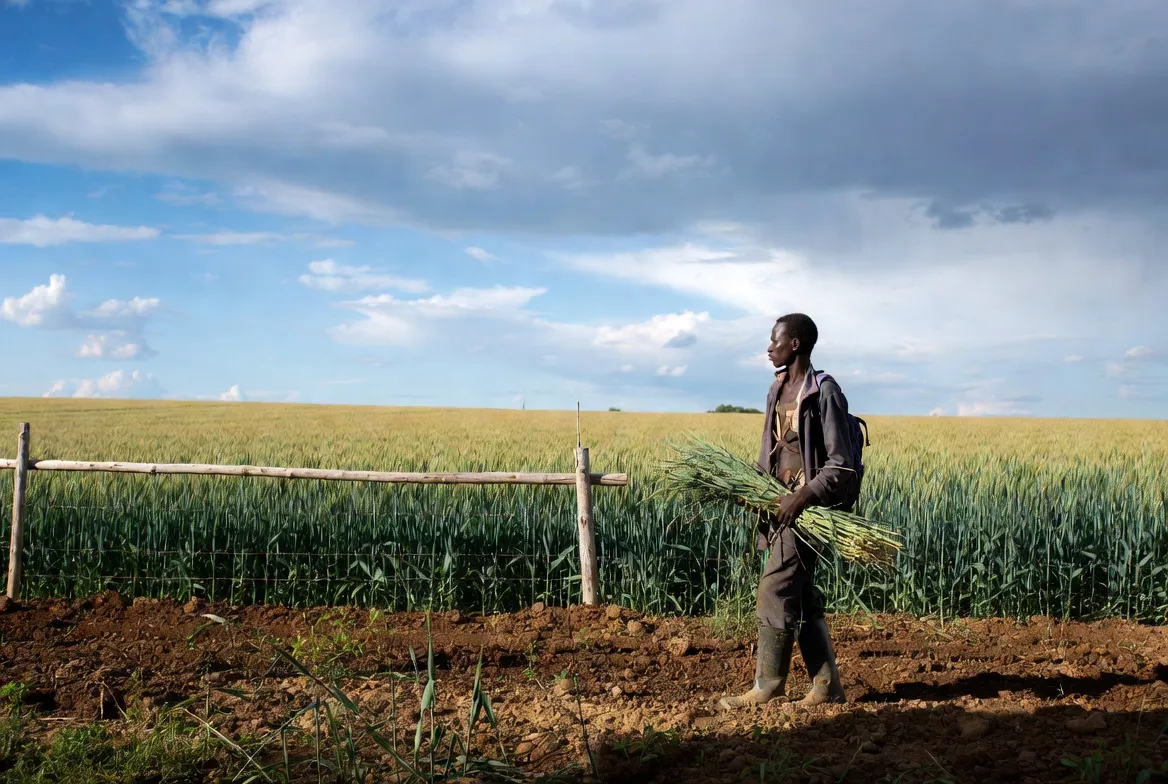

Moving to Canada as a farm or agricultural worker is possible if you follow the right programs and steps. Canada needs workers on farms, in greenhouses and in food processing, and this opens doors for many people from Africa.
If you are an agricultural worker in Africa, you can move to Canada mainly through temporary work permits and then, in some cases, apply for permanent residence. The most common paths are the Seasonal Agricultural Worker Program, the Temporary Foreign Worker Program for farm jobs, and the Agri Food Immigration Pilot for long term workers.
Key Takeaways
- Canada has special programs for farm workers, like SAWP, TFWP farm jobs and the Agri Food Pilot.
- You usually need a job offer from a Canadian farm or food company before you apply for a work permit.
- Basic rules include being at least 18, having farm experience, passing medical and police checks and meeting language and document requirements.
- Some African citizens can come under SAWP if their country has an agreement; others use regular farm streams of the Temporary Foreign Worker Program.
- With enough Canadian work experience, some workers can apply for permanent residence through the Agri Food Pilot.
Main Pathways For Agricultural Workers
1. Seasonal Agricultural Worker Program (SAWP)
The Seasonal Agricultural Worker Program lets Canadian farms hire foreign workers when they cannot find enough local workers. It is used for jobs like fruit picking, vegetable growing and caring for animals.
Key points:
- Workers can stay in Canada for up to about 8 months in a year.
- It is based on deals between Canada and certain countries, mostly Mexico and 11 Caribbean nations.
- You must be at least 18, have some farm experience and meet health and security rules.
- Employers often provide housing and pay part of travel costs.
Not every African country is part of SAWP, so many Africans use other farm work routes.
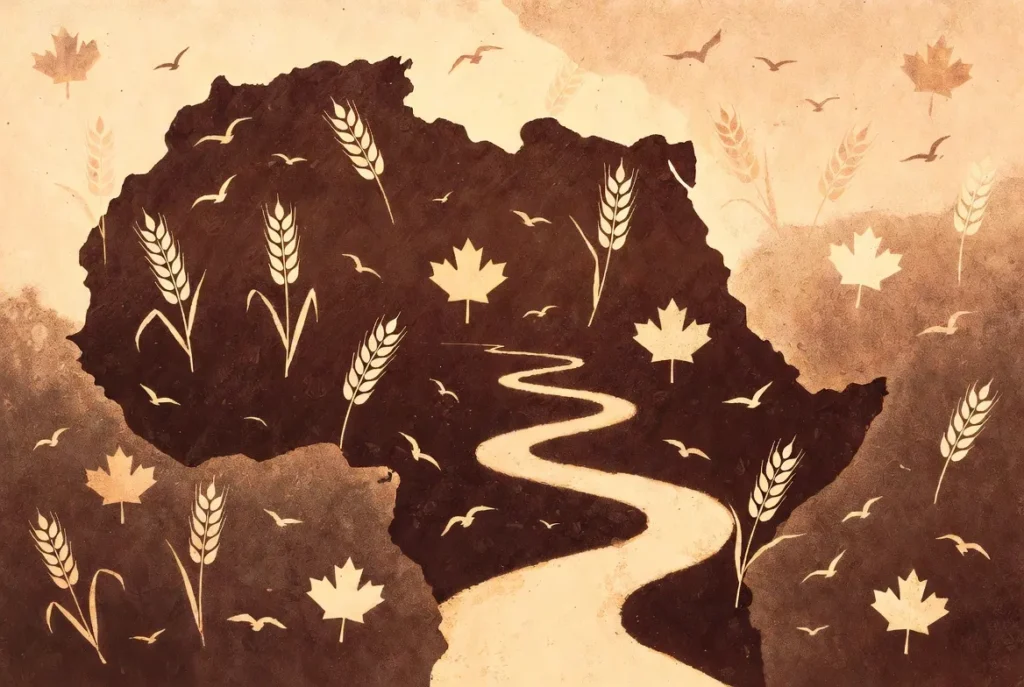
The image above represents an African farm worker planning the journey to work on a Canadian farm, including documents, flights and work in the fields.
2. Temporary Foreign Worker Program (TFWP) – Agricultural Stream
If your country is not in SAWP, you can still be hired under the agricultural streams of the Temporary Foreign Worker Program. This is common for greenhouse workers, livestock workers and general farm laborers.
Important features:
- The Canadian employer must first get a Labor Market Impact Assessment, which proves there are not enough Canadian workers.
- You then use the job offer and LMIA to apply for a work permit.
- Jobs may be seasonal or, in some cases, non seasonal, depending on the role and location.
This path is open to many African workers if they can connect with a legal, approved employer.
3. Agri Food Immigration Pilot
The Agri Food Immigration Pilot helps experienced farm and food workers move from temporary work to permanent residence. It is for non seasonal jobs in specific farm and food industries.
Basic eligibility includes:
- At least 12 months of full time, non seasonal Canadian work experience in an eligible agricultural or food job under the TFWP.
- A full time, permanent job offer in one of the listed occupations, outside Quebec.
- Language level of at least Canadian Language Benchmark 4 in English or French.
- At least a high school education or foreign equivalent.
- Enough settlement funds if required.
This is the main way for many long term farm workers to become permanent residents.
Quick Comparison Of Main Options
| Pathway | Type of stay | Key use |
|---|---|---|
| SAWP | Seasonal, up to 8 months | Short farm work for partner countries |
| TFWP agricultural streams | Temporary work permit | Farm and food jobs from many countries |
| Agri Food Immigration Pilot | Permanent residence path | For experienced non seasonal farm workers |
Step By Step: From Africa To A Canadian Farm Job
Step 1: Build Your Farm Experience
Canada prefers workers who already know farm work. You can:
- Work on farms, ranches or plantations in your home country.
- Learn skills like planting, harvesting, operating basic machinery and caring for animals.
- Get letters from past employers that show your experience.
Step 2: Research Real Programs And Employers
Use only trusted sources:
- Official site for agricultural workers: Government of Canada page on farm work and work permits.
- Well known immigration sites and licensed consultants that explain farm jobs and current rules.
Avoid anyone who asks you to pay just to apply for a job or who promises a visa without a real job offer.
Step 3: Find A Valid Job Offer
Most of the time, you must secure a job offer before you can apply for a work permit.
You can:
- Apply to farm worker jobs that say “LMIA available” or “visa sponsorship” on trusted job boards.
- Contact Canadian farm employers that are listed in official programs or with recruiting partners in your country.
- Work with your government’s labor office if they have a formal deal with Canada for seasonal workers.
The offer should be written, with job duties, pay, location and duration.
Step 4: Employer Applies For LMIA (If Needed)
For most TFWP jobs, the employer applies for a Labor Market Impact Assessment.
They must show:
- Efforts to hire Canadians first.
- Details about work conditions, wages and housing if provided.
You wait while they get the LMIA approved.
Step 5: Apply For Your Work Permit
Once you have a job offer and LMIA (or if LMIA not needed under some cases), you apply for a work permit.
You usually need:
- Valid passport.
- Work permit application forms.
- Job offer and LMIA numbers.
- Police clearance certificate.
- Medical exam results if required.
- Proof of experience, such as reference letters.
You submit to a visa office that serves your country, pay the fees and wait for a decision.
What Life And Work Look Like In Canada
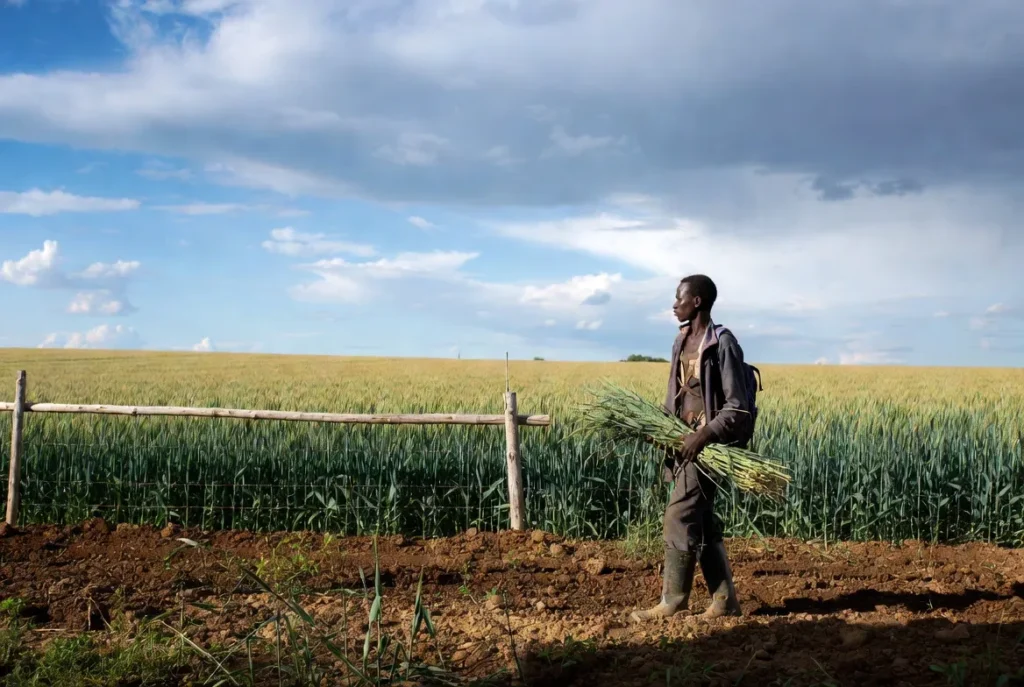
Farm work in Canada can be physically hard but it also offers steady pay and a path forward.
Typical conditions include:
- Pay around 15 to 20 Canadian dollars per hour, with more during busy seasons.
- Long hours during planting and harvest time, with overtime in some cases.
- Housing on or near the farm, sometimes shared with other workers.
- Work in different climates, from cold spring mornings to hot summer days.
Many workers send money home and also save to bring their family later if they qualify for permanent residence.
From Temporary Worker To Permanent Resident
If you hope to live in Canada long term, plan early.
Use The Agri Food Pilot
As explained, the Agri Food Pilot is a main road to permanent residence.
Key steps:
- Work for at least 12 months full time in a non seasonal farm or food job in Canada under TFWP.
- Keep your pay slips, contracts and records safe.
- Improve your English or French to at least level CLB 4.
- Make sure your job and employer are in the list of approved industries and occupations.
- Apply for permanent residence with all required forms, fees and proof of funds if needed.
Other Possible Paths
Some workers may later qualify for:
- Provincial nominee programs that have streams for workers in rural or agricultural regions.
- Other economic immigration programs if they gain more skills and language ability.
It is wise to talk with a licensed immigration consultant or lawyer to choose the right path.
Key Information Table For African Agricultural Workers
| Topic | What You Need To Know |
|---|---|
| Age and experience | At least 18 years old and with farm or related experience. |
| Country eligibility | Some African countries may use farm streams of TFWP; SAWP covers limited partner states. |
| Work permit requirement | Job offer first, then work permit with LMIA in most cases. |
| Health and police checks | Medical exam and police certificate are common requirements. |
| Path to permanent residence | Agri Food Pilot for non seasonal workers with 12 months of Canadian experience. |
Realistic Example Of A Journey
I am a 28 year old vegetable farmer from Kenya. I work on local farms for several years and keep letters from my bosses. I apply to a greenhouse worker job in Canada with an employer that has LMIA. After my job offer is approved, I apply for a work permit, pass my medical and travel to Canada. I work full time for more than 12 months and reach language level CLB 4. Because my job is in an eligible industry, I later apply through the Agri Food Pilot for permanent residence.
This shows how careful planning and legal programs can turn farm work into a long term future.
Frequently Asked Questions (FAQ)
1. Can I move to Canada as an agricultural worker without a job offer?
In most cases, no. For farm work programs like SAWP and TFWP agricultural streams, you need a job offer from an approved employer before you can get a work permit.
2. How much can I earn as a farm worker in Canada?
Wages vary by province and job type, but many farm workers earn between 15 and 20 Canadian dollars per hour, with overtime during busy times such as harvest.
3. Do Canadian farm employers provide housing?
Often yes, especially in seasonal programs like SAWP or some TFWP farm jobs. Employers may provide on farm housing and sometimes help with travel and basic needs.
4. Can I bring my family with me?
Some temporary work permits allow you to bring a spouse and children, but it depends on your job type and program. Many workers first come alone, then apply for permanent residence and family sponsorship later.
5. Is there a direct farm visa for permanent residence from Africa?
Most African agricultural workers first come on a temporary work permit. After gaining enough Canadian work experience, they can apply for permanent residence under the Agri Food Pilot or another program if they qualify.
6. How can I avoid fraud when looking for farm jobs?
Use official Canadian government websites, trusted recruiting partners and licensed immigration consultants. Do not pay large fees just for a job offer, and always confirm that your employer is real and has LMIA approval.
Final Tip For African Agricultural Workers
Always follow the official Government of Canada instructions when you plan your move, because rules, pilots and quotas can change. Combine your real farm experience, a legal job offer and patience, and you can build a strong, honest path from African fields to a new life on Canadian farms
Related Articles
- Cayman Visa Requirements: Simple Step By Step Guide
- Qatar Airways Visa Requirements: Clear Guide For 2026 Travelers
- Sample Travel Itinerary for Schengen Visa: Complete Guide with Templates
Get visa, passport, and travel-planning guides like this one sent straight to your inbox — plus first access to new country guides and scholarship roundups.