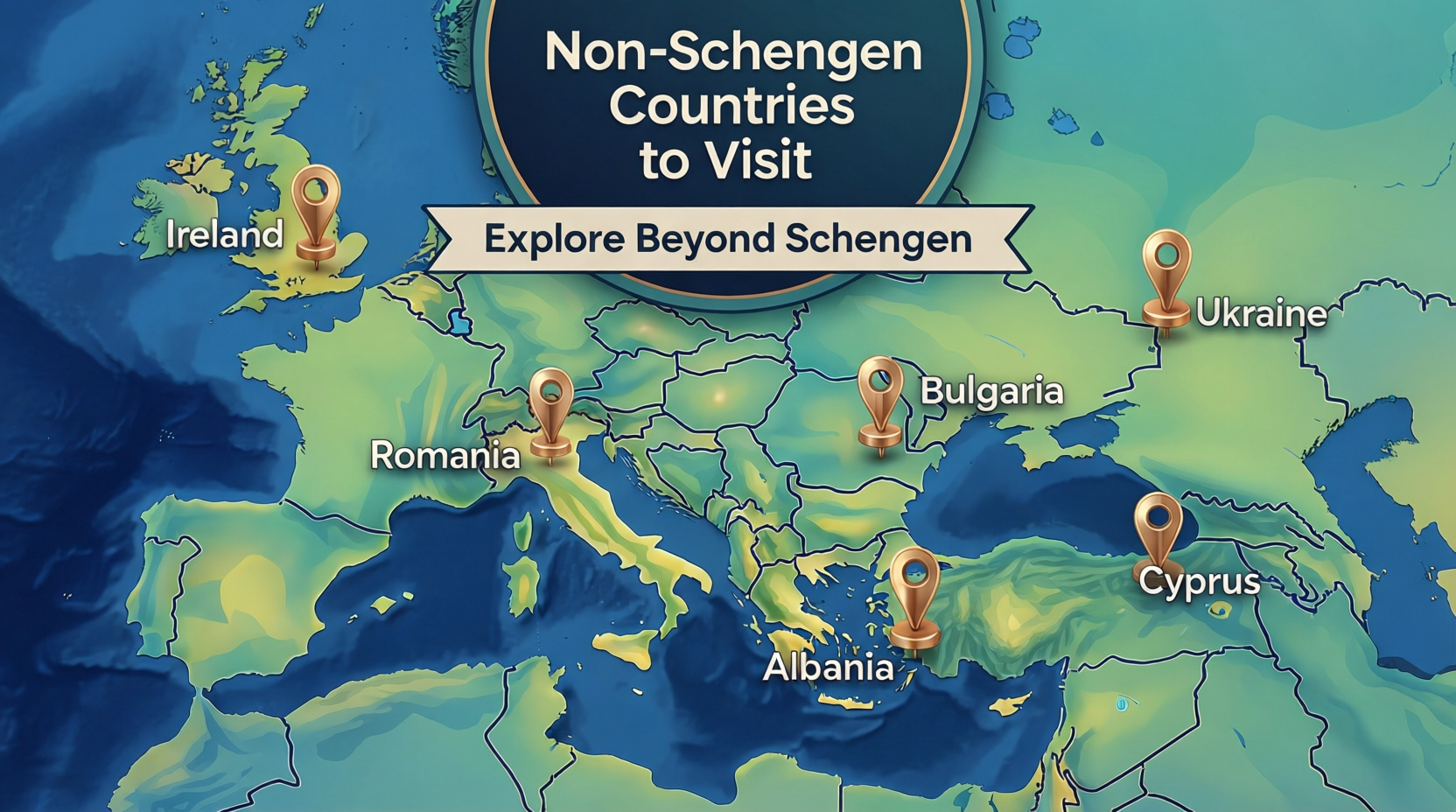

When most people think about traveling to Europe, they imagine Paris, Rome, or Barcelona. But some of the most beautiful and affordable destinations aren’t part of the Schengen Area at all. These non-Schengen countries offer incredible experiences, often with easier visa processes, lower costs, and fewer tourists.
Whether you’ve used up your 90-day Schengen limit, want to avoid complicated visa applications, or simply want to explore less crowded destinations, non-Schengen countries provide amazing alternatives. From the stunning beaches of Albania to the historic cities of the United Kingdom, these destinations deserve a spot on your travel list.
This guide explores the best non-Schengen countries to visit, covering everything from visa requirements to must-see attractions and travel costs.
Key Takeaways
- Many non-Schengen countries offer visa-free entry or visa on arrival for most nationalities
- Non-Schengen destinations are often more affordable than popular Western European cities
- You can visit non-Schengen countries without affecting your 90-day Schengen limit
- The UK, Ireland, Romania, Bulgaria, and Turkey are top non-Schengen destinations
- Some countries like Albania and Serbia require no visa for many travelers
- Non-Schengen countries often have fewer tourists and more authentic experiences
- Visa policies vary by nationality, so always check specific requirements
- These destinations offer diverse experiences from beach resorts to mountain hiking
Understanding Non-Schengen Countries
Before we explore the best destinations, let’s clarify what non-Schengen means.
What is the Schengen Area?
The Schengen Area is a zone of 29 European countries with no internal borders. Once you enter one Schengen country, you can travel freely between member states without additional passport checks.
Schengen members include: Most of Western and Central Europe (France, Germany, Italy, Spain, Netherlands, and 24 others)
What are Non-Schengen Countries?
Non-Schengen countries are nations that maintain their own border controls and visa policies. They have separate immigration rules independent of the Schengen system.
Why visit non-Schengen countries?
- Don’t count toward your 90-day Schengen limit
- Often have simpler visa processes
- Generally more affordable
- Less crowded with tourists
- Unique cultures and experiences
- Independent immigration and customs
European Non-Schengen Countries
In Europe but not Schengen:
- United Kingdom
- Ireland
- Romania
- Bulgaria
- Croatia (joining Schengen soon)
- Cyprus
- Albania
- Serbia
- Bosnia and Herzegovina
- Montenegro
- North Macedonia
- Kosovo
- Moldova
- Ukraine
- Belarus
- Turkey (partially in Europe)
Top Non-Schengen Countries to Visit in Europe
Let’s explore the best destinations with details on what makes them special.
1. United Kingdom
The UK remains one of Europe’s most popular destinations, offering world-class museums, historic landmarks, and vibrant cities.
Why visit:
- Rich history and culture
- Free museums in London
- Beautiful countryside (Lake District, Scottish Highlands)
- Excellent public transportation
- English-speaking (easy for many travelers)
Top attractions:
- London: Big Ben, Buckingham Palace, British Museum, Tower of London
- Edinburgh: Edinburgh Castle, Royal Mile, Arthur’s Seat
- Stonehenge: Ancient stone circle mystery
- Bath: Roman baths and Georgian architecture
- Liverpool: Beatles history and maritime heritage
Visa requirements:
- Many nationalities can visit visa-free for up to 6 months
- Some countries need a Standard Visitor Visa
- Check UK government website for your nationality
Average daily budget:
- Budget: 60-80 pounds
- Mid-range: 100-150 pounds
- Luxury: 200+ pounds
Best time to visit: May to September (though expensive), or April and October for fewer crowds
Travel tip: Book train tickets in advance for significant savings. Consider a BritRail pass for multiple journeys.
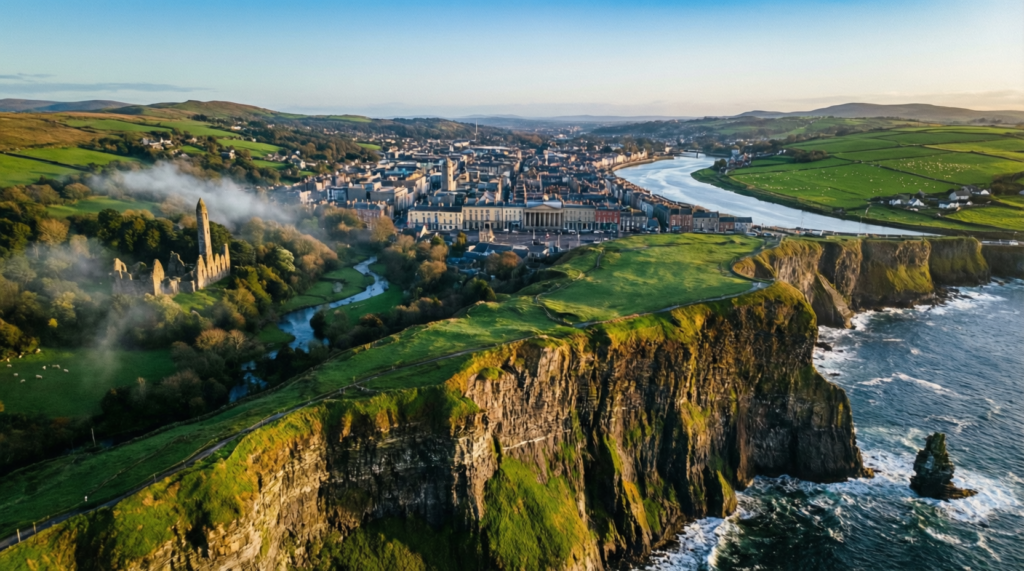
2. Ireland
Ireland offers stunning landscapes, friendly locals, and a relaxed pace of life. From Dublin’s pubs to the Cliffs of Moher, there’s magic around every corner.
Why visit:
- Breathtaking natural scenery
- Warm and welcoming people
- Rich literary history
- Traditional music culture
- Easy to navigate
Top attractions:
- Cliffs of Moher: Dramatic coastal cliffs
- Ring of Kerry: Scenic driving route
- Dublin: Trinity College, Temple Bar, Guinness Storehouse
- Galway: Colorful city with arts scene
- Giant’s Causeway: Unique rock formations
Visa requirements:
- Many nationalities get visa-free access for up to 90 days
- UK visa holders may enter Ireland under certain conditions
- Irish visa required for some countries
Average daily budget:
- Budget: 60-80 euros
- Mid-range: 100-130 euros
- Luxury: 180+ euros
Best time to visit: May to September for best weather, though rain is possible year-round
Travel tip: Rent a car to explore the countryside. Irish roads are scenic but narrow, so drive carefully.
3. Romania
Romania is one of Europe’s best-kept secrets, offering medieval castles, mountain scenery, and vibrant cities at very affordable prices.
Why visit:
- Dracula’s Castle and vampire legends
- Beautiful Carpathian Mountains
- Charming medieval towns
- Very budget-friendly
- Delicious traditional food
Top attractions:
- Bran Castle: The famous Dracula’s Castle
- Bucharest: Paris of the East with grand architecture
- Brasov: Medieval city surrounded by mountains
- Transfagarasan Highway: One of the world’s most scenic drives
- Painted Monasteries of Bucovina: UNESCO World Heritage sites
Visa requirements:
- EU citizens: No visa needed
- Many other nationalities: Visa-free for up to 90 days
- Some countries require visa application
Average daily budget:
- Budget: 25-35 euros
- Mid-range: 40-60 euros
- Luxury: 80+ euros
Best time to visit: May to September for hiking and sightseeing, December for Christmas markets
Travel tip: Romanian leu goes far. You can enjoy quality meals and accommodations for a fraction of Western European costs.
4. Bulgaria
Bulgaria combines Black Sea beaches, ski resorts, and ancient history, all at incredibly low prices. It’s perfect for budget travelers seeking variety.
Why visit:
- Extremely affordable
- Beautiful Black Sea coast
- Excellent skiing in winter
- Ancient ruins and monasteries
- Delicious food and wine
Top attractions:
- Sofia: Alexander Nevsky Cathedral, Vitosha Mountain
- Plovdiv: Ancient Roman theater, Old Town
- Rila Monastery: Stunning mountain monastery
- Sunny Beach: Popular beach resort
- Veliko Tarnovo: Historic capital with fortress
Visa requirements:
- EU citizens: No visa needed
- Many nationalities: Visa-free entry up to 90 days
- Check for your specific country
Average daily budget:
- Budget: 20-30 euros
- Mid-range: 35-50 euros
- Luxury: 70+ euros
Best time to visit: June to August for beaches, December to March for skiing, May and September for sightseeing
Travel tip: Sofia is one of Europe’s cheapest capitals. You can find excellent meals for under 10 euros.
5. Albania
Albania is rapidly becoming a hot destination with its stunning Riviera, ancient ruins, and authentic culture. It remains remarkably affordable and uncrowded.
Why visit:
- Beautiful beaches (Albanian Riviera)
- Ottoman and communist history
- Mountain landscapes
- Very cheap compared to Mediterranean neighbors
- Friendly and hospitable locals
Top attractions:
- Tirana: Colorful capital with vibrant street art
- Berat: UNESCO town of a thousand windows
- Gjirokaster: Stone city and UNESCO site
- Albanian Riviera: Pristine beaches (Dhermi, Himara, Ksamil)
- Butrint: Ancient Greek and Roman ruins
Visa requirements:
- Most nationalities: No visa required for stays up to 90 days
- Very easy entry for tourists
- No visa fees for most visitors
Average daily budget:
- Budget: 25-35 euros
- Mid-range: 40-55 euros
- Luxury: 75+ euros
Best time to visit: May to September for beach weather, April and October for fewer crowds
Travel tip: The Albanian Riviera offers similar beauty to Croatia or Greece at half the price.
6. Serbia
Serbia offers vibrant nightlife, historic sites, and warm hospitality. Belgrade is known as one of Europe’s party capitals, while the countryside offers peaceful retreats.
Why visit:
- Exciting nightlife in Belgrade
- Affordable prices
- Rich history and culture
- Beautiful nature (Đavolja Varoš, Uvac Canyon)
- Delicious grilled meat (ćevapi)
Top attractions:
- Belgrade: Kalemegdan Fortress, Skadarlija district, floating river clubs
- Novi Sad: Petrovaradin Fortress, EXIT Festival
- Niš: Roman ruins, skull tower
- Zlatibor: Mountain resort area
- Studenica Monastery: Medieval Serbian Orthodox monastery
Visa requirements:
- Many nationalities: Visa-free entry for up to 90 days
- Very welcoming to tourists
- No visa required for EU, US, UK, and many others
Average daily budget:
- Budget: 20-30 euros
- Mid-range: 35-50 euros
- Luxury: 70+ euros
Best time to visit: April to October for pleasant weather, July for EXIT Festival
Travel tip: Belgrade’s nightlife is legendary. Floating river clubs (splavovi) on the Danube and Sava are unique experiences.
7. Bosnia and Herzegovina
Bosnia offers stunning natural beauty, a complex history, and incredibly friendly people. The Ottoman influence creates a unique blend of Eastern and Western cultures.
Why visit:
- Diverse cultural heritage
- Beautiful waterfalls and rivers
- Budget-friendly travel
- Delicious food (try ćevapi and burek)
- War history sites (sobering but important)
Top attractions:
- Sarajevo: Old Town, Latin Bridge, war tunnel museum
- Mostar: Famous Old Bridge, Ottoman architecture
- Kravica Waterfalls: Beautiful natural cascades
- Jajce: Medieval town with waterfall in center
- Blagaj Tekke: Monastery built into cliff
Visa requirements:
- Most nationalities: No visa required for up to 90 days
- EU, US, UK, Canada, Australia citizens enter freely
- Very easy tourist entry
Average daily budget:
- Budget: 25-35 euros
- Mid-range: 40-55 euros
- Luxury: 75+ euros
Best time to visit: May to September for best weather, though Sarajevo is beautiful in winter snow
Travel tip: Take time to learn about the Bosnian War. The perspective helps you appreciate the country’s resilience and recovery.
8. Montenegro
This small Adriatic nation packs stunning beaches, dramatic mountains, and medieval towns into a compact area. It’s perfect for a short visit or as part of a Balkan tour.
Why visit:
- Gorgeous Bay of Kotor
- Beautiful Adriatic beaches
- National parks with hiking
- Compact size (easy to explore)
- Mix of beach and mountain activities
Top attractions:
- Kotor: Medieval walled city, bay views, fortress climb
- Budva: Old Town, beaches, nightlife
- Sveti Stefan: Iconic island resort village
- Durmitor National Park: Mountain hiking and Tara River Canyon
- Perast: Charming small town with islands
Visa requirements:
- Most nationalities: Visa-free for up to 90 days
- Uses euro despite not being in EU
- Easy entry for tourists
Average daily budget:
- Budget: 30-40 euros
- Mid-range: 50-70 euros
- Luxury: 100+ euros
Best time to visit: May to September for beaches, June and September for fewer crowds
Travel tip: The drive from Kotor to Montenegro’s interior offers some of Europe’s most dramatic scenery.
Best Non-Schengen Countries Comparison Table
| Country | Visa Difficulty | Daily Budget | Best For | Climate | Crowd Level |
|---|---|---|---|---|---|
| UK | Moderate | High (£60-150) | History, Museums, Cities | Mild, Rainy | High |
| Ireland | Easy | High (€60-130) | Nature, Culture, Pubs | Cool, Rainy | Moderate |
| Romania | Easy | Low (€25-60) | Castles, Mountains, Budget Travel | Continental | Low |
| Bulgaria | Easy | Very Low (€20-50) | Beaches, Skiing, Value | Continental | Low-Moderate |
| Albania | Very Easy | Low (€25-55) | Beaches, Adventure, Budget | Mediterranean | Low |
| Serbia | Very Easy | Low (€20-50) | Nightlife, Culture, Value | Continental | Low |
| Bosnia | Very Easy | Low (€25-55) | History, Nature, Culture | Continental | Low |
| Montenegro | Very Easy | Moderate (€30-70) | Beaches, Mountains, Scenery | Mediterranean | Moderate |
| Turkey | Moderate | Low (€30-60) | History, Food, Beaches | Varied | Moderate-High |
| Georgia | Very Easy | Low (€25-50) | Wine, Mountains, Culture | Varied | Low |
Non-Schengen Countries Beyond Europe
Some of the best non-Schengen destinations aren’t even in Europe. Here are top picks from other regions.
Turkey
Turkey bridges Europe and Asia, offering incredible history, stunning landscapes, and world-famous cuisine.
Why visit:
- Rich history (Roman, Byzantine, Ottoman)
- Spectacular landscapes (Cappadocia, Pamukkale)
- Delicious food (kebabs, baklava, Turkish coffee)
- Beautiful coastlines and beaches
- Affordable luxury travel
Top attractions:
- Istanbul: Hagia Sophia, Blue Mosque, Grand Bazaar, Bosphorus
- Cappadocia: Hot air balloons, fairy chimneys, underground cities
- Pamukkale: White travertine terraces
- Ephesus: Ancient Greek and Roman city
- Antalya: Turkish Riviera beaches
Visa requirements:
- E-visa available online for many nationalities
- Some countries get visa-free entry
- Easy online application process
- Costs around $50 for most visitors
Average daily budget:
- Budget: 30-45 euros
- Mid-range: 50-80 euros
- Luxury: 100+ euros
Best time to visit: April to May and September to October (avoid summer heat and crowds)
Georgia
This Caucasus country offers amazing wine culture, mountain scenery, and incredibly warm hospitality. It’s one of the world’s most underrated destinations.
Why visit:
- Birthplace of wine (8,000-year wine-making tradition)
- Stunning Caucasus Mountains
- Unique alphabet and language
- Extremely hospitable people
- Very affordable
Top attractions:
- Tbilisi: Charming old town, sulfur baths, modern architecture
- Kazbegi: Mountain town with Gergeti Trinity Church
- Svaneti: Remote mountain region with medieval towers
- Kakheti: Wine region with vineyards and monasteries
- Batumi: Black Sea resort city
Visa requirements:
- Over 90 nationalities can visit visa-free for up to one year
- One of the most generous visa policies in the world
- Very easy entry
Average daily budget:
- Budget: 25-40 euros
- Mid-range: 45-65 euros
- Luxury: 85+ euros
Best time to visit: May to October for mountain access, September for wine harvest
Morocco
Though in Africa, Morocco feels European in parts while maintaining exotic charm. It’s just a short ferry ride from Spain.
Why visit:
- Vibrant souks and markets
- Sahara Desert experiences
- Beautiful riads (traditional houses)
- Delicious tagines and mint tea
- Mix of Arab, Berber, and French influences
Top attractions:
- Marrakech: Jemaa el-Fnaa square, souks, palaces
- Fes: Medieval medina, leather tanneries
- Chefchaouen: Blue-painted mountain town
- Sahara Desert: Camel treks, camping under stars
- Essaouira: Coastal town with beaches
Visa requirements:
- Many nationalities: Visa-free for up to 90 days
- Easy entry for most Western countries
- No advance application needed
Average daily budget:
- Budget: 30-45 euros
- Mid-range: 50-75 euros
- Luxury: 100+ euros
Best time to visit: March to May and September to November (avoid summer heat)
Why Choose Non-Schengen Countries?
There are several practical and experiential reasons to explore non-Schengen destinations.
Visa and Travel Benefits
Separate from Schengen 90-day limit: Time spent in non-Schengen countries doesn’t count toward your 90 days in 180 days Schengen allowance. This is perfect for long-term travelers.
Often easier visa processes: Many non-Schengen countries offer visa-free entry or simple visa-on-arrival options. Less paperwork and faster processing.
Independent border control: Each country sets its own rules. You might find more flexibility than with Schengen regulations.
Cost Advantages
Generally more affordable: Most non-Schengen European countries have lower costs than Western Europe:
- Accommodation: 20-50% cheaper
- Food: 30-60% cheaper
- Transportation: 40-70% cheaper
- Activities: 30-50% cheaper
Better value for money: Your budget stretches further. You can enjoy higher quality experiences for less money.
Cultural Experiences
Less touristy: Non-Schengen countries often see fewer visitors. You’ll experience more authentic local culture.
Unique histories: Many have distinct historical narratives separate from mainstream European history. Communist past, Ottoman influence, or unique independence stories.
Different perspectives: See Europe from Eastern European, Balkan, or Caucasus viewpoints rather than Western European perspectives alone.
Diverse Landscapes
Varied geography: From UK’s rolling hills to Albania’s beaches to Georgia’s high mountains, non-Schengen countries offer incredible diversity.
Fewer crowds: Popular natural sites in these countries see a fraction of visitors compared to Schengen destinations.
Planning Your Non-Schengen Trip
Here’s how to plan an amazing non-Schengen adventure.
Creating Your Itinerary
Single country deep dive: Spend 1-2 weeks exploring one country thoroughly. Perfect for UK, Turkey, or Romania.
Regional tour: Combine nearby non-Schengen countries:
- Balkans: Albania, Serbia, Bosnia, Montenegro (2-3 weeks)
- Eastern Europe: Romania, Bulgaria, Moldova (2 weeks)
- Caucasus: Georgia, Armenia (2 weeks)
Schengen break: Use non-Schengen time to reset your 90-day Schengen clock:
- Spend 90 days in Schengen
- 90+ days in non-Schengen
- Return to Schengen for another 90 days
Transportation Between Countries
Buses: Flixbus operates in many Eastern European countries. Affordable and reliable.
Trains: Less developed than Western Europe but improving. Scenic routes through Romania and Balkans.
Flights: Budget airlines like Wizz Air and Ryanair connect major cities. Book early for best prices.
Rental cars: Great for exploring rural areas. Check if your rental allows cross-border travel.
Accommodation Options
Budget:
- Hostels: 10-20 euros per night
- Budget hotels: 20-35 euros
- Guesthouses: 15-30 euros
Mid-range:
- 3-star hotels: 35-60 euros
- Airbnb apartments: 30-55 euros
- Boutique hotels: 50-80 euros
Luxury:
- 4-5 star hotels: 80-150 euros
- High-end resorts: 100-250 euros
Money and Budgeting
Currencies used:
- Euro: Montenegro, Kosovo, Ireland (UK uses pound)
- Local currencies: Romanian leu, Bulgarian lev, Serbian dinar, Albanian lek, Turkish lira, Georgian lari
ATM strategy:
- Withdraw larger amounts less frequently to minimize fees
- Use ATMs at banks rather than standalone machines
- Inform your bank of travel plans
Cash vs card:
- Western countries: Cards widely accepted
- Eastern and Balkan countries: Carry cash for small businesses
- Always have some local currency
Safety Considerations
Generally safe: Most non-Schengen European countries are safe for tourists. Standard precautions apply.
Specific concerns:
- Pickpocketing in tourist areas (especially Balkans)
- Traffic safety in Eastern Europe
- Political situations (check travel advisories)
Health and insurance:
- Get comprehensive travel insurance
- EU health card doesn’t work in non-Schengen countries
- Carry prescription medications with documentation
Sample Non-Schengen Itineraries
Here are practical itinerary suggestions for different trip lengths.
One Week: Balkans Highlights
Day 1-2: Belgrade, Serbia Explore Kalemegdan Fortress, enjoy nightlife
Day 3-4: Sarajevo, Bosnia Visit old town, war history, try local food
Day 5-7: Kotor, Montenegro Bay of Kotor, Old Town, optional beach time in Budva
Budget: 350-500 euros total
Two Weeks: Eastern Europe Adventure
Day 1-4: Bucharest and Transylvania, Romania Bucharest sightseeing, Bran Castle, Brașov
Day 5-8: Bulgaria Sofia, Rila Monastery, Plovdiv
Day 9-11: Istanbul, Turkey Historic sites, food tours, Bosphorus cruise
Day 12-14: Albanian Riviera Beach time in Saranda, Ksamil, or Himara
Budget: 700-1,000 euros total
Three Weeks: Caucasus and Balkans
Week 1: Georgia Tbilisi, wine country, mountain regions
Week 2: Turkey Istanbul, Cappadocia, Pamukkale or coast
Week 3: Balkans Albania, Montenegro, Bosnia
Budget: 1,200-1,800 euros total
Practical Tips for Non-Schengen Travel
Research visa requirements: Always check current visa policies for your specific nationality before booking flights.
Keep passport valid: Ensure your passport has at least 6 months validity and blank pages.
Download offline maps: Internet may be spotty in rural areas. Google Maps offline downloads are essential.
Learn basic phrases: English is less common in Eastern Europe and Balkans. Learn hello, thank you, and numbers.
Pack appropriately:
- Conservative dress for religious sites
- Comfortable walking shoes
- Layers for variable weather
Stay connected:
- Get local SIM cards (very cheap in most countries)
- Or use international roaming plans
- Free WiFi available in most accommodations
Respect local customs:
- Remove shoes when entering homes
- Dress modestly in religious sites
- Ask before photographing people
Frequently Asked Questions
Do I need travel insurance for non-Schengen countries?
Yes. Travel insurance is highly recommended and sometimes required. It covers medical emergencies, trip cancellations, and lost belongings. Non-Schengen countries may have different healthcare systems and costs.
Can I use euros in non-Schengen countries?
Some use euros (Montenegro, Kosovo), but most have their own currencies. Some businesses in tourist areas accept euros but at poor exchange rates. Always use local currency for best value.
Are non-Schengen countries safe for solo travelers?
Yes, most are very safe. Standard safety precautions apply. Eastern European and Balkan countries are generally welcoming to tourists. Women traveling solo should take normal precautions, especially at night.
How do I get between non-Schengen countries?
Buses are the most common and affordable option. Flights connect major cities. Trains exist but are less developed. Rental cars work well for flexible exploration.
Will my phone work in these countries?
Most modern phones work globally. Check with your carrier about international plans. Local SIM cards are inexpensive (5-15 euros) and provide better data rates.
Can I drink tap water?
Varies by country. Generally safe in UK, Ireland, and most Balkans. Bottled water is cheap and widely available. When in doubt, stick with bottled water.
Are these countries LGBTQ+ friendly?
Varies significantly. UK and Ireland are very accepting. Eastern Europe and Balkans are more conservative but generally safe for tourists. Research specific destinations for current climate.
Conclusion
Non-Schengen countries offer incredible value, authentic experiences, and stunning beauty without the crowds and high prices of mainstream European destinations. Whether you’re exploring medieval castles in Romania, relaxing on Albanian beaches, or experiencing Istanbul’s vibrant culture, these countries provide unforgettable adventures.
The best part? Many require no visa at all, making them accessible and hassle-free. Your travel budget goes much further, allowing you to experience more for less. And if you’re a long-term traveler, these destinations don’t count against your Schengen time, giving you more flexibility to explore Europe.
From the dramatic mountains of Georgia to the historic streets of Sarajevo, non-Schengen destinations deserve a place on every traveler’s bucket list. They offer the perfect combination of affordability, authenticity, and adventure.
Ready to explore? Start with one country that matches your interests, or plan a multi-country tour through the Balkans or Eastern Europe. These hidden gems are waiting to surprise and delight you.
The world beyond Schengen is vast, diverse, and welcoming. Your next great adventure might just be in a country you’ve never heard of before. Happy travels!
Travel Advisory: Always check current travel advisories, visa requirements, and entry restrictions before booking your trip. Political situations and policies can change. Verify information with official government sources for the most up-to-date guidance.
Related Articles
- Best Places to Visit in New York State: 15 Beyond the City
- Discover the best Scandinavian countries to visit for a magical Christmas holiday
- Best Places to Visit in Hawaii: 15 Sites, Island by Island
Get visa, passport, and travel-planning guides like this one sent straight to your inbox — plus first access to new country guides and scholarship roundups.