Master Your Journey: The Ultimate 80L Travel Backpack Guide
Are you dreaming of epic adventures, months-long trips, or even a gap year exploring new continents? When your travels demand carrying more than just the essentials, an 80L travel backpack becomes your most reliable companion. This guide will help you understand why this large capacity pack might be exactly what you need.
Choosing the right backpack is crucial for any journey. For those embarking on extended trips or carrying specialized gear, an 80-liter pack offers unmatched space. It provides the freedom to bring everything you need without feeling overloaded, if packed correctly.
We will explore the key features, benefits, and important considerations when selecting an 80L travel backpack. Get ready to learn how to pick the perfect pack that supports your biggest travel dreams, ensuring comfort and convenience every step of the way.
Key Takeaways for Your 80L Backpack Adventure
Selecting an 80L travel backpack is a significant decision. Here are five expert insights to guide you:
- Capacity for Extended Trips: An 80L pack is ideal for journeys lasting weeks or months, or for carrying specialized equipment like camping gear.
- Prioritize Comfort: Look for adjustable suspension systems, padded hip belts, and shoulder straps. A good fit prevents strain on long hauls.
- Durability Matters: Invest in backpacks made from robust materials with strong zippers. Your pack will face tough conditions, so it needs to withstand wear and tear.
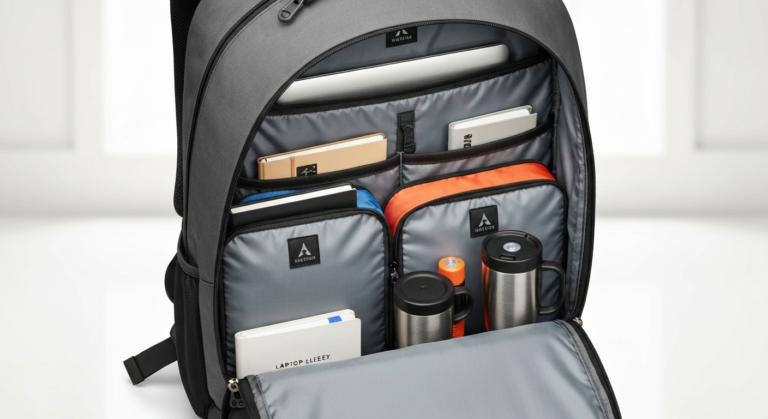
- Smart Organization: Multiple compartments, external pockets, and easy access points make packing and finding items much simpler. Packing cubes are a game changer.
- Test Before You Travel: Always pack your backpack and walk around with it before your trip. This helps you adjust the fit and identify any comfort issues early.
Why Choose an 80L Travel Backpack? The Big Picture
An 80-liter backpack is not just a bag; it’s a mobile storage solution for serious travelers. It’s designed for those who need to carry a lot of gear, often for long periods, across different environments. Think long backpacking trips through Southeast Asia, extended camping expeditions, or even moving abroad.
Unmatched Capacity for Extended Trips
When your journey extends beyond a few weeks, an 80L backpack truly shines. It provides ample room for clothing for various climates, multiple pairs of shoes, toiletries, a sleeping bag, cooking equipment, and personal items. You won’t have to leave essential gear behind.
This generous volume allows you to be self-sufficient for longer periods. You can carry enough supplies to avoid frequent resupply stops, which is especially useful in remote areas. It’s about having the flexibility to handle unexpected situations on the road.
Versatility for Diverse Travel Styles
While often associated with backpacking, an 80L pack is versatile. It can serve as a primary bag for international travel, a gear hauler for adventure sports, or even a mobile home for digital nomads. Its large size accommodates a wide range of travel needs.
Whether you’re trekking through mountains, exploring bustling cities, or volunteering abroad, an 80L pack adapts. It lets you carry specialized equipment like camera gear or climbing ropes alongside your daily necessities, making it a true all-rounder.
The Freedom of Carrying It All
The ability to carry everything you need in one bag offers incredible freedom. You avoid the hassle of multiple smaller bags, checked luggage fees, and the risk of losing items. Your entire world is on your back, ready for the next adventure.
This independence means you can quickly move from one location to another. You won’t be slowed down by excessive luggage. An 80L backpack empowers you to embrace spontaneous plans and navigate diverse landscapes with ease and confidence.
Essential Features of a Top-Tier 80L Backpack
Not all 80L backpacks are created equal. The best ones come with features that enhance comfort, durability, and functionality. Knowing what to look for will help you make an informed decision.
Comfort and Support Systems
For a pack of this size, comfort is paramount. A good suspension system distributes weight evenly across your back and hips. Look for adjustable torso lengths, which allow you to customize the fit to your body.
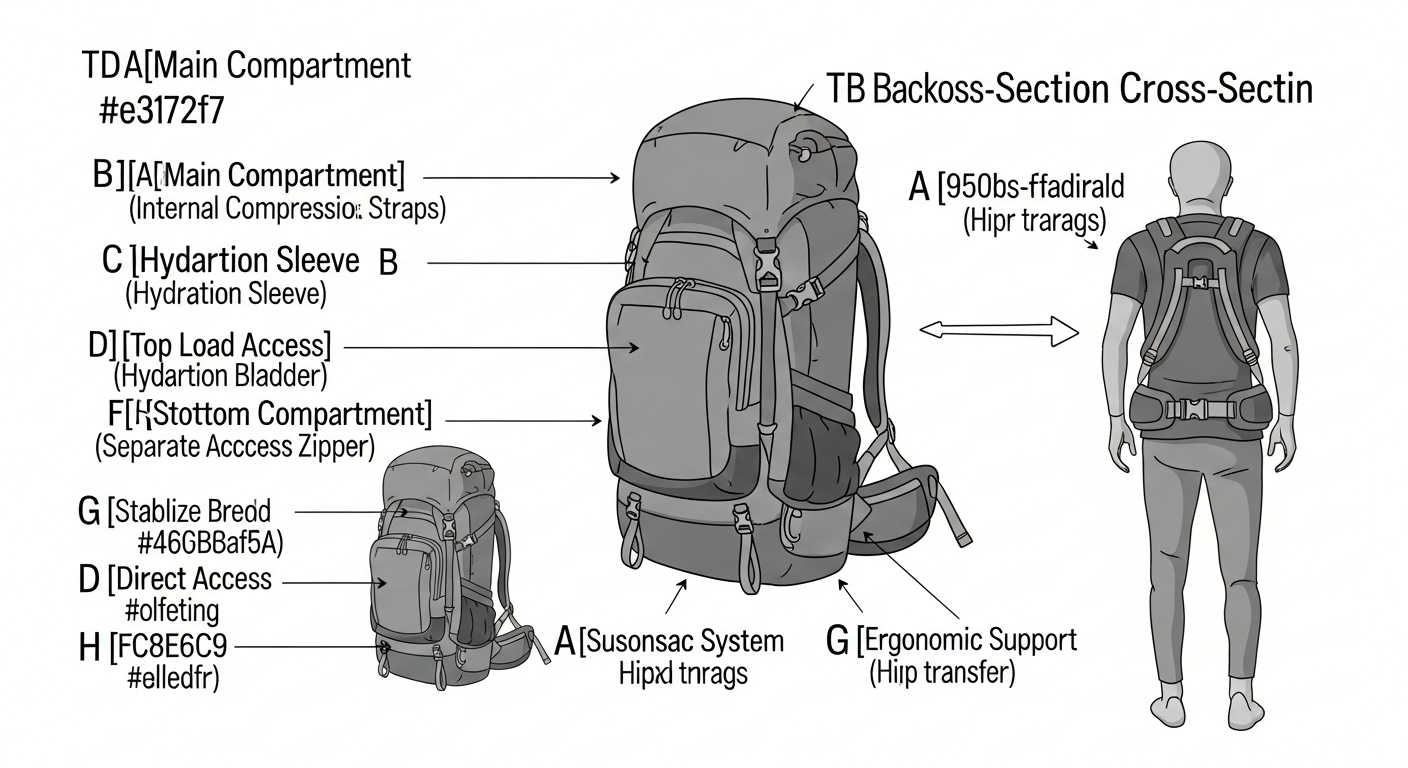
Padded hip belts are crucial for transferring most of the weight from your shoulders to your stronger leg muscles. Thick, breathable padding on shoulder straps and the back panel prevents chafing and sweating. An internal frame helps the pack hold its shape and stability.
Durability and Materials
Your 80L travel backpack will endure a lot. High-quality fabric, often ripstop nylon or polyester, should be resistant to tears and abrasions. Look for denier ratings (e.g., 500D or 1000D) which indicate fabric thickness and toughness.
Strong, reliable zippers from brands like YKK are a must. They prevent frustrating snags and breakages. Reinforced stitching at stress points and sturdy buckles ensure the pack can handle heavy loads over time.
Organization and Accessibility
Efficient organization makes a big difference. Multiple compartments, both internal and external, help you separate different types of gear. A separate sleeping bag compartment is often found in larger packs.
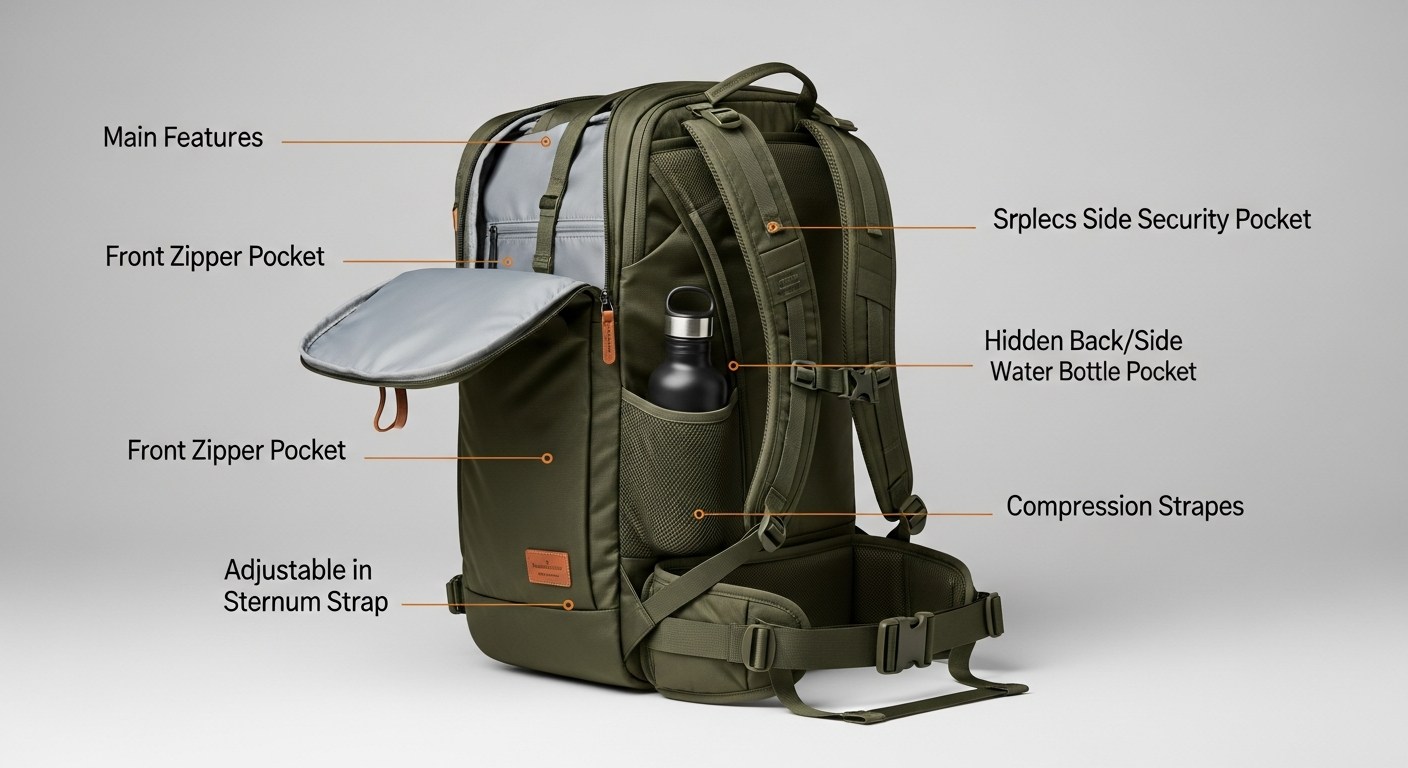
External pockets for water bottles, snacks, or quick-access items are highly useful. Top, front, and bottom access points allow you to reach items without unpacking your entire bag. This saves time and keeps your gear tidy.
Weather Resistance
Travel often involves unpredictable weather. A good 80L backpack should offer some level of weather resistance. Many come with a built-in or included rain cover to protect your belongings from downpours.
Some packs use water-resistant coatings on their fabrics, offering an initial layer of protection. While not fully waterproof, these features significantly reduce the risk of your gear getting soaked during light rain or splashes.
Finding Your Perfect Fit: What to Consider
Even the best 80L backpack won’t be comfortable if it doesn’t fit properly. A correct fit is the most important factor for carrying heavy loads comfortably and safely over long distances.
Torso Length and Hip Belt Sizing
Your torso length, not your height, is the key measurement for fitting a backpack. Many high-quality 80L packs offer adjustable torso lengths to match different body types. Ensure the hip belt sits directly over your hip bones to bear the majority of the pack’s weight.
Adjustability is Key
Beyond torso length, look for highly adjustable shoulder straps, sternum straps, and load lifters. Load lifters are straps that connect the top of the shoulder straps to the top of the pack. They pull the pack closer to your body, improving stability and comfort.
Properly adjusting these straps helps to distribute the weight evenly and prevents the pack from pulling away from your back. This customization is vital for maintaining balance and reducing fatigue during long treks.
Weight Distribution and Balance
An 80L pack can hold a lot, so how you pack it affects its balance. Heavy items should be placed close to your back, in the middle of the pack. Lighter, bulkier items go towards the bottom and top.
Keeping the weight centered and close to your body improves stability. This prevents the pack from swaying, which can throw you off balance and strain your muscles. A well-balanced pack feels lighter than it is.
Packing Smart: Maximizing Your 80L Space
With an 80L capacity, it’s easy to overpack. However, with smart packing techniques, you can utilize every inch efficiently and keep your belongings organized and accessible.
The Art of Layering and Rolling
Instead of folding clothes, try rolling them tightly. This saves space and reduces wrinkles. For items like socks and underwear, stuff them into shoes or small gaps within the main compartment. Layering items effectively also helps with organization.
Utilizing Packing Cubes
Packing cubes are revolutionary for large backpacks. They allow you to compress clothes, separate items by category (e.g., shirts, pants, electronics), and easily access what you need without rummaging through your entire bag. They transform a large space into an organized system.
Distributing Weight Evenly
As mentioned, weight distribution is crucial. Place your heaviest items (like books or dense gear) against your back, between your shoulder blades. Medium-weight items go around the heavy core, and lighter, bulkier items fill the remaining spaces.
This strategic placement keeps the center of gravity close to your body, making the pack feel lighter and more stable. Always try to keep the load balanced side to side as well.
Top 5 Packing Hacks for 80L Backpacks
- Use a checklist: Before every trip, create a detailed packing list to avoid forgetting essentials and to prevent overpacking.
- Wear your bulkiest items: If you have heavy boots or a thick jacket, wear them on travel days instead of packing them.
- Digitalize documents: Store copies of passports, visas, and tickets on your phone or cloud storage to save space and for backup.
- Travel-sized toiletries: Decant liquids into smaller containers instead of carrying full-sized bottles.
- Utilize external straps: For items like sleeping mats or tents, use the external compression straps to attach them to the outside of your pack.
80L Backpacks vs. Smaller Packs: A Quick Comparison
Deciding on the right size depends on your travel style and needs. Here’s how an 80L pack compares to smaller alternatives:
| Feature | 80L Travel Backpack | 60L Travel Backpack | 45L Travel Backpack |
| **Ideal for** | Long-term travel (months), wilderness expeditions, carrying extensive gear. | Extended trips (weeks), general backpacking, some adventure travel. | Shorter trips (days to 2 weeks), carry-on compliant for many airlines, minimalist travel. |
| **Capacity** | Very High | High | Medium |
| **Weight** | Heavier when full | Moderate when full | Lighter when full |
| **Portability** | Best for extended periods, less agile in crowds | Good balance of capacity and mobility | Excellent for quick movement, ideal for city hopping |
| **Airline Rules** | Almost always checked luggage | Often checked luggage, some larger models may fit carry-on | Frequently carry-on compliant |
| **Packing Style** | Requires careful organization for heavy loads | Efficient packing still key | Minimalist approach, often with packing cubes |
Longevity and Care: Making Your Investment Last
An 80L travel backpack is an investment in your adventures. Proper care and maintenance will ensure it serves you well for many years and countless journeys. A well-maintained pack performs better and lasts longer.
Cleaning and Maintenance Tips
After a trip, empty your backpack completely. Shake out any dirt or debris. For general cleaning, use a soft brush and mild soap with lukewarm water to scrub dirty spots. Avoid harsh detergents or machine washing, as these can damage the fabric and coatings.
Pay special attention to zippers, ensuring they are free of grit. Air dry your backpack completely in a shaded, well-ventilated area before storing it. Never put it in a dryer, as high heat can warp the frame and damage materials.
Proper Storage
When not in use, store your 80L backpack in a cool, dry place away from direct sunlight. Sunlight can degrade fabrics over time. Ensure it’s completely dry to prevent mold or mildew growth. You can stuff it lightly with old clothes or newspaper to help it maintain its shape.
“The right backpack isn’t just about carrying your gear; it’s about carrying your confidence. An 80L pack, properly chosen and fitted, becomes an extension of your will to explore, not a burden.” – *Experienced Globetrotter’s Advice*
Conclusion: Embrace Your Next Grand Adventure
Choosing an 80L travel backpack is a commitment to grand adventures and self-sufficiency. It’s about having the freedom to explore without limits, carrying everything you need for extended periods away from home. By focusing on comfort, durability, and smart organization, you can find a pack that truly empowers your travels.
Remember to prioritize fit, understand the materials, and practice smart packing techniques. With the right 80L companion, you’re not just carrying a bag; you’re carrying the potential for unforgettable experiences. So, gear up, plan your next journey, and let your 80L pack take you wherever your wanderlust leads.
Frequently Asked Questions About 80L Travel Backpacks
Q1: Is an 80L backpack too big for general travel?
A1: An 80L backpack is generally considered large. It’s best suited for extended trips (months), wilderness expeditions, or situations where you need to carry a lot of specialized gear. For shorter trips or city-focused travel, a smaller pack (40-60L) might be more practical.
Q2: Can I use an 80L backpack as a carry-on for flights?
A2: No, an 80L backpack is almost always too large to be considered a carry-on item by airlines. It will need to be checked. Always check specific airline size and weight restrictions before flying.
Q3: How do I properly pack an 80L backpack to avoid back pain?
A3: Place heavier items close to your back, centered between your shoulder blades. Distribute the weight evenly from side to side. Use compression straps to keep the load tight and stable. Most importantly, ensure the backpack is properly fitted to your torso length.
Q4: What materials should I look for in a durable 80L backpack?
A4: Look for durable, abrasion-resistant fabrics like ripstop nylon or high-denier polyester (e.g., 500D or 1000D). Strong YKK zippers and reinforced stitching at stress points are also indicators of a long-lasting pack.
Q5: Are 80L backpacks suitable for women?
A5: Yes, many 80L backpacks are designed with adjustable suspension systems that can be customized for various body types, including women. Some brands offer specific women’s fit models with narrower shoulder straps and differently shaped hip belts for enhanced comfort.