Stay Healthy Abroad: 8 Common Travel Illnesses & How to Beat Them
Traveling the world offers incredible experiences, from exploring ancient ruins to relaxing on sun-kissed beaches. However, the excitement of a new destination can sometimes be overshadowed by unexpected health issues. Understanding common travel illnesses and how to prevent them is crucial for a smooth and enjoyable journey.
Imagine planning your dream vacation, only to spend days feeling unwell. This scenario is more common than many travelers realize. From digestive troubles caused by unfamiliar food to the fatigue of jet lag, various ailments can disrupt your plans. Being prepared is your best defense against these unwelcome travel companions.
This comprehensive guide, written by seasoned travel health experts, will equip you with the knowledge to identify, prevent, and manage the 8 most common travel illnesses. We will cover everything from simple precautions to knowing when to seek medical help. Your health is your most valuable travel asset; let’s protect it together.
Key Takeaways
- Proactive Prevention is Key: Vaccinations, proper hygiene, and smart food choices significantly reduce illness risk.
- Traveler’s Diarrhea is Common: Pack anti-diarrhea medication and prioritize safe food and water sources.
- Motion Sickness is Manageable: Use medication or natural remedies to enjoy transportation comfortably.
- Jet Lag Impacts Everyone: Gradual adjustment and good sleep hygiene can minimize its effects.
- Know Your Destination’s Risks: Research local health concerns and pack an appropriate medical kit.
Understanding Travel Illnesses: Why We Get Sick Away From Home
Our bodies are accustomed to specific environments and pathogens. When we travel, especially to different climates or regions with varying sanitation standards, we expose ourselves to new challenges. This exposure, combined with travel stress and fatigue, can weaken our immune system, making us more susceptible to illness.
Factors like crowded airplanes, different time zones, and unfamiliar food preparation methods all contribute to the risk. Understanding these underlying causes helps us take targeted preventive measures. It is not just about avoiding
obvious threats; it’s also about building resilience and making informed choices throughout your trip. A little preparation goes a long way in safeguarding your health and ensuring your adventure remains unforgettable for all the right reasons.

The 8 Most Common Travel Illnesses & How to Tackle Them
1. Traveler’s Diarrhea (TD)
- What it is: The most frequent travel-related illness, characterized by loose stools, abdominal cramps, nausea, and sometimes fever. It’s usually caused by consuming contaminated food or water.
- Prevention: “Boil it, cook it, peel it, or forget it.” Avoid tap water, ice cubes, unpasteurized dairy, and raw or undercooked meats/vegetables. Stick to bottled water or purified sources. Practice frequent handwashing.
- Management: Stay hydrated with oral rehydration salts (ORS) or electrolyte-rich drinks. Over-the-counter anti-diarrhea medications (like loperamide) can provide symptomatic relief. Seek medical attention if symptoms are severe, persistent, or accompanied by high fever or bloody stools.
2. Motion Sickness
- What it is: A feeling of nausea, dizziness, and vomiting caused by conflicting signals to the brain from the inner ear (balance), eyes, and body (movement). Common in cars, boats, or planes.
- Prevention: Choose a seat where motion is minimized (e.g., front seat of a car, over the wing on a plane, mid-ship on a boat). Focus on the horizon. Avoid reading or looking at screens.
- Management: Over-the-counter medications like dimenhydrinate (Dramamine) or meclizine (Bonine) can be very effective. Ginger (candied, tea, or supplements) is a popular natural remedy. Acupressure wristbands may also help some individuals.
3. Jet Lag
- What it is: A temporary sleep disorder caused by traveling across multiple time zones, disrupting the body’s natural circadian rhythm. Symptoms include fatigue, insomnia, irritability, and difficulty concentrating.
- Prevention: Gradually adjust your sleep schedule a few days before departure. Stay hydrated during the flight. Try to sleep on the plane if it’s nighttime at your destination.
- Management: Upon arrival, expose yourself to natural light during the day and avoid bright lights at night. Adjust your meal times to local schedules. Short naps can help, but avoid long ones that might interfere with nighttime sleep. Melatonin supplements can be considered.
4. Common Cold & Flu
- What it is: Viral respiratory infections easily spread in crowded environments like airports and airplanes. Symptoms include runny nose, sore throat, cough, body aches, and fever (more pronounced with flu).
- Prevention: Frequent handwashing with soap and water or using alcohol-based hand sanitizer. Avoid touching your face. Consider wearing a mask in crowded areas, especially during peak season or if you are immunocompromised. Get a flu shot before traveling.
- Management: Rest, hydration, and over-the-counter medications for symptom relief (pain relievers, decongestants, cough suppressants).
5. Sunburn & Heatstroke
- What it is: Sunburn is skin damage from excessive UV radiation. Heatstroke is a severe heat-related illness occurring when the body overheats, often due to prolonged exposure to high temperatures or physical exertion in the heat.
- Prevention: Use broad-spectrum sunscreen with SPF 30+ generously and reapply often. Wear protective clothing, hats, and sunglasses. Seek shade, especially during peak sun hours (10 AM – 4 PM). Stay well-hydrated. Avoid strenuous activity during the hottest parts of the day.
- Management: For sunburn, cool compresses, aloe vera, and pain relievers. For heatstroke, this is a medical emergency: immediately move the person to a cooler place, loosen clothing, apply cool cloths, and seek urgent medical help.
6. Insect-borne Diseases (e.g., Malaria, Dengue, Zika)
- What it is: Diseases transmitted by insects like mosquitoes, ticks, or flies. The specific risks depend on your destination (e.g., Malaria in parts of Africa, Asia; Dengue in tropical/subtropical regions).
- Prevention: Use EPA-registered insect repellent containing DEET, picaridin, or oil of lemon eucalyptus. Wear long-sleeved shirts and long pants, especially at dawn and dusk. Sleep under mosquito nets if screens are inadequate. Consult a travel doctor about prophylactic medications for diseases like Malaria.
- Management: Varies greatly by disease. If you develop fever or flu-like symptoms after visiting a risk area, seek medical attention immediately and inform them of your travel history.
7. Altitude Sickness (Acute Mountain Sickness – AMS)
- What it is: A group of symptoms that can strike when you travel to a high altitude too quickly. Symptoms include headache, nausea, dizziness, fatigue, and shortness of breath.
- Prevention: Ascend gradually, allowing your body to acclimatize. “Climb high, sleep low.” Stay well-hydrated and avoid alcohol and strenuous activity on your first day at altitude.
- Management: Descend to a lower altitude if symptoms worsen. Rest, hydration, and pain relievers for headache. In severe cases (High Altitude Cerebral Edema – HACE or High Altitude Pulmonary Edema – HAPE), immediate descent and medical treatment are critical.
8. Skin Infections (Cuts, Scrapes, Fungal Issues)
- What it is: Minor cuts, scrapes, or insect bites can become infected, especially in humid climates or with poor hygiene. Fungal infections (like athlete’s foot) are also common in damp environments.
- Prevention: Clean and cover any wounds immediately with antiseptic and a sterile bandage. Wear appropriate footwear, especially in communal showers or wet areas. Keep skin dry.
- Management: Keep wounds clean and dry. Apply antibiotic ointment for minor infections. For fungal infections, over-the-counter antifungal creams. Seek medical attention if an infection appears serious (redness, swelling, pus, fever).
Conclusion
Staying healthy while traveling doesn’t have to be a daunting task. By understanding the common health risks and implementing simple, proactive measures, you can significantly reduce your chances of falling ill. From careful food and water choices to smart packing and knowing when to seek help, empowering yourself with knowledge is the best way to ensure your adventures are filled with joy, not discomfort. Remember, a healthy traveler is a happy traveler, ready to embrace every moment of their journey.
Frequently Asked Questions (FAQ)
Q: What should I pack in a basic travel medical kit?
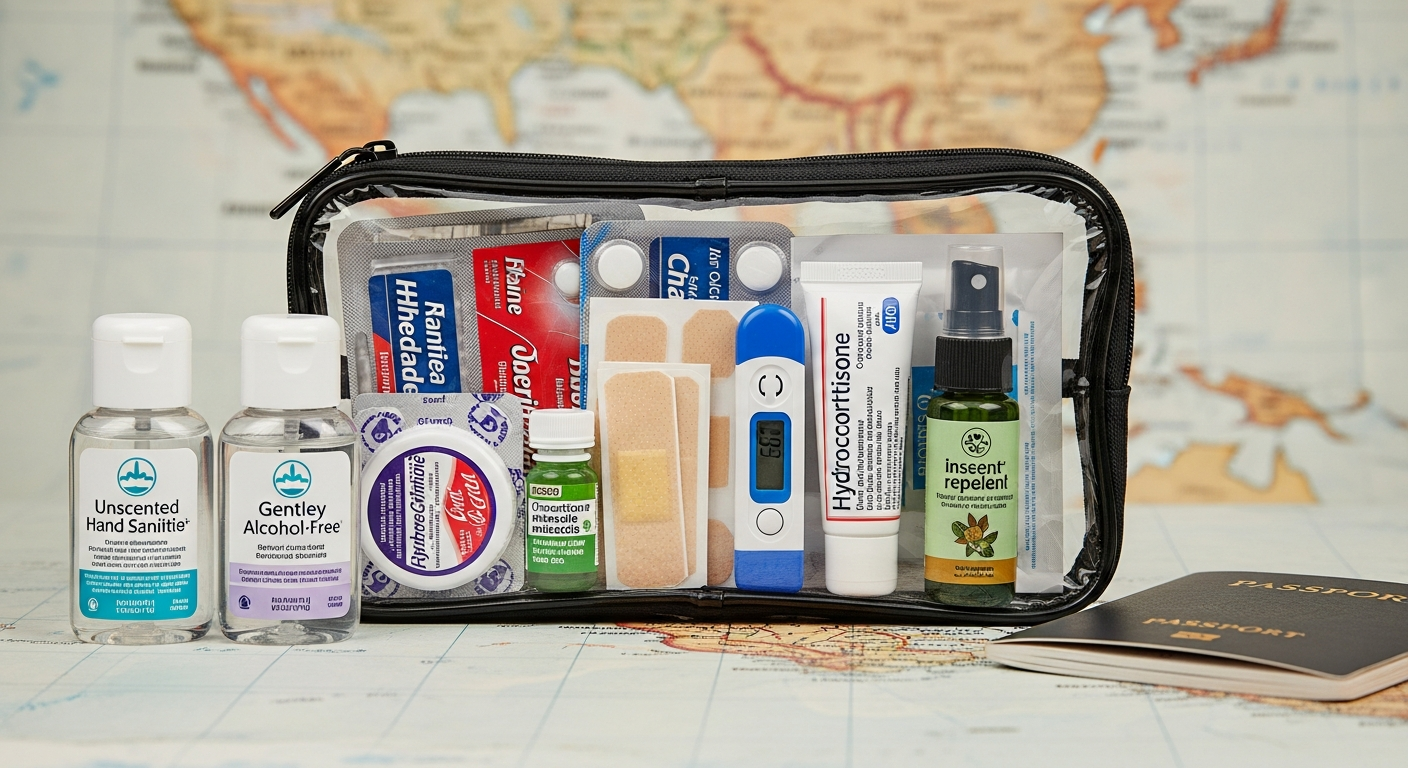
A: A basic kit should include pain relievers (ibuprofen/acetaminophen), anti-diarrhea medication (loperamide), antacids, antihistamines, motion sickness remedies, bandages, antiseptic wipes, hydrocortisone cream, and any personal prescription medications.
Q: Do I need travel insurance?
A: Absolutely. Travel insurance can cover medical emergencies, trip cancellations, lost luggage, and other unforeseen events. It’s a crucial investment for peace of mind, especially when traveling internationally.
Q: How can I stay hydrated while traveling?
A: Drink plenty of safe bottled or purified water. Avoid excessive alcohol and caffeinated beverages, which can dehydrate you. Carry a reusable water bottle and fill it from trusted sources.
Q: When should I see a doctor before traveling?
A: It’s highly recommended to consult a travel doctor or your general practitioner 4-6 weeks before your trip, especially if you’re traveling to a developing country, have pre-existing health conditions, or require specific vaccinations or prophylactic medications.
Q: Is it safe to drink tap water in all countries?
A: No. Unless you are specifically advised that tap water is safe for drinking, assume it is not. Stick to bottled, boiled, or chemically treated water, even for brushing your teeth.