Unleash Your Music: The Ultimate Guide to Travel 7 String Guitars
For modern musicians, especially those who delve into the rich, deep textures of extended range guitars, the call of the road is often accompanied by a significant challenge. How do you take your prized 7 string guitar with you without the hassle of oversized cases, flight restrictions, or the constant worry of damage? Traditional 7 string guitars, while powerful, are not always built for the rigors of travel. Their size and weight can make them impractical for touring, commuting, or even just jamming with friends across town.
This is where the innovative world of travel 7 string guitars steps in. These instruments are specifically designed to offer the full sonic breadth of a 7 string, including that crucial low B string, in a compact, durable, and highly portable package. Imagine having your full expressive range available whether you are on a plane, a train, or simply heading to a remote studio. The travel 7 string guitar is more than just a convenience; it is a game changer for musicians who refuse to compromise their sound, no matter where their journey takes them. It represents a fusion of thoughtful engineering and a deep understanding of a musician’s needs on the go.
Key Takeaways: Expert Insights for the Traveling 7 String Player
- Portability Without Compromise: Travel 7 string guitars offer the full extended range experience in a significantly smaller, lighter format, making them ideal for musicians on the move.
- Innovative Design: Many models feature headless designs, compact bodies, and durable materials like carbon fiber, all contributing to their travel friendliness.
- Crucial Scale Length: Maintaining proper scale length is vital for the low B string’s tension and clarity, even in compact designs. Look for models that balance this with portability.
- Tailored to Your Journey: The best travel 7 string depends on your specific travel habits, playing style, and budget. Consider how and where you will use it most.
- Protect Your Investment: Essential accessories like robust cases, proper strings, and compact amplification solutions are key to a successful travel setup and instrument longevity.
Why a Travel 7 String Guitar? The Perfect Companion for Modern Musicians
The idea of a travel guitar is not new, but applying it to the 7 string format addresses a very specific need. Extended range guitars are often larger and heavier than their 6 string counterparts. This makes them difficult to transport, especially when dealing with airline baggage limits or cramped vehicle spaces. A travel 7 string guitar solves this problem directly.
Portability Meets Extended Range
These guitars are engineered from the ground up to be compact. Many achieve this through headless designs, which eliminate the headstock and significantly shorten the overall length. Others use smaller body shapes or even foldable designs. The goal is always the same: to fit comfortably into overhead compartments, small car trunks, or even specialized backpacks, all while retaining the powerful, extended range sound you depend on. This means you no longer have to choose between your preferred instrument and the ease of travel.
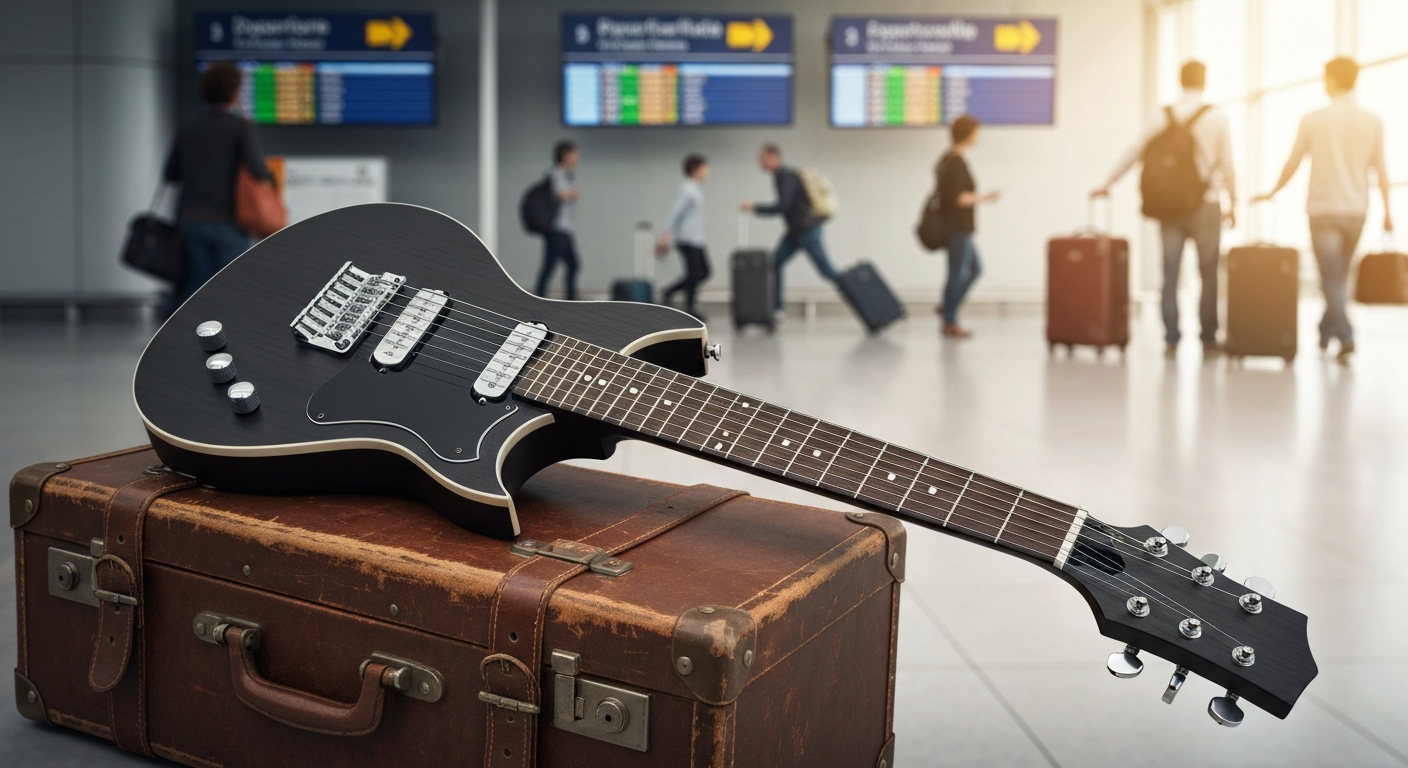
Beyond just fitting into tight spaces, the reduced weight of many travel 7 strings also makes them a joy to carry. Long treks through airports or city streets become much less strenuous. This focus on practical portability ensures that your music can truly go anywhere you do, without becoming a burden.
Uncompromised Sound and Playability
One common concern with travel guitars is whether their smaller size compromises sound or playability. High quality travel 7 string guitars are designed to dispel this myth. Manufacturers carefully select tonewoods and components to ensure a rich, resonant sound. The crucial aspect is often the scale length, particularly for the low B string.
Many travel 7 strings maintain a full or near full scale length to ensure proper string tension and intonation for the lower notes. This means your low B will sound tight and clear, not muddy or floppy. Playability is also a priority, with comfortable neck profiles and excellent fret access, allowing you to perform complex riffs and solos just as you would on a full sized instrument. The balance between compact form and high performance is a testament to modern guitar design.
Key Features to Look for in a Travel 7 String Guitar
Choosing the right travel 7 string involves understanding the features that make these instruments unique. Each design choice serves a purpose, aiming to enhance portability, durability, and playability for the musician on the go.
Compact Design and Construction
Headless designs are perhaps the most recognizable feature of many travel guitars. By removing the headstock, the guitar’s overall length is drastically reduced, often by several inches. This makes it far easier to fit into smaller cases or even standard carry on luggage. Beyond headless, look for guitars with smaller, ergonomic body shapes. Some use lightweight, durable materials such as carbon fiber or aerospace grade aluminum, which not only reduce weight but also offer increased resistance to temperature and humidity changes during travel.
Other innovative designs include guitars with detachable necks or bodies that separate, allowing the instrument to pack down into an even smaller footprint. These features are specifically tailored to minimize bulk and maximize convenience for the traveling musician.
Scale Length and Playability
For a 7 string guitar, the scale length is especially critical for the low B string. A shorter scale can lead to a floppy, undefined low end, which is undesirable for many extended range players. While some travel guitars might opt for slightly shorter scales to reduce overall length, the best models find a balance.
Many travel 7 strings maintain a 25.5 inch or even a multi scale length to ensure excellent string tension and intonation across all seven strings. This preserves the clarity and punch of the low B. Pay attention to the neck profile and fretboard radius as well. A comfortable neck is essential for long playing sessions, and good fret access ensures that your extended range capabilities are fully utilized. The aim is to make the transition from your main guitar as seamless as possible.
Pickups and Electronics
The quality of pickups and electronics profoundly impacts the guitar’s sound. Travel 7 strings often come equipped with versatile pickup configurations, allowing players to cover a wide range of genres from heavy metal to jazz fusion. Active pickups are popular for their high output and clarity, especially when driving amplifiers or digital interfaces on the road. Passive pickups offer a more organic, dynamic response.
Consider the routing options available, such as coil splitting or series/parallel switching, which can expand your tonal palette even further. Some travel guitars also integrate headphone outputs or built in preamps, making them ideal for silent practice in hotel rooms or backstage. These small details can make a huge difference in your travel setup.
Top Travel 7 String Guitar Models: A Quick Comparison
When exploring the market for a travel 7 string, you will find a variety of options, each with its own strengths. Here is a simplified comparison of hypothetical models to illustrate the range of features you might encounter.
| Feature | Model A: The Compact Shredder | Model B: The Road Warrior | Model C: The Ultra-Light |
| **Design Type** | Headless | Detachable Neck | Compact Body, Headless |
| **Scale Length** | 25.5 inches | 26.5 inches (Multi-scale) | 25 inches |
| **Body Material** | Basswood, Maple Top | Carbon Fiber | Poplar, Thin Profile |
| **Pickups** | Active Humbuckers | Passive Humbuckers | Active Humbuckers |
| **Weight** | 5.5 lbs | 4.0 lbs | 6.0 lbs |
| **Price Range** | Mid-High | High | Entry-Mid |
“Traveling with a full sized 7 string was always a nightmare. My travel 7 string changed everything without changing my sound. It is truly a liberating experience.”
*A touring progressive metal musician*
Choosing Your Ideal Travel 7 String: What Matters Most?
Selecting the perfect travel 7 string guitar involves a personal assessment of your needs and preferences. There is no one size fits all solution, so consider these factors carefully.
Your Travel Habits
How often do you travel, and by what means? If you are a frequent flyer, a headless, ultra compact design that fits in a carry on bag will be paramount. If you mostly travel by car, a slightly larger, perhaps detachable neck model might offer more comfort without being overly cumbersome. Consider the environmental conditions you will encounter. If you travel to diverse climates, a guitar made with stable materials like carbon fiber might be a better choice to resist humidity and temperature fluctuations. The durability of your case is also directly related to your travel frequency and mode.
Playing Style and Genre
Your musical genre and playing style should heavily influence your choice. If you play aggressive metal or djent, you will likely prioritize a tight low end, high output pickups, and a comfortable neck for fast runs. For jazz fusion or progressive rock, you might prefer more versatile pickups, a warmer tone, and perhaps a fanned fret system for improved ergonomics and intonation. Consider the specific tonal characteristics you require and ensure the travel model can deliver them. Do not compromise on the core elements of your sound.
Budget Considerations
Travel 7 string guitars are available across a wide price spectrum. Entry level models offer basic functionality and portability, while high end instruments boast premium materials, advanced electronics, and superior craftsmanship. Determine your budget range and research models that offer the best features within that limit. Remember that investing in a quality instrument often means better durability and sound, which can be more cost effective in the long run, especially if you travel frequently. Balance your needs with what you are willing to spend.
Maintenance and Accessories for the Road Warrior
Owning a travel 7 string is just the first step. To ensure it performs optimally and lasts through countless journeys, proper maintenance and a thoughtful selection of accessories are essential.
Essential Gear for Your Travel 7 String
- Strings: Always carry extra sets of your preferred 7 string gauge. Travel can be hard on strings, and a broken string should not halt your practice or performance.
- Cleaning Kit: A small cleaning cloth, string cleaner, and fretboard conditioner will help keep your guitar in top shape, especially if you are playing in different environments.
- Compact Multi Tool: A guitar specific multi tool can handle minor adjustments like intonation, truss rod tweaks, or tightening loose hardware. This is invaluable on the road.
- Travel Amplifier/Interface: A miniature practice amp or a portable digital interface (like an iRig or a small multi effects unit) with a headphone output allows you to practice silently anywhere, preserving your tone. Consider battery powered options for maximum flexibility.
- Strap: A comfortable, durable strap is a must for standing performances or extended practice sessions.
Protecting Your Investment
Your travel 7 string is an investment, and protecting it during transit is paramount. A high quality case is non negotiable. For air travel, a sturdy, flight approved hard case with TSA locks is recommended, even for compact guitars. These offer the best protection against impacts and temperature changes.
For car travel or local gigs, a well padded gig bag might suffice, offering convenience and lighter weight. However, ensure it has ample padding and robust zippers. Consider using a small humidifier/dehumidifier if you are traveling between vastly different climates to protect the wood. Regular inspections for loose hardware or minor damage will also help catch issues before they become major problems.
The Future of Extended Range Travel Guitars
The market for travel 7 string guitars is continually evolving, driven by innovation and the growing demands of modern musicians. We are seeing advancements in materials science, leading to even lighter yet stronger instruments. Ergonomic designs are becoming more refined, offering unparalleled comfort and playability in compact forms.
Expect to see more integration of technology, such as advanced onboard effects, digital modeling capabilities, and perhaps even smart features that connect directly to mobile devices for recording and practice. The focus will remain on delivering a full, uncompromised playing experience in the most portable package possible. As extended range music continues to push boundaries, so too will the instruments that enable it.
“The demand for compact, high performance extended range instruments is soaring. Manufacturers are responding with incredible innovation, making truly professional grade travel guitars accessible to more musicians than ever before.”

*An industry expert on guitar manufacturing trends*
Conclusion
For the modern musician who embraces the sonic depths of a 7 string guitar, the world no longer has to be a barrier to creativity. Travel 7 string guitars represent a significant leap forward, offering a harmonious blend of portability, durability, and uncompromised sound. They empower you to take your unique voice anywhere, from international tours to local jam sessions, without the usual logistical headaches.
Whether you prioritize a headless design for ultimate compactness, a specific scale length for perfect low end clarity, or robust materials for extreme durability, there is a travel 7 string out there for you. By carefully considering your travel habits, playing style, and budget, and by investing in the right accessories, you can ensure your musical journey is as smooth and inspiring as your playing. Embrace the freedom and keep pushing those boundaries, wherever your music takes you.
Frequently Asked Questions (FAQ)
Are travel 7 string guitars as good as full sized ones?
High quality travel 7 string guitars are designed to offer comparable sound and playability to their full sized counterparts. Many maintain critical features like scale length and use quality components, ensuring excellent tone and feel. However, individual models vary, so it is important to research and try them if possible.
What is the main benefit of a headless travel 7 string?
The primary benefit of a headless design is a significant reduction in overall guitar length, making it much easier to transport. This design often allows the guitar to fit into smaller cases or even standard carry on luggage, which is ideal for air travel.
Can I use standard 7 string strings on a travel model?
In most cases, yes. Travel 7 string guitars are typically designed to use standard 7 string guitar strings. However, always check the manufacturer’s recommendations for specific string gauges, especially if the guitar has a unique scale length or bridge system.
How do I protect my travel 7 string during flights?
For maximum protection during flights, it is highly recommended to use a flight approved hard case. These cases are designed to withstand the rigors of baggage handling. Even for compact guitars, a robust hard case provides superior protection against impacts and environmental changes compared to a gig bag.
Are travel 7 string guitars only for metal music?
Absolutely not. While 7 string guitars are popular in metal and progressive genres, their extended range opens up possibilities for many styles, including jazz, fusion, and even experimental music. Travel 7 strings simply make this extended range accessible on the go for any genre.