Secure Your Journey: A Comprehensive Guide to Travel Medical Insurance
Imagine exploring ancient ruins, relaxing on a pristine beach, or hiking through breathtaking mountains. Travel offers incredible experiences. But what if the unexpected happens? A sudden illness, an injury, or a medical emergency far from home can turn a dream trip into a nightmare.
Without proper protection, these situations can lead to immense stress, overwhelming medical bills, and significant financial hardship. Many travelers mistakenly believe their regular health insurance will cover them abroad, but this is rarely the case. Understanding the importance of specialized coverage is crucial for any international adventure. This guide will walk you through everything you need to know about travel medical insurance, ensuring your peace of mind while you explore the world.
Key Takeaways: Your Essential Travel Medical Insurance Insights
- Domestic Health Insurance Rarely Covers International Emergencies: Your local plan likely won’t pay for medical care or evacuation abroad.
- High Costs of Overseas Medical Care: Hospitals and doctors in foreign countries can be incredibly expensive, especially for emergencies.
- Emergency Medical Evacuation is Crucial: This coverage can literally save your life by transporting you to appropriate medical facilities.
- Choose Policies Based on Trip Type and Activities: Different trips require different levels of coverage; consider your destination and planned activities.
- Read the Fine Print Carefully: Understand exclusions, deductibles, and claim procedures before you travel.
What is Travel Medical Insurance and Why Do You Need It?
Travel medical insurance is a specific type of health coverage designed for travelers venturing outside their home country. It provides financial protection against unexpected medical emergencies, illnesses, or injuries that may occur while you are abroad. Unlike your regular health insurance, which typically offers limited or no coverage internationally, travel medical insurance is tailored to the unique risks of global travel.
Think of it as a crucial safety net. If you fall ill in a foreign country, need emergency surgery, or even require medical evacuation back home, this insurance can cover the substantial costs involved. It ensures you receive necessary care without draining your savings or facing overwhelming debt. For many, it’s an indispensable part of their travel planning, offering peace of mind.
The Cost of the Unexpected
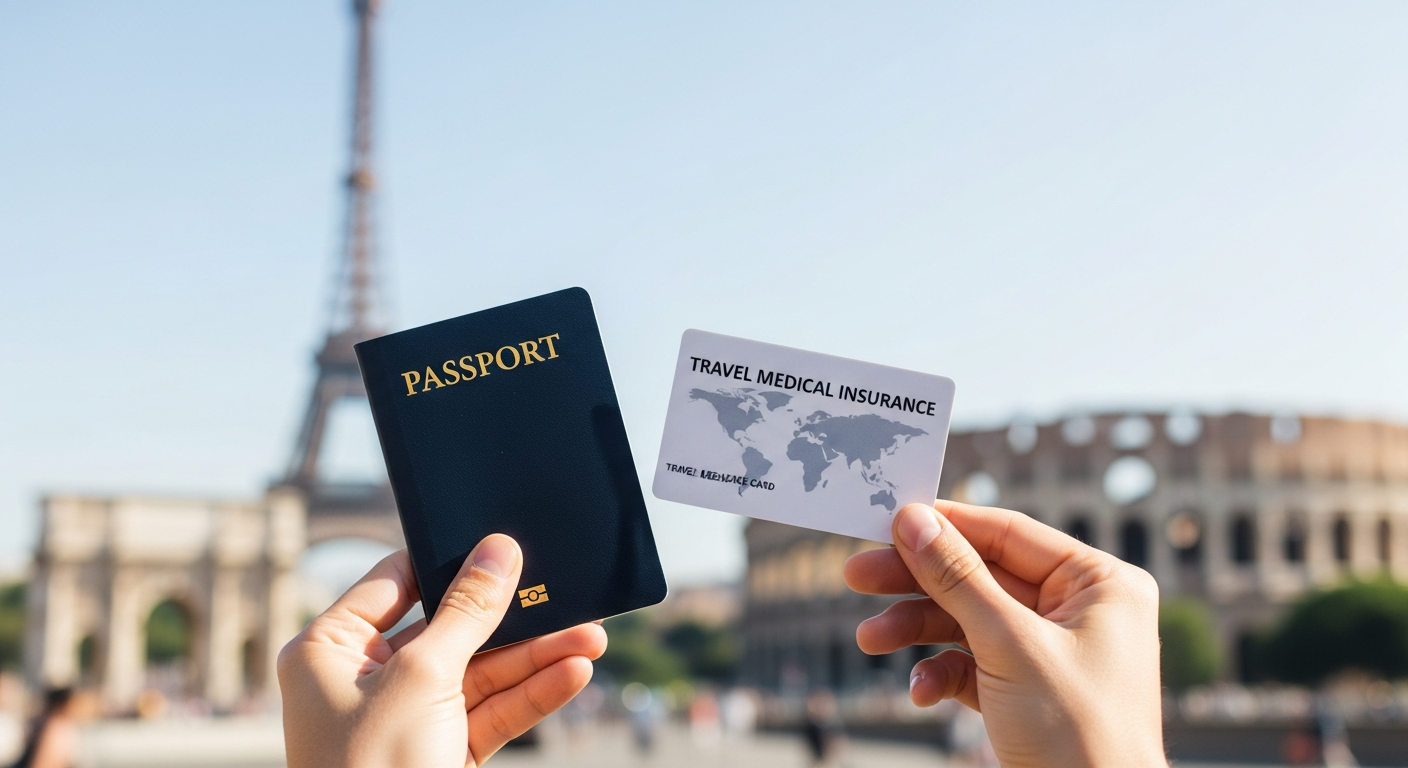
Medical costs around the world can vary dramatically. In some countries, a simple doctor’s visit might be affordable, but a serious emergency like a broken bone, appendicitis, or a heart attack can quickly rack up bills tens of thousands of dollars. An emergency medical evacuation, which involves airlifting a patient to a better-equipped hospital or back to their home country, can cost upwards of $100,000 or more. These are expenses that most individuals cannot easily absorb out-of-pocket.
“Many travelers underestimate the financial impact of a medical emergency abroad. Without travel medical insurance, a vacation can quickly turn into a financial catastrophe. It’s not just about getting care, it’s about affording it.” – *Travel Insurance Association Expert*
Decoding Different Types of Travel Medical Insurance
Not all travel medical insurance policies are created equal. Understanding the different types available can help you select the best fit for your specific travel needs. The duration and frequency of your trips often dictate which type of policy is most suitable.
- Single-Trip Policies: These plans cover a single trip for a defined period, from the day you depart until you return home. They are ideal for vacations, business trips, or short-term international stays. Coverage typically ends once you arrive back in your home country.
- Multi-Trip or Annual Policies: Designed for frequent travelers, these policies cover multiple trips within a 12-month period. Each trip usually has a maximum duration limit, for example, 30 or 45 days. If you travel several times a year, an annual policy can be more cost-effective and convenient than buying multiple single-trip plans.
- Long-Term or Expatriate Policies: For individuals planning to live abroad for an extended period, such as students, remote workers, or retirees, long-term or expatriate health insurance is more appropriate. These policies offer comprehensive medical coverage similar to domestic health insurance, but designed for international residents. They often include routine care, not just emergencies.
- Specialized Coverage: Some policies cater to specific traveler types or activities. For instance, adventure sports enthusiasts might need policies that cover high-risk activities like mountaineering or scuba diving. Cruise ship travelers may also seek specific coverage for onboard medical facilities and evacuation from remote locations.
What Does Travel Medical Insurance Typically Cover?
While policies vary, most travel medical insurance plans offer a core set of benefits designed to protect you during health emergencies abroad. It’s vital to review the policy document carefully to understand the specifics of your chosen plan.
- Emergency Medical Treatment: This is the cornerstone of any policy. It covers costs associated with doctor visits, hospital stays, surgery, prescription medications, and emergency room services due to unexpected illness or injury.
- Emergency Medical Evacuation: If you’re in a remote area or a place without adequate medical facilities, this benefit covers the cost of transporting you to the nearest appropriate medical facility. This can be life-saving.
- Repatriation of Remains: In the unfortunate event of death abroad, this coverage pays for the costs of preparing and transporting your remains back to your home country.
- Emergency Dental Treatment: Often limited to acute pain relief or accidental injury to natural teeth, rather than routine dental care.
- Accidental Death and Dismemberment (AD&D): Provides a lump sum payment if you suffer a serious injury or death as a result of an accident during your trip.
Common Travel Medical Insurance Coverage
| Coverage Feature | Description | Typical Benefit Limit (Example) |
| Emergency Medical Expenses | Hospitalization, doctor fees, surgery, prescription drugs for emergencies. | $50,000 – $1,000,000+ |
| Emergency Medical Evacuation | Transport to nearest adequate medical facility or home country. | $100,000 – $500,000+ |
| Repatriation of Remains | Costs for returning remains to home country. | $10,000 – $50,000 |
| Emergency Dental | Treatment for sudden pain or accidental injury to natural teeth. | $250 – $1,000 |
| Accidental Death/Dismemberment | Lump sum for accidental death or loss of limb/sight. | $10,000 – $250,000 |
What’s Often NOT Covered? (Exclusions)
Just as important as knowing what’s covered is understanding what isn’t. Common exclusions include:
- Pre-existing Conditions: Many standard policies exclude conditions you had before buying the insurance, unless you purchase a specific waiver.
- Elective Procedures: Cosmetic surgery or non-emergency treatments are typically not covered.
- High-Risk Activities: Unless you add a special rider, extreme sports like bungee jumping, skydiving, or professional diving might be excluded.
- Alcohol or Drug-Related Incidents: Injuries or illnesses resulting from intoxication are usually not covered.
- Travel to Restricted Countries: Destinations under government travel warnings or sanctions may be excluded.
- Routine Check-ups: Travel medical insurance focuses on emergencies, not preventative or routine care.
Choosing the Right Travel Medical Insurance Policy
Selecting the best policy requires careful consideration of several factors. Don’t just pick the cheapest option; ensure it meets your specific needs.
- Assess Your Destination and Activities: Are you going to a major city with modern hospitals or a remote area? Will you be engaging in adventure sports? Your destination and planned activities heavily influence the type and amount of coverage you need.
- Consider Your Health and Age: If you have pre-existing conditions, look for policies that offer waivers or coverage for them. Older travelers might face higher premiums or specific age restrictions.
- Understand Coverage Limits: Check the maximum payout for medical expenses and emergency evacuation. Ensure these limits are sufficient for the medical costs in your destination country.
- Review Deductibles and Co-payments: A deductible is the amount you pay before the insurance kicks in. A co-payment is a fixed amount you pay for a service. Higher deductibles usually mean lower premiums, but more out-of-pocket costs if you make a claim.
- Check the Provider’s Reputation and Support: Choose a reputable insurer known for good customer service and efficient claims processing. Look for 24/7 emergency assistance.
- Read the Policy Wording: This cannot be stressed enough. The policy document is your contract. Understand every clause, especially exclusions and conditions.
Comparing Policies: Key Questions to Ask
When comparing different insurance plans, keep these questions in mind:
- What is the maximum medical benefit?
- Is emergency medical evacuation included, and what is its limit?
- Are pre-existing conditions covered, and if so, what are the terms?
- Does it cover my planned activities?
- What is the deductible?
- How do I contact emergency assistance from abroad?
- What is the claims process, and how quickly are claims typically processed?
- Are there any specific country exclusions?
Navigating the Claims Process
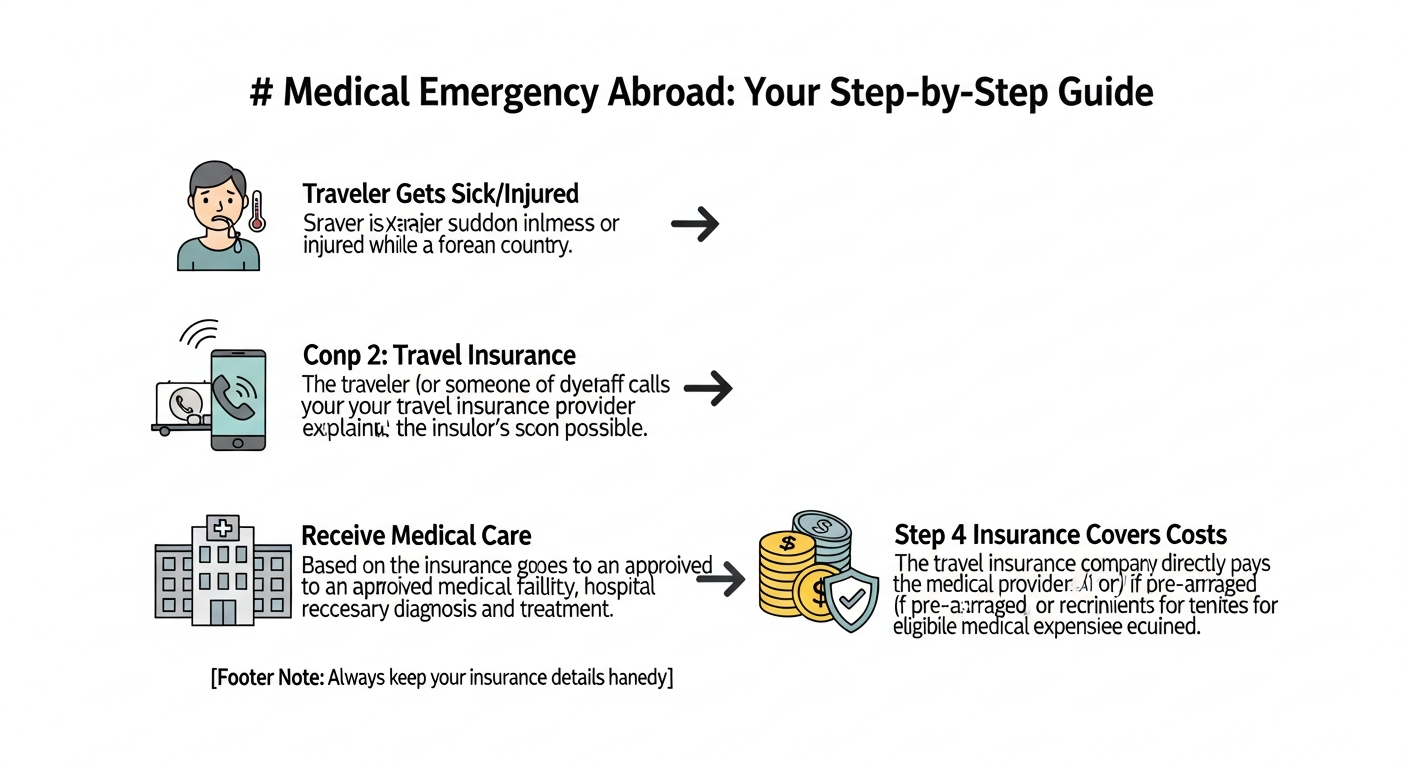
Dealing with a medical emergency abroad is stressful enough. Knowing how to file a claim beforehand can ease the burden if something happens.
- Contact Your Insurer Immediately: As soon as a medical emergency arises, or as soon as reasonably possible, contact your insurance provider’s 24/7 emergency assistance number. They can guide you through the process, recommend approved facilities, and even arrange direct billing in some cases.
- Keep Detailed Records: Document everything. This includes dates, times, names of medical professionals, diagnoses, treatments, and all receipts. Take photos if relevant.
- Pay and Get Receipts (If Necessary): In many situations, especially for smaller bills, you might need to pay out-of-pocket and then seek reimbursement. Always get itemized receipts and a medical report from the doctor or hospital.
- Submit Your Claim: Once you return home or are in a stable condition, submit your claim form along with all supporting documentation. Follow your insurer’s specific instructions precisely.
- Follow Up: Keep copies of everything you submit and follow up with your insurer if you don’t hear back within their stated timeframe.
Common Misconceptions and Expert Advice
There are several myths surrounding travel medical insurance that can lead travelers astray.
- Myth 1: My Credit Card Offers Enough Coverage. While some premium credit cards offer travel benefits, these are often supplemental and rarely provide comprehensive medical emergency coverage. They usually have lower limits and more restrictions than dedicated travel medical insurance. Always verify the specifics with your card provider.
- Myth 2: I’m Healthy, So I Don’t Need It. Accidents and sudden illnesses can happen to anyone, regardless of age or fitness level. A twisted ankle, a severe food allergy reaction, or a sudden fever can disrupt even the healthiest traveler’s plans.
- Myth 3: It’s Too Expensive. The cost of a policy is usually a small fraction of your overall trip cost, especially when compared to the potential cost of an uninsured medical emergency. Think of it as an investment in your safety and financial security.
Expert Advice for Smart Travel
- Purchase Early: Buy your policy as soon as you book your trip. This can sometimes allow for coverage of unexpected events before departure, like trip cancellation due to illness.
- Carry Policy Information: Keep a copy of your policy details, emergency contact numbers, and policy number easily accessible, both digitally and physically.
- Inform Travel Companions: Make sure someone traveling with you knows about your insurance and where to find the information.
- Understand Local Emergency Numbers: Before you go, know the emergency contact numbers for police, ambulance, and fire services in your destination.
Conclusion
Travel medical insurance is not just another item on your packing list; it’s a fundamental safeguard for any international journey. It offers vital financial protection and peace of mind against the unpredictable nature of travel. From unexpected illnesses to serious accidents and costly evacuations, having the right policy ensures you can focus on enjoying your adventure, knowing you’re prepared for whatever comes your way. Don’t let a medical emergency turn your dream trip into a nightmare. Invest in your safety and travel smart.
Frequently Asked Questions (FAQ)
- Q: Will my regular health insurance cover me overseas?
A: In most cases, no. Domestic health insurance plans, including Medicare and many private plans, offer very limited or no coverage for medical emergencies outside your home country. It’s crucial to purchase a dedicated travel medical insurance policy.
- Q: Is travel medical insurance the same as travel insurance?
A: Not exactly. Travel medical insurance specifically covers health-related emergencies. General travel insurance often includes medical benefits but also covers other aspects like trip cancellation, lost luggage, and travel delays. You can buy them separately or as part of a comprehensive travel insurance package.
- Q: Can I get travel medical insurance if I have a pre-existing condition?
A: Yes, but it requires careful selection. Many policies offer waivers for pre-existing conditions if purchased within a certain timeframe of your initial trip deposit and if you meet specific criteria. Always disclose your conditions and read the policy details regarding pre-existing conditions very carefully.
- Q: How much does travel medical insurance cost?
A: The cost varies widely based on factors like your age, trip duration, destination, desired coverage limits, and any pre-existing conditions. It can range from a few dollars a day to hundreds of dollars for longer, more comprehensive plans. It’s generally a small percentage of your overall trip cost.
- Q: What should I do in a medical emergency abroad?
A: First, seek immediate medical attention if necessary. Then, contact your travel medical insurance provider’s 24/7 emergency assistance line as soon as possible. They will guide you on next steps, approved facilities, and how to manage billing and claims. Keep all receipts and medical reports.