The Ultimate Guide to Travel Luggage: Choose Your Perfect Companion
Traveling is an exciting adventure, but the journey itself often begins long before you reach your destination. It starts with packing, and at the heart of every successful trip is the right travel luggage. Your bags are more than just containers; they are your trusted companions, protecting your belongings and making your travel experience smooth or stressful. Choosing the perfect luggage can feel overwhelming with countless options available. From sleek hardside suitcases to versatile backpacks, each type offers unique benefits and drawbacks. Understanding these differences is key to making an informed decision that will serve you well on all your future explorations.
This comprehensive guide will break down everything you need to know about travel luggage. We will explore various types, essential features, and expert tips to help you select bags that meet your specific travel needs and style. Whether you are a frequent flyer, a weekend explorer, or planning a once-in-a-lifetime expedition, finding the right luggage can significantly enhance your journey. Let us dive into the world of travel gear and equip you with the knowledge to make smart choices for every trip.
Key Takeaways
- Match Luggage to Travel Style: Choose bags based on trip duration, destination, and mode of transport (e.g., carry-on for short flights, duffel for road trips).
- Prioritize Durability: Look for strong materials like polycarbonate or ballistic nylon, robust zippers, and quality wheels for long-lasting use.
- Consider Size and Weight: Be aware of airline restrictions for carry-on and checked bags to avoid extra fees and ensure easy handling.
- Evaluate Features: Spinner wheels, telescopic handles, internal organization, and security features like TSA-approved locks enhance convenience and protection.
- Invest Wisely: Quality luggage is an investment. While budget options exist, durable, well-designed pieces often save money and hassle in the long run.
Why Your Luggage Matters
Your travel luggage plays a much bigger role than simply holding your clothes. It is an essential tool that can define the ease and enjoyment of your trip. Imagine struggling with a broken wheel through a busy airport or finding your belongings soaked due to a flimsy bag in the rain. These scenarios highlight why careful selection is paramount.
More Than Just a Bag
Good luggage offers peace of mind. It protects your valuables, keeps your items organized, and allows for effortless movement through terminals, streets, and hotels. Investing in quality luggage means less worry about damage or inconvenience, letting you focus on the joy of your travels. It also reflects your personal style and can even make a statement.
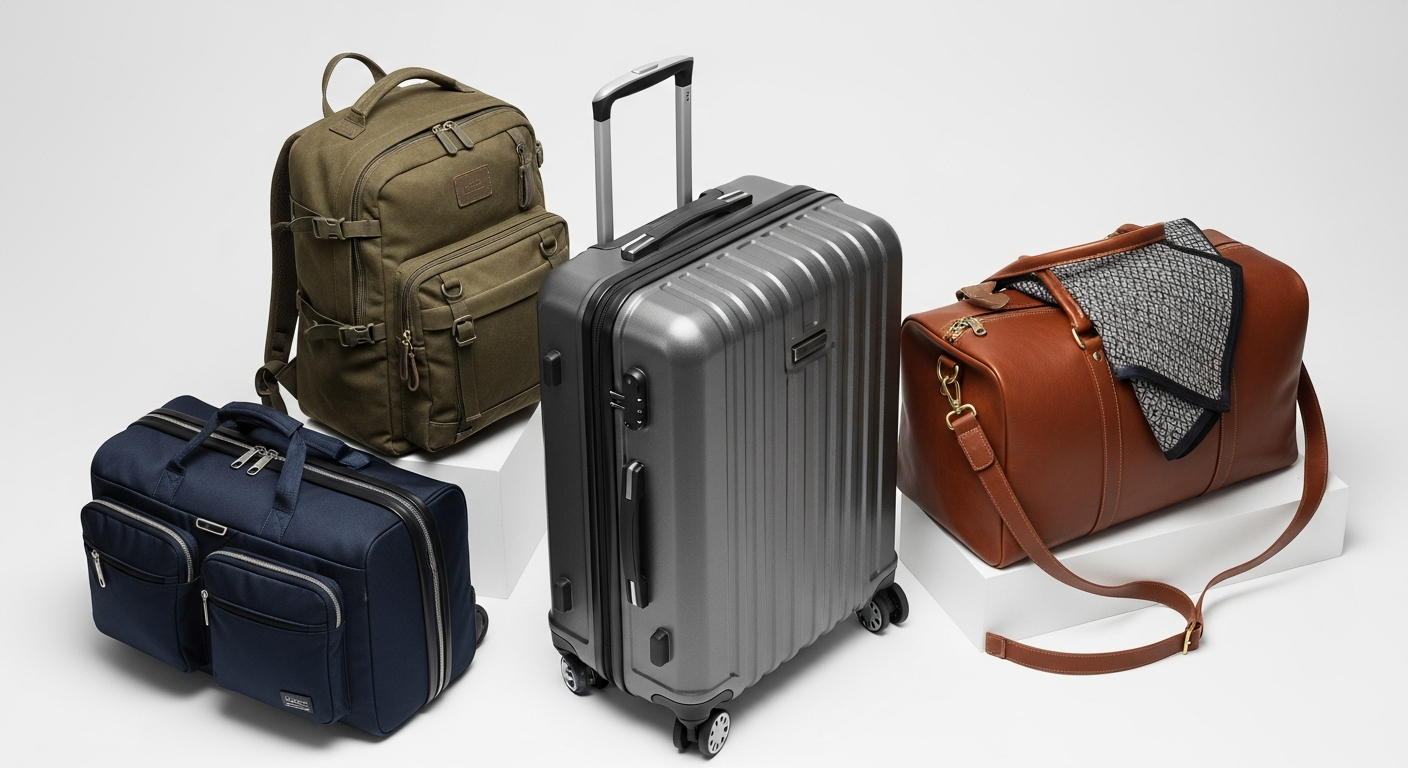
Understanding Different Types of Travel Luggage
The market offers a vast array of luggage types, each designed for specific purposes and travel preferences. Knowing the characteristics of each can guide your choice.
Carry-On vs. Checked Luggage
Carry-on luggage is designed to fit in the overhead bin or under the seat on an airplane. It is perfect for short trips, business travel, or when you want to avoid baggage claim lines. Carry-on bags typically have strict size and weight limits set by airlines. Always check these limits before you fly. This type of luggage offers immediate access to your essentials.
Checked luggage is larger and stored in the cargo hold of an aircraft. It is suitable for longer trips or when you need to carry more items, like multiple outfits, toiletries, or specialized gear. While offering more space, checked bags come with the risk of being lost or delayed. They also often incur additional fees from airlines.
Hardside vs. Softside
Hardside luggage is made from rigid materials such as polycarbonate, ABS, or aluminum. These materials offer excellent protection against impact and moisture, making them ideal for fragile items. Hardside cases are generally easier to clean and can be more resistant to theft due to their impenetrable shell. However, they may be less flexible for overpacking and can show scratches more easily.
Softside luggage is typically made from woven fabrics like nylon or polyester. It is more flexible, allowing for some expansion and easier squeezing into tight spaces. Softside bags often feature external pockets, providing quick access to documents or small items. While generally lighter, they may offer less protection against crushing or sharp impacts and can absorb moisture.
Backpacks, Duffels, and Specialty Bags
Travel backpacks are excellent for adventure travelers, backpackers, or those who prefer hands-free movement. They distribute weight evenly and are versatile for various terrains. Some travel backpacks are designed to meet carry-on dimensions, offering a great alternative to wheeled suitcases. They are often less formal than traditional luggage.
Duffel bags are simple, cylindrical bags often made of soft fabric. They are great for gym gear, short road trips, or as an overflow bag. Wheeled duffels combine the flexibility of a duffel with the convenience of wheels. They are less structured but can be surprisingly spacious. Many travelers use duffels for sports equipment or casual getaways.
Specialty bags include garment bags for formal wear, laptop bags, camera bags, and specific cases for musical instruments or sports equipment. These are designed with particular items in mind, offering tailored protection and organization.
| Feature | Hardside Luggage | Softside Luggage | Travel Backpack |
| **Material** | Polycarbonate, ABS, Aluminum | Nylon, Polyester | Nylon, Canvas, Polyester |
| **Protection** | High (impact, moisture) | Moderate | Moderate |
| **Flexibility** | Low (rigid shell) | High (expandable) | High |
| **External Pockets** | Rare | Common | Common |
| **Weight** | Can be heavier | Often lighter | Varies |
| **Maneuverability** | Excellent (spinner wheels) | Good (2 or 4 wheels) | Hands-free |
| **Cleaning** | Easy to wipe clean | Spot clean, harder overall | Spot clean |
Key Features to Look For
When examining specific pieces of luggage, several features stand out as crucial for durability, convenience, and security. Paying attention to these details can make a significant difference in your travel experience.
Durability and Materials
Durability is paramount. For hardside luggage, polycarbonate is often considered superior to ABS for its flexibility and impact resistance. Aluminum offers maximum protection but is heavier and more expensive. For softside bags, look for high-denier nylon (e.g., ballistic nylon) which is resistant to tears and abrasions. Reinforced stitching and self-repairing zippers also contribute to a bag’s lifespan.
Wheels and Handles
Wheels: Spinner wheels (four wheels that rotate 360 degrees) offer superior maneuverability, allowing you to push, pull, or roll your bag alongside you with ease. Two-wheeled roller bags are sturdy and perform well over uneven surfaces but require tilting and pulling. Consider the quality of the wheels; strong, reinforced wheels are less likely to break off.
Handles: A sturdy, multi-stage telescopic handle is vital. It should extend and retract smoothly and lock firmly into place at various heights. Look for minimal wobble. Top and side grab handles are also important for lifting your bag into overhead bins or off conveyor belts.
Zippers and Locks
High-quality zippers, such as YKK brands, are less likely to snag, break, or come undone. Self-repairing zippers are a bonus. For security, many bags come with built-in TSA-approved locks. These locks allow airport security to open your bag for inspection without damaging it. If your bag does not have a built-in lock, consider purchasing a separate TSA-approved padlock.
Organization and Capacity
Internal organization features, like compression straps, mesh pockets, and divider panels, help keep your belongings neat and prevent them from shifting during transit. Some bags offer expandable sections, which can be incredibly useful for bringing home souvenirs. Consider the main compartment’s capacity in liters to ensure it meets your packing needs without exceeding size limits.
Smart Luggage: Is It Worth It?
Smart luggage integrates technology into traditional bags. Features often include built-in power banks for charging devices, GPS tracking, digital weighing scales, and even remote locking via a smartphone app. While these features can be convenient, it is important to check airline regulations, especially regarding lithium-ion batteries, which are often restricted in checked luggage. For some travelers, the added tech offers valuable peace of mind and convenience. For others, the extra cost and potential restrictions might not be worth it.
Top Tips for Choosing Your Luggage
Making the final decision requires a careful assessment of your needs and priorities. Here are five expert tips to guide your purchase:
- Assess Your Travel Habits: Are you a frequent international traveler, a weekend road-tripper, or an occasional vacationer? Your travel frequency and destinations will dictate the type and durability of luggage you need.
- Consider Airline Restrictions: Always check the specific carry-on and checked baggage size and weight limits for the airlines you typically fly. These rules vary significantly and can lead to unexpected fees.
- Prioritize Maneuverability: If you often navigate busy airports or city streets, spinner wheels and a comfortable handle are essential. Backpacks are great for hands-free travel over uneven terrain.
- Think About Security: Look for durable zippers, TSA-approved locks (built-in or separate), and materials that deter tampering. Peace of mind is priceless when your valuables are concerned.
- Read Reviews and Warranties: Customer reviews offer real-world insights into a product’s performance. A good warranty indicates a manufacturer’s confidence in their product and offers protection for your investment.
Maintaining Your Travel Companion
Proper care and maintenance can significantly extend the life of your travel luggage. A little effort goes a long way in keeping your bags in top condition for many trips to come.
- Clean Regularly: Wipe down hardside luggage with a damp cloth after each trip. For softside bags, spot clean with mild soap and water. Avoid harsh chemicals that can damage fabrics or finishes.
- Inspect Wheels and Zippers: Before and after each trip, check wheels for debris and ensure they roll smoothly. Lubricate zippers if they become stiff. Report any damage to airlines immediately if it occurred during transit.
- Store Properly: When not in use, store your luggage in a cool, dry place away from direct sunlight. Consider using dust covers to protect against dust and scratches.
- Do Not Overpack: While it is tempting to cram in extra items, overpacking puts undue stress on zippers, seams, and handles, leading to premature wear and tear. Use packing cubes to maximize space efficiently.
- Address Repairs Promptly: Small tears, loose screws, or sticky zippers can worsen over time. Address minor repairs quickly to prevent bigger problems down the road. Many luggage brands offer repair services or replacement parts.
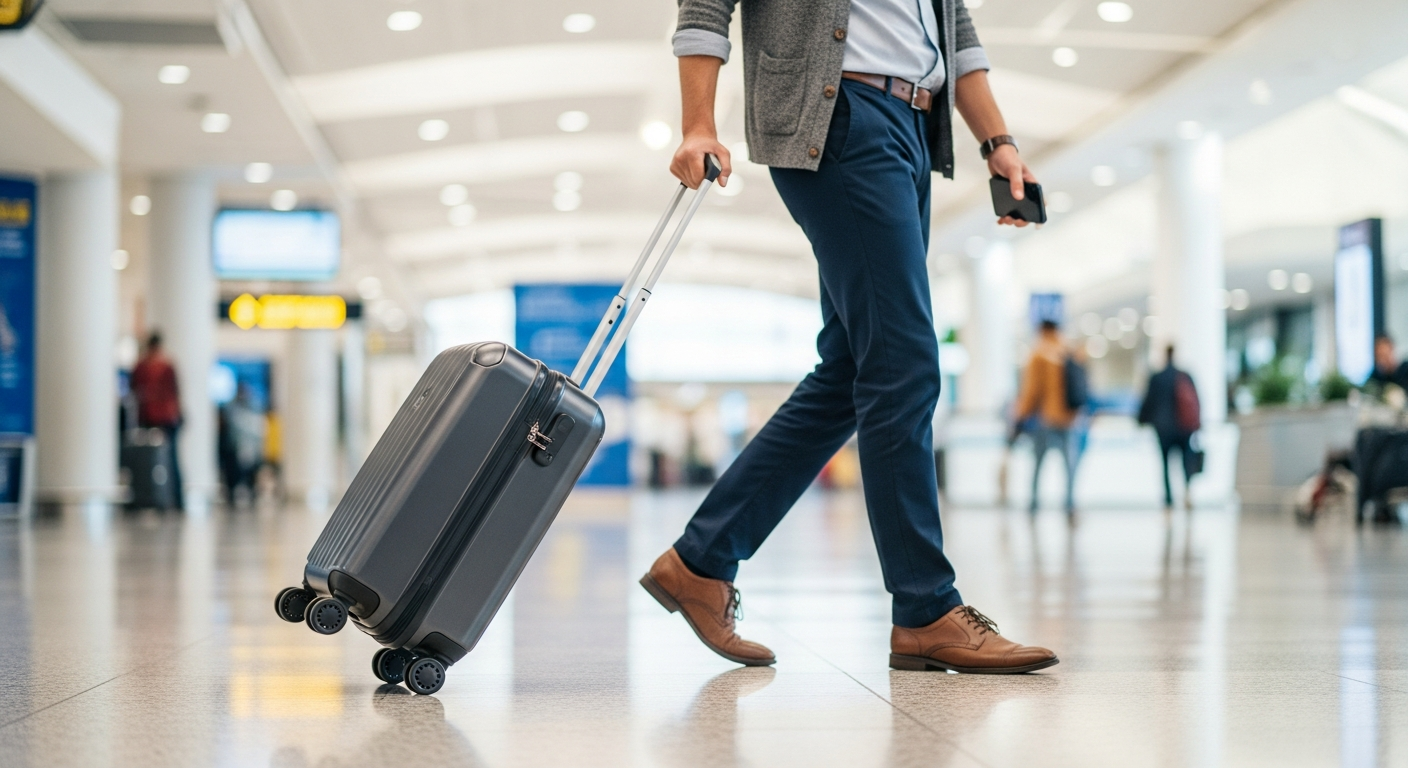
“The right piece of luggage isn’t just about carrying your belongings; it’s about carrying your peace of mind. It allows you to focus on the journey, not the logistics of your gear.” – Travel Gear Expert
Conclusion
Choosing the right travel luggage is a crucial step in preparing for any journey. It impacts your comfort, convenience, and the safety of your belongings. By understanding the different types of luggage, recognizing key features, and applying expert tips, you are now well-equipped to make informed decisions. Remember to consider your personal travel style, the duration of your trips, and airline regulations when making your selection. Investing in quality, durable luggage is an investment in countless smooth and enjoyable adventures.
Your travel companion should be reliable, functional, and ideally, a reflection of your travel aspirations. With the insights shared in this guide, you can confidently select the perfect bags that will stand by you, trip after trip, making every journey a little lighter and a lot more enjoyable. Happy travels!
FAQ
Q1: What is the best material for durable luggage?
A1: For hardside luggage, polycarbonate is highly recommended for its flexibility and resistance to impact. For softside luggage, ballistic nylon or high-denier polyester offers excellent durability and tear resistance. Both provide strong protection for your belongings.
Q2: Is hardside or softside luggage better for international travel?
A2: Both hardside and softside luggage can be suitable for international travel. Hardside offers better protection for fragile items and against moisture, while softside often provides more flexibility for packing and external pockets. Your choice depends on your packing style and priority for protection versus flexibility.
Q3: What is a TSA-approved lock and why do I need one?
A3: A TSA-approved lock allows airport security personnel (specifically the Transportation Security Administration in the U.S.) to open your luggage for inspection using a master key without damaging your lock or bag. If you use a non-TSA approved lock, security might have to cut it off to inspect your bag.
Q4: How many wheels are best for travel luggage?
A4: Four spinner wheels (360-degree rotation) are generally considered best for maneuverability, especially in busy airports, as they allow you to roll the bag effortlessly in any direction. Two-wheeled bags are sturdy and good for uneven surfaces but require tilting and pulling.
Q5: How can I make my luggage last longer?
A5: To extend your luggage’s life, avoid overpacking, clean it regularly, inspect and maintain wheels and zippers, and store it properly in a cool, dry place when not in use. Addressing small repairs promptly can also prevent bigger issues.