Mastering Travel Liquid Sizes: Your Essential Guide to Stress-Free Flying
Traveling by air should be an exciting experience, but often, the rules and regulations can feel overwhelming. One of the most common sources of confusion for travelers worldwide revolves around what you can and cannot bring on a plane, especially concerning liquids. Understanding the rules for travel liquid size is not just about following regulations; it is about ensuring a smooth, stress-free journey from check-in to your destination.
Many people have faced the frustrating moment of having to discard a favorite lotion or expensive perfume at airport security. This article aims to clear up all the confusion surrounding liquid rules for air travel. We will dive deep into the regulations, offer practical packing tips, and help you navigate airport security with confidence. By the time you finish reading, you will be an expert on travel liquid sizes, ready to pack like a pro.
Key Takeaways
- The TSA’s 3-1-1 rule is the cornerstone of travel liquid size regulations for carry-on bags.
- Liquids, gels, aerosols, creams, and pastes all fall under the 3-1-1 rule.
- Properly sized containers (3.4 ounces or 100 milliliters) and a single quart sized bag are crucial.
- Exemptions exist for essential medications, baby formula, and breast milk.
- Always check international rules as they can sometimes differ from domestic guidelines.
Understanding the TSA 3-1-1 Rule: The Basics
The Transportation Security Administration (TSA) in the United States, and similar security agencies globally, implement a specific rule for liquids in carry-on baggage. This rule is famously known as the 3-1-1 rule. It is designed to ensure the safety and security of all passengers by limiting the amount of liquids that can be carried through security checkpoints. Getting familiar with this rule is the first step to hassle-free travel.
The 3-1-1 rule applies to all liquids, gels, aerosols, creams, and pastes you wish to bring in your carry-on bag. It is a simple yet vital regulation that every traveler should know by heart. Following it correctly prevents delays at security and avoids the need to discard items. Let us break down what each number in 3-1-1 truly signifies for your travel liquid size.
What Does 3-1-1 Actually Mean?
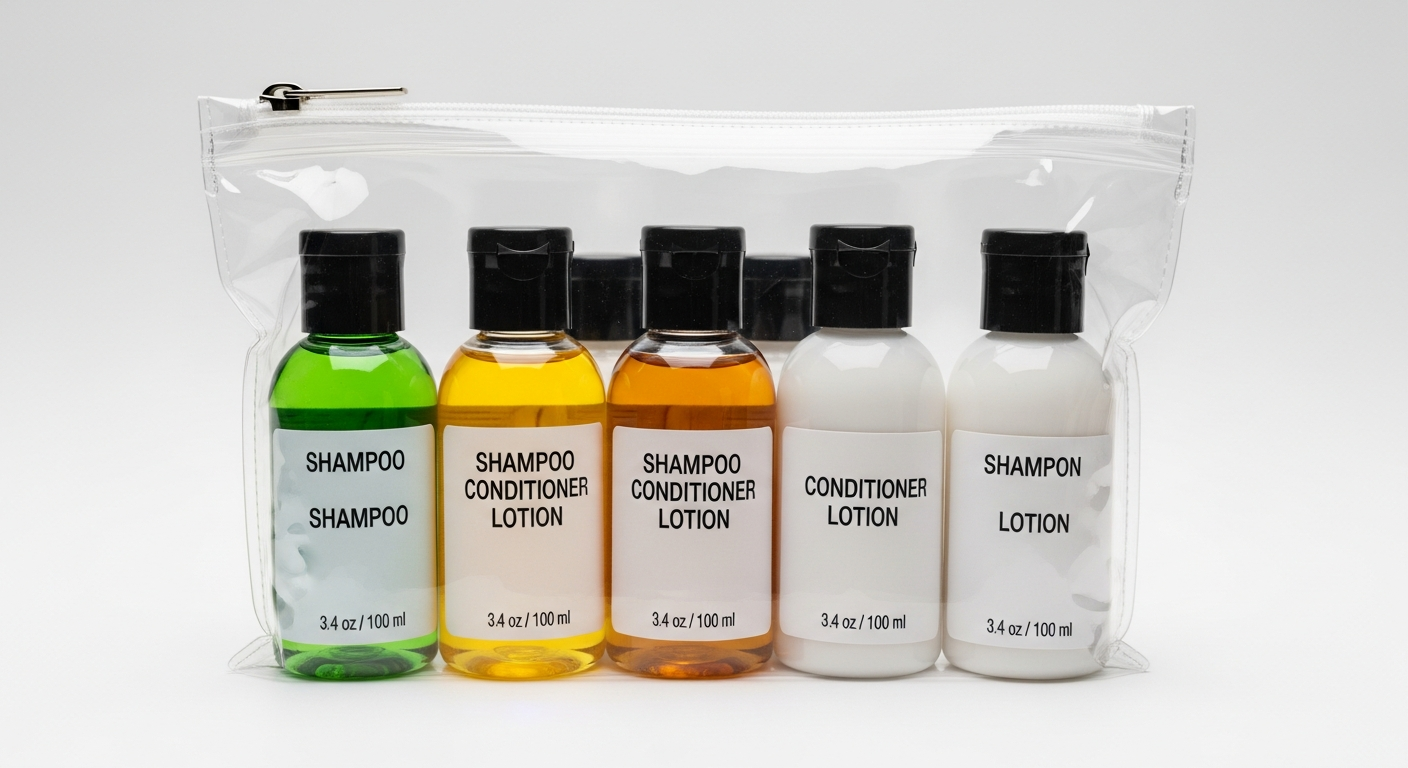
The numbers in the 3-1-1 rule stand for specific measurements and quantities.
- 3: Each liquid container must be 3.4 ounces (100 milliliters) or smaller. This is a strict limit per container, not the total amount of liquid you can bring.
- 1: All your 3.4 ounce or smaller containers must fit into one clear, plastic, quart sized bag. This bag acts as a single collection point for all your small liquid items.
- 1: Each passenger is limited to one quart sized bag. This means you cannot bring multiple bags filled with liquids, even if the containers within them meet the 3.4 ounce limit.
This rule is a global standard for air travel, though minor variations might exist in some countries. Adhering to these simple guidelines will make your security screening much smoother. It is a system designed for both security and passenger convenience, once understood.
Common Misconceptions About Liquid Travel Rules
Despite its widespread application, many travelers still hold misconceptions about the 3-1-1 rule. One common mistake is believing the 3.4 ounce limit applies to the amount of liquid inside the bottle, rather than the bottle’s capacity. Even if a 6-ounce bottle only has 2 ounces of lotion, it will still be confiscated because the container itself exceeds 3.4 ounces.
Another frequent error is trying to squeeze multiple quart sized bags into a carry-on. Remember, it is strictly one bag per passenger. Some travelers also forget that items like lip balms, stick deodorants, and solid soaps are generally exempt, while seemingly solid items like gel deodorant or creamy peanut butter are not. Knowing these nuances is key to mastering your travel liquid size.
| Rule Component | Description | Specific Details |
| **3** | Container Size Limit | Each container must hold 3.4 ounces (100 milliliters) or less. |
| **1** | Bag Requirement | All containers must fit into one clear, plastic, quart sized bag. |
| **1** | Passenger Limit | Each passenger is allowed only one quart sized bag of liquids. |
| **Purpose** | Enhances airport security and streamlines screening. | Applies to carry-on luggage only, not checked bags. |
The “Liquids” Definition: What Counts?
When we talk about liquids in the context of travel, it is important to understand that the definition goes beyond just water or juice. The TSA and other security agencies define “liquids” broadly to include items with similar flow and spread characteristics. This wider definition is critical for ensuring safety across various types of substances.
Many items that do not look like traditional liquids actually fall under the 3-1-1 rule. This is where many travelers get tripped up. Knowing what counts as a liquid can save you time and stress at the security checkpoint. It is better to be safe and consider an item a liquid if you are unsure.
Beyond Just Water: Gels, Aerosols, Creams
The 3-1-1 rule specifically includes:
- Gels: Hair gel, shower gel, hand sanitizer gel.
- Aerosols: Deodorant sprays, hairspray, shaving cream in an aerosol can.
- Creams: Face cream, hand lotion, sunscreen cream.
- Pastes: Toothpaste, peanut butter, hummus.
- Roll-ons: Roll-on deodorants, some perfumes.
If an item is spreadable, sprayable, or pourable, it is highly likely to be considered a liquid under these rules. Think about the texture and consistency. If it is not a solid, it probably belongs in your quart sized bag. This broad interpretation ensures that all potentially risky substances are properly screened.
Surprising Items That Fall Under the Rule
Some items might surprise you by falling under the travel liquid size restrictions. For instance, many food items are considered liquids or gels. Creamy dips, sauces, salad dressings, and even soft cheeses can be subject to the 3-1-1 rule. Stick butter or solid cheese is fine, but spreadable cheese or butter might not be.
Another common surprise is mascara, lip gloss, and liquid foundation. These everyday makeup items are definitely liquids. Wet wipes, however, are typically allowed as they are not free-flowing liquids. Always consider the item’s consistency. When in doubt, either put it in your quart sized bag or pack it in your checked luggage.
Here are some common items subject to the 3-1-1 rule:
- Shampoo and conditioner
- Toothpaste and mouthwash
- Liquid soap and body wash
- Perfume and cologne
- Hairspray and styling mousse
- Sunscreen lotion and after sun gel
- Liquid foundation and mascara
- Hand sanitizer gel
- Deodorant (gel or spray)
- Peanut butter and jelly
- Cream cheese and hummus
- Salad dressing and sauces
Packing Smart: Tips for Your Carry-On Liquids
Efficiently packing your carry-on liquids is an art form that can significantly improve your travel experience. It is not just about following the rules; it is about maximizing space and ensuring easy access. A well-packed liquids bag can save you time and frustration at the security checkpoint. Strategic packing is key to hassle free air travel.
The goal is to fit everything you need within the limits, without overstuffing your bag or forgetting essentials. Planning ahead is the best approach. Consider what you truly need versus what you can buy at your destination or simply do without for a short trip. Every ounce counts when managing your travel liquid size.
Choosing the Right Travel Containers
Investing in proper travel sized containers is a smart move. Many brands offer reusable, leak-proof bottles designed specifically for travel. Look for containers clearly marked with their volume, ideally 3.4 ounces (100 ml) or less. Avoid bringing larger bottles, even if they are mostly empty, as they will still be flagged.
Consider the type of liquid you are carrying when choosing containers. Thicker creams might need wider openings, while thinner liquids benefit from secure flip caps. Labels are also important. Clearly label your bottles so you know exactly what is inside without guessing. This simple step saves time and prevents mix-ups.
The Importance of a Quart Sized Bag
The clear, plastic, quart sized bag is not just a suggestion; it is a mandatory part of the 3-1-1 rule. This bag allows security officers to quickly inspect your liquids without having to open each container. Ziploc bags are a popular choice, but many travel brands also offer durable, reusable clear bags specifically designed for this purpose.
Make sure your bag is truly quart sized. Larger bags will not be accepted, and smaller ones might not hold everything you need. The bag must also be able to close completely without bulging. If you are struggling to zip it up, you likely have too many items or containers that are too bulky.
Efficiently Arranging Your Liquids
When placing your items into the quart sized bag, think strategically. Try to lay flat items, like small tubes, to maximize space. Place larger, more rigid containers side by side. Avoid simply tossing items in; a little organization goes a long way. The goal is a neatly packed bag that closes easily.
Consider using solid alternatives where possible. Solid shampoo bars, deodorant sticks, and bar soap do not count as liquids and can free up valuable space in your bag. This approach can significantly reduce the number of liquid items you need to carry, simplifying your travel liquid size management.
“Preparation is paramount when flying with liquids. Always pack your 3-1-1 bag at home, ensuring it zips easily and is readily accessible. This small step can prevent significant delays and stress at the security checkpoint.”
Exemptions to the 3-1-1 Rule: What You Can Bring More Of
While the 3-1-1 rule is strict, there are important exemptions designed to accommodate specific passenger needs. These exemptions recognize that certain liquids are essential for health, well-being, or the care of infants. Knowing these exceptions can prevent unnecessary worry and ensure you have what you need for your journey.
It is crucial to declare these exempted items to security officers. Do not try to hide them. Transparency and communication are key to a smooth process when carrying items outside the standard travel liquid size limits. Always inform the officer if you have medical liquids or baby necessities.
Medications and Essential Medical Liquids
Medically necessary liquids are allowed in reasonable quantities exceeding 3.4 ounces (100 milliliters). This includes prescription and over-the-counter medications, eye drops, saline solutions, and other liquids needed for health conditions. You do not need to put these in your quart sized bag.
However, you should:
- Declare these items to the TSA officer at the start of the screening process.
- Present them for inspection separately from your other carry-on liquids.
- Be prepared for additional screening, which may include X-ray or a separate inspection.
- Carry supporting documentation, like a doctor’s note or prescription label, although it is not always required, it can speed up the process.
Baby Formula, Breast Milk, and Juice
Traveling with infants comes with its own set of needs, and the TSA accommodates this. Baby formula, breast milk, and juice for infants or toddlers are allowed in quantities greater than 3.4 ounces (100 milliliters). These items do not need to fit into the quart sized bag.
Similar to medical liquids, you should:
- Declare these items to the TSA officer.
- Present them for separate screening.
- Be aware that officers might need to test these liquids for explosives. You can decline the testing, but if you do, the liquid will not be permitted through the checkpoint.
These exemptions are vital for ensuring comfortable and safe travel for those with specific needs. They highlight the TSA’s commitment to balancing security with passenger welfare.
Duty Free Purchases
Liquids purchased at duty free shops beyond the security checkpoint are generally allowed. If you buy duty free liquids, like alcohol or perfume, make sure they are placed in a special tamper-evident bag (STEB) by the retailer. Do not open this bag before reaching your final destination, especially if you have connecting flights.
The STEB must remain sealed and you must keep the original receipt. If you open the bag, the liquids will then be subject to the standard 3-1-1 rule. This specific allowance for duty free goods helps travelers enjoy their purchases without immediate concerns about travel liquid size limits.
International Travel and Liquid Rules
While the 3-1-1 rule is widely adopted, it is important to remember that international travel can sometimes involve slight variations in security regulations. The general principle remains consistent across most countries, but specific interpretations or additional rules might apply. Being aware of these potential differences is crucial for smooth international journeys.
Never assume that the rules you know for domestic flights automatically apply everywhere. A quick check of your destination country’s airport security guidelines can save you from unexpected issues. This proactive approach is a hallmark of an experienced traveler.
Are International Rules Different?
For the most part, major international airports and security agencies adhere to guidelines similar to the TSA’s 3-1-1 rule. This includes the 100 milliliter (3.4 ounce) container limit and the requirement for a clear, quart sized bag. This standardization helps streamline global travel.
However, minor differences can occur. Some countries might have slightly different interpretations of what constitutes a “liquid” or specific procedures for screening medical items. For example, some regions might be stricter about the type of clear bag or require specific documentation for certain medications. Always verify the rules of your departure and arrival countries.
Checking Your Destination’s Specific Guidelines
Before embarking on an international trip, always consult the official websites of the airport you are departing from and the airport you will be arriving at. Look for sections on “security” or “prohibited items.” Airlines also often provide useful information on their websites regarding liquid restrictions.
A simple search for “airport security [country name] liquids” can yield the most up-to-date and accurate information. This small effort can prevent potential confiscations or delays, ensuring your journey is as smooth as possible. Being informed is your best defense against travel hiccups related to travel liquid size.
Common Questions and Advanced Tips
Even with a solid understanding of the 3-1-1 rule, some specific situations or items can still raise questions. Knowing how to handle these can further enhance your travel efficiency. These tips go beyond the basics, offering insights that seasoned travelers use to navigate airport security with ease.
Preparing for potential questions or unusual items is part of being a smart traveler. The more informed you are, the less likely you are to encounter unexpected challenges at the security checkpoint.
Solid vs. Liquid: When in Doubt
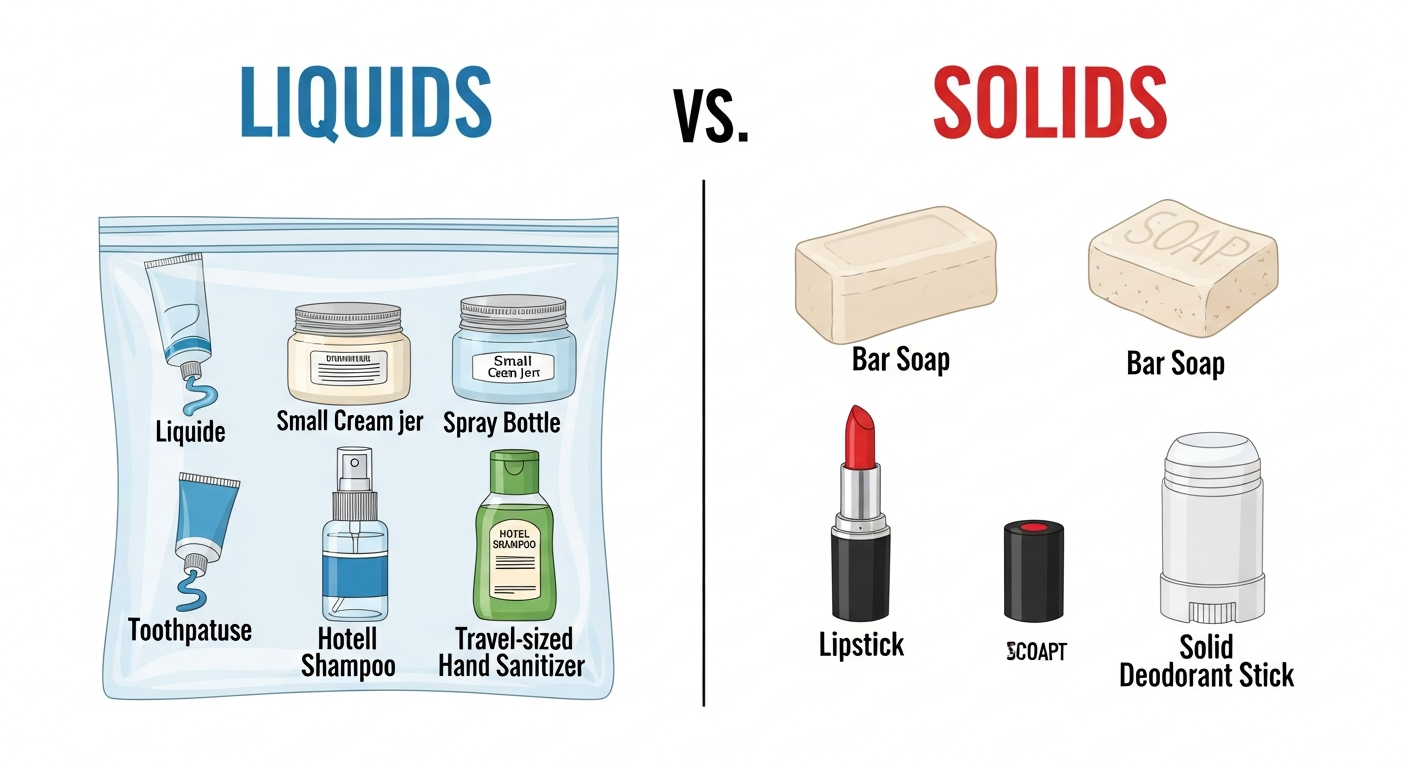
One of the most frequent dilemmas is distinguishing between a solid and a liquid. A good rule of thumb is: if it is spreadable, pourable, or easily squeezable, it is likely a liquid.
Consider these examples:
- Solid: Bar soap, solid stick deodorant, lipstick, chapstick, solid perfume, powdered makeup. These are generally fine outside the 3-1-1 bag.
- Liquid/Gel/Paste: Gel deodorant, liquid lipstick, creamy makeup foundation, aerosol hairspray, peanut butter, hummus. These belong in your quart sized bag.
If you are truly unsure, err on the side of caution and place the item in your quart sized bag, or pack it in your checked luggage. A quick search on the TSA website for specific items can also provide clarity.
The Security Checkpoint Experience
When you reach the security checkpoint, be prepared to remove your clear quart sized bag from your carry-on luggage. Place it in a separate bin for X-ray screening. This is a standard procedure and helps officers efficiently process passengers. Having your bag easily accessible makes this step much faster.
If you have medical liquids or baby formula that exceed the 3.4 ounce limit, declare them immediately to the TSA officer. They will instruct you on how to present these items for additional screening. Cooperation and clear communication are vital for a smooth process.
Here are some pro tips for a smooth security experience:
- Pre-pack at home: Assemble your liquid bag before leaving, ensuring it closes easily.
- Keep it accessible: Place your liquid bag on top of your carry-on items for quick removal.
- Declare exemptions: Always inform officers about medical liquids or baby necessities.
- Dress smart: Avoid excessive metal accessories that might trigger detectors.
- Be patient and polite: Security officers are doing their job to keep everyone safe.
Conclusion
Navigating the rules for travel liquid size does not have to be a source of stress. By understanding the TSA’s 3-1-1 rule, knowing what counts as a liquid, and packing smart, you can breeze through airport security with confidence. Remember the 3.4 ounce container limit, the single quart sized bag, and the crucial exemptions for medical and baby necessities.
Whether you are traveling domestically or internationally, being informed is your most powerful tool. A little preparation goes a long way in ensuring your toiletries and essential liquids accompany you without a hitch. Embrace these guidelines, pack thoughtfully, and enjoy your journey knowing you have mastered the art of flying with liquids. Safe travels!
FAQ Section
Q1: Can I bring a full sized shampoo bottle in my checked luggage?
A1: Yes, the 3-1-1 liquid rule applies only to carry-on bags. You can pack full sized liquid containers, including shampoo, in your checked luggage without any specific size restrictions. However, it is always wise to secure them properly to prevent leaks.
Q2: What if my liquid container is slightly over 3.4 ounces, like 3.5 ounces?
A2: The 3.4 ounce (100 milliliter) limit is strict. Even a container slightly over this size will likely be flagged and confiscated by security officers. It is always best to use containers that are clearly 3.4 ounces or less.
Q3: Are solid deodorants subject to the 3-1-1 rule?
A3: No, solid stick deodorants are generally not considered liquids, gels, or aerosols. You can pack them in your carry-on bag outside of your quart sized liquid bag. Gel or spray deodorants, however, do fall under the 3-1-1 rule.
Q4: Can I bring an empty water bottle through security and fill it afterward?
A4: Yes, you can absolutely bring an empty water bottle through airport security. Once you are past the checkpoint, you can fill it up at a water fountain or a water bottle filling station before boarding your flight. This is a great way to stay hydrated and save money.
Q5: Do baby food pouches count as liquids under the 3-1-1 rule?
A5: Baby food pouches are generally considered liquid or gel items. However, if you are traveling with an infant or toddler, baby food, like formula and breast milk, is exempt from the 3-1-1 rule. You should declare these items to the TSA officer for separate screening.