Unlock Your Dream Getaway: The Ultimate Guide to Finding Amazing Travel Deals
Dreaming of a sun-soaked beach, a bustling city adventure, or a serene mountain escape? The thought of travel often brings immense joy, but the cost can sometimes feel like a heavy anchor. Many believe that unforgettable journeys require deep pockets, especially with the ever-changing landscape of travel in 2026. However, that is simply not true. With the right knowledge and a bit of strategic planning, securing fantastic travel deals is not just possible, it’s a skill you can master.
This comprehensive guide will transform you into a savvy travel deal hunter. We will explore insider tips, reveal hidden tricks, and equip you with the tools to find the best prices on flights, hotels, and entire vacation packages. Forget endless searching and frustrating price comparisons. Prepare to discover how to unlock your dream getaway without breaking the bank, making your travel aspirations a joyful reality.
Key Takeaways for Savvy Travelers
- Flexibility is Your Friend: Being open to different travel dates, times, and even destinations can unlock significantly better deals.
- Leverage Technology: Price alert tools, incognito browsing, and VPNs are powerful allies in finding the lowest prices.
- Book Smart, Not Hard: Understand the best booking windows for flights and accommodations to maximize savings.
- Consider Package Deals: Sometimes, bundling flights, hotels, and activities can offer greater value than booking separately.
- Beyond the Obvious: Explore alternative airports, loyalty programs, and even unconventional lodging options for deeper discounts.
The Art of Finding Travel Deals: A Modern Approach
Finding great travel deals is less about luck and more about strategy. In today’s dynamic travel market, prices can shift rapidly due to various factors. Understanding these elements is the first step toward becoming a successful deal hunter.
Understanding Travel Deal Dynamics
Travel prices are influenced by many things, from the time of year to global events. Being aware of these patterns helps you predict when and where to look for the best offers.

- Seasonality: Peak travel seasons (holidays, summer) almost always mean higher prices. Traveling during the shoulder season (just before or after peak) or off-season can lead to huge savings.
- Demand: Popular destinations or events drive up demand, and thus, prices. Look for less-traveled routes or consider visiting popular spots during quieter times.
- Booking Window: There is often a “sweet spot” for booking flights and hotels. Too early, and prices might be high. Too late, and availability shrinks, pushing prices up. We will dive deeper into this soon.
Essential Tools for Deal Hunters
Modern technology has made finding travel deals easier than ever. These tools are your best friends in the quest for affordability.
- Flight and Hotel Aggregators: Websites like Skyscanner, Google Flights, Kayak, and Expedia compare prices from hundreds of airlines and booking sites. They are crucial for a broad overview.
- Price Alert Services: Many aggregators allow you to set up alerts for specific routes or hotels. You get notified when prices drop, ensuring you do not miss a good deal.
- Incognito Browsing: Airlines and booking sites sometimes use cookies to track your searches, potentially showing you higher prices on repeat visits. Use incognito or private browsing mode to prevent this.
- VPNs (Virtual Private Networks): In some cases, prices for flights or hotels can vary by country. A VPN allows you to virtually change your location, potentially accessing cheaper rates.
Flights: Soaring to Savings
Airfare is often the largest part of a travel budget. Mastering the art of finding cheap flights can significantly reduce your overall travel costs.
- Be Flexible with Dates: Even shifting your departure or return by a day or two can lead to substantial savings. Weekday flights are often cheaper than weekend flights.
- Consider Alternative Airports: Flying into or out of a smaller airport near your destination might be cheaper than using the main international hub. Always compare.
- Embrace Budget Airlines: Carriers like Ryanair, EasyJet, Southwest, and Spirit offer incredibly low base fares. Just be aware of potential extra fees for luggage, seat selection, and meals.
- Connecting Flights: Direct flights are convenient but often more expensive. A flight with a layover can sometimes cut costs by a significant margin.
- Book at the Right Time: For international flights, 2-8 months out is often ideal. For domestic flights, 1-4 months out. Prices tend to rise sharply in the last few weeks before departure.
“The most successful travel deal hunters are those who treat their search like a strategic game, always looking for the next smart move rather than just hoping for luck.” – Travel Industry Expert
Accommodation: Your Home Away From Home for Less
After flights, accommodation is typically the next biggest expense. There are many ways to find comfortable and affordable places to stay, no matter your travel style.
- Hotel Comparison Sites: Beyond major aggregators, sites like Booking.com, Hotels.com, and Trivago specialize in hotel deals. Always check a few different ones.
- Alternative Lodging: Consider hostels for budget-friendly stays, guesthouses for local charm, or vacation rentals (like Airbnb or Vrbo) for longer trips or group travel.
- Loyalty Programs: If you frequently stay with a particular hotel chain, joining their loyalty program can earn you free nights, upgrades, and exclusive discounts.
- Off-Season Stays: Much like flights, hotels offer significantly lower rates during their off-peak seasons. You might get better service and fewer crowds too.
- Look for Deals with Freebies: Sometimes a slightly higher room rate includes breakfast, Wi-Fi, or parking, which can actually save you money overall.
Here is a quick comparison of popular accommodation types:
| Accommodation Type | Best For | Typical Cost | Pros | Cons |
| **Hotels** | Comfort, amenities, service | Moderate to High | Reliability, services (room service, gym), privacy | Can be expensive, less local feel |
| **Hostels** | Budget travelers, solo explorers | Very Low | Social atmosphere, cheap, often central location | Less privacy, shared facilities, can be noisy |
| **Vacation Rentals** | Families, groups, longer stays | Moderate | More space, kitchen facilities, local experience | Less service, cleaning fees, can be hit-or-miss |
| **Guesthouses/B&Bs** | Local charm, personal touch | Low to Moderate | Unique experience, often includes breakfast, friendly hosts | Fewer amenities than hotels, variable quality |
Package Deals: Convenience Meets Value
For some travelers, especially those planning a resort vacation or a complex multi-city trip, package deals can offer both convenience and significant savings. These typically bundle flights and hotels, and sometimes car rentals or activities.
When to Consider Package Deals
Package deals are not always the cheapest option, but they can be incredibly valuable in certain situations.
- All-Inclusive Resorts: For destinations like the Caribbean or Mexico, all-inclusive packages often provide the best value, covering food, drinks, entertainment, and accommodation.
- Specific Destinations: Some tour operators have special relationships with hotels and airlines in particular regions, allowing them to offer discounted packages.
- Reduced Planning Stress: If you prefer to have everything arranged for you, a package deal can save you hours of research and booking time.
- Group Travel: Organizing travel for a group can be simplified with a package, often with added group discounts.
Always compare the total cost of a package deal against booking each component separately. Use a spreadsheet to break down the costs and see where the true savings lie.
Smart Strategies for Every Traveler
Becoming a master of travel deals involves more than just knowing where to look; it is about adopting smart habits and being prepared.
Timing is Everything
- Best Time to Book Flights: As a general rule for 2026, for domestic flights, aim for 1 to 3 months before departure. For international flights, 3 to 6 months out is often the sweet spot. Prices tend to spike in the last few weeks.
- Best Time to Book Hotels: Many experts suggest booking hotels 1 to 2 months in advance for the best rates, especially for popular destinations. However, last-minute deals can sometimes appear, especially for less popular times.
- Travel During Off-Peak: Traveling during the week, avoiding major holidays, and choosing shoulder seasons can drastically cut costs.
Loyalty Programs and Credit Card Perks
Do not underestimate the power of loyalty.
- Airline and Hotel Loyalty Programs: Sign up for free. You earn points for every dollar spent, which can be redeemed for free flights, hotel stays, or upgrades.
- Travel Credit Cards: Many credit cards offer generous sign-up bonuses (miles or points), travel insurance, airport lounge access, and no foreign transaction fees. Use them wisely and pay off balances monthly to avoid interest.
The Power of Flexibility
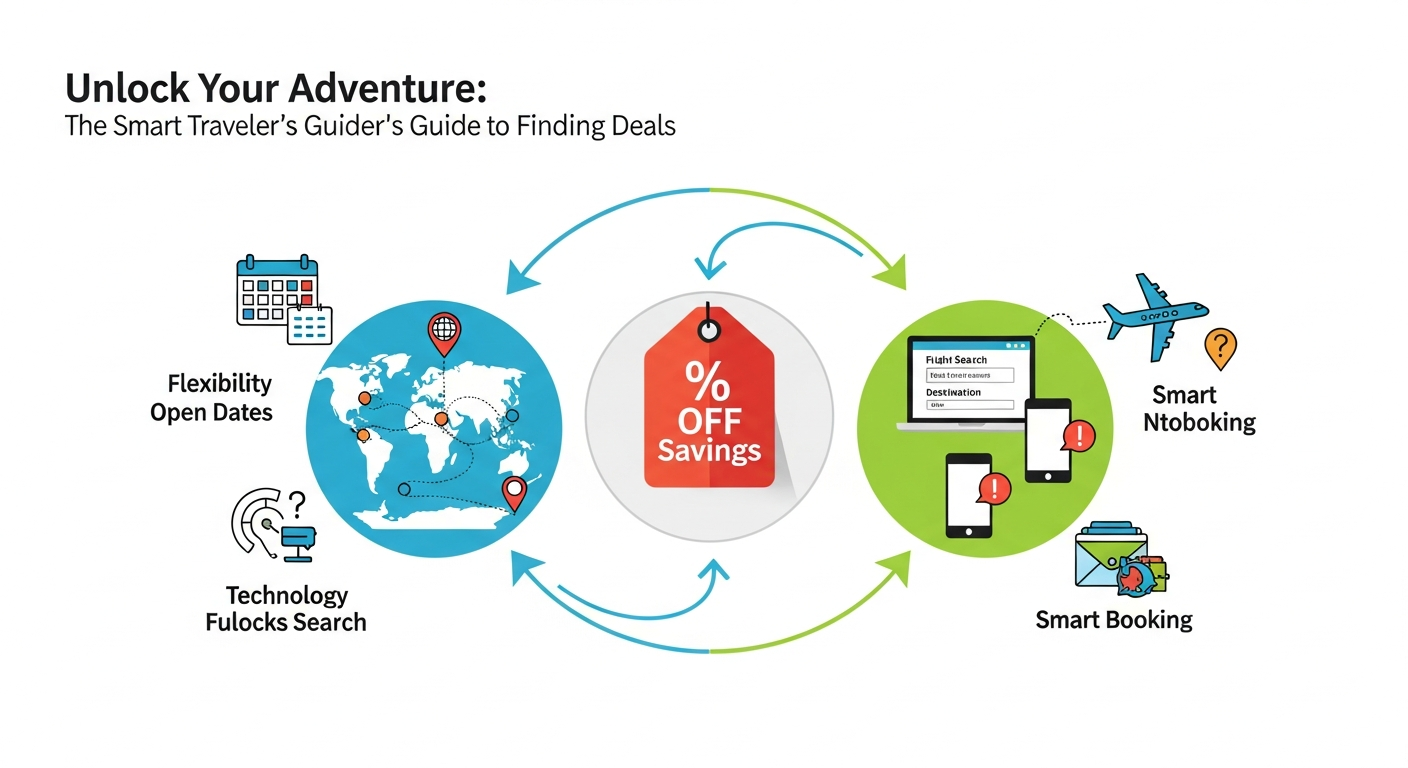
Being flexible is perhaps the single most important factor in finding great travel deals.
- Flexible Dates: Use “flexible date” search options on flight aggregators to see prices across an entire month.
- Flexible Destinations: If you are open to where you go, search for “everywhere” or “cheapest destinations” from your departure city. This can reveal incredible opportunities.
- Flexible Times: Flying early morning or late at night often comes with lower fares.
Avoiding Common Travel Deal Pitfalls
While the hunt for deals is exciting, it is crucial to stay cautious to avoid common traps that can turn a good deal into a bad experience.
- Hidden Fees: Always read the fine print. Budget airlines, for example, are known for charging extra for checked bags, seat selection, and even printing boarding passes at the airport.
- Strict Cancellation Policies: Extremely cheap rates often come with non-refundable, non-changeable terms. Ensure you understand the cancellation policy before booking, especially for major purchases.
- Unrealistic Offers: If a deal seems too good to be true, it probably is. Be wary of unverified websites or offers that are significantly lower than anything else on the market.
- Ignoring Reviews: Before booking with an unfamiliar airline, hotel, or tour operator, always check recent reviews on independent sites. This can save you from unpleasant surprises.
- Outdated Information: Always double-check the current validity of any deal or promotion you find, as prices and availability change rapidly.
Conclusion
Embarking on your dream vacation does not have to be a luxury reserved for a few. By adopting a strategic mindset, leveraging powerful online tools, and embracing flexibility, you can consistently uncover amazing travel deals. From mastering flight searches to finding the perfect accommodation for less, the power to travel more for less is now firmly in your hands. Remember, patience and persistence are key. Start planning your next adventure today, armed with the knowledge to make it both memorable and affordable. Happy travels in 2026 and beyond!
Frequently Asked Questions (FAQ)
Q1: What is the absolute best time to book flights for international travel?
A1: For international flights, the general consensus for 2026 suggests booking between 3 to 6 months before your intended departure date. This window often provides the best balance of availability and competitive pricing. Prices tend to increase as the departure date gets closer.
Q2: Are last-minute travel deals still a good option?
A2: Last-minute deals are less common for flights and popular hotels, especially during peak seasons. While you might find some last-minute cruise or package deals, relying on them for flights or specific hotel rooms is risky. Flexibility is key for last-minute savings.
Q3: How can I find deals if I am flexible with my destination?
A3: Many flight aggregator websites, like Google Flights or Skyscanner, offer an “Explore” or “Everywhere” feature. You can enter your departure airport and desired travel dates (or a flexible month), and it will show you the cheapest destinations available, allowing you to discover unexpected travel opportunities.
Q4: Is it better to book directly with airlines/hotels or through third-party sites?
A4: Both have pros and cons. Third-party sites often offer competitive prices and package deals. However, booking directly with an airline or hotel can provide better customer service in case of changes or cancellations, and it allows you to earn loyalty points more easily. Always compare prices from both sources.
Q5: What should I watch out for when booking a very cheap travel deal?
A5: Always check for hidden fees (baggage, seat selection, resort fees), strict cancellation policies (non-refundable), and the reputation of the booking provider or accommodation. Read recent reviews to ensure the deal is legitimate and the quality meets your expectations. Transparency is crucial.