The Ultimate Guide to Travel Duffel Bags: Pack Smart, Journey Easy
Travel is an adventure, and your luggage should empower, not hinder, your journey. For many seasoned explorers and weekend wanderers, the travel duffel bag stands out as a versatile, stylish, and practical choice. Far from just a gym bag, modern duffel bags are engineered for the rigors of travel, offering a unique blend of capacity, flexibility, and ease of use. They adapt to various travel styles, from quick getaways to longer expeditions, providing a refreshing alternative to traditional suitcases. Understanding the full potential of a good travel duffel bag can transform how you pack and experience the world. This guide will walk you through everything you need to know about selecting, using, and loving your next travel companion.
Key Takeaways for Smart Duffel Bag Travel
- Travel duffel bags offer unmatched versatility for various trip types, from weekend escapes to extended adventures.
- Key features like material, zippers, and strap design significantly impact a duffel bag’s durability and comfort.
- Choosing the right size, considering airline carry-on rules and trip duration, is crucial for hassle-free travel.
- Efficient packing techniques, such as rolling clothes and using packing cubes, maximize space and organization within your duffel.
- Proper care and maintenance extend the life of your travel duffel bag, ensuring it remains a reliable companion for years.
Why Choose a Travel Duffel Bag for Your Adventures?
Travel duffel bags have moved beyond their athletic origins to become a top choice for travelers worldwide. Their simple yet effective design offers several advantages over other luggage types. They are often lighter, more flexible, and easier to store, making them ideal for dynamic travel plans.
Unmatched Versatility
Duffel bags are incredibly versatile, fitting a wide range of travel needs. Whether you are heading for a short business trip, a weekend getaway, a camping adventure, or a long international journey, there is a duffel bag designed for it. Their soft-sided nature allows them to squeeze into tight overhead compartments or car trunks where rigid suitcases might not fit.
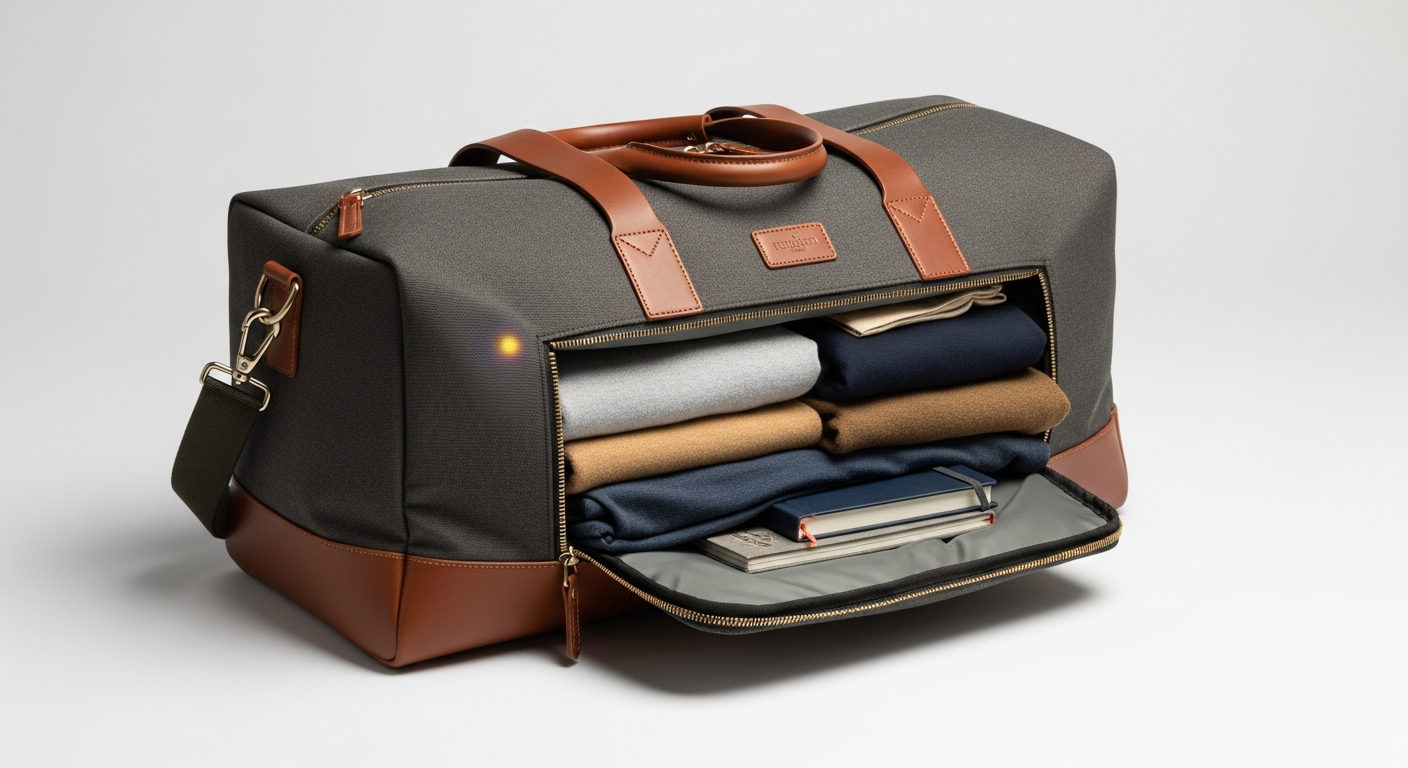
This adaptability makes them a favorite for travelers who prefer flexibility. You can use a duffel bag for a quick overnight stay or as a secondary bag for souvenirs. Many travelers appreciate how easily they can transition from urban environments to more rugged settings.
Space and Flexibility
One of the biggest advantages of a travel duffel bag is its open main compartment. This design allows for maximum packing flexibility, especially for bulky or oddly shaped items that might not fit well in a structured suitcase. You can pack everything from hiking boots to camera gear with ease.
The soft shell also means you can often compress items more effectively. This can be a game-changer when trying to fit just a little bit more into your bag. It makes packing less about fitting into rigid spaces and more about smart arrangement.
Style and Portability
Modern travel duffel bags come in a vast array of styles, colors, and materials, allowing you to express your personal taste. From rugged canvas to sleek leather, there is a duffel to match every traveler’s aesthetic. Beyond looks, their inherent portability is a major draw.
Many duffels feature comfortable shoulder straps, grab handles, and even backpack straps, offering multiple carrying options. This makes navigating busy airports, train stations, or uneven terrain much simpler. The ease of carrying often reduces stress during transit.
Decoding the Types of Travel Duffel Bags
The world of travel duffel bags is diverse, with various types designed to cater to specific needs. Understanding these categories can help you choose the perfect bag for your next trip.
Classic Carryalls
These are the traditional, often cylindrical duffel bags with a single large compartment and two carry handles. They are simple, lightweight, and perfect for short trips or as an extra bag. Their straightforward design emphasizes maximum internal space.
Classic carryalls are excellent for those who appreciate simplicity and durability. They are often made from robust materials like canvas or ballistic nylon. Many travelers use them for sports equipment or as a weekend bag.
Wheeled Wonders
For travelers who need to carry heavier loads but still prefer the flexibility of a duffel, wheeled duffel bags are an excellent option. These bags combine the spaciousness of a duffel with the convenience of rolling luggage. They typically feature sturdy wheels and a retractable handle.
Wheeled duffels are ideal for longer trips or when you expect to cover significant distances. They save your shoulders and back from strain. These bags often have a more structured bottom to support the wheels and frame.
Convertible Companions
Convertible duffel bags offer the ultimate in versatility, allowing you to switch between different carrying styles. Many can transform from a traditional duffel to a backpack with hideaway shoulder straps. This adaptability is perfect for varied travel scenarios.
They are particularly useful when you might need to carry your bag over rough terrain or climb stairs. The ability to quickly change how you carry your bag adds significant convenience. This type of duffel is a favorite among adventure travelers.
Packable Powerhouses
Packable duffel bags are designed to fold down into a compact pouch when not in use. They are incredibly lightweight and serve as an excellent emergency bag for extra souvenirs or unexpected shopping. Many travelers bring one along as a secondary bag.
These duffels are usually made from lightweight, tear-resistant nylon. While not designed for heavy, delicate items, they are perfect for clothes, shoes, and gifts. They are a smart addition to any traveler’s arsenal.
Essential Features to Look for in a Great Travel Duffel Bag
Choosing the right travel duffel bag involves more than just picking a color. Key features play a significant role in its durability, comfort, and overall functionality. Paying attention to these details will ensure your bag stands the test of time and travel.
Durable Materials Matter
The material of your duffel bag is crucial for its longevity and performance. Common materials include nylon, polyester, canvas, and leather. Nylon and polyester are popular for their water resistance and lightweight properties. Look for denier counts (e.g., 600D, 1000D); higher numbers mean thicker, more durable fabric.
Canvas offers a classic look and excellent durability, often developing a unique patina over time. Leather duffels are stylish and incredibly long-lasting but tend to be heavier and require more care. Consider where and how you plan to use your bag when evaluating materials.
Zippers, Straps, and Handles
These components are often the first to fail on a travel bag, so inspect them carefully. High-quality zippers, like those from YKK, are essential for security and smooth operation. Look for large, self-repairing zippers that are easy to grip.
Straps and handles should be robustly attached and comfortable. Padded shoulder straps are a must for comfort, especially if you expect to carry your bag for extended periods. Reinforced grab handles ensure you can lift and maneuver your bag without worry.
Smart Compartments and Organization
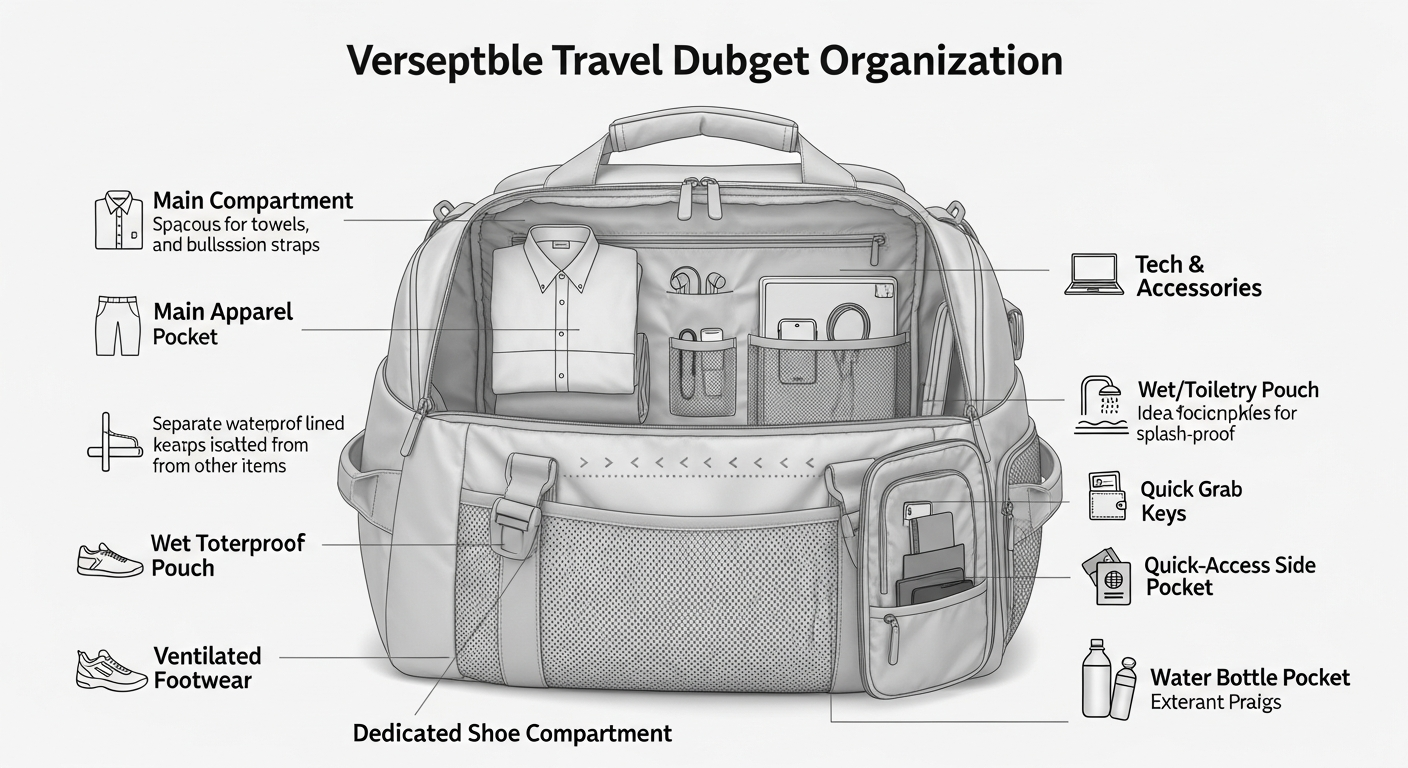
While duffel bags are known for their open main compartment, good travel duffels also offer smart organization features. External pockets provide quick access to essentials like passports, tickets, or a water bottle. Internal pockets can help separate dirty laundry or shoes.
Some duffels feature a dedicated shoe compartment, which is excellent for keeping footwear separate from clean clothes. Others might include a padded sleeve for a laptop or tablet. Think about what you typically carry and how you like to organize your belongings.
Selecting the Perfect Size and Capacity
The size of your travel duffel bag is perhaps the most critical decision, directly impacting your travel experience. It needs to match your trip duration and comply with airline restrictions.
Navigating Carry-On Regulations
If you plan to use your duffel as a carry-on, strict airline regulations apply. Most airlines have size limits, typically around 22 x 14 x 9 inches (56 x 36 x 23 cm), including handles and wheels. Because duffels are soft-sided, they often offer more flexibility to fit into sizing bins than rigid suitcases.
However, it is always best to check your specific airline’s requirements before flying. A carry-on duffel bag saves you time at baggage claim and reduces the risk of lost luggage. This makes them a popular choice for short trips.
Duffel Bags for Different Trip Durations
- Weekend Trips (20-40 liters): A smaller duffel is perfect for 1-3 nights. It can easily hold a few outfits, toiletries, and an extra pair of shoes. These are often compact enough to fit under an airplane seat or in a small overhead bin.
- Week-Long Trips (40-60 liters): For 4-7 nights, a medium-sized duffel provides enough space for more clothing and essentials. Many of these fall within carry-on limits but might need to be checked if packed too full.
- Extended Journeys (60+ liters): Larger duffels are suitable for longer trips or when you need to carry specialized gear. These will almost certainly need to be checked baggage. Wheeled versions are highly recommended for this size category.
Expert Tips for Packing Your Travel Duffel Bag
Packing a duffel bag efficiently can feel like an art form. Its flexible nature means you can fit a lot, but smart packing ensures everything stays organized and accessible. These techniques will help you maximize space and minimize wrinkles.
The Art of Rolling and Folding
Rolling your clothes tightly is a classic packing technique that saves space and helps prevent wrinkles. Start by folding items flat, then roll them tightly into compact cylinders. This method is particularly effective for t-shirts, jeans, and casual wear. For more structured items like jackets or dress shirts, a careful flat-fold method might be better.
Layering is another effective strategy. Place heavier, less wrinkle-prone items at the bottom. Then, add rolled clothes and finally, more delicate folded items on top. This creates a stable base and protects your garments.
Harnessing the Power of Packing Cubes
Packing cubes are a traveler’s best friend, especially when using a duffel bag. They act as mini-drawers within your bag, allowing you to categorize and compress your belongings. You can dedicate one cube to tops, another to bottoms, and a third to underwear and socks.
This not only keeps your duffel organized but also makes it incredibly easy to find what you need without rummaging. When you arrive at your destination, you can simply transfer the cubes directly into a drawer, making unpacking a breeze. They are a game-changer for maintaining order.
Distributing Weight Evenly
Because duffel bags are often carried on one shoulder or by hand, even weight distribution is key to comfort. Try to place heavier items, such as shoes or books, towards the bottom and center of the bag. This creates a balanced load that is easier to carry.
Avoid packing all heavy items on one side, which can cause the bag to sag unevenly and strain your shoulder. If your duffel has multiple compartments, utilize them to spread the weight around. A well-balanced duffel feels significantly lighter and more comfortable.
Caring for Your Travel Duffel Bag
Taking good care of your travel duffel bag will extend its life and ensure it remains a reliable companion for countless journeys. Simple cleaning and proper storage practices can make a big difference.
Cleaning and Maintenance
The cleaning method depends on the material of your duffel bag. For most nylon or polyester duffels, a gentle spot clean with mild soap and water is sufficient. Use a soft brush or cloth to scrub away dirt and stains. Avoid harsh chemicals that could damage the fabric or waterproofing.
For canvas bags, a similar spot cleaning approach works well. Leather duffels require specialized leather cleaners and conditioners to keep the material supple and prevent cracking. Always air dry your duffel bag completely before storing it to prevent mildew and odors.
Proper Storage for Longevity
When your travel duffel bag is not in use, proper storage is essential. Ensure it is completely clean and dry before putting it away. Store it in a cool, dry place away from direct sunlight, which can fade colors and degrade materials over time.
If your duffel is collapsible, fold it neatly to save space. For more rigid duffels or those with wheels, you might stuff them lightly with old clothes or towels to help them retain their shape. This prevents creasing and maintains the bag’s structure over time.
Here is a quick comparison between a typical travel duffel bag and a traditional suitcase:
| Feature | Travel Duffel Bag | Traditional Suitcase |
| **Flexibility** | Soft sides conform to tight spaces | Rigid structure maintains shape |
| **Portability** | Carried by hand/shoulder, some with wheels | Rolled on wheels, often with telescopic handle |
| **Packing** | Open main compartment, ideal for bulky items | Structured compartments, often with dividers |
| **Weight** | Generally lighter when empty | Can be heavier due to frame and wheels |
| **Storage** | Easily collapsible (some types) | Takes up consistent space |
| **Versatility** | Great for various trips, outdoor gear, short trips | Best for organized clothes, business travel |
Conclusion: Embrace the Duffel Lifestyle
The travel duffel bag is more than just a piece of luggage; it is a symbol of flexible, adaptable travel. Its versatility, combined with increasing comfort and organizational features, makes it an indispensable tool for any modern explorer. By choosing the right type, considering essential features, and mastering efficient packing techniques, you can unlock a smoother, more enjoyable travel experience. Embrace the freedom and functionality that a well-chosen travel duffel bag offers, and make every journey an effortless adventure.
“A well-chosen travel duffel bag is more than just luggage; it’s a statement of adaptable travel. It encourages thoughtful packing and keeps your essentials close at hand, making every journey smoother.”
Frequently Asked Questions About Travel Duffel Bags
1. What is the ideal size for a carry-on travel duffel bag?
The ideal size for a carry-on travel duffel bag typically falls within the range of 35-45 liters. This capacity allows for enough space for a few days’ worth of clothes and essentials while generally adhering to most airline carry-on restrictions. Always verify the specific size limits with your airline before you travel, as dimensions can vary slightly.
2. Are duffel bags comfortable to carry for long periods?
Modern travel duffel bags are designed with comfort in mind. Many feature padded, adjustable shoulder straps, sturdy grab handles, and some even include backpack straps for convertible carrying. For heavier loads or longer distances, wheeled duffel bags offer excellent comfort, allowing you to roll your luggage instead of carrying it.
3. Can I check a duffel bag on an airplane?
Yes, you can absolutely check a duffel bag on an airplane. Just like any other piece of checked luggage, it will need to meet the airline’s weight and size limits for checked baggage. For larger duffel bags, especially those over 45 liters, checking them is often the most practical option.
4. What materials are best for a durable travel duffel bag?
For durability, look for travel duffel bags made from high-denier nylon or polyester (e.g., 600D to 1000D), ballistic nylon, or heavy-duty canvas. These materials offer excellent resistance to tears, abrasions, and often provide some level of water resistance. Leather is also highly durable and stylish but generally heavier.
5. How do I properly clean and maintain my travel duffel bag?
Most travel duffel bags can be spot cleaned with a mild soap and water solution, using a soft cloth or brush. Avoid machine washing unless specifically instructed by the manufacturer. For leather duffels, use specialized leather cleaners and conditioners. Always ensure your bag is completely dry before storing it to prevent mildew and odors.