Unlock Your Next Adventure: The Ultimate Guide to Travel Guide Websites
Planning a trip used to mean flipping through heavy guidebooks or asking friends for tips. Today, the world of travel planning has changed completely. Thanks to the internet, we now have access to countless travel guide websites, making it easier than ever to plan the perfect adventure. These digital tools are packed with information, from finding cheap flights to discovering hidden gems.
Travel guide websites are your go-to source for everything you need. They offer detailed guides, expert advice, and real traveler reviews. Whether you dream of a relaxing beach vacation, an exciting city break, or a challenging mountain trek, there’s a website out there to help you. This guide will help you understand how to use these powerful tools to plan your next unforgettable journey, ensuring you make the most of every trip.
Key Takeaways
- Digital Guides Dominate: Online travel guide websites offer more up-to-date and comprehensive information than traditional guidebooks.
- Personalization is Power: The best websites allow you to customize itineraries and filter options to match your unique travel style and budget.
- User Reviews are Gold: Always check traveler reviews and forums for honest insights and practical tips about destinations and services.
- Beyond Bookings: Many sites offer cultural insights, local secrets, and safety advice, enriching your travel experience.
- Future is Bright: Expect more AI-powered recommendations and virtual reality tools to enhance trip planning in the years to come.
The Evolution of Travel Planning
Travel planning has come a long way. Not so long ago, a trip started with a visit to a bookstore. Travelers would buy thick guidebooks, filled with maps and basic information. These books were helpful, but they could quickly become outdated. Prices changed, new attractions opened, and old ones closed. Keeping up was a challenge.
From Guidebooks to Digital Dynamos
Today, travel guide websites have transformed how we plan. Instead of static pages, we now have dynamic platforms. These sites are constantly updated with the latest information. They offer real-time prices for flights and hotels, fresh reviews, and new travel ideas. This instant access to current data makes planning much more efficient and accurate.
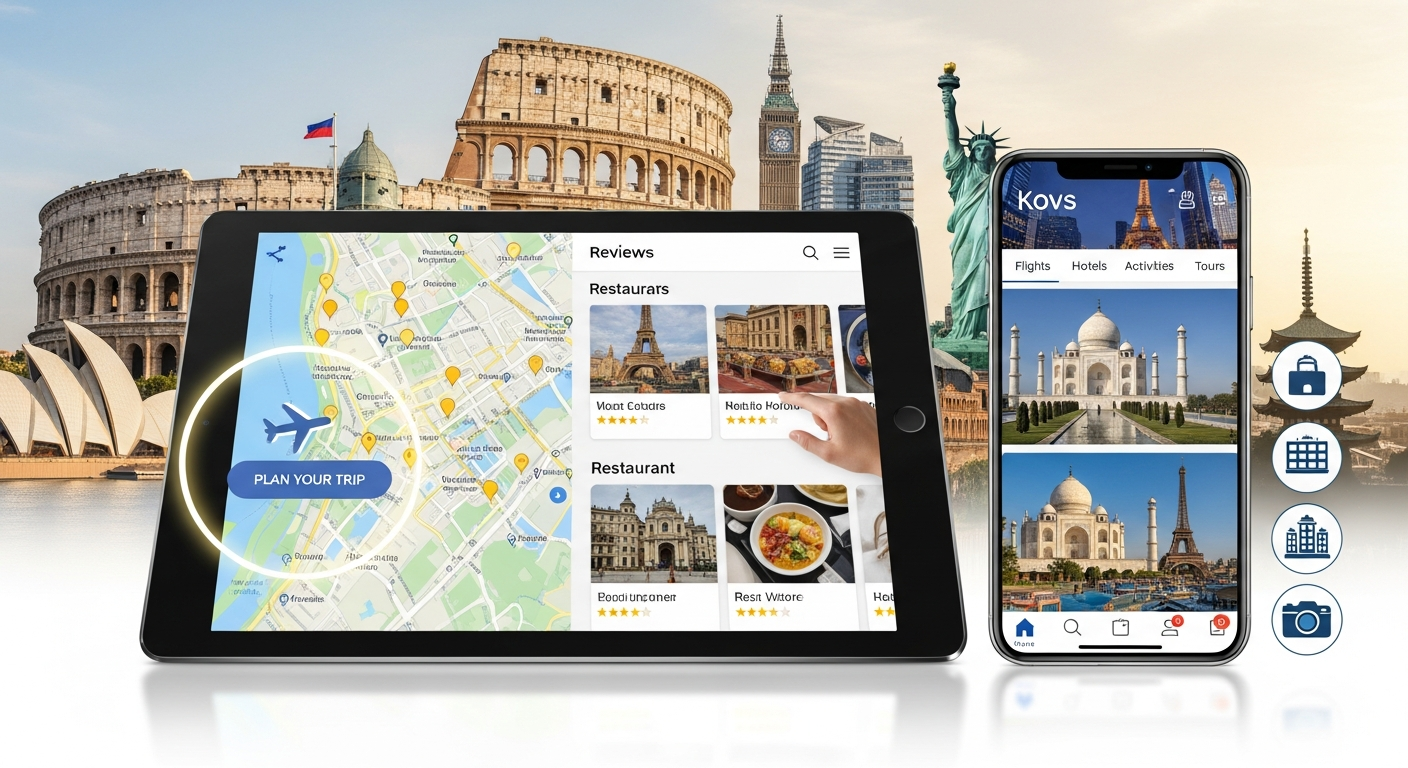
Think about the difference: a guidebook might tell you about a restaurant that closed last year. A travel guide website, however, will show you the newest, most popular spots. It will also show you what other travelers are saying right now. This shift from paper to pixels has put a world of information at our fingertips, ready when we need it.
Why Digital Guides Reign Supreme
Digital travel guides offer many advantages. They are convenient, accessible from anywhere with an internet connection, and often free. They provide a vast amount of information, from transport options to visa requirements, all in one place. Moreover, many websites allow for interactive planning. You can save places, build itineraries, and share them with travel companions. This level of interaction makes the planning process more engaging and less stressful.
What Makes a Great Travel Guide Website?
With so many travel guide websites available, how do you choose the best one? A great website stands out by offering reliable, comprehensive, and easy-to-use tools. It should simplify your planning, not make it more complicated. Look for sites that provide more than just basic information; they should inspire and inform.
Key Features to Look For
When evaluating travel guide websites, several features are essential:
- Up-to-Date Information: Ensures prices, opening hours, and travel advisories are current.
- Detailed Destination Guides: Offers insights into culture, history, local customs, and must-see attractions.
- User Reviews and Ratings: Provides real-world feedback from other travelers.
- Interactive Maps: Helps with navigation and discovering nearby points of interest.
- Itinerary Builders: Allows you to create and organize your daily plans.
- Booking Integration: Facilitates direct booking of flights, hotels, and tours.
- Offline Access: For guides or maps when internet isn’t available.
- Safety Information: Includes local emergency numbers and health advice.
User Experience and Navigation
An excellent travel guide website must be easy to use. A cluttered or confusing layout can quickly turn off a user. Look for clean designs, clear menus, and fast loading times. The search function should be powerful and accurate, helping you find exactly what you need without hassle. Good navigation means you can effortlessly move between different sections, from accommodation to activities, making your planning smooth and enjoyable.
Top Travel Guide Websites You Should Know
Many travel guide websites cater to different types of travelers. Some are perfect for finding budget deals, while others focus on luxury experiences or unique adventures. Knowing which site specializes in what can save you a lot of time and effort.
For Budget Travelers
If you’re looking to save money, certain websites are designed just for you. They often feature hostels, budget hotels, free activities, and tips for affordable dining. These sites help you stretch your travel budget further, proving that amazing trips don’t have to break the bank.
For Luxury Seekers
For those who prefer a more upscale experience, there are travel guide websites that highlight luxury resorts, fine dining, and exclusive tours. These platforms provide details on top-tier services and experiences, ensuring a lavish and comfortable journey.
For Adventure Enthusiasts
Adventure travelers need specific information, like details on hiking trails, extreme sports, and remote destinations. Websites focused on adventure travel offer safety tips, gear recommendations, and guides to thrilling activities around the world. These sites are essential for planning an adrenaline-filled trip.
For Niche and Local Experiences
Sometimes, you want to go beyond the usual tourist spots. Niche travel guide websites focus on unique interests, like culinary tours, historical walks, or eco-tourism. They connect you with local experts and provide insights into authentic experiences, helping you discover a destination’s true heart.
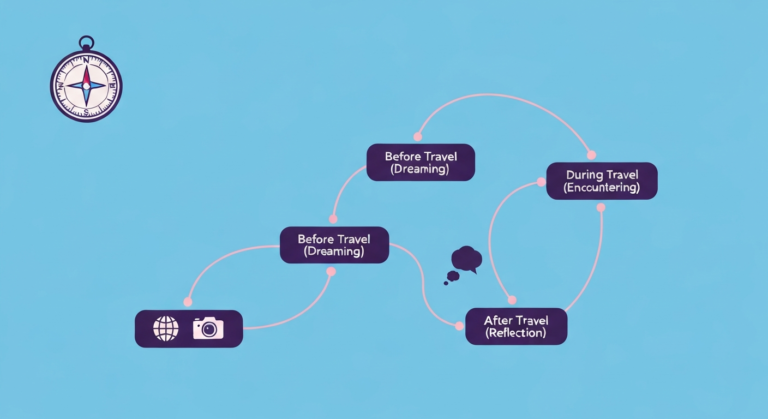
Some travel guide websites excel at combining various features, making them a one-stop-shop for most travelers. These platforms often boast a strong community aspect, with forums and user-generated content that add a rich layer of real-world experience to their guides. They might offer tools for comparing prices across different booking sites, or give detailed cultural background information that goes beyond simple facts. These comprehensive sites aim to cover every aspect of your journey, from the moment you start dreaming to the minute you return home, sharing stories and memories. They simplify complex travel logistics, allowing you to focus on the joy of discovery.
Navigating the Information Overload: Tips for Smart Planning
While travel guide websites offer a wealth of information, it’s easy to feel overwhelmed. The key is to use these resources smartly. Don’t just pick the first option you see. Take your time, compare different sources, and tailor the information to your specific needs.
Cross-Referencing Information
It’s always a good idea to check information from multiple sources. If one website recommends a certain hotel or activity, see what other reputable sites say. This helps confirm accuracy and gives you a broader perspective. Look for consistency in reviews and recommendations. If several independent sources agree, you can be more confident in your choices.
Customizing Your Itinerary
Most travel guide websites allow you to build and save itineraries. Use this feature to your advantage. Don’t just copy a suggested itinerary. Instead, mix and match activities that appeal to you. Consider your pace of travel, interests, and budget. A personalized itinerary ensures your trip reflects your desires, making it truly yours.
Leveraging User Reviews and Forums
User reviews are incredibly valuable. They offer honest opinions and practical tips that official descriptions might miss. Pay attention to both positive and negative feedback. Look for common themes in reviews. Travel forums are also great places to ask specific questions and get advice from experienced travelers. These real-world insights can help you avoid common pitfalls and discover local secrets.
Beyond the Basics: Advanced Features and Future Trends
Travel technology is always evolving, and travel guide websites are at the forefront of these changes. New features are constantly being developed to make planning even easier and more immersive. These innovations promise to transform how we discover and experience destinations.
AI-Powered Recommendations
Imagine a website that learns your travel preferences and suggests destinations, activities, and even dining options tailored just for you. This is the promise of AI-powered recommendations. By analyzing your past searches and preferences, AI can provide highly personalized suggestions, saving you time and introducing you to experiences you might not have found otherwise.
Virtual Reality Previews
Virtual reality (VR) is set to revolutionize destination research. Soon, you might be able to ‘walk through’ a hotel lobby, explore a historical site, or even experience a local market from your living room. VR previews offer an immersive way to get a feel for a place before you commit, helping you make more informed decisions about where to go and what to do.
Sustainable Travel Integration
As travelers become more aware of their environmental impact, travel guide websites are adapting. Expect to see more features that highlight eco-friendly accommodations, responsible tour operators, and ways to minimize your carbon footprint. These tools will help you make choices that benefit both your trip and the planet.
Many of these advanced features aim to make travel planning not just efficient, but also more responsible and enjoyable. They are designed to provide a deeper level of engagement with potential destinations, allowing travelers to virtually explore and prepare in ways never before possible. This includes not only visual and interactive elements but also data-driven insights into the best times to visit, crowd levels, and local events. The goal is to create a seamless, insightful, and personalized planning experience that anticipates a traveler’s needs and desires, making every journey more meaningful and memorable.
Comparing Popular Travel Guide Websites
To help you choose, here’s a brief comparison of what some popular travel guide websites offer:
| Feature | Website A (e.g., TripAdvisor) | Website B (e.g., Lonely Planet) | Website C (e.g., Culture Trip) |
| **Focus** | Reviews, Bookings | In-depth Guides, Itineraries | Local Culture, Unique Experiences |
| **Best For** | General planning, comparing | Detailed research, long trips | Offbeat travel, local insights |
| **User Reviews** | Extensive | Moderate | Moderate |
| **Booking Options** | Yes, integrated | Limited, external links | Limited, curated links |
| **Offline Access** | Some features | Yes, via apps | Some features |
| **Local Expert Content** | User-generated | Yes | Yes, strong focus |
| **Price Comparison** | Yes | No | No |
The Impact of User-Generated Content
User-generated content (UGC), like reviews, photos, and forum posts, has become a cornerstone of modern travel planning. It provides a raw, unfiltered look at destinations and services from the perspective of actual travelers. This authenticity is highly valued, as it often feels more trustworthy than official marketing materials.
Pros and Cons
Pros of UGC:
- Authenticity: Real experiences from real people.
- Up-to-Date: Reflects current conditions and trends.
- Diverse Perspectives: Offers a wide range of opinions and tips.
- Community Building: Fosters a sense of shared experience among travelers.
- Hidden Gems: Often reveals less-known attractions and local favorites.
Cons of UGC:
- Subjectivity: Opinions can vary widely and may not match your preferences.
- Potential for Bias: Some reviews might be influenced or fake.
- Outdated Information: While generally current, some posts might become irrelevant.
- Overwhelm: Too much information can be difficult to sift through.
“`blockquote
Navigating User-Generated Content Effectively
To make the most of UGC, develop a critical eye. Look for patterns in reviews rather than relying on a single opinion. Check the dates of reviews to ensure relevance. Cross-reference information with multiple sources. Pay attention to reviewers who provide specific details, photos, or a history of contributions, as these often indicate more reliable insights. Remember that while UGC is invaluable, it should complement, not entirely replace, your own research and judgment.
Tips for Choosing the Right Travel Guide Website

With so many options available, selecting the best travel guide website depends on your specific needs and travel style. Consider the following factors:
- Your Travel Style: Are you an adventurer seeking off-the-beaten-path experiences, a luxury traveler, or a budget-conscious backpacker? Some sites cater better to specific niches.
- Destination Type: For popular tourist destinations, sites with extensive user reviews might be best. For more obscure locations, expert-curated guides could be more reliable.
- Planning Stage: If you’re just brainstorming, a site with inspiring articles and imagery might be ideal. If you’re ready to book, integrated booking features are crucial.
- Features You Value: Do you need offline access, price comparison tools, or strong community forums? Prioritize sites that offer the functionalities most important to you.
- Content Quality: Evaluate the accuracy, depth, and currency of the information provided. Look for sites that regularly update their content.
By considering these points, you can narrow down your choices and find a travel guide website that truly enhances your trip planning.
Conclusion
Travel guide websites have transformed the way we plan and experience our journeys. From offering comprehensive destination information and practical tips to leveraging the power of user-generated content and integrating advanced AI and VR technologies, these platforms are indispensable tools for modern travelers. They empower us to discover new places, make informed decisions, and travel more confidently and responsibly. By understanding their features, comparing popular options, and critically evaluating the information they provide, travelers can harness the full potential of these digital guides to create truly unforgettable adventures. As technology continues to evolve, these websites will only become more sophisticated, offering even richer, more personalized, and immersive planning experiences.
FAQ
Q: Are travel guide websites reliable?
A: Most reputable travel guide websites strive for accuracy. However, it’s always best to cross-reference information, especially with user-generated content, and check dates to ensure the information is current.
Q: Can I book flights and hotels directly through travel guide websites?
A: Many popular travel guide websites, like TripAdvisor, integrate booking functionalities or provide links to booking partners. Others, like Lonely Planet, focus more on content and may have limited direct booking options.
Q: What’s the main difference between expert-written guides and user reviews?
A: Expert-written guides often provide well-researched, structured information and itineraries. User reviews offer real-world, often unfiltered, perspectives and practical tips from fellow travelers, which can highlight pros, cons, and local secrets that official guides might miss.
Q: How do I choose the best travel guide website for my trip?
A: Consider your travel style (e.g., budget, luxury, adventure), the type of destination, the planning stage you’re in, and what features you value most (e.g., reviews, offline access, booking). Comparing a few popular options based on these criteria will help you find the best fit.
Q: Are there free travel guide websites?
A: Yes, most major travel guide websites offer a significant amount of free content, including destination guides, articles, and user reviews. Some may offer premium features or offline access through paid subscriptions or apps.