Your Passport to Adventure: A Deep Dive into Travel Guide Jobs
Have you ever dreamed of a job that lets you explore new places, meet fascinating people, and share your passion for travel with others? If so, a career as a travel guide might be your perfect path. Travel guide jobs offer a unique blend of adventure, cultural immersion, and the rewarding experience of creating unforgettable memories for travelers. It’s more than just a job; it’s a lifestyle for many who thrive on discovery and connection. This comprehensive guide will explore everything you need to know about becoming a successful travel guide, from the skills required to finding your first exciting opportunity. We’ll uncover the daily realities, the challenges, and the immense satisfaction that comes with leading others on their journeys.
Ready to turn your love for travel into a fulfilling profession? Let’s dive into the world of travel guide careers and see if this adventurous path is right for you. We’ll cover what it takes, what you can expect, and how to get started on this exciting journey.
Key Takeaways: Your Expert Guide to Travel Guide Jobs
- Diverse Roles: Travel guide jobs vary widely, from local city guides to international tour leaders, offering roles for different interests and expertise levels.
- Essential Skills: Success in this field demands strong communication, deep knowledge of destinations, excellent problem-solving abilities, and a high level of adaptability.
- Path to Entry: While formal degrees aren’t always required, specialized certifications, language skills, and practical experience are highly valued.
- Earning Potential: Income can vary based on experience, location, and type of tour, with opportunities for growth and specialization leading to higher pay.
- Rewarding Lifestyle: Beyond the financial aspects, the job offers immense personal satisfaction through cultural exchange, continuous learning, and sharing joy with travelers.
What Exactly is a Travel Guide Job?
A travel guide, often called a tour guide or tour leader, is a professional who leads individuals or groups on trips, tours, and excursions. Their main goal is to enhance the travel experience by providing insights, information, and assistance. They act as both an educator and an organizer, ensuring that travelers have a smooth, enjoyable, and enriching journey. This role is crucial for many travelers who seek deeper understanding or simply want the logistics handled by an expert.
Travel guides are the face of a travel experience. They bring destinations to life, connect people with cultures, and help overcome any unexpected challenges. It’s a role that requires a blend of passion, knowledge, and practical skills to manage groups and deliver memorable experiences every single day.
Roles and Responsibilities of a Travel Guide

The daily duties of a travel guide are diverse and dynamic. They require a multifaceted skill set and a readiness to handle various situations. Here are some core responsibilities:
- Providing Information: Guides offer detailed historical, cultural, and geographical information about sites and regions. They share fascinating stories and facts that enrich the visitor’s understanding.
- Logistics Management: This involves coordinating transportation, accommodation, meal arrangements, and activity schedules. They ensure everything runs on time and according to plan.
- Customer Service: Guides are the primary point of contact for travelers. They answer questions, address concerns, and ensure the comfort and safety of everyone in the group.
- Problem Solving: Unexpected issues can arise during travel, from lost luggage to medical emergencies. Guides must be quick thinkers and resourceful problem-solvers.
- Safety and Security: Ensuring the well-being of the group is paramount. Guides are responsible for outlining safety procedures and responding to emergencies.
- Cultural Interpretation: They help bridge cultural gaps, explaining local customs, etiquette, and traditions to enhance interaction and respect.
Different Types of Travel Guides
The world of travel guiding is vast, offering many different specialties. Your choice of niche can greatly influence your daily work and the type of travelers you interact with. Understanding these differences can help you decide which path aligns best with your interests.
Local Guides vs. Tour Leaders
It’s important to understand the distinction between different guiding roles. While both involve leading travelers, their scope often differs:
- Local Guides (Site-Specific Guides): These guides specialize in a particular city, monument, museum, or region. They possess deep, often licensed, knowledge of their specific area. Their tours are typically shorter, lasting a few hours or a full day, and they focus intensely on one location. Think of a guide at the Colosseum in Rome or a walking tour guide in New Orleans.
- Tour Leaders (Tour Managers/Escorts): These professionals manage entire multi-day or multi-week tours that cover several cities, regions, or even countries. They handle all logistics, ensure the itinerary runs smoothly, and act as the main point of contact for the group. While they may offer some commentary, their primary role is coordination and overall group welfare, often working with local guides at specific sites.
Niche Specializations in Guiding
Many guides choose to specialize, focusing on particular types of travel or activities. This allows them to become true experts in their chosen field.
- Adventure Guides: Leading treks, safaris, climbing expeditions, or kayaking tours. These roles often require specific outdoor certifications and first aid training.
- Cultural and Historical Guides: Focusing on art history, ancient civilizations, religious sites, or local traditions. This usually demands extensive academic knowledge.
- Food and Wine Guides: Leading culinary tours, market visits, cooking classes, and vineyard explorations. A passion for gastronomy and local cuisine is key.
- Wildlife and Nature Guides: Guiding safaris, birdwatching tours, or ecological expeditions. Often requires a background in biology, conservation, or environmental science.
- Educational Tour Guides: Working with student groups, leading trips focused on learning outcomes for schools or universities.
- Special Interest Guides: This can include photography tours, spiritual retreats, wellness journeys, or even ghost tours.
Essential Skills and Qualities for Success
Becoming a great travel guide requires more than just knowing facts. It demands a unique set of personal qualities and practical skills. These attributes help guides connect with their groups, manage challenges, and deliver exceptional experiences consistently. Developing these skills is crucial for anyone aspiring to excel in travel guide jobs.
Communication and People Skills
Effective communication is the cornerstone of successful guiding. You must be able to speak clearly, engage your audience, and adapt your style to different personalities. Listening skills are equally important, as you’ll need to understand travelers’ needs and concerns.
- Clear Speaking: Projecting your voice and articulating information in an easy-to-understand manner.
- Engaging Storytelling: Turning facts into captivating narratives that hold your audience’s attention.
- Active Listening: Paying attention to questions and feedback from your group.
- Interpersonal Skills: Building rapport, managing group dynamics, and handling diverse personalities with grace.
Knowledge and Preparation
A deep understanding of your destination is non-negotiable. Travelers rely on you for accurate and interesting information. Preparation ensures you can deliver a smooth and informative tour.
- Extensive Knowledge: Knowing the history, culture, geography, and current events of your tour area inside out.
- Research Skills: Continuously updating your knowledge and finding new, interesting facts.
- Itinerary Planning: Understanding how to structure a tour efficiently and engagingly.
- Language Proficiency: Being fluent in the local language and/or common tourist languages is a huge advantage, often a requirement.
Problem-Solving and Adaptability
Travel rarely goes exactly as planned. Guides must be ready to think on their feet and adjust to unforeseen circumstances with a calm and positive attitude. This is where experience truly shines.
- Quick Thinking: Rapidly assessing situations and making effective decisions under pressure.
- Flexibility: Being able to change plans due to weather, traffic, or group preferences without losing stride.
- Crisis Management: Handling emergencies, from minor mishaps to more serious situations, with professionalism.
- Patience and Empathy: Understanding that travelers may be tired, stressed, or have different expectations, and responding with understanding.
How to Start Your Journey as a Travel Guide
The path to becoming a travel guide is often a blend of formal learning and practical experience. While there isn’t one single route, certain steps can significantly boost your chances of success in travel guide jobs. Building a strong foundation will set you apart in a competitive field.
Education and Certification
While a specific university degree isn’t always mandatory, relevant education can be very beneficial. Degrees in history, tourism, hospitality, geography, or foreign languages can provide a solid academic background. Many countries and cities also require specific licenses or certifications for guides, especially for historical sites or national parks.
Consider programs offered by tourism colleges or professional guiding associations. These often cover tour management, first aid, cultural awareness, and local history. Obtaining a relevant certification not only proves your competence but also builds trust with potential employers and clients.
Gaining Experience
Experience is invaluable. Start by volunteering for local events, working in hospitality, or offering informal tours to friends and family. Any role that involves public speaking, customer service, or group management will contribute to your skill set.
Look for entry-level positions with tour operators, even if they’re not leading tours immediately. Roles like tour assistant or operations support can provide crucial behind-the-scenes knowledge. Building a portfolio of positive testimonials and references is also key.
“The best travel guides are not just walking encyclopedias; they are master storytellers, empathetic leaders, and incredible problem-solvers. Their true value lies in their ability to connect with people and make every moment count.” – *A seasoned tour operator*
Earning Potential and Career Growth
One common question about travel guide jobs is, “How much can I earn?” The answer varies widely, depending on several factors. However, with dedication and experience, a travel guide career can be financially rewarding, offering opportunities for significant growth and specialization.
What Can You Expect to Earn?
Travel guide salaries are influenced by location, type of tour, experience level, and whether you work independently or for a company. Entry-level guides might start with a modest hourly wage or a per-tour fee. Experienced guides, especially those specializing in high-end or niche tours, can command significantly higher rates. Tips from satisfied travelers often form a substantial part of a guide’s income, so excellent service directly impacts earnings.
For instance, a local city guide might earn between $15-30 per hour, while an international tour leader on a multi-week trip could earn several hundred dollars per day, plus expenses. Freelance guides have the potential to set their own rates, which can be higher, but they also bear the costs of marketing and business operations.
Advancing Your Career
Career progression in travel guiding can take several exciting forms. With more experience, you might specialize in premium tours, become a trainer for new guides, or move into tour operations management. Some guides leverage their expertise to write guidebooks, consult for travel companies, or even start their own tour businesses.
Continuous learning, acquiring new language skills, and gaining certifications in specialized areas (like wilderness first aid or specific historical periods) will open doors to higher-paying and more prestigious travel guide jobs. Networking within the tourism industry is also vital for finding new opportunities and collaborations.
The Realities: Pros and Cons of Travel Guide Jobs
Like any career, working as a travel guide comes with its unique set of advantages and disadvantages. Understanding these realities upfront can help you decide if this is truly the right path for your lifestyle and career aspirations. It’s important to weigh the exciting aspects against the demands of the role.
| Aspect | Pros “`json |
{
“`json
{
“jobDescription”: “Travel guide jobs offer a unique blend of adventure, cultural immersion, and the satisfaction of sharing your passion with others. To excel in this role, several key skills and qualifications are essential. Beyond an in-depth knowledge of the destination, guides must possess exceptional communication skills to engage diverse groups, manage expectations, and tell compelling stories. Problem-solving abilities are crucial for navigating unexpected challenges, from logistical hiccups to unforeseen emergencies. A strong sense of responsibility, patience, and a friendly demeanor are equally important, as you’ll be the primary point of contact and support for travelers throughout their journey. Often, multilingualism is a significant advantage, opening doors to a wider range of clients and destinations. First aid certification, while not always mandatory, is highly recommended and can be a life-saving asset.”
}
“`
Types of Travel Guide Jobs
The world of travel guiding is diverse, with roles tailored to various interests and destinations. You could be a:
- Local City Guide: Specializing in the history, culture, and hidden gems of a specific city or region.
- Adventure Guide: Leading groups on treks, safaris, kayaking expeditions, or other outdoor activities, often requiring specific certifications in safety and outdoor leadership.
- Cultural Tour Guide: Focusing on historical sites, museums, art galleries, and local traditions, providing deeper insights into a destination’s heritage.
- Cruise Ship Tour Guide: Guiding passengers on shore excursions at various ports of call.
- Specialized Interest Guide: Catering to niche markets such as food tours, photography tours, wildlife viewing, or historical reenactments.
Each type requires a distinct skill set and level of expertise, offering a wide array of career paths for aspiring guides.
How to Get Started in Travel Guiding
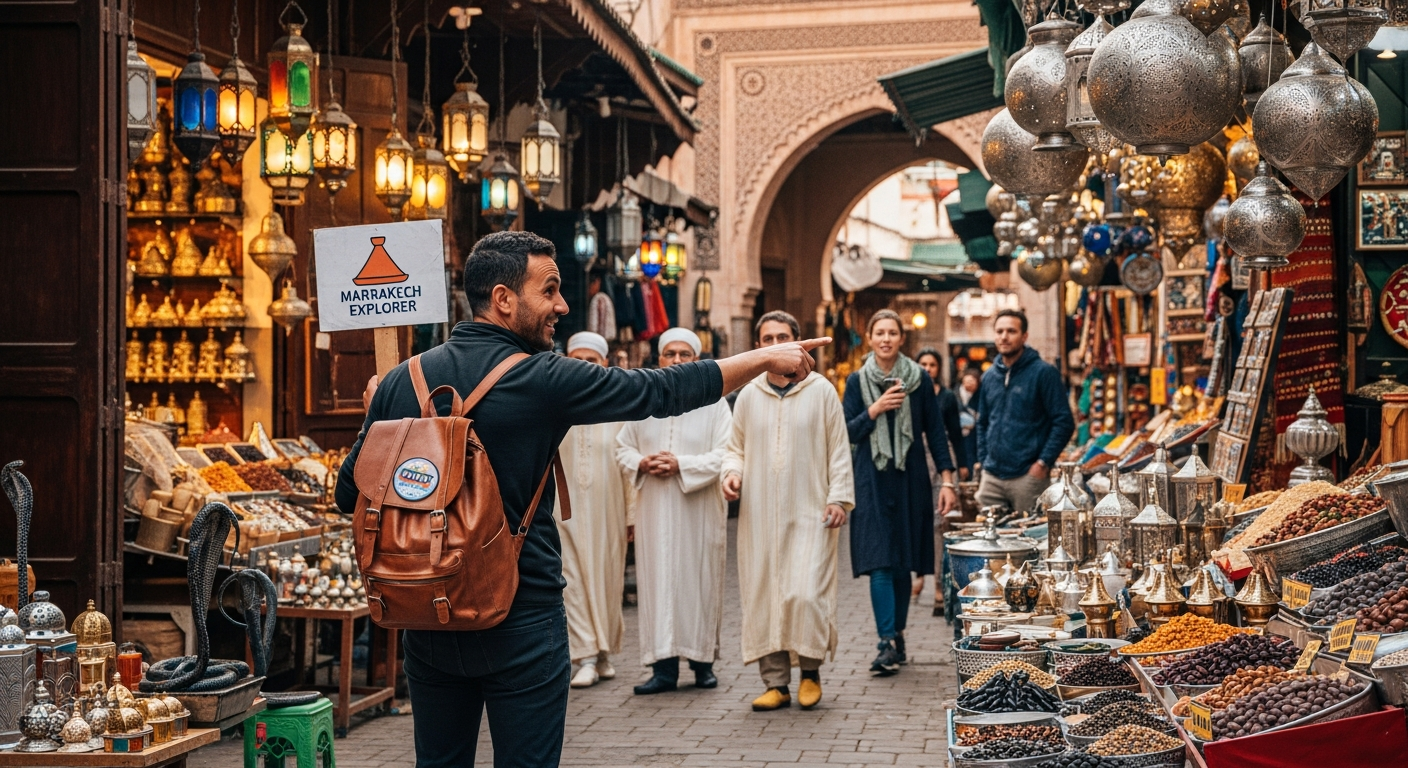
Breaking into the travel guide profession requires a combination of passion, preparation, and perseverance:
- Gain Local Expertise: Start by thoroughly researching and exploring your chosen destination. Become an expert on its history, culture, attractions, and practicalities.
- Develop Communication Skills: Practice public speaking, storytelling, and group management. Consider joining a local Toastmasters club or taking communication courses.
- Get Certified: Many regions and tour operators prefer or require specific certifications, such as first aid, CPR, or specialized guiding licenses (e.g., wilderness first responder for adventure guides). Look into local tourism board accreditations.
- Volunteer or Intern: Offer your services to local tourism offices, historical societies, or small tour companies to gain practical experience and build your resume.
- Network: Attend tourism industry events, connect with experienced guides, and join professional associations. Networking can open doors to job opportunities.
- Build a Portfolio: Start your own small tours for friends and family, gather testimonials, and perhaps even create a simple website or social media presence showcasing your guiding style.
Salary Expectations for Travel Guides
The income for travel guides can vary significantly based on several factors, including location, experience, type of tour, language skills, and whether you work independently or for a company. Entry-level guides might start with an hourly wage or a modest per-tour fee, often supplemented by tips. Experienced guides, especially those leading specialized or international tours, can command higher rates. Full-time guides working for established companies might receive a stable salary with benefits, while freelance guides have the flexibility to set their own rates but bear the responsibility of finding clients. Tips often form a substantial part of a guide’s income, so excellent customer service is key.
Conclusion
Travel guide jobs offer an incredibly rewarding career for those with a passion for exploration, culture, and sharing their knowledge with others. While the path requires dedication, continuous learning, and excellent interpersonal skills, the opportunity to connect with people from around the world and create unforgettable experiences makes it a truly unique profession. Whether you dream of leading treks through ancient ruins or showcasing the vibrant life of a bustling city, the world of travel guiding is rich with possibilities for adventurous and enthusiastic individuals.
FAQ: Travel Guide Jobs
Q1: Do I need a degree to become a travel guide?
A1: Not necessarily. While degrees in tourism, history, or related fields can be beneficial, practical experience, extensive knowledge of a destination, and strong communication skills are often more important. Some specialized roles might prefer relevant degrees or certifications.
Q2: What are the most important qualities of a good travel guide?
A2: Essential qualities include excellent communication and storytelling abilities, in-depth local knowledge, strong organizational skills, patience, adaptability, a friendly demeanor, and a genuine passion for sharing experiences with others.
Q3: How much can a travel guide earn?
A3: Earnings vary widely. Entry-level guides might earn minimum wage plus tips, while experienced and specialized guides can earn significantly more, often ranging from $25,000 to $60,000+ annually, especially when factoring in tips and commissions. Freelance guides set their own rates.
Q4: Is it possible to be a travel guide without speaking multiple languages?
A4: Yes, it is possible, especially if you focus on guiding within your home country or for tour groups that specifically require guides speaking only your native language. However, being multilingual significantly expands your job opportunities and client base, particularly in international tourism.
Q5: How do I find travel guide job openings?
A5: Look for openings on major job boards, specialized tourism job sites, directly on the websites of tour operators and travel agencies, and through local tourism boards. Networking with other guides and industry professionals can also lead to opportunities.