Unlock the Skies: Your Ultimate Guide to 707 Travel
Imagine a time when air travel was truly glamorous. When every flight felt like an adventure, and the aircraft itself was a marvel of engineering and design. This golden age of aviation was largely ushered in by one iconic plane: the Boeing 707. Often referred to simply as the ‘707,’ this magnificent jet didn’t just carry passengers; it carried dreams, reshaped global connectivity, and set the stage for all modern airliners that followed.
Today, the idea of “707 travel” might sound like a trip back in time, and in many ways, it is. But it’s also a journey into the heart of aviation history. Understanding the 707 means appreciating the rapid advancements that transformed our world. From its first commercial flight to its enduring presence in specialized roles, the 707 continues to fascinate. Join us as we explore why this legendary aircraft remains a cornerstone of aviation history and what its legacy means for travel today.
This article will dive deep into the world of the Boeing 707. We’ll uncover its rich past, its significant impact, and how its spirit lives on. Whether you’re an aviation enthusiast or simply curious about the machines that shaped our world, prepare to be captivated by the story of the 707.
Key Takeaways: Expert Insights into 707 Travel
- The Boeing 707 revolutionized commercial air travel, making jet flight accessible to the masses and shrinking the world.
- Its advanced design and performance set new standards for speed, comfort, and reliability, influencing generations of aircraft.
- While no longer in widespread passenger service, 707s continue to operate in specialized roles, including cargo, military, and private charters.
- Experiencing the legacy of 707 travel offers a unique historical perspective on aviation’s golden era and its technological evolution.
- The 707’s profound impact on global connectivity and the airline industry is an undeniable part of aviation history.
The Dawn of the Jet Age: What is 707 Travel?
Before the Boeing 707, long-distance air travel was often slow and propeller-driven. The arrival of the 707 changed everything. It introduced the world to the speed and smoothness of jet flight on a grand scale, making international travel faster and more comfortable than ever before. “707 travel” refers to the experience of flying on this groundbreaking aircraft, a symbol of progress and luxury.
A Brief History of the Boeing 707
The Boeing 707 first took to the skies as a prototype in 1954. Its design was a bold step forward, featuring swept wings and powerful jet engines. Pan American World Airways (Pan Am) launched the first commercial 707 service on October 26, 1958, connecting New York to Paris. This flight marked a turning point, kicking off the true
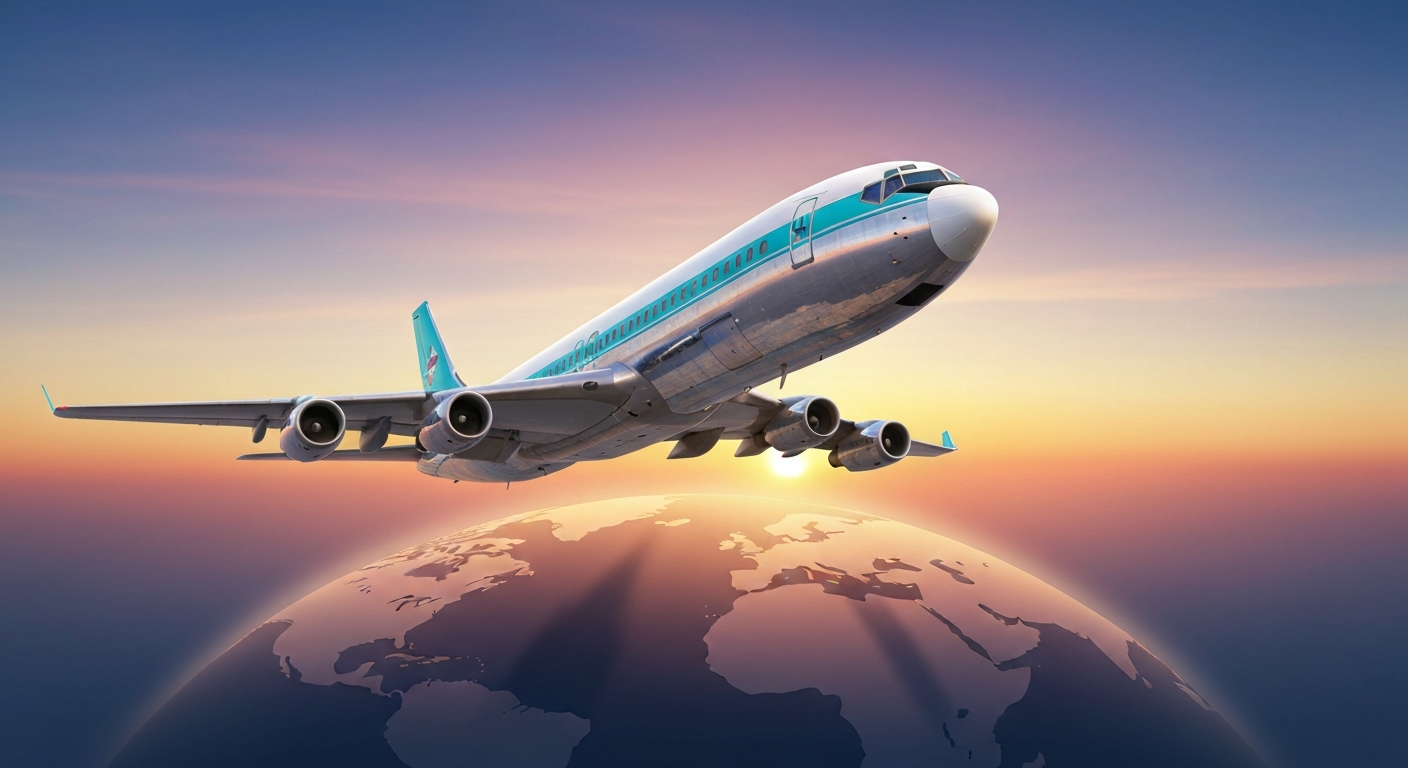
jet age and forever altering the landscape of global transportation. Its sleek design, powerful engines, and impressive range quickly made it the aircraft of choice for major airlines worldwide, including TWA, British Airways, and Lufthansa. Over 1,000 commercial 707s were built, serving routes across every continent and bringing distant lands closer than ever before. It wasn’t just a plane; it was a catalyst for globalization. Its success paved the way for larger, more efficient jetliners, but the 707 always remained the trailblazer. While passenger service largely phased out by the 1980s, many 707 airframes found new life as cargo planes, military transports (like the E-3 Sentry AWACS), and even private luxury jets, a testament to its robust design and enduring capabilities. Its legacy is etched into the very fabric of modern air travel.
The Experience of 707 Travel: A Glimpse into the Past
Flying on a Boeing 707 during its heyday was an experience unlike any other. Passengers often dressed in their finest attire, reflecting the special occasion that air travel represented. Cabins were generally more spacious than today’s economy class, with wider seats and more legroom. The roar of the four Pratt & Whitney JT3D engines during takeoff was distinct, a powerful symphony heralding the journey ahead. In-flight service was often elaborate, featuring gourmet meals served on china and attentive cabin crew. It was a time when the journey itself was as much a part of the adventure as the destination.
Today, the opportunity to experience “707 travel” in its original passenger form is rare, almost exclusively limited to museums or specialized private flights. However, its spirit lives on in the design principles and operational standards it established, which continue to influence every commercial flight you take.
The 707’s Enduring Legacy and Impact
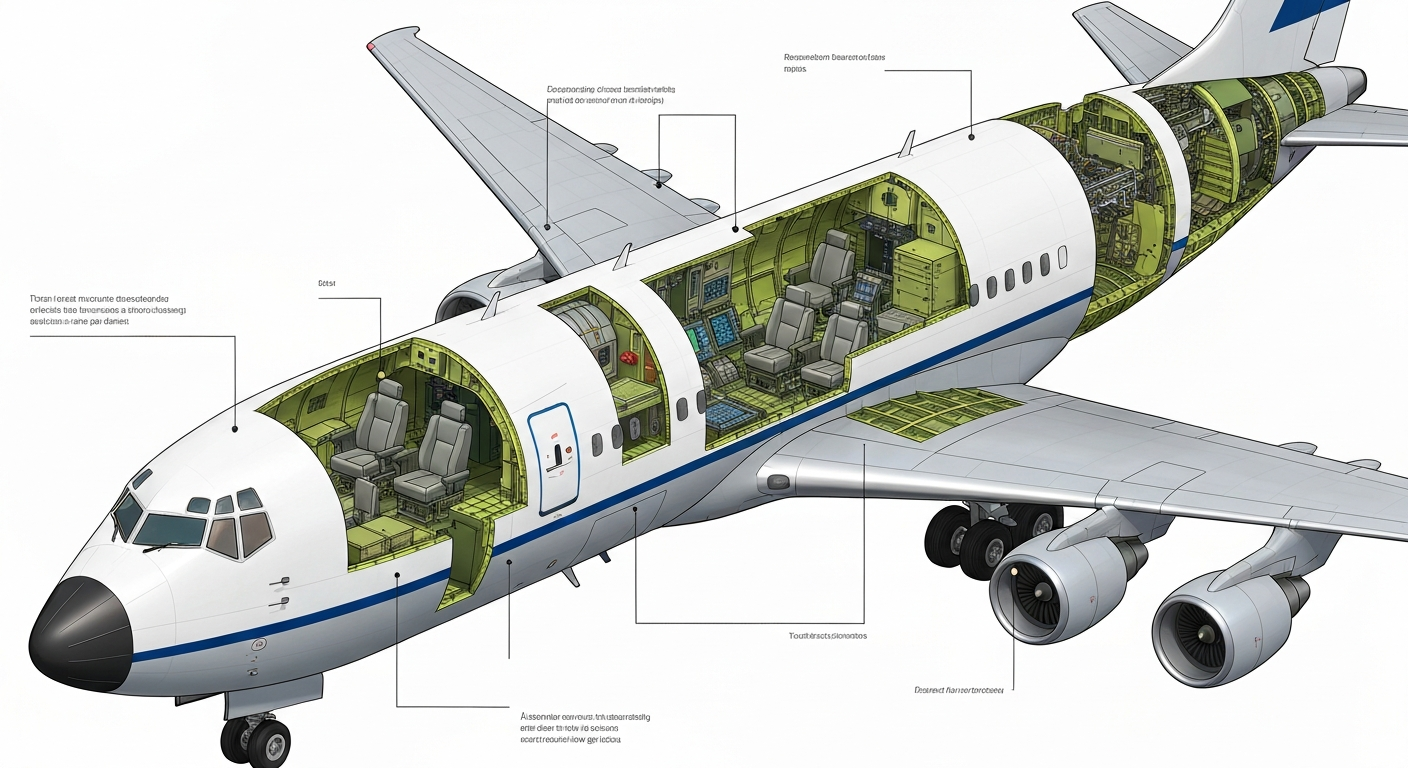
The Boeing 707’s influence extends far beyond its operational years. It:
- Democratized Air Travel: While initially a luxury, its efficiency and capacity helped drive down costs over time, making international travel more accessible.
- Inspired Future Designs: Its swept-wing configuration, podded engines, and overall aerodynamic efficiency became the blueprint for subsequent generations of jetliners, including Boeing’s own 747, 727, and 737.
- Connected the World: By enabling faster, direct flights across oceans and continents, it dramatically reduced travel times and fostered unprecedented global connectivity for business, tourism, and cultural exchange.
- Advanced Aviation Technology: The development of the 707 pushed boundaries in aerodynamics, engine design, and navigation systems, contributing to a wealth of aviation knowledge.
Its iconic status is cemented in popular culture, appearing in countless films, television shows, and photographs, symbolizing a golden era of progress and adventure.
Conclusion: The Unforgettable 707
The Boeing 707 stands as a monumental achievement in aviation history. It didn’t just introduce the jet age; it defined it. From its inaugural commercial flight to its current roles in specialized services, the 707 continuously pushed the boundaries of what was possible in air travel. Its legacy is evident in every modern airliner, every global connection, and every dream of distant lands brought closer. “707 travel” may now be a journey into the past, but the aircraft’s profound impact ensures it remains a vital chapter in the story of human ingenuity and our endless quest to unlock the skies.
FAQ: Your Questions About 707 Travel Answered
Q: Are there any Boeing 707s still flying passengers?
A: While a few highly specialized or private 707s might occasionally carry passengers, they are no longer in widespread commercial passenger service. Most active 707s today are used for cargo, military, or governmental purposes.
Q: Where can I see a Boeing 707 today?
A: Many aviation museums around the world feature preserved Boeing 707s. Notable examples include the National Air and Space Museum in Washington D.C., the Museum of Flight in Seattle, and the Qantas Founders Museum in Longreach, Australia.
Q: What made the 707 so revolutionary?
A: The 707 was revolutionary for its speed, range, and comfort, powered by four efficient jet engines. It introduced swept wings for better aerodynamics at high speeds, and its sheer size and capacity allowed airlines to offer faster, more direct international flights, making the world a smaller place.
Q: Did the 707 have any famous variants?
A: Absolutely. Beyond its commercial passenger versions, the 707 airframe was adapted into several significant military variants, including the KC-135 Stratotanker (an aerial refueling tanker), the E-3 Sentry AWACS (Airborne Warning and Control System), and the E-6 Mercury (communications relay aircraft).
Q: How did the 707 compare to its contemporaries?
A: The 707 faced competition from aircraft like the Douglas DC-8 and the British de Havilland Comet. While the Comet was the first commercial jetliner, the 707’s larger size, superior range, and robust design allowed it to dominate the market and truly usher in the widespread jet age.