Unlocking Your Ultimate JOURNEY: Decoding ‘Travel 7 Letters’
The phrase “travel 7 letters” often pops up in puzzles, a clever hint leading to a single, powerful word: JOURNEY. But beyond a simple answer in a game, this seven-letter word holds a profound meaning for anyone with a spirit of adventure. It’s more than just moving from one place to another; a journey is an experience, a transformation, a story waiting to be written.
Today, March 27, 2026, we live in a world brimming with possibilities for exploration. Whether it’s a short road trip or an epic international expedition, every journey offers a unique chance to grow, learn, and create lasting memories. This article will dive deep into what it truly means to embark on a journey, how to plan one, and why these experiences are so vital for our personal enrichment. Get ready to redefine your understanding of travel and discover the incredible power held within those seven letters.
Key Takeaways
- Journey vs. Travel: Understand that “journey” emphasizes the experience, growth, and transformation, not just the act of moving.
- Personal Growth: Recognize travel as a powerful tool for self-discovery, resilience, and gaining new perspectives.
- Strategic Planning: Learn the essential steps for successful journey planning, including budgeting, packing, and choosing the right style.
- Diverse Experiences: Explore the many types of journeys, from adventurous and cultural to relaxing and spiritual, to find your perfect fit.
- Lasting Impact: Discover how to make your journey’s lessons and memories last long after you return home, enriching your everyday life.
What Does ‘Travel 7 Letters’ Really Mean? The JOURNEY Unveiled
When you hear “travel 7 letters,” your mind might immediately jump to crossword puzzles or word games. The solution, of course, is “JOURNEY.” This simple word, however, carries a weight and depth far beyond a mere definition. It invites us to look past the logistics of a trip and consider the deeper impact of exploration.
Beyond the Puzzle: A Deeper Dive into ‘Journey’
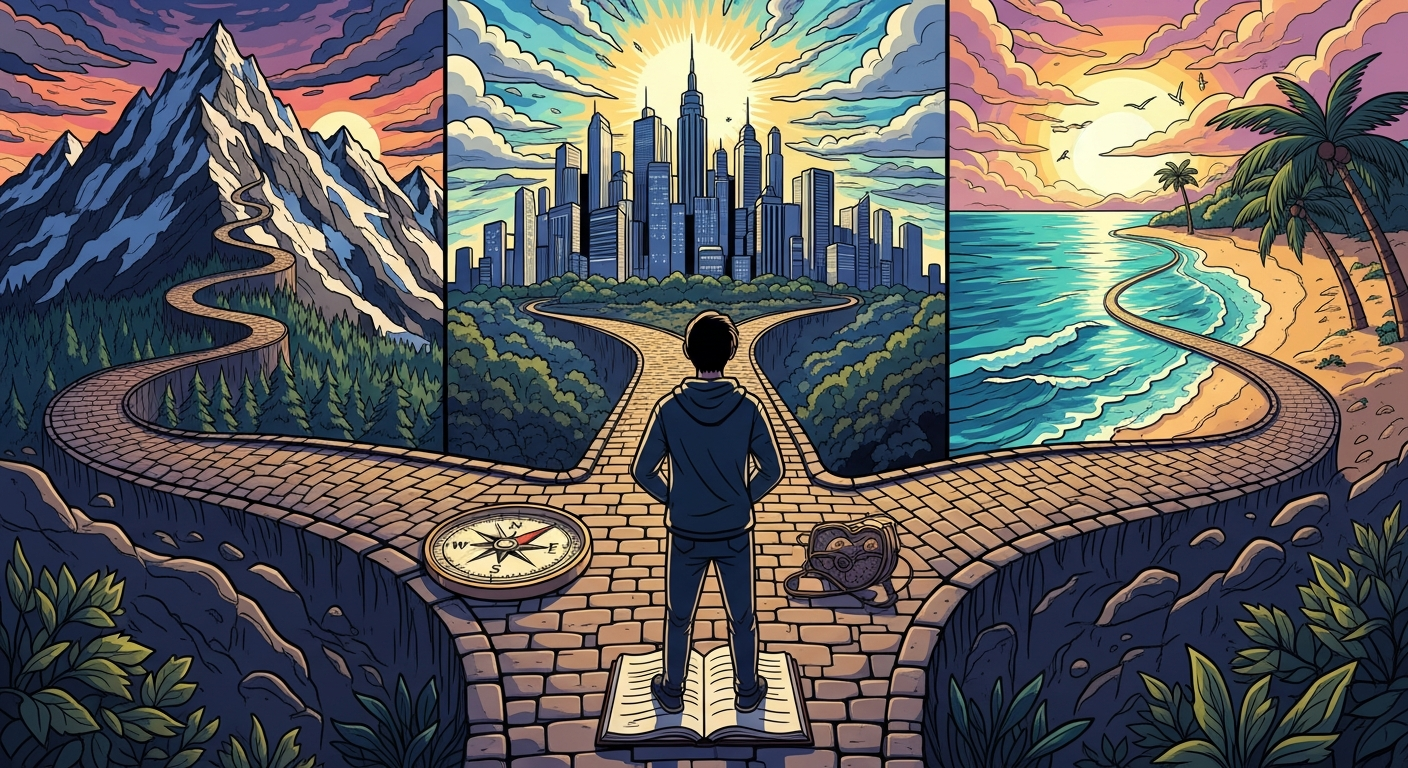
Think about the difference between a “trip” and a “journey.” A trip is often about the destination, the arrival. A journey, on the other hand, is about the entire process. It’s about the path taken, the challenges faced, the people met, and the internal changes that occur along the way. It’s the story that unfolds from the moment you decide to go until long after you return. This holistic view is crucial for truly understanding the power of “travel 7 letters.”
The Semantic Power of ‘Journey’
The word “journey” implies movement with a purpose, often involving a significant distance or a considerable passage of time. It suggests an evolution, a narrative arc. Unlike a quick vacation, a journey can be physically demanding, emotionally challenging, or spiritually uplifting. It’s an investment in oneself, offering returns in the form of wisdom, memories, and a broader understanding of the world. Embracing this perspective allows us to approach every travel experience with greater intention and openness.
The Transformative Power of Every JOURNEY
Embarking on a journey is one of the most effective ways to break free from routine and experience profound personal transformation. It pushes us out of our comfort zones, forcing us to adapt and learn. These experiences are not just enjoyable; they are foundational to personal growth.
Personal Growth and New Perspectives
Stepping into an unfamiliar environment challenges our preconceived notions and expands our worldview. We learn to navigate new cultures, solve unexpected problems, and rely on our own resourcefulness. This process builds resilience, self-confidence, and a deeper understanding of who we are. Many travelers report feeling more adaptable and open-minded after even a short journey.
“Travel is fatal to prejudice, bigotry, and narrow-mindedness, and many of our people need it sorely on these accounts. Broad, wholesome, charitable views of men and things cannot be acquired by vegetating in one little corner of the earth all one’s lifetime.” – Mark Twain
This timeless quote reminds us that journeys are essential for fostering empathy and breaking down barriers.
Building Unforgettable Memories
While material possessions fade, the memories created during a journey last a lifetime. These are the stories we tell, the moments we replay, and the experiences that shape our identity. From breathtaking landscapes to chance encounters, each memory adds a rich layer to our personal history. These memories become valuable treasures, providing joy and inspiration long after the journey concludes.
Connecting with Cultures and People
One of the most enriching aspects of any journey is the opportunity to connect with people from different backgrounds. Engaging with local communities, sharing meals, and learning about diverse traditions can foster a sense of global citizenship. These interactions often lead to unexpected friendships and a deeper appreciation for the rich tapestry of human experience. It’s through these connections that we truly understand the world’s interconnectedness.
Planning Your Perfect JOURNEY: Essential Steps
A successful journey doesn’t just happen; it’s carefully planned. While spontaneity has its place, a solid foundation of preparation ensures a smoother, more enjoyable, and safer experience. Effective planning allows you to maximize your time and resources.
Setting Your Destination and Budget
The first step is to decide where you want to go and how much you can spend. Research potential destinations, considering factors like climate, local attractions, and safety. Create a realistic budget that covers transportation, accommodation, food, activities, and a contingency fund for unexpected expenses. Tools like online budget planners and travel apps can be incredibly helpful.
Packing Smart and Staying Safe
What you pack directly impacts your comfort and convenience. Create a packing list based on your destination’s weather, activities, and local customs. Remember to pack essentials like medication, important documents, and versatile clothing. Safety is paramount; research local customs, potential risks, and emergency contacts. Always share your itinerary with a trusted person and consider travel insurance.
Choosing Your Travel Style (Solo, Group, Family)
Your travel style significantly influences your journey experience. Do you prefer the freedom of solo travel, the camaraderie of a group, or the shared moments of a family adventure? Each option offers unique benefits and challenges. Understanding your preferences helps you choose the right approach for your next journey.
Comparison Table: Solo vs. Group Travel
| Feature | Solo Travel | Group Travel |
| **Flexibility** | High; total control over itinerary | Moderate; adheres to group schedule |
| **Cost** | Can be higher for single supplements | Often lower due to shared expenses |
| **Social Aspect** | Opportunities for meeting new people | Built-in companionship, shared experiences |
| **Safety** | Requires more personal vigilance | Generally safer in numbers |
| **Decision-Making** | Instant and personal | Collaborative, requires compromise |
| **Personal Growth** | Enhanced self-reliance and independence | Develops teamwork and social skills |
Different Kinds of JOURNEYS: Finding Your Path
The world offers an incredible variety of journeys, each catering to different desires and aspirations. Understanding these types can help you pinpoint the adventure that resonates most with your spirit. From adrenaline-pumping expeditions to quiet retreats, there’s a journey for everyone.
Adventure Journeys: Thrills and Exploration
For those who crave excitement, adventure journeys are ideal. These can include hiking challenging trails, white-water rafting, scuba diving, or exploring remote wilderness areas. The focus is on pushing personal boundaries, experiencing nature’s raw beauty, and engaging in exhilarating activities. Such journeys often build immense physical and mental fortitude.
Cultural Journeys: Immersion and Learning
Cultural journeys are about deep immersion in a new way of life. This might involve visiting ancient historical sites, participating in local festivals, learning a new language, or trying traditional cuisine. The goal is to understand and appreciate the customs, traditions, and history of a different society. These experiences foster a profound sense of connection and global understanding.
Relaxation Journeys: Recharging Your Soul
Sometimes, the best journey is one that focuses purely on rest and rejuvenation. Relaxation journeys might involve spending time on a tranquil beach, indulging in spa treatments, practicing yoga in a peaceful retreat, or simply enjoying quiet moments in a scenic location. These trips are designed to de-stress, recharge, and restore balance to your life.
Spiritual Journeys: Inner Discovery
Spiritual journeys are often deeply personal and introspective. They can involve visiting sacred sites, participating in meditation retreats, or embarking on pilgrimages. The aim is often self-discovery, seeking inner peace, or connecting with a higher purpose. These journeys are less about external destinations and more about internal exploration and growth.
The Mindset of a True Traveler: Embracing the JOURNEY
Beyond the tickets and itineraries, the most crucial element of a fulfilling journey is the mindset you bring to it. Adopting a certain outlook can transform challenges into opportunities and everyday moments into profound experiences. This approach allows for deeper engagement with the world around you.
Flexibility and Openness
Things rarely go exactly as planned when you travel. Trains get delayed, reservations get mixed up, and weather changes. A flexible mindset allows you to adapt to these changes without stress, often leading to unexpected and wonderful detours. Being open to new experiences, even those outside your comfort zone, enriches your journey significantly.
Presence and Observation
In our fast-paced world, it’s easy to rush through experiences. A true traveler practices presence, taking time to observe the details, savor the moments, and absorb the atmosphere of a place. Put away your phone, listen to the sounds, smell the aromas, and truly see what’s around you. This deep engagement transforms mere sightseeing into meaningful interaction.
Resilience and Problem-Solving
Journeys inevitably present challenges, from language barriers to lost luggage. Instead of viewing these as setbacks, embrace them as opportunities to develop resilience and problem-solving skills. Each obstacle overcome makes you a stronger, more capable traveler and individual. These are the moments where real growth happens.
Making Your JOURNEY Last: Beyond the Return
The end of a journey doesn’t mean the end of its impact. In fact, some of the most profound effects of travel manifest long after you’ve returned home. Integrating your experiences into your daily life can continue the journey of personal growth.
Documenting Your Adventures
Keeping a travel journal, taking photos, or even creating a scrapbook are excellent ways to preserve your memories. These records serve as powerful reminders of your experiences and the lessons you learned. Sharing your stories with friends and family also helps solidify those memories and inspire others.
Applying Lessons Learned
Every journey teaches us something new, whether it’s patience, adaptability, or a different perspective on life. Actively reflect on these lessons and consider how you can apply them to your daily routines, work, and relationships. This integration ensures that your journey continues to enrich your life long-term.
Sharing Your Story
Your journey is unique, and your story has value. Whether through blogging, social media, or simply conversations with loved ones, sharing your experiences can inspire others. It also allows you to process your adventures and reinforce the insights you gained, making the impact even more profound.
Conclusion
The phrase “travel 7 letters” ultimately points us to the profound concept of a JOURNEY. It’s a reminder that travel is far more than just visiting new places; it’s about personal evolution, cultural connection, and the creation of indelible memories. From the initial spark of an idea to the lasting reflections upon return, every journey offers a unique chance to grow and discover.
So, as you plan your next adventure, remember those seven powerful letters. Embrace the unknown, savor every moment, and allow each experience to shape you. Your next great journey awaits, ready to transform your understanding of the world and yourself. What kind of journey will you embark on next?
FAQ
Q1: What is the main difference between a “trip” and a “journey”?
A1: While both involve travel, a “trip” often focuses on the destination and the act of visiting a place. A “journey,” however, emphasizes the entire process, including personal growth, experiences, and transformation that occur along the way, regardless of the final destination.
Q2: How can I plan a journey on a tight budget?
A2: Planning a budget-friendly journey involves research, flexibility, and smart choices. Consider off-season travel, cheaper accommodation options like hostels or guesthouses, cooking some of your own meals, and utilizing public transport. Look for free activities and book flights and accommodation well in advance.
Q3: What are the key benefits of solo travel?
A3: Solo travel offers immense benefits, including enhanced self-reliance, increased confidence, complete control over your itinerary, and more opportunities for introspection and meeting new people. It pushes you out of your comfort zone and fosters significant personal growth.
Q4: How can I ensure my journey is culturally respectful?
A4: To ensure cultural respect, research local customs, traditions, and dress codes before you go. Learn a few basic phrases in the local language, ask for permission before taking photos of people, and be mindful of local etiquette regarding greetings, dining, and public behavior. Support local businesses ethically.
Q5: How can I make the memories of my journey last longer?
A5: To make memories last, actively document your journey through journaling, photography, or video. Share your stories with others, reflect on the lessons learned, and try to integrate new perspectives or skills gained into your daily life. Revisit photos or journals regularly to keep the experiences fresh.