Your Ultimate Guide to Travel Documents for Stress-Free Journeys
Imagine you have planned the perfect trip: tickets booked, bags packed, and your itinerary set. You arrive at the airport, full of excitement, only to realize you are missing a crucial piece of paper. This nightmare scenario highlights why understanding and preparing your travel documents is not just important, but absolutely essential for any journey.
Travel documents are more than just items on a checklist; they are your keys to unlocking new experiences, crossing borders, and ensuring your safety abroad. From the moment you plan your trip until you return home, these documents play a vital role. They prove who you are, where you are from, and that you have the legal right to enter another country. Without the correct paperwork, even a short trip can turn into a stressful ordeal.
This comprehensive guide will walk you through everything you need to know about travel documents. We will cover the different types, why they are so important, and how to prepare them to avoid common travel headaches. By the end, you will be well-equipped to manage your documents with confidence, making every journey smoother and more enjoyable.
Key Takeaways
- Essential for Entry: Correct travel documents are non-negotiable for legal entry and exit from foreign countries.
- Variety of Documents: Beyond passports, visas, national ID cards, and even health certificates can be crucial depending on your destination.
- Preparation is Key: Always check validity dates, research destination requirements, and make copies of all important papers well before your trip.
- Security Matters: Protect your documents from loss or theft by keeping them secure and knowing what to do if they go missing.
- Stay Updated: Travel rules and document requirements can change. Always check official government websites for the latest information before you depart.
What Exactly Are Travel Documents?
At its simplest, a travel document is any official paper or digital record that allows you to travel internationally or even domestically. These documents serve as proof of your identity, citizenship, and your legal right to enter or exit a country. They are required by governments to track who is coming and going, ensuring national security and controlling immigration.
Think of them as your personal permission slips for global exploration. Without them, you cannot board international flights, cross land borders, or even check into certain accommodations in some countries. They are the backbone of international travel, making sure that every traveler is properly identified and authorized to be where they are going.
More Than Just Your Passport
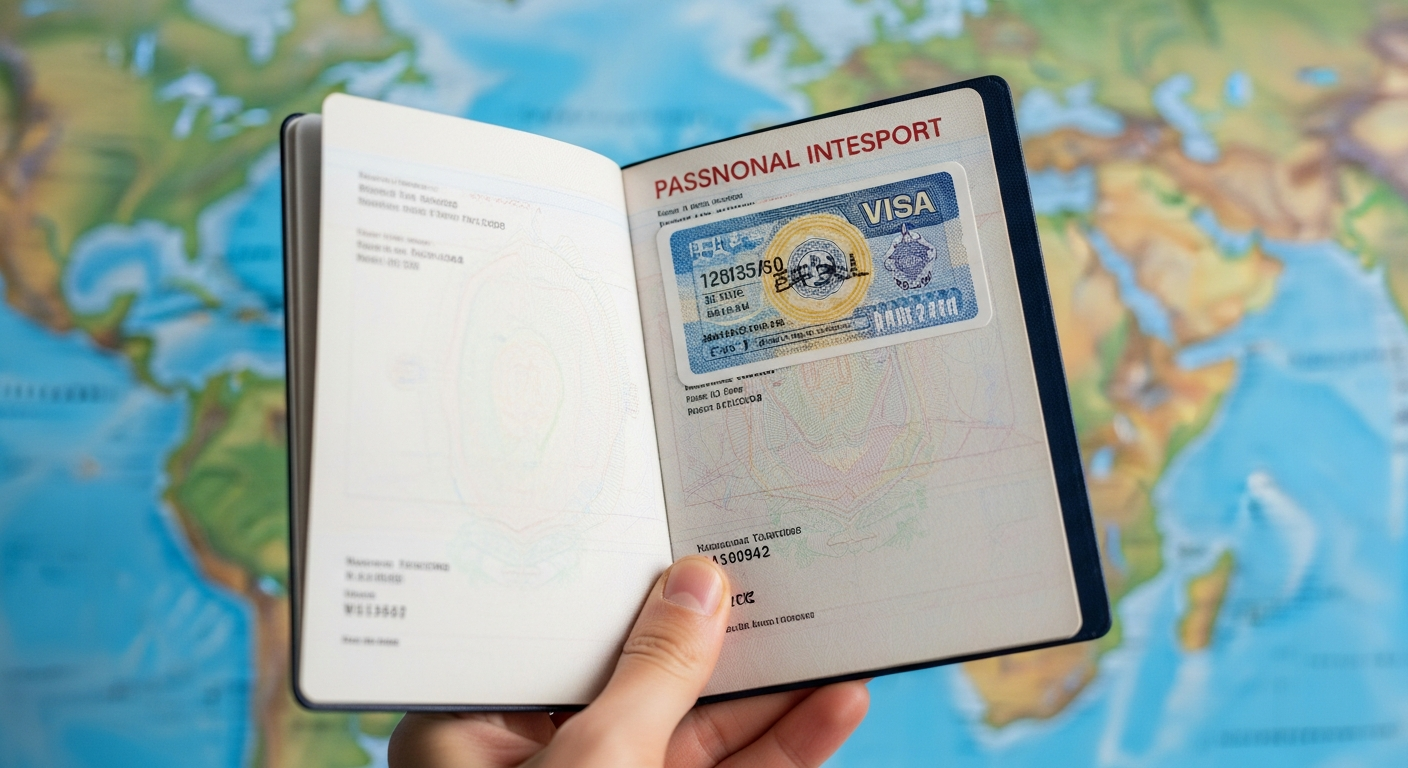
While the passport is often the first thing that comes to mind, the world of travel documents is much broader. Depending on your destination, nationality, and the purpose of your trip, you might need a combination of several different documents. These can range from a simple ID card for domestic travel to complex visa applications for certain international destinations. Understanding this variety is the first step to a worry-free journey.
The Core Travel Documents You’ll Need
Navigating international travel begins with understanding the core documents almost everyone will need. These are your primary forms of identification and permission to cross borders.
Passports: Your Global ID
Your passport is arguably the most important travel document. It is an official government-issued identity document that certifies your identity and citizenship. It allows you to travel to and from foreign countries. A passport typically contains your photo, name, date of birth, place of birth, and signature.
Most countries require a passport to be valid for at least six months beyond your planned date of departure from that country. Always check your passport’s expiration date well in advance of any trip. Renewing a passport can take several weeks or even months, so do not leave it until the last minute. It is your ultimate proof of identity and citizenship when traveling internationally.
Visas: Permission to Enter
A visa is an official endorsement placed in your passport by the government of a country you wish to visit. It grants you permission to enter that country for a specific purpose (e.g., tourism, work, study) and for a defined period. Not all countries require visas for all nationalities. Many countries have visa waiver programs or allow visa-free travel for certain passport holders. However, for many destinations, a visa is a non-negotiable requirement.
The process of obtaining a visa can vary greatly. Some countries offer “visa on arrival,” while others require you to apply at their embassy or consulate in your home country before you travel. Some even have electronic visa (e-Visa) systems. Always check the visa requirements for your specific destination based on your nationality well in advance, as processing times can be lengthy.
Other Key Identification
While passports and visas are for international travel, other documents are crucial, especially for domestic trips or as secondary identification abroad.
- National ID Cards: Many countries issue national identity cards that are valid for travel within certain regions (e.g., within the European Union). These can sometimes serve as alternatives to passports for specific journeys.
- Check Validity Dates: Ensure your passport is valid for at least six months beyond your return date. Check the expiration dates of any required visas or other permits.
- Research Destination Requirements: Every country has its own rules. Visit the official government website of your destination country (e.g., their embassy or foreign affairs department website) to understand specific passport validity, visa, health, and entry requirements based on your nationality.
- Make Copies (Digital & Physical): Create both physical and digital copies of your passport, visa, flight tickets, hotel reservations, and any other important documents. Store digital copies securely online (e.g., in a cloud service or email) and keep physical copies separate from your originals. Leave a copy with a trusted person back home.
- Secure Your Documents: Invest in a good travel wallet or document organizer. Keep your original documents in a safe, accessible, but secure place on your person while traveling, like a hidden money belt or inside jacket pocket. Avoid keeping all documents in one place, especially in an easily accessible bag.
- Report Immediately: Contact the local police to file a report. You will likely need this report for insurance claims and when applying for new documents.
- Contact Your Embassy/Consulate: Get in touch with your country’s embassy or consulate in the foreign country as soon as possible. They can assist you in applying for an emergency travel document or a new passport.
- Have Copies Ready: This is where those digital and physical copies become lifesavers. They help prove your identity and citizenship to the embassy.
Driver’s Licenses: Your driver’s license is primarily for driving, but it also serves as a widely accepted form of photo identification. It can be useful for domestic flights, renting cars, or proving your age, but it is generally not* accepted for international border crossings.
Birth Certificates: While not a travel document on its own for most international travel, a birth certificate is often needed to obtain* a passport, especially for minors. It provides official proof of your place of birth and parentage.
Specialized Travel Documents to Know
Beyond the core documents, specific situations might call for additional or specialized paperwork. Being aware of these can prevent unexpected issues.
Travel Permits and Health Passes
Some destinations, particularly those with sensitive ecosystems or specific health concerns, might require additional permits or health documents. For example, certain national parks or remote areas might require a special entry permit. In recent times, health passes or vaccination certificates have become common requirements for international travel to some regions.
Always check the specific entry requirements related to health and special permits for your destination. This information is usually available on the official government tourism or immigration websites of the country you plan to visit.
Emergency Travel Documents
What happens if your passport is lost or stolen while you are abroad? Most countries offer emergency travel documents, often called emergency passports or temporary travel documents. These are issued by your country’s embassy or consulate in a foreign land and are typically valid for a single trip back to your home country or for a very short, specific journey. Obtaining one requires proving your identity and citizenship, often with copies of your original documents.
Documents for Minors
Traveling with children involves extra considerations. If a child is traveling with only one parent, or with grandparents, guardians, or even alone, they often need specific documents. These might include a birth certificate, a notarized letter of consent from the absent parent(s), or even a court order. These measures are in place to prevent child abduction and ensure the child’s safety. Always verify the exact requirements for traveling with minors for both your departure and destination countries.
Why Are Travel Documents So Important?
Understanding the fundamental role of travel documents goes beyond just avoiding trouble at the border. They are critical for several reasons that impact your entire travel experience.
Legal Entry and Exit
The most obvious reason is legal compliance. Every country has sovereign borders, and they control who enters and leaves. Travel documents provide the necessary authorization. Without them, you could be denied boarding, refused entry, or even detained. This ensures orderly migration and national security.
Proof of Identity and Citizenship
Travel documents serve as your official proof of identity and citizenship when you are abroad. This is vital for countless situations: checking into hotels, opening a local bank account (if needed), proving your age, or even simply identifying yourself to local authorities if required. They confirm who you are to the world outside your home country.
Handling Emergencies Abroad
In an emergency—whether it is a medical issue, a legal problem, or needing assistance from your embassy—your travel documents are crucial. They allow officials to quickly identify you, contact next of kin, and provide the necessary support. Having your documents in order can significantly speed up assistance in critical situations.
Preparing Your Travel Documents: A Checklist
Preparation is the key to a smooth journey. A systematic approach to managing your travel documents will save you stress and potential problems.
Before You Go: The Crucial Steps
Start preparing your documents weeks, or even months, before your departure date. This gives you ample time to renew, apply, or gather any necessary paperwork without last-minute panic.
Common Travel Document Challenges and Solutions
Even with the best preparation, unexpected issues can arise. Knowing how to handle common problems related to travel documents can make a big difference.
Lost or Stolen Documents Abroad
This is a traveler’s worst nightmare, but it is manageable. If your passport or other critical documents are lost or stolen:
Expired Documents
An expired passport or visa will almost certainly prevent you from traveling. The solution is simple: check validity dates early and renew well in advance. Do not wait until a few weeks before your trip, as processing times can be unpredictable.
Different Names on Documents
Sometimes, names might vary slightly across different documents (e.g., due to marriage, hyphenation, or errors). This can cause significant problems at borders or during check-in. Ensure that the name on your passport matches your flight tickets and any visas exactly. If there are discrepancies, get them corrected before you travel, or carry official documentation (like a marriage certificate) to explain the difference.
Comparison: Key Travel Documents and Their Primary Uses
Understanding the specific role of each document helps in proper preparation.
| Document Type | Primary Use | Validity & Key Notes |
| **Passport** | International identity & citizenship | Usually 5-10 years; often requires 6 months validity past travel date |
| **Visa** | Permission to enter a specific foreign country | Varies by type and country; can be single or multiple entry |
| **National ID Card** | Domestic/regional identity & travel (e.g., EU) | Varies by country; check regional acceptance for travel |
| **Driver’s License** | Driving permit & secondary photo ID | Varies by issuing authority; not for international borders |
| **Birth Certificate** | Proof of birth/parentage; needed for passport application | Lifetime; not a direct travel document |
| **Health Certificate** | Proof of vaccination or health status | Varies by destination & current global health concerns |
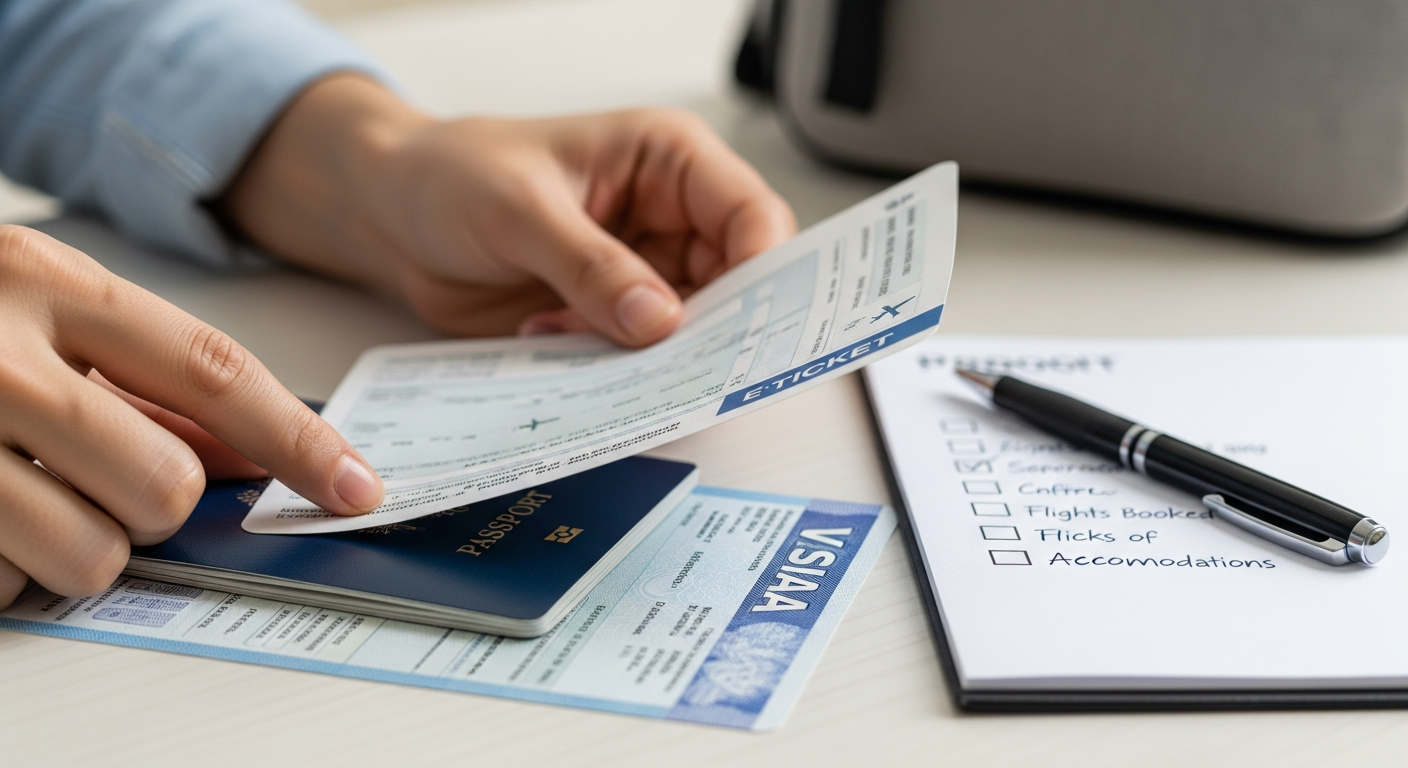
“Travel documents are the unsung heroes of international journeys. Treat them with the same care and respect you give your tickets, and you will unlock a world of hassle-free exploration.” – *International Travel Security Expert*
Conclusion
Traveling the world is an incredible experience, offering new perspectives and unforgettable memories. However, the foundation of every successful trip lies in meticulous preparation, especially when it comes to your travel documents. From understanding the difference between a passport and a visa to knowing what to do if a document goes missing, being informed is your best defense against travel woes.
By following the advice in this guide—checking validity, researching requirements, making copies, and keeping them secure—you can ensure that your travel documents are always in order. This proactive approach allows you to focus on the joy of discovery, rather than the stress of paperwork. So, prepare wisely, travel safely, and enjoy every moment of your global adventures!
Frequently Asked Questions (FAQ)
Q1: How far in advance should I renew my passport?
A1: It is highly recommended to renew your passport at least 9 months before it expires, or at least 6 months before any international trip. Many countries require your passport to be valid for at least six months beyond your intended departure date from their country, so renewing early prevents any last-minute stress or travel delays.
Q2: What is the difference between a visa and a passport?
A2: A passport is your primary identification document issued by your own country, proving your citizenship and identity, allowing you to travel internationally. A visa is an endorsement from the country you wish to visit, granting you official permission to enter for a specific purpose and duration. You typically need a valid passport to apply for and hold a visa.
Q3: Can I travel internationally with just my driver’s license?
A3: No, generally you cannot travel internationally with just a driver’s license. A driver’s license is primarily for driving and serves as a photo ID within your home country. For international travel, you will almost always need a valid passport, and sometimes a visa, depending on your destination and nationality.
Q4: What should I do if my travel documents are lost or stolen abroad?
A4: First, immediately report the loss or theft to the local police and obtain a police report. Second, contact your country’s embassy or consulate in the foreign country as soon as possible. They can help you apply for an emergency travel document to allow you to return home or continue your journey, provided you can prove your identity.
Q5: Do children need their own passports for international travel?
A5: Yes, all individuals, regardless of age, need their own valid passport for international travel. This includes infants and young children. Additionally, if a child is traveling with only one parent or without their parents, extra documentation like a notarized consent letter from the absent parent(s) may be required.