The Ultimate Guide to Travel 511: Your Real-Time Road Companion
Imagine hitting the road, confident that you have the most current information about traffic, weather, and road conditions right at your fingertips. No more unexpected delays or frustrating detours. This isn’t a futuristic dream; it’s the reality offered by Travel 511, a vital service designed to make your journeys smoother and safer. In today’s fast-paced world, staying informed is key to efficient travel, whether you’re commuting to work, planning a cross-country road trip, or simply heading out for a day trip.
Travel 511 acts as your personal road intelligence system, providing real-time data directly from state and local transportation agencies. It’s a free, easy-to-access service available across much of North America, dedicated to keeping you informed about what’s happening on the roads ahead. This comprehensive guide will dive deep into everything you need to know about Travel 511, how to use it effectively, and why it should be an essential tool in every traveler’s kit. Get ready to transform your travel experience from uncertain to informed.
Key Takeaways for Smarter Travel
- Real-Time Updates: Travel 511 provides instant information on traffic, accidents, and road conditions, helping you avoid delays.
- Comprehensive Coverage: Access details on weather impacts, construction zones, and even public transit options in many areas.
- Multiple Access Points: Reach 511 via phone, websites, or mobile apps, making it convenient for any traveler.
- Enhanced Safety: By knowing what’s ahead, you can make safer driving decisions and prepare for potential hazards.
- Free & Reliable: It’s a no-cost service directly from official sources, ensuring accuracy and trustworthiness for your journey.
What is Travel 511? Your Go-To Road Information Service
Travel 511 is a national traveler information phone number and web service in the United States and Canada. It provides up-to-the-minute information on road conditions, traffic incidents, weather advisories, and more. Think of it as a central hub for all the critical data you need before and during your drive. This service is a partnership between various state and local transportation departments, ensuring that the information you receive is direct from the source and highly reliable.
The goal of 511 is simple: to improve safety and efficiency on our roads. By giving travelers accurate information, they can make better choices about when and how to travel, reducing congestion and preventing accidents. It’s a public service designed for everyone, from daily commuters to long-haul truck drivers.
The History and Evolution of 511

The idea for a nationwide traveler information system began to take shape in the late 1990s. Before 511, travelers often had to call different numbers for each state or region, leading to confusion and frustration. The U.S. Department of Transportation (DOT) recognized the need for a unified system. In 1999, the Federal Communications Commission (FCC) assigned “511” as the national three-digit telephone number for traveler information.
Since its launch, 511 has evolved significantly. What started primarily as a phone service has expanded to include robust websites, mobile applications, and even social media feeds. This evolution reflects the changing ways people access information, ensuring that 511 remains relevant and accessible to all travelers in the digital age. Today, almost every state in the U.S. offers some form of 511 service.
How 511 Works to Keep You Informed
When you dial 511 or visit a state’s 511 website, you’re tapping into a vast network of data. Transportation agencies collect information from various sources, including:
- Roadside Sensors: These detect traffic speed and volume.
- Traffic Cameras: Provide visual confirmation of conditions and incidents.
- Police and Emergency Services: Report accidents, hazards, and road closures.
- Weather Stations: Offer real-time weather data and forecasts.
- Construction Crews: Update on ongoing road work and detours.
This data is then processed and made available to the public almost instantly. Whether through an automated voice system on the phone or interactive maps online, 511 presents this complex information in an easy-to-understand format.
Key Features and Benefits of Using Travel 511
Travel 511 offers a wealth of features that translate into tangible benefits for travelers. Understanding these can help you leverage the service to its fullest potential.
Real-Time Traffic and Congestion Updates
One of the most popular features of 511 is its ability to provide real-time traffic updates. This includes information on:
- Traffic Flow: Know if traffic is moving freely or if there are slowdowns.
- Accidents: Get alerts about recent crashes that might cause delays.
- Congestion Hotspots: Identify areas with heavy traffic before you enter them.
Knowing about these conditions in advance allows you to choose alternative routes or adjust your departure time, saving you time and reducing stress.
Weather Alerts and Road Closures
Weather can drastically impact road safety and travel times. Travel 511 provides crucial weather-related information, such as:
- Severe Weather Warnings: Alerts for snow, ice, fog, heavy rain, or high winds.
- Road Closures: Information on roads closed due to flooding, blizzards, or other severe conditions.
- Chain Requirements: Updates on when tire chains are needed in mountainous regions.
This feature is especially critical for travelers in areas prone to extreme weather, helping them avoid dangerous situations.
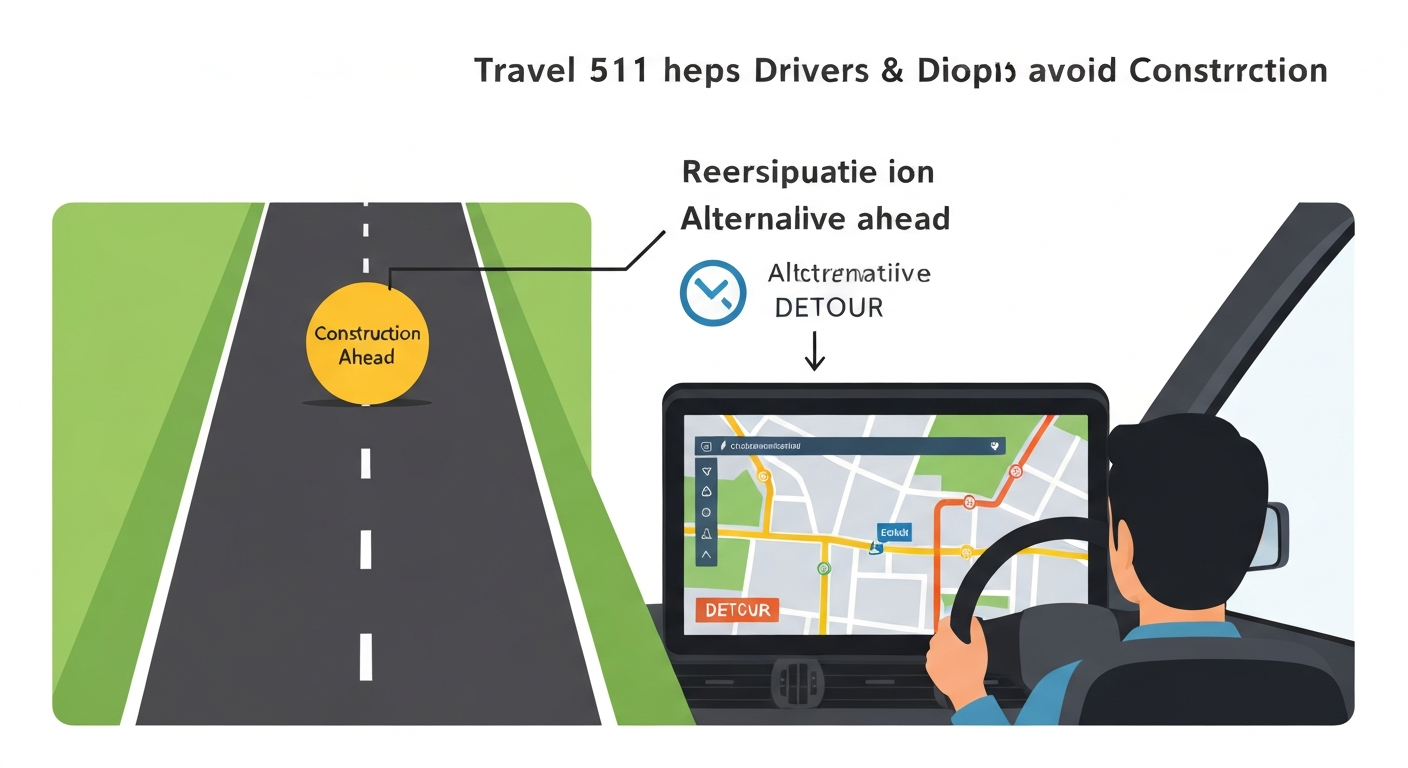
Construction Updates and Detours
Road construction is a necessary part of maintaining infrastructure, but it can be a major headache for drivers. 511 keeps you informed about:
- Planned Construction Zones: Details on where and when road work will occur.
- Lane Closures: Information about specific lanes that are blocked.
- Detour Routes: Suggestions for alternative paths around construction areas.
Staying aware of construction helps you plan for potential delays and navigate work zones safely.
Public Transit Information (Where Available)
While primarily focused on driving conditions, many 511 systems also integrate public transit information. This can include:
- Bus and Train Schedules: Access to real-time arrival and departure times.
- Route Changes: Updates on detours or service disruptions for public transport.
- Park-and-Ride Locations: Information on facilities where you can leave your car and use public transit.
This integrated approach makes 511 a versatile tool for multimodal commuters.
Accessing Travel 511: Your Options
Accessing Travel 511 is designed to be straightforward and convenient, offering multiple ways to get the information you need.
The Traditional Phone Service
Dialing 511 on your phone connects you to an automated system that provides localized travel information. You can typically select options to hear about specific highways, regions, or types of incidents. While the internet offers more visual details, the phone service is invaluable when you’re already on the road and need quick audio updates without looking at a screen. It’s particularly useful in areas with poor cellular data coverage.
Websites and Mobile Applications
Most states and regions offer comprehensive 511 websites and dedicated mobile apps. These digital platforms provide a richer experience, often featuring:
- Interactive Maps: Visual representations of traffic flow, incidents, and construction zones.
- Live Traffic Cameras: View real-time video feeds from key locations.
- Customizable Alerts: Set up notifications for specific routes or areas.
- Detailed Incident Reports: Read full descriptions of accidents or hazards.
These online tools are perfect for planning your trip before you leave or for passengers to monitor conditions during the journey.
Social Media Presence
Many state DOTs and 511 services also maintain active social media accounts, especially on platforms like X (formerly Twitter). These accounts often post immediate alerts about major incidents, severe weather impacts, or widespread road closures. Following your local 511 social media can be a great way to get quick, broad updates on regional travel conditions.
Comparison: Travel 511 vs. Commercial Navigation Apps
Many drivers rely on popular navigation apps like Google Maps, Waze, or Apple Maps. While these apps are excellent for turn-by-turn directions and often include traffic data, Travel 511 offers a unique advantage.
| Feature | Travel 511 | Commercial Navigation Apps (e.g., Google Maps, Waze) |
| **Primary Focus** | Official, real-time road conditions & advisories | Turn-by-turn navigation, traffic, points of interest |
| **Data Source** | State/local transportation agencies, official reports | User-generated data, historical data, sensor data |
| **Accuracy** | Highly accurate for official incidents/closures | Generally accurate, but can be influenced by user reports |
| **Scope of Info** | Traffic, weather, construction, public transit (local) | Traffic, navigation, business listings, user reviews |
| **Cost** | Free | Free (with ads or data usage) |
| **Offline Capability** | Limited (phone service is always available) | Often good for maps, but real-time data needs connection |
| **Best Use Case** | Pre-trip planning, emergency alerts, official advisories | Day-to-day navigation, finding destinations, route optimization |
While commercial apps are fantastic for getting you from point A to point B, 511 provides the authoritative, official word on road conditions. It’s often the first source for major closures or critical weather-related advisories directly from the agencies responsible for managing the roads. Using both in tandem offers the most robust travel information strategy.
Tips for Maximizing Your Travel 511 Experience
To get the most out of Travel 511, consider these expert tips:
- Check Before You Go: Make it a habit to check 511 before every trip, especially for longer journeys or during bad weather. A few minutes of planning can save hours of frustration.
- Download the App: If your state offers a 511 mobile app, download it. Apps often provide the most user-friendly interface for interactive maps and alerts.
- Know Your State’s 511 Website: Bookmark your state’s specific 511 website for easy access to detailed maps and camera feeds.
- Listen Carefully to Phone Prompts: When calling 511, pay attention to the menu options to quickly navigate to the information you need.
- Combine with Navigation Apps: Use 511 for official advisories and broad condition checks, then use your preferred navigation app for turn-by-turn directions based on that information.
- Sign Up for Alerts: Many 511 services allow you to sign up for email or text alerts for specific routes or regions. This keeps you informed without actively checking.
The Future of Traveler Information
The landscape of travel information is always evolving. As technology advances, we can expect 511 services to become even more sophisticated. Imagine:
- Predictive Analytics: Using AI to forecast traffic patterns and potential incidents with even greater accuracy.
- Vehicle-to-Infrastructure (V2I) Communication: Cars directly receiving safety alerts and road condition data from smart infrastructure.
- Enhanced Personalization: Highly customized alerts based on your regular routes and travel preferences.
- Integration with Smart City Systems: Seamless sharing of data between transportation, public safety, and urban planning systems.
The core mission of 511 – providing reliable, official travel information – will remain, but the methods and depth of data will continue to grow, making travel even safer and more efficient.
“Reliable travel information is not just about convenience; it’s a critical component of public safety and economic efficiency. Services like 511 empower travelers to make informed decisions, reducing risk and improving the flow of commerce.” – *Transportation Safety Expert, Dr. Elaine Harrison*
Conclusion: Your Essential Travel Partner
Travel 511 is more than just a phone number; it’s a comprehensive, free, and highly reliable service that puts critical road information at your fingertips. From real-time traffic jams and severe weather warnings to construction updates and public transit details, 511 equips you with the knowledge to navigate your world safely and efficiently. By integrating Travel 511 into your travel planning routine, you’re not just avoiding delays; you’re actively contributing to a safer and more enjoyable journey for yourself and others on the road. Make it your trusted companion for every mile ahead.
Frequently Asked Questions About Travel 511
What exactly is 511?
511 is a national telephone number and web service that provides real-time traffic, road condition, and traveler information in participating regions of the United States and Canada. It’s a public service managed by state and local transportation agencies.
Is Travel 511 available everywhere in the U.S.?
While most states offer some form of 511 service, coverage can vary. It’s best to check your specific state’s Department of Transportation (DOT) website or the national 511 website to confirm availability and specific features in your area.
How accurate is the information provided by 511?
The information from 511 is generally highly accurate because it comes directly from official sources like state transportation departments, police, and emergency services. Updates are often real-time or near real-time, making it a very reliable source.
Can I use 511 for public transit information?
Yes, in many urban areas, 511 systems integrate public transit information, including bus and train schedules, route changes, and real-time arrival estimates. Check your local 511 service for specifics.
Is there a cost to use 511?
No, calling 511 is typically free, though standard cell phone minutes or data charges may apply depending on your mobile plan. Accessing 511 websites and apps is also free. It is a public service.