Travel 360: Your Ultimate Guide to Immersive Global Exploration
The world is constantly changing, and so is the way we explore it. Gone are the days when travel meant only physical journeys to far-off lands. Today, a new horizon has emerged, offering boundless exploration from anywhere. This is the realm of “Travel 360,” a powerful concept that merges cutting-edge technology with the timeless human desire for discovery.
Travel 360 is more than just a buzzword; it represents a complete shift in how we experience destinations. It combines virtual reality (VR), augmented reality (AR), and comprehensive digital planning to create truly immersive and accessible adventures. Whether you dream of walking through ancient ruins, diving into vibrant coral reefs, or hiking majestic mountains, Travel 360 makes these experiences possible, often without leaving your home.
This guide will dive deep into what Travel 360 truly means, its incredible benefits, and how you can harness its power to plan your next great escape. Get ready to unlock a new dimension of travel, making your global explorations richer, smarter, and more exciting than ever before. Let’s embark on this journey together to understand the future of exploration.
Key Takeaways: Mastering Travel 360 for Modern Explorers
Embracing Travel 360 can transform your approach to discovery. Here are five expert insights to guide your journey:
- Beyond Physical Limits: Travel 360 breaks down geographical and physical barriers, allowing exploration of remote or inaccessible locations. It democratizes travel, making it available to everyone.
- Strategic Trip Planning: Use 360-degree virtual tours to scout hotels, attractions, and routes before you even book. This reduces uncertainty and enhances preparedness for real-world trips.
- Sustainable Exploration: Engage in virtual tourism to reduce your carbon footprint. Experience wonders without the environmental impact of physical travel, promoting responsible tourism.
- Enhanced Accessibility: Individuals with mobility challenges or health concerns can experience destinations they might otherwise miss. Travel 360 offers a gateway to the world for all.
- Future-Proof Your Adventures: As technology advances, 360 travel will become even more realistic and interactive. Staying informed now prepares you for the next wave of immersive experiences.
What Exactly is Travel 360?
Travel 360 refers to an all-encompassing approach to travel that integrates various technologies and planning methods to create a holistic experience. It’s about viewing and interacting with destinations from every angle, both virtually and physically. This concept offers a complete picture, from initial research to post-trip reflection.
Beyond Traditional Tourism
Traditional travel often involves booking, packing, and physically journeying to a destination. While invaluable, this approach has limitations in terms of cost, time, and accessibility. Travel 360 expands on this by offering alternatives and enhancements. It allows you to “visit” places virtually, prepare for real trips with unprecedented detail, and even engage with cultures from afar.
It’s about creating a rich tapestry of experiences. You might virtually walk through a museum before deciding to visit in person. Or perhaps you’ll explore a country’s landscapes from your couch, inspiring a future expedition. Travel 360 makes every step of the travel process more informed and exciting.
The Technology Behind the Experience
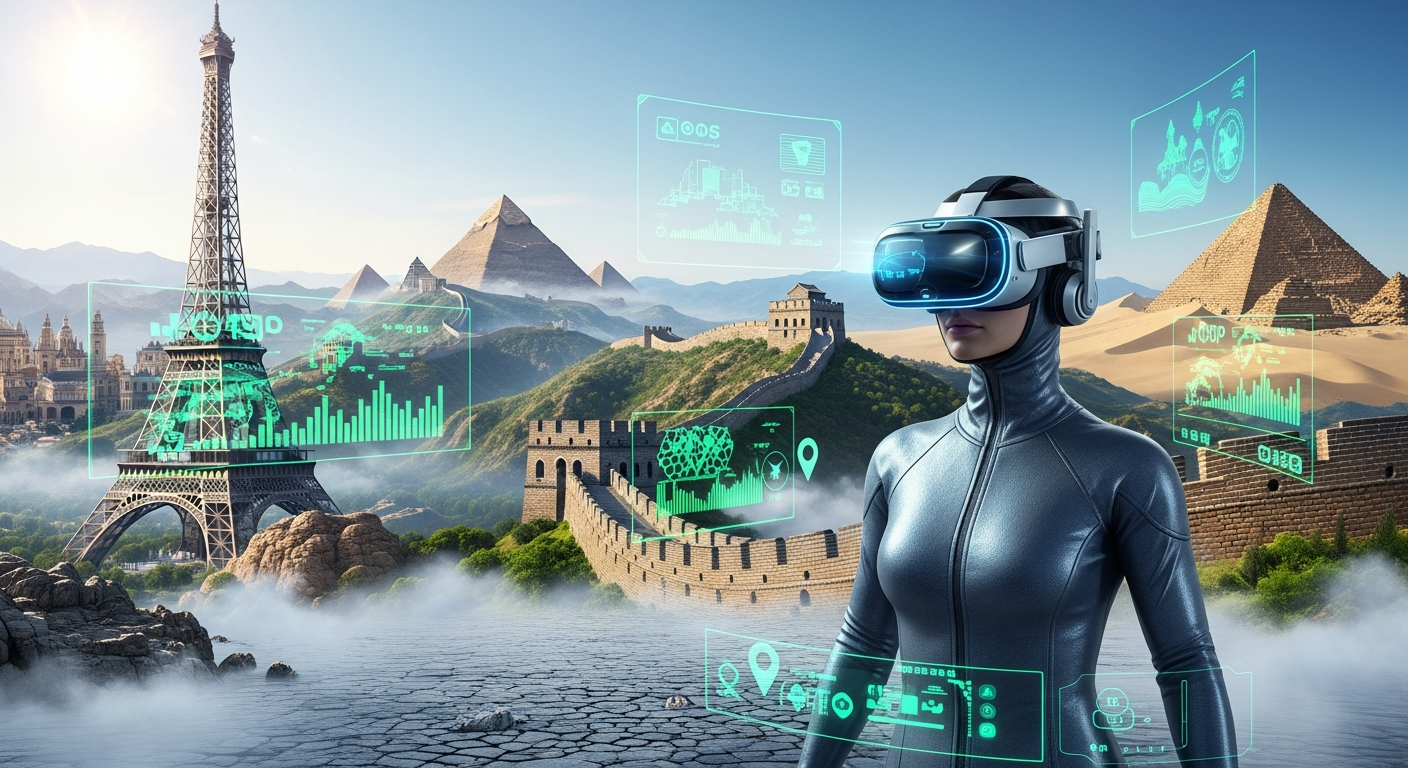
The magic of Travel 360 relies heavily on advanced digital tools. These include high-resolution 360-degree cameras that capture panoramic views, and virtual reality headsets that transport you to different locations. Augmented reality apps overlay digital information onto the real world, enriching your physical surroundings.
Cloud computing and high-speed internet also play a crucial role, enabling seamless streaming of detailed virtual environments. These technologies work together to create an experience that feels incredibly real and interactive. From simple panoramic photos to fully interactive VR worlds, the tech continues to evolve rapidly.
The Benefits of Embracing 360 Travel
Adopting a Travel 360 mindset opens up a world of advantages for every type of explorer. These benefits range from making travel more accessible to enhancing the quality of your real-world journeys.
Unlocking New Destinations
Imagine exploring the depths of the Amazon rainforest or the surface of Mars, all from your living room. Travel 360 makes it possible to visit places that are too remote, too dangerous, or simply beyond your budget for a physical trip. This capability expands our understanding of the world without limitation.
It also allows you to sample destinations before committing to a full trip. You can get a true feel for a city’s atmosphere or a resort’s amenities. This virtual scouting helps you decide if a location truly fits your travel dreams, saving time and resources in the long run.
Sustainable and Accessible Exploration
One of the most significant advantages of virtual 360 travel is its positive environmental impact. By reducing the need for flights and transportation, virtual tours help lower carbon emissions. This makes it a highly sustainable way to satisfy your wanderlust and contribute to a healthier planet.
Furthermore, Travel 360 breaks down barriers for individuals with physical limitations or health conditions. Everyone deserves to experience the beauty of the world. Virtual reality offers an incredible opportunity for those who cannot travel physically to embark on adventures. It’s an inclusive approach to global discovery.
Enhanced Planning and Preparation
Planning a trip can often be stressful and uncertain. Travel 360 transforms this process into an enjoyable and highly informed experience. You can take virtual tours of hotels to check room layouts, explore local neighborhoods to understand the vibe, and even preview hiking trails to assess their difficulty.
This level of pre-trip immersion allows for better decision-making and reduces surprises. You’ll arrive at your destination feeling confident and familiar, ready to make the most of every moment. It’s like having a sneak peek of your adventure before it even begins.
Navigating the World of Virtual and Augmented Travel
The core of Travel 360 lies in its innovative use of virtual and augmented reality. Understanding the differences and applications of each is key to maximizing your immersive experiences.
Virtual Reality (VR) Travel: A Deep Dive
Virtual reality travel completely immerses you in a digital environment. Using a VR headset, you are transported to a simulated world that can replicate real places with stunning accuracy. You can look around, interact with elements, and sometimes even move through the space.
VR experiences range from guided tours of historical sites to adrenaline-pumping adventures like skydiving over Dubai. It’s a powerful tool for education, entertainment, and pure escapism. Many museums, tourism boards, and content creators are now offering high-quality VR travel experiences.
Augmented Reality (AR) Enhancements
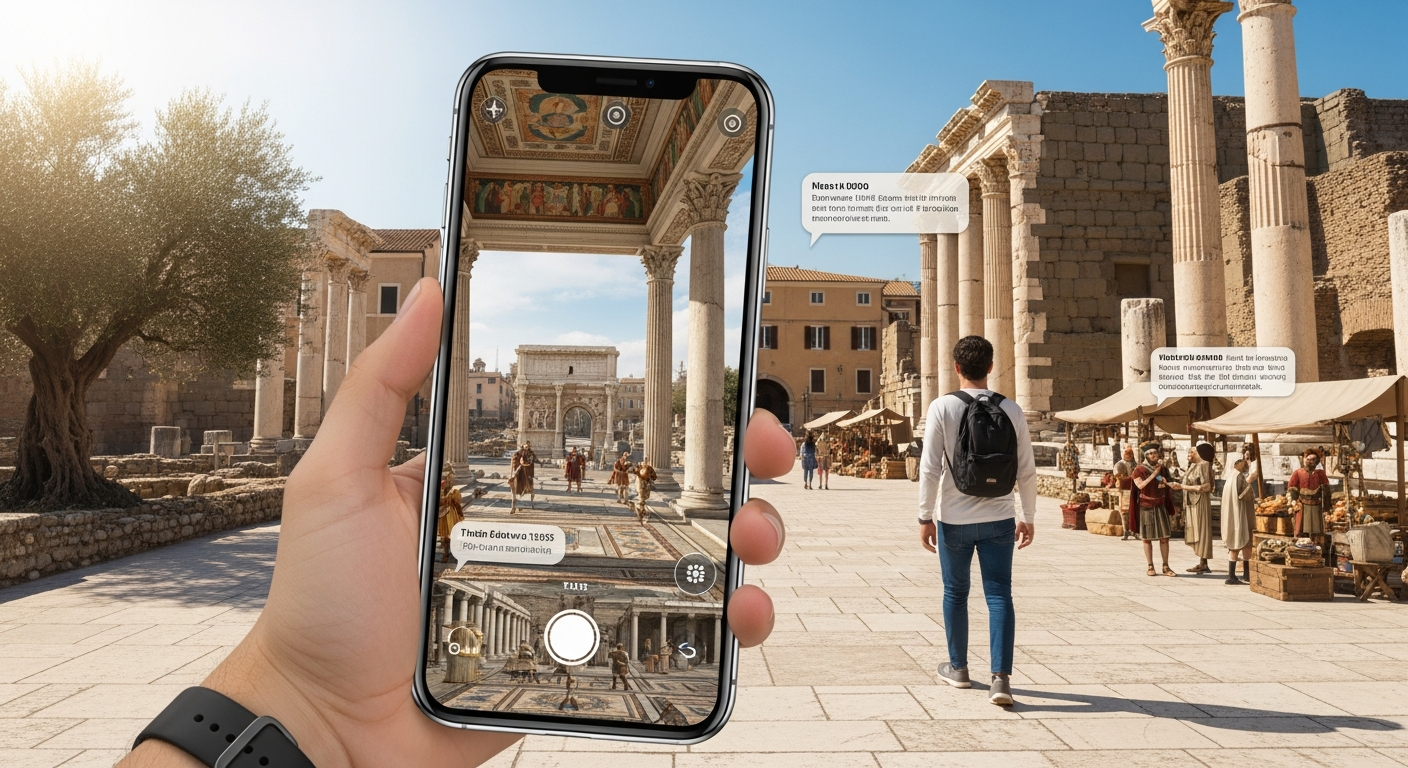
Augmented reality, unlike VR, overlays digital information onto your real-world view, usually through a smartphone or tablet camera. It enhances your physical surroundings rather than replacing them. Think of apps that show you historical facts about a building as you look at it through your phone.
AR can enrich a physical trip by providing interactive maps, language translation, or virtual guides. For instance, an AR app might show you what a Roman ruin looked like in its prime, right on your screen. It’s a fantastic way to add depth and context to your real-world explorations.
Choosing Your Immersive Journey
Deciding between VR and AR depends on your travel goals. Here’s a quick comparison to help you choose:
| Feature | Virtual Reality (VR) | Augmented Reality (AR) |
| **Immersion Level** | Full immersion, replaces real world | Partial immersion, enhances real world |
| **Primary Use** | Virtual tours, remote exploration, pre-trip scouting | On-site enhancement, interactive guides, information |
| **Required Gear** | VR Headset (e.g., Meta Quest, PlayStation VR) | Smartphone or tablet, AR-enabled apps |
| **Accessibility** | High for remote places, lower for physical movement | High for enhancing physical travel, uses existing devices |
| **Best For** | Experiencing inaccessible places, deep dives | Enriching current trips, quick information access |
Planning Your Perfect 360 Experience
Getting started with Travel 360 is easier than you might think. With a few key considerations, you can begin your immersive adventures today.
Essential Gear and Platforms
For VR travel, a dedicated headset is often the best investment. Options range from affordable smartphone-based viewers to high-end standalone devices. Popular platforms like YouTube VR, Oculus TV, and Steam VR offer a vast library of 360-degree videos and interactive experiences.
For AR, your smartphone or tablet is usually all you need. Look for apps from major museums, travel guides, or even Google Lens. Ensure your device is up to date for the best performance. Many apps are free or offer trial versions.
Finding Top-Rated 360 Content
The internet is brimming with incredible 360-degree content. Start with reputable sources like National Geographic, Google Arts & Culture, and major tourism boards. Many travel agencies are also beginning to offer virtual tours of their destinations.
User reviews and ratings are invaluable when searching for high-quality experiences. Look for content with high resolution, smooth transitions, and engaging narration. Don’t be afraid to experiment with different platforms and creators to find what you enjoy most.
“The true voyage of discovery consists not in seeking new landscapes, but in having new eyes.” – Marcel Proust. Travel 360 provides those new eyes, allowing us to see familiar places anew and discover entirely new worlds.
Integrating 360 into Real-World Trips
Travel 360 isn’t just for virtual journeys; it’s a powerful tool to enhance your physical travels. Use VR to pre-walk a destination, familiarize yourself with landmarks, and even practice navigating public transport routes. This preparation can significantly reduce travel anxiety and boost your confidence.
Once you’re at your destination, AR apps can serve as personal tour guides. They can translate signs, identify historical points of interest, and even help you find the best local restaurants. By combining virtual and physical exploration, you create a richer, more informed travel experience.
The Future of Global Exploration: Travel 360’s Impact
Travel 360 is not just a passing trend; it represents a fundamental shift in how we interact with the world. Its impact will only grow as technology continues to evolve.
Transforming Tourism and Education
For the tourism industry, Travel 360 offers new ways to market destinations and attract visitors. Virtual tours can entice potential travelers, while AR can enhance on-site experiences. It also creates new revenue streams through virtual experiences and specialized gear.
In education, 360 travel is a game-changer. Students can virtually visit ancient Rome, explore distant galaxies, or observe wildlife in their natural habitats. This immersive learning fosters deeper understanding and engagement, making subjects come alive in ways never before possible.
Overcoming Challenges and Looking Ahead
Like any emerging technology, Travel 360 faces challenges. These include the cost of high-quality VR gear, the need for faster internet speeds, and the ongoing development of truly compelling content. However, these hurdles are rapidly being overcome as technology becomes more affordable and accessible.
Looking ahead, we can expect even more realistic graphics, haptic feedback (touch sensations), and interactive elements. The line between virtual and physical travel will continue to blur, offering experiences that are increasingly indistinguishable from reality. The future of exploration is truly boundless with Travel 360.
Conclusion
Travel 360 is reshaping how we view, plan, and experience the world. It offers unparalleled opportunities for immersive exploration, making travel more accessible, sustainable, and informed. By embracing virtual reality, augmented reality, and smart planning, we can unlock a new era of global discovery.
Whether you’re scouting your next dream vacation, revisiting a beloved destination, or exploring places you never thought possible, Travel 360 empowers you to do it all. The journey is just beginning, and with Travel 360, every angle of the world is within your reach. Start your immersive adventure today and see the world like never before.
Frequently Asked Questions About Travel 360
Here are some common questions about this exciting new way to explore:
Q1: Is Travel 360 only for virtual experiences, or does it apply to real trips too?
A1: Travel 360 applies to both virtual and real trips. While it heavily leverages virtual and augmented reality for immersive experiences, it also encompasses the comprehensive digital planning and preparation that enhances your physical travels. It’s about a holistic approach to exploration.
Q2: What kind of equipment do I need to start with Travel 360?
A2: For basic 360-degree video viewing, a smartphone and a simple VR viewer (like Google Cardboard) can be enough. For more immersive virtual reality, a dedicated VR headset (such as Meta Quest or HTC Vive) is recommended. For augmented reality, a modern smartphone or tablet is usually all you need.
Q3: Can Travel 360 replace actual physical travel?
A3: While Travel 360 offers incredibly realistic and immersive experiences, it is generally seen as a complement to physical travel rather than a replacement. It can inspire real trips, enhance planning, and provide access to otherwise impossible locations. The sensory experiences of real travel, like tastes and smells, are still unique.
Q4: How does Travel 360 contribute to sustainable tourism?
A4: Travel 360 promotes sustainable tourism by offering virtual alternatives to physical travel. This reduces carbon emissions from flights and transportation, minimizes strain on fragile ecosystems, and helps manage overtourism in popular destinations. It allows for exploration with a lower environmental footprint.
Q5: Where can I find high-quality 360-degree travel content?
A5: You can find high-quality 360-degree travel content on platforms like YouTube VR, Oculus TV, and Steam VR. Many tourism boards, museums, and organizations like National Geographic also offer extensive libraries of immersive videos and interactive experiences. Searching for specific destinations with “360 video” or “VR tour” is a good starting point.