36 Countries Travel Ban: Your Guide to Global Mobility in 2026
Global travel is constantly changing. As of March 27, 2026, headlines about a potential 36-country travel ban can cause worry and confusion for many. Whether you are planning a family vacation, a business trip, or studying abroad, understanding these restrictions is vital. Travel bans, whether for health, security, or political reasons, can suddenly change your plans. It is more important than ever to stay informed and know how to react.
This article will help you understand what a multi-country travel ban means for you. We will explore why such bans happen, who they affect, and how you can prepare. Our goal is to give you clear, reliable information so you can make smart travel choices. Navigating global mobility requires careful planning and access to the right details. Let’s explore how to manage these challenges together.
Key Takeaways for Navigating Travel Bans
- Stay Informed: Always check official government travel advisories and airline updates before and during your trip.
- Understand the ‘Why’: Travel bans usually stem from public health concerns, political issues, or security threats. Knowing the reason helps predict duration.
- Know Your Rights: Familiarize yourself with passenger rights regarding cancellations, refunds, and rebooking options during travel disruptions.
- Plan for Flexibility: Consider travel insurance that covers ban-related cancellations. Book flexible tickets when possible.
- Prepare Alternatives: Have backup plans for your destination or transportation in case your primary route becomes unavailable.
Understanding Global Travel Restrictions in 2026
International travel has seen many shifts in recent years. Governments often put travel rules in place to protect their citizens or manage global events. These rules can range from needing certain documents to full entry bans. In 2026, the world continues to adapt to new challenges, making travel planning a dynamic process. It’s not just about booking flights anymore; it’s also about understanding the global picture.
The Evolving Landscape of International Travel
Travel rules are always changing. What was true last month might not be true today. This is due to many factors, including new health situations, political changes, or even environmental concerns. Countries work to balance open borders with national safety. This balance often leads to new rules that travelers must follow. Keeping up with these changes is a big part of being a smart traveler in today’s world.
Why Travel Bans Emerge: Key Factors
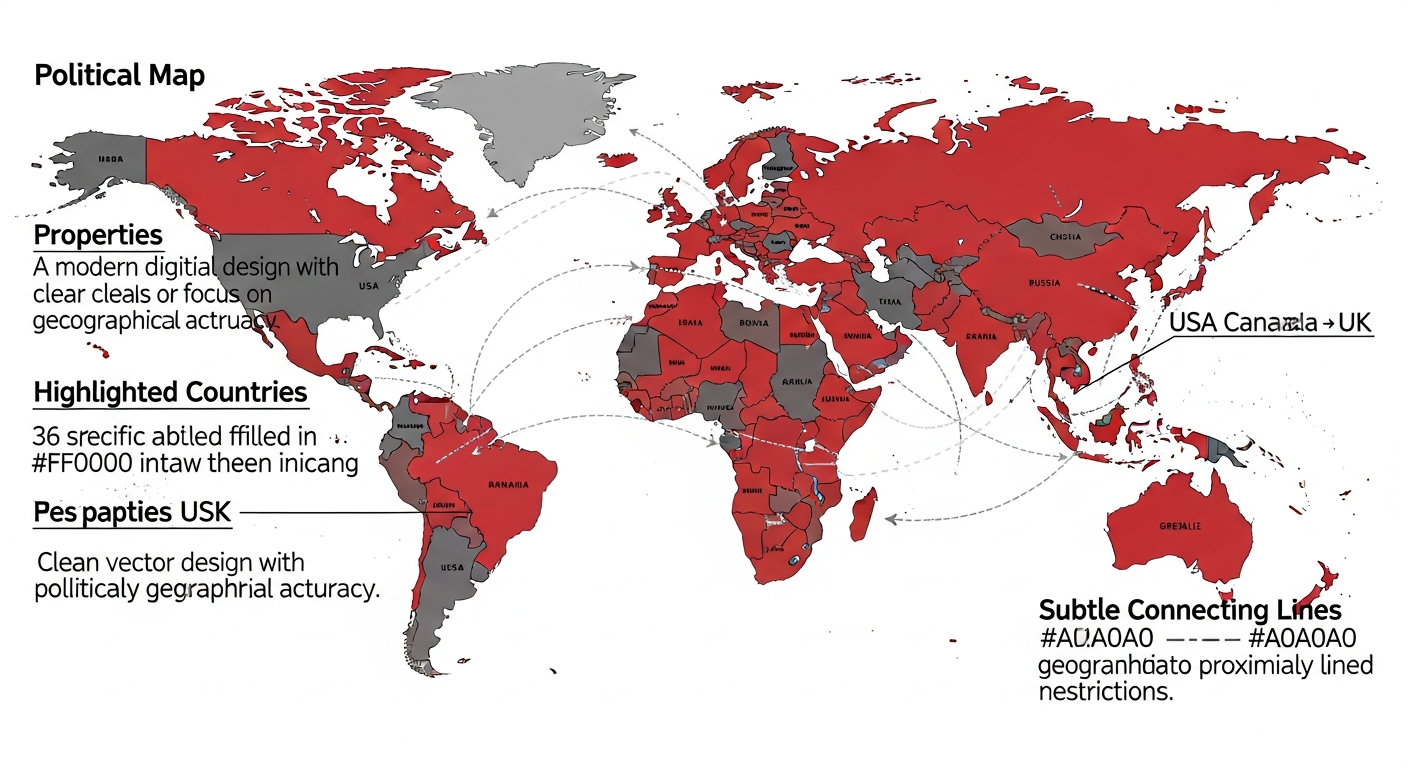
Travel bans do not happen without reason. They are serious steps taken by governments. Often, a major health crisis, like a widespread illness, can lead to bans. Other times, political disagreements or security threats in a certain region can cause countries to stop travel. The main goal is always to protect the country and its people. Understanding these reasons helps travelers know how long a ban might last and what its true impact could be.
The “36 Countries Travel Ban”: What You Need to Know
The idea of a 36 countries travel ban raises many questions. Such a broad restriction would have a huge impact on global travel and trade. It is important to know that travel bans can be different. Some might stop all travel, while others might only apply to certain types of travelers or require extra health checks. For a ban of this size, the reasons would likely be very significant, affecting many parts of the world.
Identifying Affected Nations
If a 36-country travel ban were in place, the list of nations would be crucial. These countries could be linked by geography, a shared event, or specific risks. Travelers would need to check official government websites or embassy pages to see if their destination or transit countries are on the list. Airlines would also provide updated information to their passengers. Knowing which countries are affected is the first step in planning around such a ban.
Specific Restrictions and Their Scope
Not all travel bans are the same. A ban could mean: no entry for anyone, entry only for citizens or permanent residents, or entry with strict rules like quarantine or mandatory testing. For a 36 countries travel ban, the specific rules would vary depending on the reasons behind it. It might be a blanket ban, or it could have exceptions for essential travel, diplomats, or humanitarian aid. Understanding the exact scope helps travelers know if their trip is still possible, even with changes.
Impact on Travelers and Industries
A large-scale travel ban, like one affecting 36 countries, has far-reaching effects. It touches individual travelers, families, and entire industries. The uncertainty alone can cause stress and financial loss. It changes how people plan their lives and how businesses operate across borders. This ripple effect shows just how connected our world is through travel.
Personal Implications for Individuals
For individuals, a travel ban can mean canceled vacations, delayed family visits, or missed business opportunities. Students might not be able to return to school, and workers might be stuck away from home. These situations can be very upsetting and costly. It highlights the need for careful planning and having a backup strategy. Many travelers learn to expect the unexpected in such times.
Economic Fallout for Tourism and Aviation
The tourism and aviation industries are hit hard by travel bans. Airlines lose bookings, hotels see empty rooms, and local businesses that rely on tourists suffer. Jobs can be lost, and economies can slow down. A 36-country ban would be a major blow, requiring significant effort to recover. Governments and industry leaders would need to work together to find solutions and support affected businesses.
Navigating Travel Bans: Essential Strategies
When a travel ban is announced, knowing what to do next is key. Panic does not help. Instead, focusing on clear steps and reliable information can make a big difference. Being prepared means you can react calmly and make the best decisions for your travel plans.
Before You Book: Research and Resources
Before you even think about booking a trip, do your homework. Check the official travel advisories from your own government and the government of your destination. Look at websites for major international organizations that track global health and security. Read up on airline policies regarding changes and cancellations. This research is your first line of defense against unexpected travel disruptions. Always cross-check information from different, trusted sources.
During a Ban: What Are Your Rights?
If a travel ban impacts your existing plans, it’s important to know your rights. Many airlines and travel providers have policies for cancellations or changes due to unforeseen events. You might be entitled to a refund, a travel voucher, or the option to rebook without extra fees. Check your booking terms and conditions. If you used a travel agent, contact them for help. Consumer protection laws can also offer some support, depending on where you booked your trip.
Looking Ahead: The Future of Global Mobility
Even with the challenges of travel bans, global mobility will continue. The world learns from each new situation, leading to better ways to manage travel risks. Future travel might include more health screenings, digital health passes, or faster ways to share information between countries. The goal is to make travel safer and more predictable for everyone, even when new challenges arise.
Potential Changes and Policy Shifts
Governments and international bodies are always looking at ways to improve travel policies. This could mean creating common rules for health checks, setting up faster ways to issue travel advisories, or working together to manage global crises. We might see more flexible visa rules or new technologies that make border crossings smoother. These changes aim to keep people moving while keeping everyone safe.
How to Stay Informed
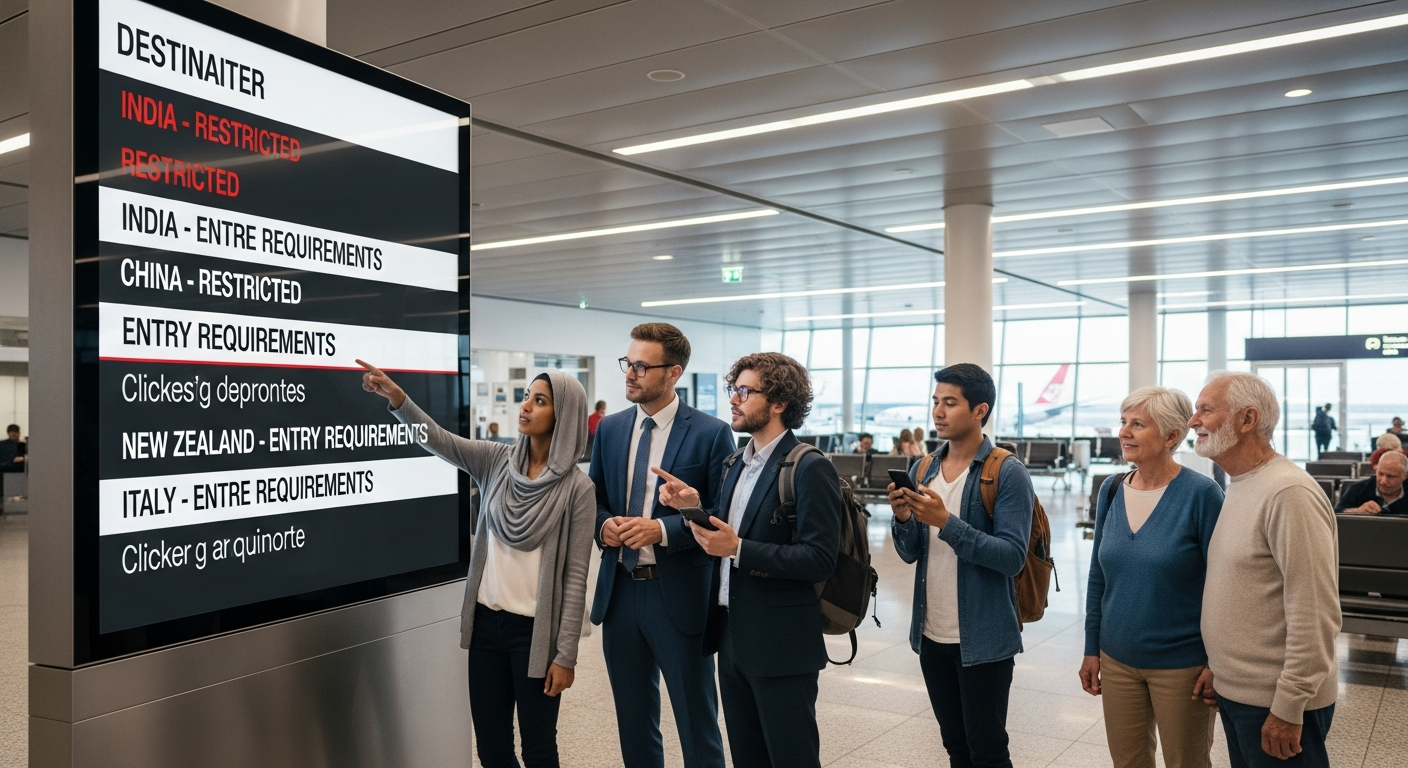
Staying informed is your best tool. Subscribe to alerts from your government’s travel department. Follow reliable news sources that focus on international affairs. Check airline and airport websites regularly. Join online travel forums where experienced travelers share real-time updates. The more informed you are, the better equipped you will be to handle any changes to your travel plans.
| Restriction Type | Description | Impact on Travelers | Common Triggers |
| **Full Entry Ban** | No entry for non-citizens/residents, often with few exceptions. | Cannot enter the country, even with valid visas or existing bookings. | Major public health crisis, severe political instability, security threats. |
| **Conditional Entry** | Entry allowed but with specific requirements like vaccination, negative test, or quarantine. | Requires pre-planning, compliance with health protocols, and potentially self-isolation. | Ongoing health concerns, specific disease outbreaks, border security enhancements. |
| **Visa Suspension** | Existing visas may be temporarily invalid, and new visa applications are halted. | May prevent travel even if no direct ‘ban’ is in place; requires alternative entry or delays. | Diplomatic disputes, targeted security measures, shifts in immigration policy. |
| **Specific Region Ban** | Restrictions apply only to travelers originating from or transiting through certain areas. | May affect transit connections or require travelers to re-route their journey. | Localized outbreaks of disease, regional conflicts, specific security threats. |
| **Advisory Warnings** | Official advice against non-essential travel or all travel to a specific area. | Travelers proceed at their own risk; may void travel insurance; often a precursor to bans. | Elevated risk levels due to various factors like crime, natural disaster, or unrest. |
“The landscape of international travel remains fluid. Travelers must prioritize verified information and flexibility to navigate potential restrictions effectively.” – *Global Travel Safety Council, March 2026*
Conclusion
The thought of a 36 countries travel ban highlights the complex nature of global travel in 2026. While such broad restrictions can be daunting, staying informed and prepared is your best defense. By understanding the reasons behind bans, knowing your rights, and using reliable resources, you can confidently navigate the ever-changing world of international travel. Flexibility and a proactive approach will ensure your journeys remain as smooth and safe as possible. Always remember to check the latest official advice before you travel.
Frequently Asked Questions (FAQ)
Q1: What does a “36 countries travel ban” typically mean?
A1: A “36 countries travel ban” would generally mean that entry is restricted or prohibited for travelers coming from, or who have recently visited, 36 specific nations. The exact rules can vary, ranging from full entry denial to strict quarantine requirements or mandatory health screenings upon arrival.
Q2: How can I find out if my destination is affected by a travel ban?
A2: The best way to check is by visiting the official government travel advisory websites for both your home country and your destination country. Airlines and embassy websites also provide up-to-date information on current restrictions and requirements.
Q3: What should I do if my flight is canceled due to a travel ban?
A3: If your flight is canceled, contact your airline directly to inquire about refunds, rebooking options, or travel vouchers. Review your ticket’s terms and conditions and any travel insurance policies you may have, as these will outline your rights and available compensation.
Q4: Are there any exceptions to travel bans?
A4: Yes, often there are exceptions. These can include citizens or permanent residents returning home, essential workers, diplomats, or humanitarian aid personnel. The specific exceptions depend on the nature and reason for the travel ban, so always check the official guidelines.
Q5: How long do travel bans usually last?
A5: The duration of a travel ban varies greatly depending on the reason it was put in place. Bans due to public health crises might last until the situation improves, while those for security or political reasons could be shorter or longer. Always refer to official government updates for expected timelines.