Navigating Level 3 Travel Advisories: Your Essential 2026 Guide
Dreaming of your next adventure? Travel offers incredible experiences, new cultures, and unforgettable memories. But as exciting as planning a trip can be, it’s crucial to stay informed and make smart choices, especially when global conditions can change quickly. As of March 27, 2026, understanding travel advisories is more important than ever. This guide will help you understand what a Level 3 ‘Reconsider Travel’ advisory means and how to navigate these warnings to ensure your safety and peace of mind.
Traveling to any country requires preparation, but visiting a nation under a Level 3 advisory demands extra caution and thorough planning. It’s not about fear, but about being well-prepared and making informed decisions. We’ll explore the specifics of Level 3, how to assess the risks, and what steps you must take before you even think about booking that flight. Your safety is paramount, and this article aims to empower you with the knowledge to travel wisely.
Key Takeaways for Level 3 Travel Advisories
- Understand the Warning: A Level 3 advisory means ‘Reconsider Travel’ due to significant, elevated risks to traveler safety and security.
- Official Sources are Key: Always consult official government websites (like your country’s Department of State or Foreign Office) for the most current and accurate advisory information.
- Deep Dive into Research: Go beyond the advisory level. Investigate the specific reasons for the warning, including local crime rates, political stability, health concerns, and infrastructure issues.
- Insurance is Non-Negotiable (but Tricky): Standard travel insurance policies often have exclusions for Level 3 destinations. Research specialized ‘cancel for any reason’ (CFAR) or high-risk policies carefully.
- Develop a Robust Emergency Plan: Know your embassy’s location, have multiple communication methods, and understand potential evacuation routes or emergency contacts before you depart.
Understanding Travel Advisory Levels
Governments worldwide issue travel advisories to inform their citizens about potential risks in foreign countries. These advisories are not meant to deter all travel, but rather to provide clear, actionable guidance. They typically range from Level 1 to Level 4, each indicating a different degree of risk.
- Level 1: Exercise Normal Precautions. This is the lowest advisory level, suggesting that travelers should be aware of their surroundings and take standard safety measures, similar to what they would at home.
- Level 2: Exercise Increased Caution. This level indicates heightened risks in specific areas or for certain activities. Travelers should be more vigilant and aware of potential dangers like increased crime or specific health threats.
- Level 3: Reconsider Travel. This is a significant warning. It means there are serious risks to safety and security. Travelers should think carefully before going and, if they do, take enhanced precautions.
- Level 4: Do Not Travel. This is the highest advisory level, indicating a critical situation where there is an extreme risk to life. Citizens are advised not to travel to these areas, and those already there are often advised to leave.
Knowing these levels helps set the baseline for your travel planning. A Level 3 advisory should always trigger a comprehensive review of your plans and a deep dive into the specific risks involved.
Comparison of Travel Advisory Levels
| Advisory Level | General Meaning | Typical Risks | Recommended Action |
| Level 1 | Exercise Normal Precautions | Everyday risks (petty crime) | Be aware, enjoy your trip |
| Level 2 | Exercise Increased Caution | Higher crime, specific threats, health risks | Be more vigilant, avoid certain areas/activities |
| Level 3 | Reconsider Travel | Serious crime, civil unrest, health crises | Reevaluate necessity, extreme caution, strong prep |
| Level 4 | Do Not Travel | Extreme danger, war, natural disaster, terrorism | Avoid all travel, depart if already there |
What Does “Level 3: Reconsider Travel” Mean?
A Level 3 advisory is a strong signal that there are substantial dangers present in a country or region. It’s not a suggestion to completely avoid travel, but a call to seriously consider if your trip is essential and if you are prepared for the elevated risks. These risks can vary widely and are often specific to certain areas within a country.
Common reasons for a Level 3 advisory include high rates of violent crime, ongoing civil unrest, political instability, terrorism threats, kidnapping risks, or severe health crises. It might also be due to natural disaster recovery efforts that severely impact infrastructure and emergency services. The advisory aims to inform you that the usual safety nets might be compromised or absent.
For example, a country might have a Level 3 advisory due to widespread protests that could turn violent, even if tourist areas are generally calm. Or, an area might face a high risk of carjackings or armed robberies. Understanding the specific reasons behind the Level 3 warning is vital. It allows you to assess if those risks directly impact your planned activities or routes.
Current Global Landscape for Level 3 Advisories (March 27, 2026)
As of March 27, 2026, the global landscape for travel advisories remains dynamic. While specific countries under Level 3 can change frequently, the underlying reasons often persist. Regions experiencing ongoing political transitions, areas with high social inequality leading to crime, or nations recovering from significant environmental events are frequently subject to these warnings.
For instance, some nations might be under a Level 3 advisory due to persistent gang violence in urban centers, even if rural tourist destinations are generally safer. Other countries might face warnings due to the potential for sudden civil disturbances or a lack of adequate medical infrastructure, particularly for complex health needs. It’s not always a blanket warning for the entire country.
The key is to recognize that these advisories are not static. A country might move from Level 2 to Level 3, or even to Level 4, with little notice. This emphasizes the need for continuous monitoring of official sources right up until your departure date and even during your trip. Relying on outdated information can put you at unnecessary risk.
It is crucial to consider the localized nature of many advisories. Often, a Level 3 warning might apply to specific provinces, cities, or border regions, while other parts of the country remain at a lower advisory level. Always check the detailed breakdown provided by your government’s travel advisory website to understand the precise geographical scope of the warning. This nuanced understanding can help you plan your itinerary more safely, or decide if an alternative destination is a better choice.
Essential Steps Before Traveling to a Level 3 Country
If you decide to proceed with travel to a Level 3 country, rigorous preparation is non-negotiable. This isn’t just about packing your bags; it’s about building a robust safety net and understanding every potential pitfall. Each step you take before departure significantly reduces your risk.
Here’s a detailed checklist:
In-depth Research: Understand the specific* reasons for the Level 3 advisory. Is it crime, political instability, health, or something else? Research local laws, customs, and cultural norms to avoid unintentional offenses.
Making Informed Decisions: Risks vs. Rewards
Deciding whether to travel to a Level 3 country is a deeply personal choice that requires a careful weighing of risks against potential rewards. It’s easy to get caught up in the excitement of a unique destination, but ignoring the warnings can have severe consequences.
Consider your personal risk tolerance. Are you comfortable with a higher degree of uncertainty? Do you have the skills and experience to navigate challenging situations? For some, the reward of visiting a specific cultural site or conducting essential business might outweigh the risks. For others, the potential for danger might be too great.
“Travel advisories are not designed to scare people, but to inform. When a country is at Level 3, it’s a clear signal that the potential for something to go wrong is significantly elevated. Travelers must ask themselves if their purpose for visiting truly justifies facing those increased risks. Sometimes, waiting for conditions to improve, or choosing an alternative, safer destination, is the wisest course of action.” – *Travel Safety Expert, Dr. Anya Sharma.*
It’s also important to consider the impact of your travel on others. Will your decision cause undue stress or worry for your family? Are you potentially putting rescue personnel at risk if an emergency occurs? These are all factors that contribute to a truly informed decision.
Navigating Travel Insurance and Emergency Plans
Travel insurance is a cornerstone of responsible international travel, but its role becomes even more critical and complex when dealing with Level 3 advisories. Many standard travel insurance policies contain clauses that exclude coverage for destinations under a Level 3 or higher advisory from your government.
Before purchasing any policy, you must meticulously read the terms and conditions. Look for specific language regarding advisory levels. If your chosen destination is on a Level 3 list, you might need to seek specialized insurance. Some providers offer ‘cancel for any reason’ (CFAR) policies, which, while more expensive, provide greater flexibility. Other niche insurers specialize in coverage for high-risk or crisis zones.
Beyond insurance, a comprehensive emergency plan is your lifeline. This plan should include:
- Communication Strategy: How will you contact family, friends, or your embassy in an emergency? Have multiple methods: cell phone, satellite phone, local SIM, internet messaging apps. Ensure someone back home has your full itinerary and copies of important documents.
- Rendezvous Points: If traveling with others, establish clear meeting points in case you get separated, especially in crowded areas or during an emergency.
- Embassy/Consulate Information: Know the exact location and contact details of your country’s embassy or consulate in the destination country. Understand what services they can and cannot provide.
- Evacuation Routes: In areas prone to civil unrest or natural disasters, identify safe zones and potential evacuation routes from your accommodation and planned activities. Know how to get to the nearest airport or safe border.
- Emergency Funds: Have access to extra funds for unexpected expenses like emergency travel, medical care, or extended stays. Do not rely solely on credit cards.
These plans aren’t just for worst-case scenarios; they provide peace of mind and significantly improve your ability to respond effectively if something unexpected happens. Being prepared means you’re not just reacting, but acting with a pre-determined strategy.
Resources for Up-to-Date Travel Information
Staying informed is your best defense against unexpected travel complications. Always rely on official government sources for the most accurate and current travel advisories. Here are key resources you should consult regularly:
- U.S. Department of State: For U.S. citizens, the travel.state.gov website provides detailed advisories, country information, and enrollment in the Smart Traveler Enrollment Program (STEP).
- Foreign, Commonwealth & Development Office (FCDO): For UK citizens, the FCDO website offers comprehensive travel advice for every country, including safety and security, local laws, and entry requirements.
- Global Affairs Canada: Canadian citizens can find travel advice and advisories on the Global Affairs Canada website, which also includes registration services for Canadians abroad.
- Australian Department of Foreign Affairs and Trade (DFAT): Australians can access up-to-date travel advice through the Smartraveller website, including information on specific regions and registration options.
- Local Embassies and Consulates: The websites of your country’s embassy or consulate in your destination can provide hyper-local, real-time updates and contact information.
- Reputable News Organizations: While not primary advisory sources, established international news outlets can provide context and on-the-ground reporting that complements official warnings.
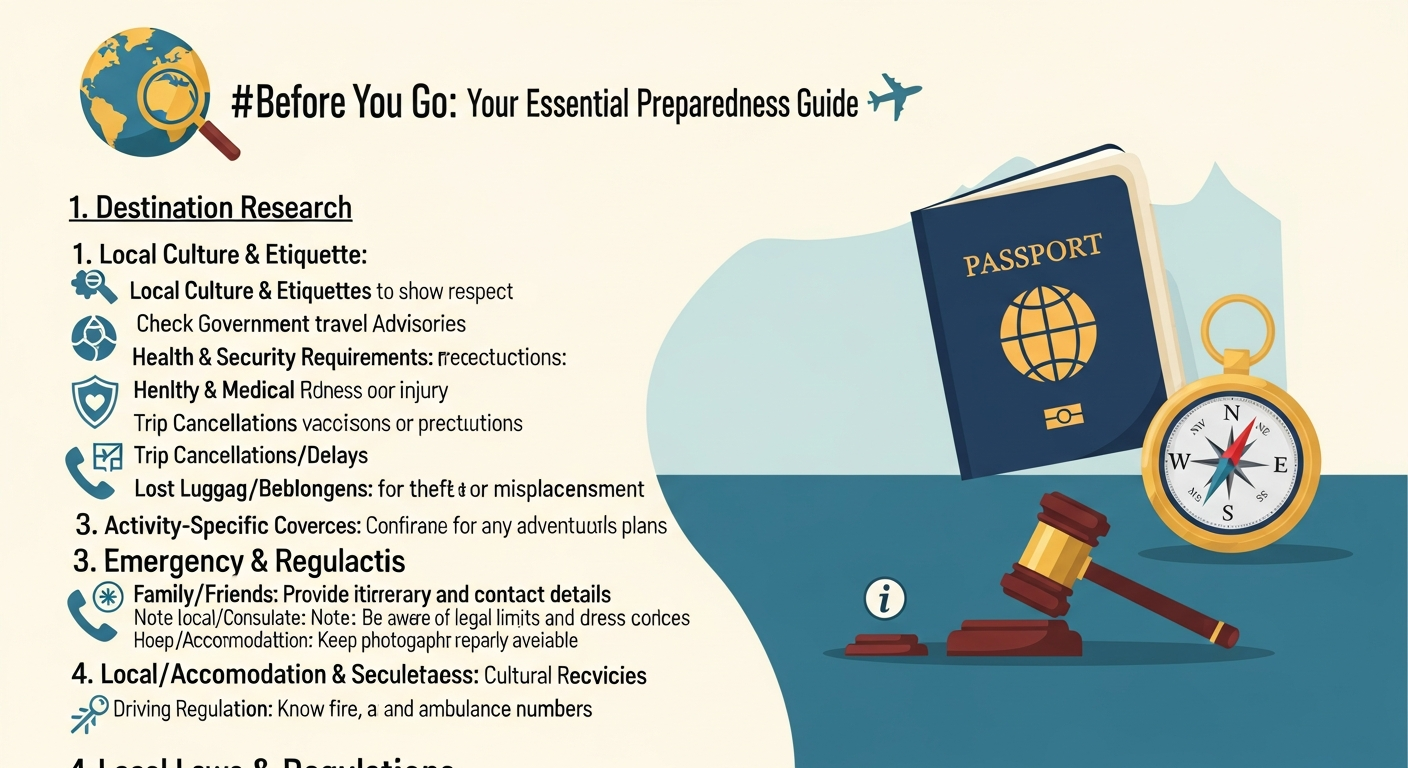
Regularly checking these resources, especially in the weeks leading up to your departure and throughout your trip, is critical. Advisories can change rapidly due to unforeseen events, and staying current ensures you can adjust your plans as needed.
Conclusion
Traveling is an enriching experience, but it requires responsibility and awareness. Navigating Level 3 ‘Reconsider Travel’ advisories in 2026 means approaching your trip with a heightened sense of caution and a commitment to thorough preparation. By understanding the risks, meticulously planning your journey, and leveraging official resources, you empower yourself to make safe and informed decisions.
Remember, a Level 3 advisory is a serious warning, not a travel ban. It urges you to weigh the necessity of your trip against the potential dangers. Whether you choose to proceed or opt for a safer alternative, the knowledge gained from this guide will serve you well. Travel wisely, stay safe, and enjoy the world responsibly.
Frequently Asked Questions (FAQ)
What is a Level 3 travel advisory?
A Level 3 travel advisory, issued by governments, means ‘Reconsider Travel’ due to significant risks to safety and security in a particular country or region. These risks can include high crime rates, civil unrest, political instability, terrorism threats, or severe health crises.
Can I still travel to a Level 3 country?
Yes, generally you can still travel to a Level 3 country, as it is an advisory, not a ban. However, it strongly recommends against non-essential travel and advises extreme caution and thorough preparation if you choose to go. Your government may have limited ability to assist you if you encounter problems.
Will my travel insurance cover me in a Level 3 country?
Many standard travel insurance policies have exclusions for destinations under a Level 3 or higher advisory. It is crucial to read your policy’s terms and conditions carefully. You may need to purchase specialized ‘cancel for any reason’ (CFAR) insurance or a high-risk travel policy that explicitly covers such destinations.
How often do travel advisories change?
Travel advisories can change frequently, sometimes with little notice, in response to evolving global events such as political developments, natural disasters, health emergencies, or security threats. It is essential to check official government travel advisory websites regularly, especially before and during your trip.
What should I do if a country becomes Level 3 while I’m there?
If a country becomes a Level 3 advisory while you are visiting, immediately contact your family or friends to let them know you are safe. Check your government’s travel advisory website for specific guidance, which may include advice to depart as soon as safely possible. Register with your embassy or consulate if you haven’t already, and follow their instructions. Review your emergency plan and be prepared to adjust your itinerary.