Travel at 32 Weeks Pregnant: Your Comprehensive Guide to Safe Journeys
Pregnancy is a remarkable journey, and for many, it includes a desire to travel, whether for a babymoon, family visit, or work. Reaching 32 weeks pregnant means you’re well into your third trimester. While the excitement of meeting your little one grows, so do considerations for your comfort and safety, especially when it comes to travel. Understanding the risks, airline rules, and best practices is key to a smooth trip.
This guide will walk you through everything you need to know about traveling safely and comfortably at 32 weeks pregnant. We’ll cover medical advice, airline policies, essential packing tips, and how to prepare for any situation. Our goal is to empower you with the knowledge to make informed decisions for a worry-free journey, putting your health and your baby’s well-being first.
Traveling during this stage of pregnancy requires careful planning and a clear understanding of what to expect. While many women travel without issues, being prepared can make all the difference. Let’s explore the best ways to ensure your trip is as joyful and safe as possible.
Key Takeaways for Traveling While 32 Weeks Pregnant
Before diving deep, here are five crucial insights to keep in mind when planning your travel at 32 weeks pregnant:
- Always Consult Your Doctor: Get a medical check-up and a written note confirming your fitness to travel and your due date.
- Understand Airline Policies: Most airlines have restrictions for flying in the third trimester; know them before booking.
- Prioritize Comfort and Hydration: Wear loose clothing, stay hydrated, and move frequently to prevent discomfort and health issues.
- Plan for Emergencies: Know the location of medical facilities at your destination and have your medical records handy.
- Consider Travel Insurance: Look for policies that cover pregnancy-related complications for peace of mind.
Is it Safe to Travel at 32 Weeks Pregnant? Understanding the Risks
Many pregnant women travel safely at 32 weeks. However, it’s important to be aware of the unique considerations that come with third-trimester travel. Your body is undergoing significant changes, and potential risks increase as you get closer to your due date.
Medical Considerations
At 32 weeks, you might experience increased fatigue, swelling, and Braxton Hicks contractions. Your balance may also be affected. These factors can make travel more challenging. The primary medical concerns for travel include:
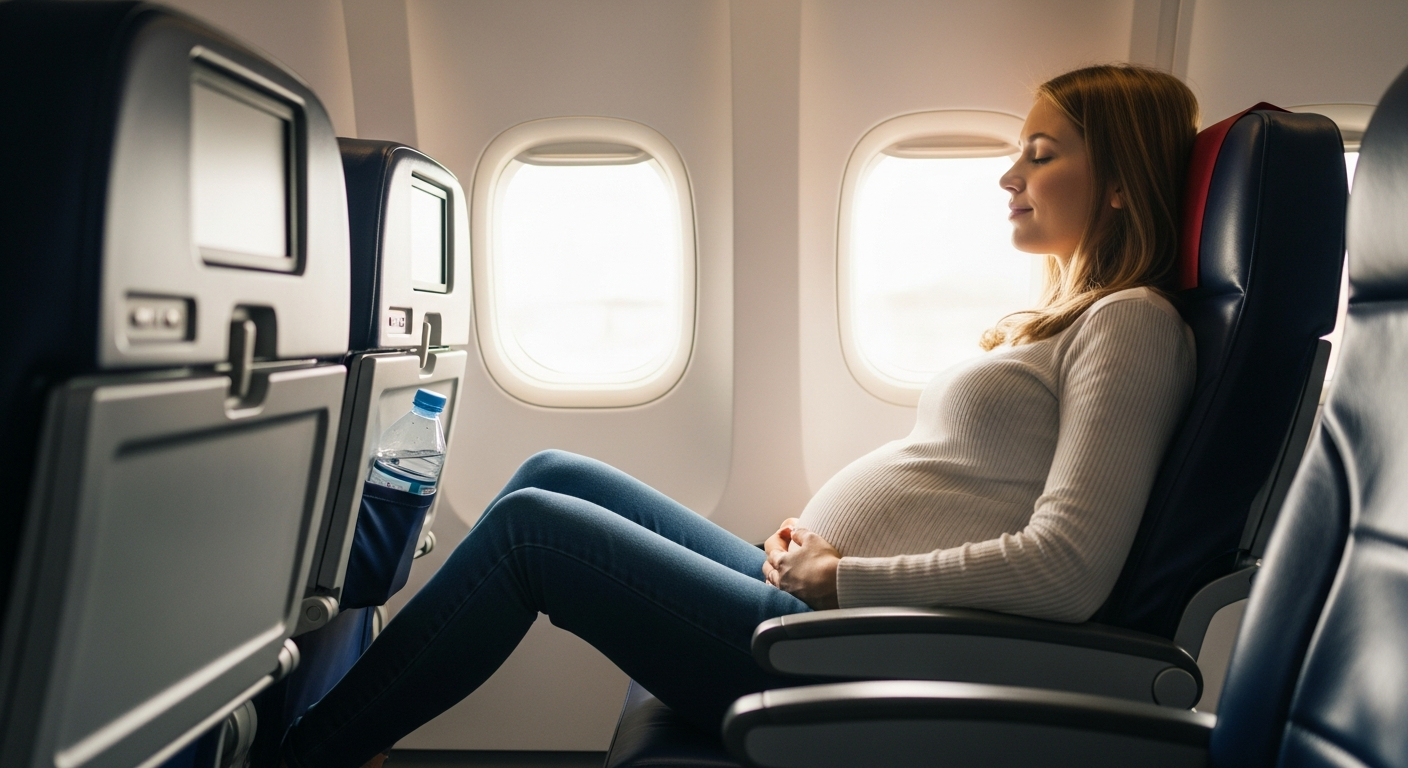
- Premature Labor: The risk of going into labor increases as you near full term. Being far from your regular healthcare provider or a suitable hospital can be a major concern.
- Deep Vein Thrombosis (DVT): Long periods of sitting, common during travel, can increase the risk of blood clots. Pregnancy itself raises this risk.
- High Blood Pressure or Preeclampsia: These conditions require close monitoring and can be aggravated by stress or changes in environment.
- Gestational Diabetes: Managing blood sugar levels can be more difficult with changes in diet and routine during travel.
Potential Complications
While rare, complications can arise. These might include unexpected bleeding, severe swelling, or sudden changes in your baby’s movement. Being in an unfamiliar place without immediate access to your medical history or a trusted doctor can complicate these situations. It’s vital to have a plan for how you would handle any medical emergency away from home.
Airline Policies: What You Need to Know Before You Fly
Airline policies are a critical factor when considering travel at 32 weeks pregnant. Most airlines have specific rules regarding travel in the later stages of pregnancy, primarily due to the increased risk of premature labor.
Domestic vs. International Travel Rules
Generally, domestic flights may have slightly more lenient policies than international flights. For many airlines, international travel is restricted after 28-32 weeks, while domestic travel might be permitted up to 36 weeks. However, these are general guidelines, and each airline’s policy can vary significantly.
Getting a Doctor’s Note
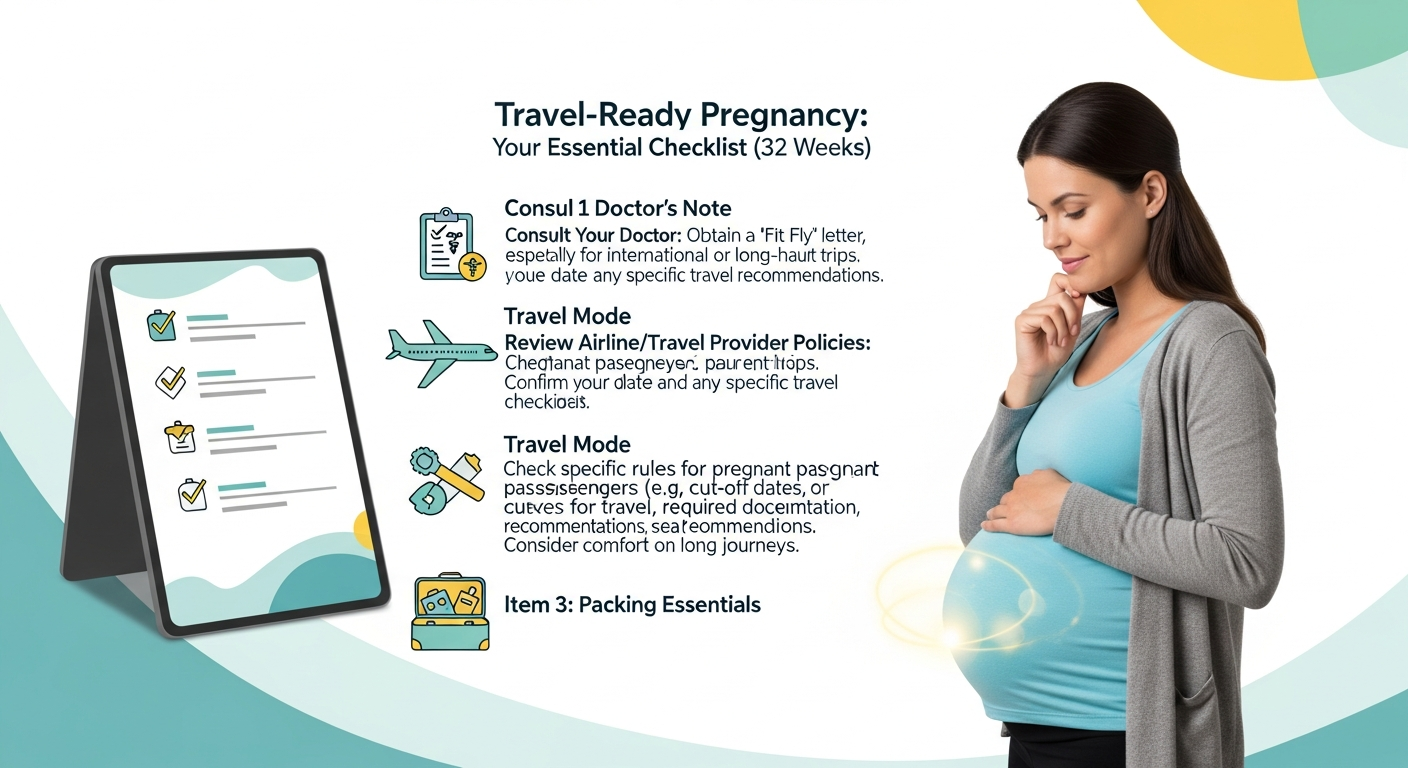
Almost all airlines require a doctor’s note for pregnant travelers after a certain point, often starting around 28 weeks. At 32 weeks pregnant, a doctor’s note is almost certainly mandatory. This note should:
- State that you are fit to fly.
- Confirm your estimated due date.
- Mention any specific medical conditions or precautions.
- Be dated within a few days (usually 72 hours) of your flight.
It’s crucial to carry multiple copies of this note, along with your medical records, in your carry-on luggage.
Major Airline Travel Policies (Example)
Here’s a simplified overview of what you might expect from major airlines. Always check with your specific airline before booking, as policies can change.
| Airline | Domestic Travel Policy (Approx.) | International Travel Policy (Approx.) | Doctor’s Note Requirement (Approx.) |
| American Airlines | Up to 36 weeks (single pregnancy) | Up to 36 weeks (single pregnancy) | Required after 28 weeks |
| Delta Air Lines | Up to 36 weeks (single pregnancy) | Up to 36 weeks (single pregnancy) | Advised after 28 weeks |
| United Airlines | Up to 36 weeks (single pregnancy) | Up to 36 weeks (single pregnancy) | Required after 28 weeks |
| Southwest Airlines | Up to 38 weeks (single pregnancy) | N/A (domestic only) | Advised after 28 weeks |
Note: Policies for multiple pregnancies are often stricter, typically limiting travel to earlier weeks. Always confirm directly with the airline.
Preparing for Your Trip: Essential Pre-Travel Checklist
Thorough preparation is your best friend when traveling at 32 weeks pregnant. A well-thought-out plan can reduce stress and increase your comfort and safety.
Consult Your Doctor
This is the most important step. Schedule an appointment with your obstetrician or midwife. Discuss your travel plans, destination, and any concerns you might have. Ask about specific precautions, medications you should carry, and what to do in case of an emergency at your destination. Confirm your due date and get that all-important doctor’s note.
Travel Insurance for Pregnancy
Standard travel insurance often excludes pregnancy-related complications, especially in the third trimester. Look for specialized travel insurance that explicitly covers unforeseen pregnancy complications, premature birth, and medical evacuation. Read the fine print carefully to understand what is and isn’t covered.
Packing Smart for Comfort
Your packing list at 32 weeks pregnant will look a little different. Focus on comfort, health, and preparedness:
- Comfortable Clothing: Loose-fitting, breathable layers are essential. Compression socks can help prevent swelling and DVT.
- Medications: Pack all prescribed medications, prenatal vitamins, and any over-the-counter remedies your doctor approves.
- Snacks and Water Bottle: Healthy snacks and a reusable water bottle are crucial for staying nourished and hydrated.
- Support Pillow: A small pillow for your back or neck can make long journeys more comfortable.
- Medical Documents: Doctor’s note, medical records, insurance information, and emergency contacts.
- Entertainment: Books, music, or podcasts can help pass the time and keep you relaxed.
During Your Journey: Tips for a Comfortable and Safe Experience
Once your travel plans are in motion, focus on making the journey itself as comfortable and safe as possible. Your well-being is the top priority.
Staying Hydrated and Nourished
Dehydration can lead to fatigue and even contractions. Drink plenty of water throughout your trip, especially on flights. Avoid sugary drinks and excessive caffeine. Pack nutrient-dense snacks like nuts, fruit, and whole-grain crackers to keep your energy levels stable and prevent nausea.
Preventing DVT (Deep Vein Thrombosis)
Long periods of inactivity increase your risk of blood clots. To minimize this risk:
- Move Frequently: Stand up and walk around every hour or two if flying or on a train. If driving, stop every hour for a short walk.
- Perform Leg Exercises: While seated, do ankle circles, foot pumps, and calf stretches every 30 minutes.
- Wear Compression Socks: These can significantly reduce swelling and improve blood flow in your legs.
Managing Discomfort
Pregnancy discomforts can be amplified during travel. Here are some tips:
- Frequent Breaks: Whether flying or driving, take breaks to stretch and use the restroom.
- Elevate Your Feet: If possible, elevate your feet to reduce swelling.
- Support Your Back: Use a pillow or rolled-up blanket for lumbar support.
- Dress in Layers: Body temperature can fluctuate, so layering allows you to adjust.
Alternative Travel Options: When Flying Isn’t Best
Sometimes, flying at 32 weeks pregnant isn’t feasible or recommended. Luckily, there are other ways to travel that might be more suitable for your condition.
Road Trips: Pros and Cons
Road trips offer flexibility and the ability to stop whenever needed. You can control your environment and pack more comforts. However, long hours of sitting can still be challenging. Ensure frequent stops, wear your seatbelt correctly (below your belly), and have someone else drive if possible.
Train Travel: A Relaxing Choice
Train travel can be a comfortable alternative. It often allows more space to move around, better restroom access, and a generally smoother ride compared to air or car travel. You can also enjoy the scenery without the stress of driving. Consider booking a seat with extra legroom or a private compartment if available.
Emergency Preparedness: What If Something Happens?
Even with the best planning, unexpected situations can arise. Being prepared for emergencies is crucial for peace of mind when traveling at 32 weeks pregnant.
Knowing Your Destination’s Medical Facilities
Before you leave, research hospitals and birthing centers near your destination. Note down their addresses and phone numbers. If you have any specific medical needs, check if these facilities can accommodate them. Having this information readily available can save critical time in an emergency.
Your Emergency Contact List
Create a clear list of emergency contacts. This should include:
- Your obstetrician or midwife.
- Your partner or a close family member.
- Your travel insurance emergency line.
- The local emergency services number at your destination.
Keep this list both on your phone and as a physical copy in your bag.
Conclusion
Traveling at 32 weeks pregnant is entirely possible with careful planning and adherence to medical and airline guidelines. Your health and your baby’s safety are paramount. By consulting your doctor, understanding airline policies, packing smart, and prioritizing your comfort and well-being during the journey, you can enjoy a safe and memorable trip.
Remember, listening to your body is key. If you feel unwell or uncomfortable, do not hesitate to adjust your plans or seek medical advice. With the right preparations, your journey can be a pleasant part of your pregnancy story. Safe travels!
Frequently Asked Questions (FAQ)
Q1: Can I fly at 32 weeks pregnant without a doctor’s note?
Most airlines require a doctor’s note for pregnant travelers after 28 weeks. At 32 weeks pregnant, it is highly unlikely you will be allowed to fly without a note from your doctor confirming your fitness to travel and your estimated due date. Always check with your specific airline before your trip.
Q2: What are the risks of flying at 32 weeks pregnant?
The main risks include the possibility of premature labor, increased risk of deep vein thrombosis (blood clots) due to prolonged sitting, and potential discomfort from swelling or fatigue. Access to immediate medical care can also be a concern if you are far from home.
Q3: Is it safe to travel long distances by car at 32 weeks pregnant?
Traveling long distances by car at 32 weeks pregnant can be safe, but requires frequent breaks. Stop every hour or two to walk around, stretch your legs, and use the restroom. Ensure your seatbelt is positioned correctly, with the lap belt under your belly and the shoulder belt across your chest. Stay hydrated and have snacks available.
Q4: What should I pack for a trip at 32 weeks pregnant?
Pack comfortable, loose-fitting clothing, compression socks, all your prescribed medications, prenatal vitamins, healthy snacks, a reusable water bottle, and a small support pillow. Crucially, don’t forget your doctor’s note and all relevant medical and insurance documents.
Q5: Does travel insurance cover pregnancy-related issues at 32 weeks?
Standard travel insurance often has exclusions for pregnancy-related complications, especially in the third trimester. It is essential to seek specialized travel insurance that explicitly covers unforeseen pregnancy complications, premature birth, and medical evacuation. Always read the policy details carefully.