Travel 2026: Navigating the Future of Exploration and Adventure
As we stand in March 2026, the world of travel has transformed in exciting and unexpected ways. The days of simply booking a flight and hotel are evolving into an era of hyper-personalized, sustainable, and technologically integrated journeys. Travelers are not just seeking destinations; they are looking for meaningful experiences, seamless processes, and a deeper connection with the places they visit.
This article will guide you through the groundbreaking shifts defining travel in 2026. From the moment you plan your trip to your return home, technology, sustainability, and personalization are reshaping every aspect of the adventure. Get ready to explore a future where your travel dreams are more accessible, responsible, and uniquely tailored than ever before. Let’s dive into what makes travel in 2026 truly remarkable.
Key Takeaways for Travel in 2026
- AI-Powered Personalization: Artificial intelligence now crafts itineraries, offers recommendations, and manages logistics with unprecedented precision, making every trip uniquely yours.
- Sustainability as Standard: Eco-conscious choices are no longer niche; they are integrated into transport, accommodation, and activities, reflecting a global commitment to responsible tourism.
- Seamless Biometric Experiences: From check-in to boarding, facial recognition and digital IDs create a friction-free travel flow, enhancing security and speed.
- Emerging Niche Adventures: Beyond traditional tourism, 2026 sees a rise in specialized experiences, including wellness retreats, transformative journeys, and even early forms of space tourism.
- Flexible and Adaptable Planning: Travelers prioritize adaptable booking options and comprehensive insurance, ready to navigate any unforeseen changes with ease and confidence.
Smart Travel Tech: Your New Best Friend
Technology continues to be the driving force behind the evolution of travel. In 2026, smart tech is not just a convenience; it is an indispensable partner, enhancing every step of your journey. From the moment you dream of a destination to your safe return, digital innovations are making travel more efficient, enjoyable, and secure.
AI-Powered Planning
Forget endless hours of research. Artificial intelligence is now your ultimate travel agent. AI platforms analyze your past travel history, preferences, budget, and even real-time global events to suggest perfectly tailored itineraries. These systems can book flights, accommodations, activities, and even recommend local dining spots, all with a few simple prompts. The result is a travel plan that feels truly bespoke, saving you time and stress.
Seamless Biometric Experiences
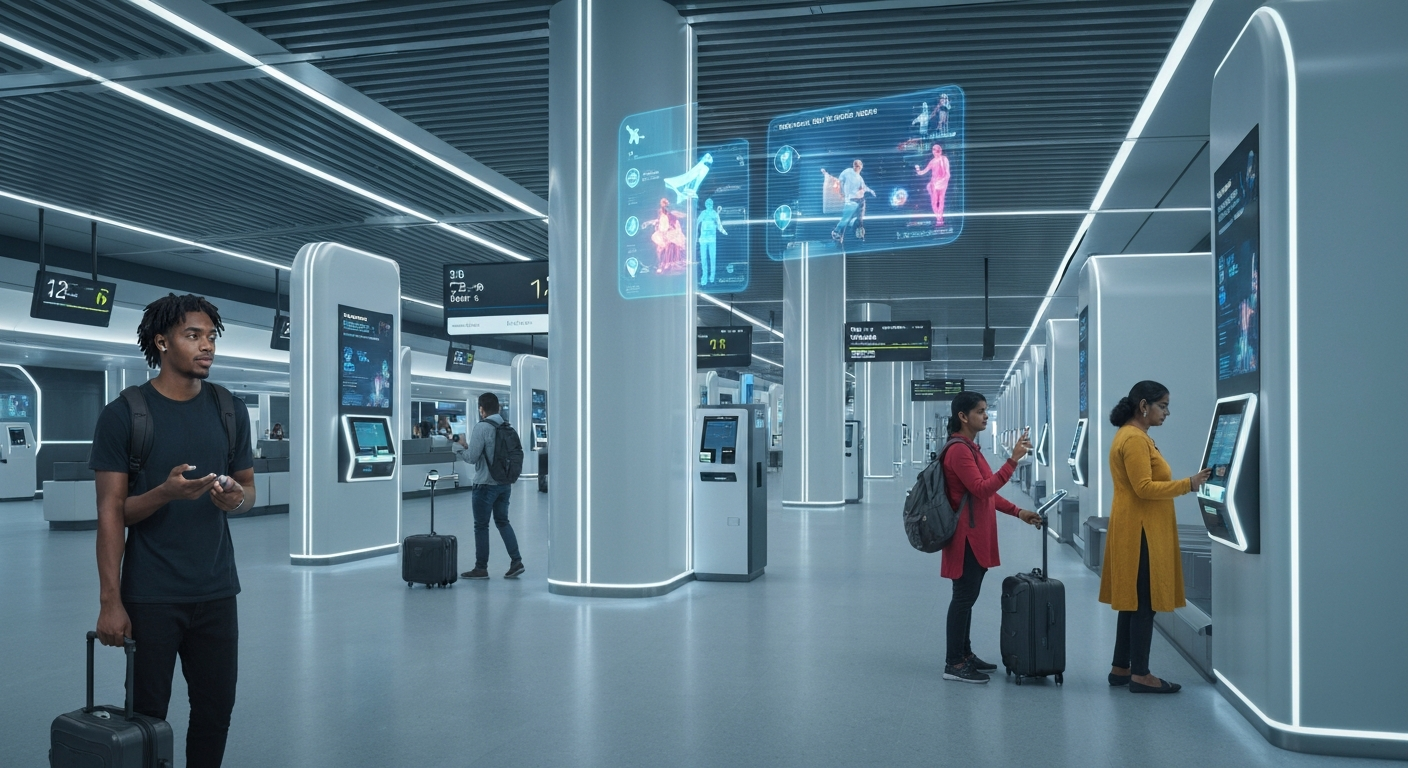
Queues and paperwork are becoming relics of the past. Biometric technology, primarily facial recognition and digital identity, streamlines airport processes. Imagine walking through security and boarding gates without ever needing to show a passport or ticket. Your face is your boarding pass, and your digital ID holds all necessary information securely. This not only speeds up transit but also enhances security measures, creating a smoother and safer journey for everyone.
Immersive VR/AR Tours
Before you even pack your bags, virtual reality (VR) and augmented reality (AR) offer incredible previews of your destination. Want to walk through the streets of Rome or explore a remote jungle lodge? VR allows you to experience it virtually, helping you make informed decisions. During your trip, AR apps can overlay historical information onto ancient ruins or provide real-time translation for local menus, enriching your understanding and engagement with the surroundings.
Sustainable Journeys: Traveling with Purpose
The environmental impact of tourism is a critical global concern, and 2026 sees sustainability move from a niche concept to a fundamental expectation. Travelers are increasingly conscious of their footprint, demanding eco-friendly options and supporting businesses that prioritize the planet and local communities.
Eco-Conscious Transport
Innovations in transportation are making greener travel a reality. Electric aircraft are becoming more common for shorter routes, while high-speed rail networks continue to expand, offering a low-carbon alternative to flying. For longer distances, airlines are investing heavily in sustainable aviation fuels (SAF) and more fuel-efficient aircraft designs. Many travel platforms now display the carbon footprint of different transport options, empowering travelers to make responsible choices.
Green Accommodations
Hotels and resorts are adopting rigorous environmental standards. From solar-powered energy and advanced water recycling systems to locally sourced food and zero-waste policies, green accommodations are the norm. Certifications for sustainable practices are widely recognized, helping travelers easily identify and support properties committed to ecological preservation. Many establishments also offer incentives for guests who participate in eco-friendly initiatives.
Local Community Impact
Responsible tourism in 2026 emphasizes giving back to the places we visit. Travelers are seeking experiences that directly benefit local economies and cultures. This includes staying in locally owned guesthouses, eating at community-run restaurants, and participating in cultural tours led by local guides. Many tour operators now integrate community development projects into their itineraries, ensuring tourism contributes positively to the well-being of residents.
Personalized Adventures: Tailored Just for You
The era of one-size-fits-all travel is over. In 2026, experiences are designed to perfectly match individual desires, passions, and even moods. Technology and a deeper understanding of traveler psychology enable truly unique and memorable journeys.
Hyper-Personalized Itineraries
Beyond AI planning, itineraries are now adapting in real-time. Imagine your travel app suggesting a different museum based on the weather, or recommending a quiet cafe because it senses you’re looking for a moment of calm. These dynamic itineraries respond to your evolving preferences and local conditions, ensuring every moment of your trip is optimized for your enjoyment. Data analytics and machine learning make this level of personalization possible.
Niche Travel Experiences
The definition of adventure has broadened considerably. Travelers are seeking highly specific, passion-driven trips. This could mean a culinary tour focused on ancient grains, a photography expedition to capture rare wildlife, or a historical deep-dive into a specific era. Specialist travel agencies are thriving, catering to these unique interests and connecting like-minded individuals with expert guides. The focus is on depth and authenticity, rather than just sightseeing.
Wellness and Transformative Trips
More people are traveling with a focus on personal growth and well-being. Wellness retreats offering yoga, meditation, and holistic health practices are popular. Transformative journeys, designed to challenge perceptions and foster new perspectives, are also gaining traction. These might involve volunteering, cultural immersion, or even silent retreats in remote locations. The goal is to return home not just refreshed, but genuinely changed.
Emerging Destinations and Reimagined Classics
While popular destinations continue to draw crowds, 2026 also shines a spotlight on lesser-known gems and innovative urban spaces. The desire for unique experiences is leading travelers off the beaten path, while familiar cities are reinventing themselves with smart infrastructure and cultural revitalization.
Off-the-Beaten-Path Gems
Remote regions, once difficult to access, are becoming more viable for tourism thanks to improved infrastructure and sustainable travel initiatives. Travelers are exploring pristine natural landscapes, untouched cultural sites, and communities eager to share their heritage. These destinations offer a sense of discovery and a chance to experience authentic local life away from the crowds. Responsible tourism guidelines are often in place to protect these fragile environments.
Urban Renewal and Smart Cities
Major cities are transforming into ‘smart cities,’ using technology to enhance urban living and visitor experiences. Think intelligent public transport, interactive digital guides, and green spaces integrated throughout the urban fabric. Many cities are also undergoing cultural renewal, revitalizing historic districts and creating vibrant new arts and entertainment hubs. This blend of tradition and innovation makes urban exploration in 2026 dynamic and engaging.
Space and Sub-Orbital Tourism
While still in its early stages, space tourism is no longer just a futuristic dream. Companies are offering sub-orbital flights, allowing a select few to experience the edge of space and breathtaking views of Earth. For those not quite ready for orbit, luxury stratospheric balloon flights provide a gentler ascent to near-space, offering a unique perspective without the intensity of rocket travel. This frontier of tourism is rapidly expanding, promising truly out-of-this-world experiences in the coming years.
Navigating the New Travel Landscape
Understanding the evolving landscape of travel is key to a smooth and enjoyable journey in 2026. From health considerations to booking flexibility, new norms are in place to ensure traveler safety and peace of mind.
Evolving Health Protocols
Global health security remains a priority. While specific requirements may vary by destination, travelers can expect continued emphasis on digital health credentials, enhanced cleaning protocols in public spaces, and accessible health services. Many countries have integrated digital health passports into their entry requirements, simplifying the process and ensuring a safer environment for all. Staying informed about destination-specific guidelines is crucial.
Flexible Booking and Insurance
The lessons from recent years have cemented the importance of flexibility. Travel providers offer more adaptable booking policies, allowing changes or cancellations with minimal penalties. Comprehensive travel insurance is also more robust, covering a wider range of unforeseen circumstances, including health emergencies and travel disruptions. Investing in flexible options provides peace of mind, allowing travelers to plan with confidence.
The Role of Digital Identity
Your digital identity is becoming central to your travel experience. Beyond biometrics at the airport, secure digital profiles store your travel preferences, loyalty program details, and essential documents. This streamlines everything from hotel check-ins to car rentals, making transactions faster and more secure. Protecting your digital identity through strong passwords and secure networks is more important than ever.
Comparison: Traditional Travel vs. Travel 2026
| Feature | Traditional Travel (Pre-2020) | Travel 2026 |
| **Planning** | Manual research, guidebooks, travel agents | AI-powered platforms, real-time dynamic itineraries, virtual tours |
| **Booking** | Fixed packages, limited flexibility, paper tickets | Flexible options, digital passes, biometric check-in, dynamic pricing |
| **Experience** | General tours, popular sights, often generic | Hyper-personalized, niche adventures, transformative journeys, local immersion |
| **Technology** | GPS maps, basic online booking, limited connectivity | Biometrics, AR/VR, smart wearables, seamless digital integration |
| **Sustainability** | Emerging concern, often an add-on, limited options | Integrated, eco-certified options, carbon footprint tracking, community focus |
| **Health & Safety** | Basic travel insurance, standard health checks | Digital health credentials, enhanced protocols, comprehensive insurance |
—
“The future of travel isn’t just about reaching a destination; it’s about the journey itself becoming an extension of our digital lives, deeply personalized, and consciously responsible. In 2026, every trip is a statement of who we are and what we value.”
*Dr. Anya Sharma, Futurist and Travel Analyst*
—
Conclusion
Travel in 2026 is a vibrant tapestry woven with technology, sustainability, and personal aspirations. We are moving towards a future where every journey is not just a trip, but a curated experience designed to enrich, inspire, and connect. From the frictionless ease of biometric check-ins to the profound impact of eco-conscious choices, the landscape of exploration continues to evolve at a rapid pace.
Embrace these changes, stay informed, and prepare for adventures that are more meaningful, efficient, and tailored than ever before. The world is waiting, ready to be discovered in new and exciting ways, making travel in 2026 a truly unforgettable experience for all.
FAQ: Your Questions About Travel in 2026 Answered
Q1: How will AI change how I plan my trip in 2026?
A1: AI will revolutionize trip planning by acting as a highly sophisticated personal travel assistant. It will analyze your past preferences, budget, and real-time conditions to create hyper-personalized itineraries, recommend activities, and even manage bookings, saving you significant time and effort. You’ll interact with AI platforms that learn and adapt to your unique travel style.
Q2: Is sustainable travel significantly more expensive in 2026?
A2: Not necessarily. While some premium eco-friendly options might exist, sustainable practices are becoming mainstream. Many travel providers are integrating green solutions that are cost-effective in the long run, and consumer demand is driving competitive pricing for eco-conscious transport and accommodations. Often, supporting local businesses for a more sustainable trip can even be budget-friendly.
Q3: What new technologies can I expect at airports in 2026?
A3: Airports in 2026 will heavily feature biometric identification, such as facial recognition, for seamless check-in, security, and boarding processes, reducing the need for physical documents. You’ll also see more advanced baggage handling systems, smart signage, and potentially even robotic assistance for various tasks, all aimed at improving efficiency and passenger experience.
Q4: Are there any new types of travel experiences popular in 2026?
A4: Absolutely! Beyond traditional tourism, 2026 sees a surge in niche and transformative travel. This includes highly specialized passion-driven tours (e.g., specific culinary or historical interests), wellness and mindfulness retreats, and even early forms of space and sub-orbital tourism. Travelers are seeking deeper, more personal, and often educational experiences.
Q5: How important is travel insurance in 2026 with all these changes?
A5: Travel insurance remains highly important, and perhaps even more so with the increased complexity and evolving global landscape. Policies in 2026 are generally more comprehensive, covering a wider range of potential disruptions, including health emergencies, unexpected itinerary changes, and other unforeseen events. Investing in robust travel insurance provides essential peace of mind for any journey.