Imagine waking up in a charming European city, exploring ancient streets, savoring local flavors, all for about the price of a fancy coffee. Sound like a dream? For March 27, 2026, and beyond, ultra-budget travel across Europe for around 10 euros a day is not just a fantasy; it’s an achievable reality. This comprehensive guide equips you with strategies, insights, and practical tips to transform your travel dreams into tangible, wallet-friendly experiences. We’ll dive deep into navigating transportation, finding affordable accommodation, eating deliciously on a shoestring, and discovering incredible free activities. Get ready to redefine your travel expectations and embark on an unforgettable journey without breaking the bank.
Key Takeaways:
- Prioritize free activities and embrace local culture.
- Master public transport and consider alternative travel methods like hitchhiking or ride-sharing.
- Cook your own meals or seek out local markets and budget eateries.
- Utilize free accommodation options like couchsurfing or house-sitting.
- Choose less popular, budget-friendly destinations in Eastern and Southern Europe.
The 10 Euro Travel Challenge: Is it Really Possible?
Redefining “Travel” on a Budget
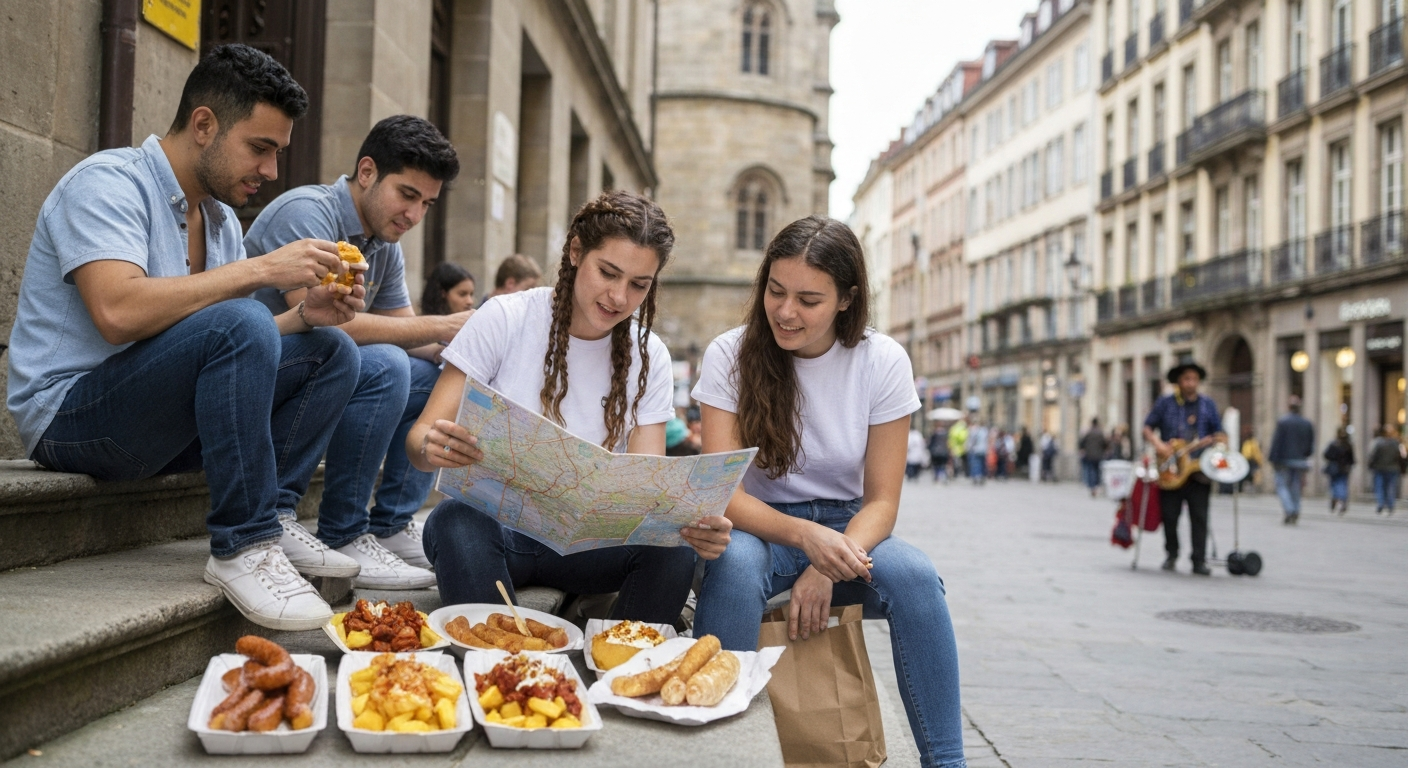
Many associate European travel with high costs. However, 10 euro travel isn’t about cutting corners on experiences, but redefining what ‘travel’ means. It’s about embracing simplicity, local living, and resourcefulness. This shifts focus from lavish spending to authentic immersion. Think hostel dorms, market picnics, and free walking tours. It’s an adventure in itself, teaching valuable life skills and offering unique perspectives you won’t find on a standard tourist itinerary.
Mindset Matters: The Art of Frugality
Success in 10 euro travel starts with your mindset. Be open, flexible, and comfortable making smart, frugal choices. This isn’t deprivation; it’s intelligent allocation of limited funds. Every euro saved can enrich your journey. A frugal mindset encourages creativity – spotting deals, negotiating, and finding free alternatives. It’s a game of strategy, and with the right approach, you’ll find immense satisfaction in proving incredible adventures don’t require deep pockets.
Smart Planning: Your Foundation for Ultra-Low-Cost Journeys
Transportation Hacks: Moving for Less
Transportation can be a budget killer. Master low-cost movement with long-distance buses like FlixBus, which are cheaper than trains or flights. Book well in advance for better deals. For shorter distances, local public transport is affordable, especially with multi-day passes. Walking and cycling are free and offer intimate exploration. Consider ride-sharing or ethical hitchhiking for longer distances. Flexibility and research are key to finding the cheapest options.
| Method | Average Cost (per trip) | Best Use Case | Tips for Savings |
| **Walking** | Free | Exploring cities, short distances | Wear comfortable shoes, use offline maps |
| **Cycling** | Free (own bike) / Low | Urban exploration, scenic routes | Rent for a day, check free bike schemes |
| **Local Bus/Tram** | 1-3 Euros | City commutes, short inter-city | Buy multi-day passes, avoid peak hours |
| **Long-Distance Bus** | 5-20 Euros (varies) | Inter-city, cross-country | Book weeks in advance, use discount codes |
| **Ride-Sharing** | Varies (e.g., BlaBlaCar) | Longer distances, specific routes | Share costs, meet locals, check reviews |
| **Hitchhiking** | Free | Rural areas, open to adventure | Safety first, use common sense, research local norms |
Accommodation Alternatives: Beyond the Hostel
Sleeping for free or very cheaply is crucial. While hostels offer dorms, even cheaper alternatives exist. Couchsurfing offers free stays with locals, providing unique cultural exchange. House-sitting provides free accommodation for caring for a home and pets. Wild camping (where permitted) or basic campsites are incredibly cheap. Look for community-run guesthouses or religious institutions for low-cost lodging. Always prioritize safety and read reviews. Finding a safe, free place to rest your head is a major budget victory.
Food Strategies: Eating Well Without Breaking the Bank
Food can quickly drain your budget. The most effective strategy is to cook your own meals. Stay in accommodations with kitchen access and shop at local supermarkets or farmers’ markets for affordable ingredients. For eating out, seek local bakeries for cheap breakfasts, street food vendors for lunch, and ‘daily specials’ at small, non-touristy restaurants. Picnics in parks are budget-friendly and delightful. Free food apps can also help. Hydrate with tap water or a reusable bottle.
Unlocking Free and Cheap Activities Across Europe
Embrace the Outdoors: Parks, Hikes, and Public Spaces
Europe is rich with natural beauty and stunning public spaces that cost nothing. Explore vast city parks, hike picturesque trails in national parks, or stroll along rivers and canals. Public squares often host free street performers and offer vibrant atmospheres. Embrace simple pleasures like observing daily life, sketching, or reading in a scenic spot. These experiences provide profound cultural insights and memorable moments without spending a single euro, connecting you deeply with the environment.
Cultural Immersion on a Budget: Free Museums and Walking Tours
Culture doesn’t have to be expensive. Many European cities offer free museum admission on specific days or hours; always check websites. Free walking tours, run by locals for tips, are excellent for learning history and landmarks. Explore churches, cathedrals, and public libraries for stunning architecture and historical significance, usually free to enter. Simply wandering through old towns and soaking in the atmosphere is an enriching experience that costs nothing, offering deep cultural insights.
Local Events and Festivals: Authentic Experiences
Keep an eye out for free local events and festivals. From outdoor concerts and art exhibitions to traditional markets and parades, these offer authentic glimpses into local life. Check tourism websites or ask residents for information. Often free to attend, with optional spending on food or souvenirs, participating in local celebrations is a memorable and cost-effective way to connect with a destination. Witness traditions, hear local music, and feel the community’s pulse without hefty entrance fees.
Destination Deep Dive: Where Your 10 Euros Go Furthest
Eastern Europe: The Budget Traveler’s Paradise
For 10 euro travel, Eastern Europe is ideal. Countries like Bulgaria, Romania, Serbia, and parts of Poland and Hungary offer significantly lower costs for accommodation, food, and transport. Cities such as Sofia, Bucharest, Belgrade, and Krakow provide rich history, vibrant culture, and delicious cuisine at a fraction of Western European prices. Your 10 euros stretch further here, allowing more experiences with less financial stress. Destinations are authentic, less crowded, and often offer warm hospitality.
Southern Europe: Sun, Sea, and Savings
Certain parts of Southern Europe can also be budget-friendly. While popular coastal regions are expensive, venturing inland or to less-traveled islands saves money. Portugal, outside major cities, offers great value. Albania, Montenegro, and North Macedonia along the Balkan coast and inland are emerging as fantastic budget destinations with stunning landscapes. Embrace local guesthouses, dine at family-run tavernas, and enjoy the Mediterranean lifestyle affordably. Visiting during shoulder seasons (spring or autumn) also yields better deals and fewer crowds.
Lesser-Known Gems: Avoid Tourist Traps
A key strategy is avoiding heavily touristed cities and regions, especially during peak season. Instead, seek smaller towns, secondary cities, or countries off the main tourist trail. Places like Slovenia, Latvia, Lithuania, or lesser-known regions of France or Germany offer incredible value. These destinations provide a more authentic experience with lower prices for everything. Researching hidden gems uncovers unique adventures fitting perfectly within your strict budget. Be adventurous in your choices for rewarding experiences.
Essential Tools and Apps for the Savvy Budget Traveler
Navigation and Public Transport Apps
Your smartphone is your best travel companion. Apps like Google Maps, Citymapper, and Moovit are indispensable for navigating public transport and finding routes. Download offline maps to save data and ensure constant navigation, even without internet. Efficiently using local transport saves time and money. Many cities have dedicated public transport apps offering real-time updates and discounted ticket purchasing options, streamlining your movement.
Money Management and Budget Tracking
Staying within your 10 euro daily budget requires diligent tracking. Apps like Spendee or TravelSpend, or a simple spreadsheet, help monitor expenses in real-time. Categorize spending to see where money goes and identify adjustments. Using a travel-friendly debit card with no foreign transaction fees, like Revolut or N26, saves on ATM withdrawals and currency exchange. Always carry local cash for small purchases or places not accepting cards.
Community and Sharing Economy Platforms
Leverage the sharing economy. Couchsurfing is excellent for free accommodation and cultural exchange. BlaBlaCar connects you with drivers for ride-sharing, splitting fuel costs. Local Facebook groups for travelers offer tips on free events or meet-ups. Websites like Workaway or Worldpackers provide free accommodation and food in exchange for a few hours of work, perfect for extending stays cheaply. These platforms foster connection and significantly save money.
Overcoming Challenges: Staying Safe and Sane on a Shoestring
Unexpected Costs: Building a Small Buffer
Even meticulous budget travelers encounter unexpected costs. A sudden need for medicine, a minor backpack repair, or transport delay can quickly deplete your 10 euro budget. It’s wise to have a small emergency fund, perhaps 50-100 euros, separate from your daily budget. This acts as a safety net, preventing minor mishaps from derailing your trip. It provides peace of mind; if unused, even better, but having it is crucial for smooth travel.
Health and Safety: Prioritizing Well-being
Your health and safety are paramount. Research local safety conditions before you go. Be aware of surroundings, especially in crowded areas, and protect belongings. Travel insurance, even basic, is highly recommended for medical emergencies. Carry a small first-aid kit. Stay hydrated and eat nutritious food. Never compromise well-being for savings. A healthy traveler is a happy and capable traveler, ready to make the most of every experience without unnecessary risks.
The Art of Saying “No”: Sticking to Your Budget
Traveling on a strict budget often means tough choices. You might need to decline an expensive souvenir, a paid attraction, or a spontaneous night out exceeding your limit. This isn’t about missing out; it’s prioritizing overall travel goals. Remind yourself of the bigger picture: experiencing Europe authentically and affordably. Be firm with your budget, but allow for occasional, well-considered splurges if they truly enhance your experience. Balance comes from conscious decision-making, aligning every euro with your travel philosophy.
“The real adventure isn’t in how much you spend, but in how creatively you experience the world. Budget travel forces you to look beyond the obvious, connect with locals, and discover the true soul of a place.”
Conclusion
Traveling Europe on 10 euros a day might seem daunting, but with the right mindset, strategic planning, and willingness to embrace local living, it’s incredibly rewarding. From mastering low-cost transport and creative accommodation to savoring budget-friendly meals and discovering free cultural gems, every choice contributes to an unforgettable adventure. This approach fosters resourcefulness, resilience, and a deeper appreciation for the world. So, pack your bags, prepare your budget, and get ready to unlock the magic of Europe, one affordable day at a time. Your next great adventure awaits!
Frequently Asked Questions (FAQ)
- Q: Is 10 euro travel realistic for all of Europe?
- A: While challenging in Western European capitals, it’s highly realistic in Eastern and parts of Southern Europe. Success depends on flexibility, planning, and embracing budget-friendly options like Couchsurfing and cooking your own meals.
- Q: How can I find free accommodation consistently?
- A: Couchsurfing is the primary method for free stays with locals. House-sitting, volunteering (Workaway, Worldpackers), and wild camping (where legal and safe) are other options. Hostels remain a budget-friendly paid alternative.
- Q: What are the biggest challenges of 10 euro travel?
- A: Challenges include unexpected expenses, fatigue from constant budget management, and sacrificing comfort. Flexibility, a small emergency fund, and a positive attitude are key to overcoming these.
- Q: Can I still experience culture on such a tight budget?
- A: Absolutely! Many cultural experiences like free walking tours, public museums on free days, exploring parks, attending local festivals, and simply observing daily life cost nothing and offer deep immersion.
- Q: What’s the most important tip for a 10 euro traveler?
- A: The most important tip is to be adaptable and embrace resourcefulness. Every euro saved is an opportunity for a new experience. Prioritize free activities, local food, and walking, and you’ll find incredible value.