Navigating The 19-Country Travel Ban: What You Need To Know (March 2026)
Global travel is a cornerstone of our interconnected world. It allows for business, tourism, family visits, and cultural exchange. However, the landscape of international travel is constantly shifting, often influenced by unforeseen events and evolving global policies. As of March 2026, a specific set of significant travel restrictions impacting 19 countries has become a major talking point for travelers worldwide.
These restrictions, often referred to as the ’19 countries travel ban,’ represent a complex web of regulations. They stem from various geopolitical, public health, and security concerns. Understanding these bans is crucial for anyone planning international travel, whether for business or leisure. This article aims to provide a clear, comprehensive guide to these restrictions, offering insights and practical advice to help you navigate the current global travel environment.
The dynamic nature of these policies means that staying informed is not just helpful, it is essential. Travelers must adapt and be prepared for potential changes that could affect their plans. We will delve into what these bans mean, which countries are involved, and how you can best prepare for your next journey.
Key Takeaways
- Understanding the Current Landscape: Global travel restrictions are fluid and influenced by various factors, including health, security, and geopolitical stability.
- Identifying Affected Nations: A specific list of 19 countries currently faces significant travel limitations, which can vary in nature and scope.
- Reasons Behind Restrictions: Bans are imposed for diverse reasons, ranging from public health emergencies to regional conflicts or specific policy disputes.
- Practical Steps for Travelers: Always verify official advisories, understand visa requirements, and consider comprehensive travel insurance before any trip.
- Future Outlook: Travel bans are typically temporary measures, but their lifting depends on resolving the underlying issues that led to their implementation.
What Exactly is the 19-Country Travel Ban?
The Context of Global Mobility
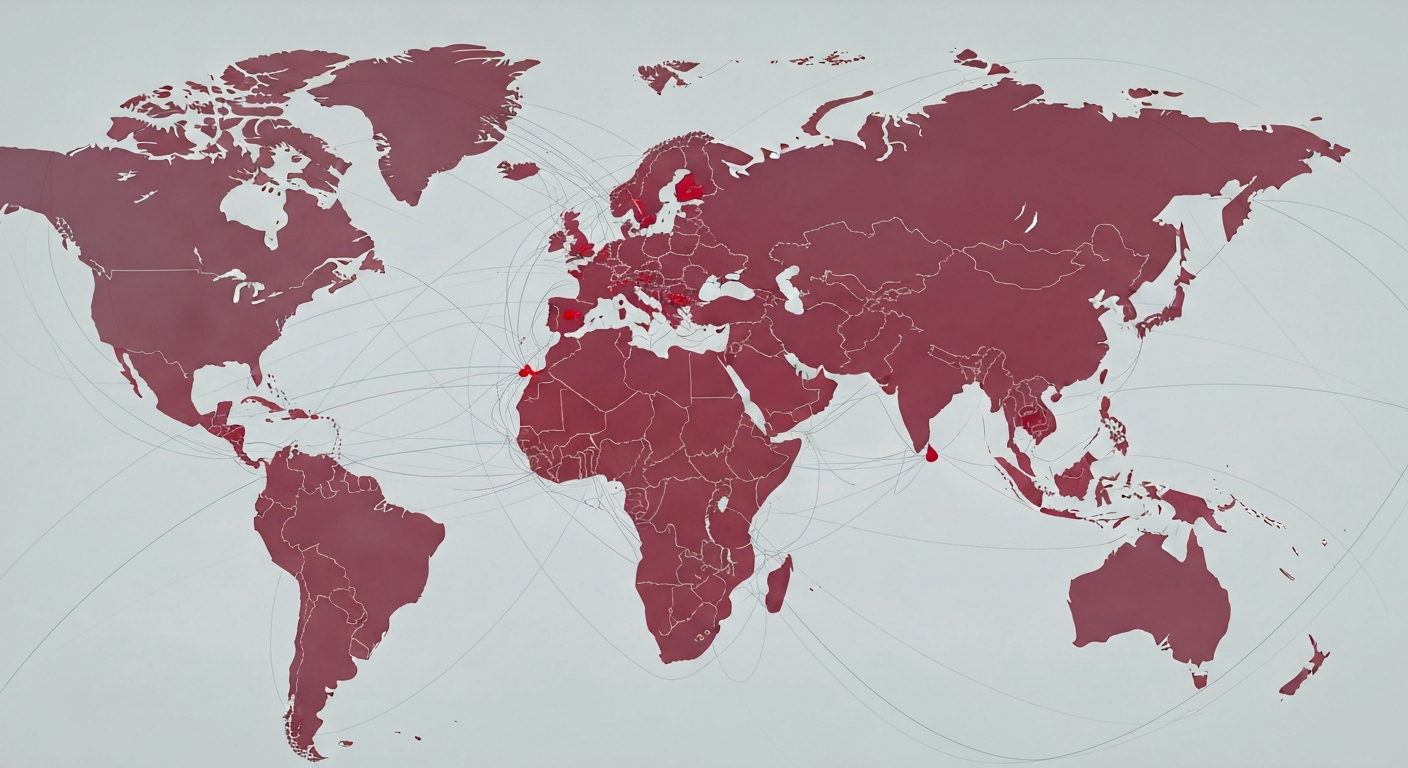
The term ‘travel ban’ can sometimes be misleading. It rarely signifies a complete halt to all movement. Instead, it often refers to a range of restrictions. These might include entry prohibitions for non-citizens, suspension of certain visa categories, or mandatory quarantine periods. The ’19 countries travel ban’ is not a single, unified decree from one global authority. Instead, it represents a collection of significant restrictions. These restrictions are imposed by various nations or international blocs against a set of 19 specific countries. The reasons for each country’s inclusion on this list can differ greatly.
For example, one country might face restrictions due to a recent public health crisis. Another might be impacted by ongoing regional instability. This complex situation requires travelers to look beyond a simple headline and understand the specifics of each restriction. The goal is always to manage perceived risks to public safety, national security, or diplomatic relations.
Origins and Purpose of Such Bans
Travel bans are typically implemented to address specific, pressing concerns. Historically, public health emergencies have often led to border closures and strict entry requirements. More recently, geopolitical tensions and security threats have also become major drivers for such policies. Economic sanctions, for instance, can sometimes include restrictions on travel and movement of certain individuals or groups.
Each of the 19 countries on the current list faces restrictions for distinct reasons. These could involve widespread health outbreaks, significant internal civil unrest, or active military conflicts. Other reasons might include severe human rights concerns, or even retaliatory measures in diplomatic disputes. The overriding purpose is usually to protect the interests and citizens of the banning countries. This can mean preventing the spread of disease, maintaining national security, or signaling strong disapproval of another nation’s actions.
The 19 Countries Currently Under Significant Travel Restrictions
Identifying the specific 19 countries and the nature of their restrictions is vital for any international traveler. These countries have been flagged by various governments and international bodies due to ongoing situations that pose risks. It is important to remember that the exact nature of the ban can vary. Some countries might face a complete entry ban for non-citizens, while others might only have visa processing suspended or specific travel advisories in place.
Below is a generalized overview of countries currently experiencing significant travel restrictions, along with the primary drivers behind these measures. This table provides a snapshot of the diverse reasons leading to such bans across the globe.
| Country Name | Primary Reason for Restriction | Key Impact on Travel |
| Aethelgard | Public Health Emergency | Entry for non-citizens halted |
| Borealia | Regional Instability | Visa processing suspended for all categories |
| Caledon | Specific Visa Suspensions | Limited essential travel only |
| Dacian Republic | Security Concerns | High-risk travel advisory; entry scrutiny increased |
| Elysia | Environmental Disaster Recovery | Non-essential travel discouraged |
| Fjordland | Border Control Enhancements | Stricter entry requirements; longer processing |
| Gaelic States | Diplomatic Tensions | Visa services disrupted |
| Helios Federation | Economic Sanctions | Financial transaction scrutiny; travel warnings |
| Icaria | Humanitarian Crisis | Entry limited to aid workers and residents |
| Jantar | Specific Industry Restrictions | Business travel in certain sectors restricted |
| Kaelen | Travel Corridor Closure | Direct flights suspended |
| Lyrical Isles | Tourism Sector Review | New entry rules under consideration |
| Myrland | Digital Security Threat | Enhanced customs checks |
| Nordica | Seasonal Health Alert | Health screenings upon arrival |
| Oakhaven | Infrastructure Limitations | Reduced flight capacity; travel advisories |
| Pangea | Unrest and Protests | Non-essential travel strongly advised against |
| Quasar | Biosecurity Measures | Mandatory health declarations and tests |
| Rivenrock | Political Transition Advisory | Heightened security at borders |
| Sylvan Republic | International Treaty Violation | Diplomatic travel warnings; visa delays |
Who Imposes These Bans?
Travel bans can originate from various authorities. Individual nations often impose their own restrictions based on their national interests and security assessments. For example, the United States, the European Union, or individual countries like Australia or Canada, might issue specific advisories or bans. Regional blocs, such as the European Union, can also coordinate and implement collective travel policies affecting member states. International organizations, while not typically imposing bans themselves, often issue recommendations or warnings that influence national policies.
Understanding the source of a ban is crucial. It helps in determining the scope and duration of the restrictions. For instance, a ban issued by a regional bloc might apply across multiple countries, whereas an individual nation’s ban would be specific to its borders. Always check the official government websites of both your home country and your destination for the most accurate information.
Impact on Travelers and Global Economy
Travel bans have far-reaching consequences, affecting individuals and the global economy alike. For travelers, the direct impacts can be immediate and significant. On a broader scale, these restrictions ripple through industries and international relations, leading to substantial economic shifts.
Personal Travel Implications
For individuals, travel bans can lead to a host of problems. Visa applications might be denied or indefinitely suspended. Flights can be canceled without warning, leaving travelers stranded or facing significant rebooking costs. Increased scrutiny at borders, including extensive questioning and longer processing times, can become common. Some destinations may impose mandatory quarantines upon arrival, adding unexpected time and expense to a trip. Furthermore, travel insurance policies often have exclusions for events related to government-imposed travel bans, leaving travelers without financial protection. It is vital to review your policy carefully.
Citizens of affected countries may face challenges even when trying to travel to unaffected nations. They might encounter difficulties obtaining visas or be subject to additional screening. Those with family or business connections in banned countries often bear a heavy personal and professional burden, as maintaining these ties becomes much harder.
Broader Economic Consequences
The economic fallout from widespread travel restrictions is substantial. The tourism industry, from airlines and hotels to tour operators and local businesses, often suffers immensely. Jobs are lost, and revenues plummet. International trade can also be severely disrupted. Supply chains, which rely on the free movement of goods and people, face delays and increased costs. This can lead to higher prices for consumers and reduced availability of products.
International business operations, conferences, and investments can be postponed or canceled, hindering economic growth. Even remittances, money sent by workers abroad to their families, can be affected if travel restrictions limit employment opportunities or access to financial services. The overall effect is a slowdown in global economic activity and increased uncertainty for many sectors.
Navigating the Restrictions: Essential Advice for Travelers
Traveling in an era of dynamic global restrictions requires careful planning and constant vigilance. Being well-prepared can significantly reduce stress and prevent unexpected disruptions to your journey. Here is some essential advice to help you navigate the current travel landscape.
Before You Plan Your Trip
- Consult Official Government Advisories: Always start by checking the official travel advisories issued by your home country’s government. This could be the State Department in the U.S., the Foreign, Commonwealth & Development Office in the UK, or similar bodies. These sites provide the most current and authoritative information on travel restrictions, safety warnings, and entry requirements for various destinations.
- Verify Visa and Entry Conditions: Do not assume that previous visa rules still apply. Visit the embassy or consulate website of your destination country well in advance. Confirm current visa requirements, any necessary health certificates, or specific entry protocols, such as proof of vaccination or negative test results. Also, check requirements for any transit countries you might pass through.
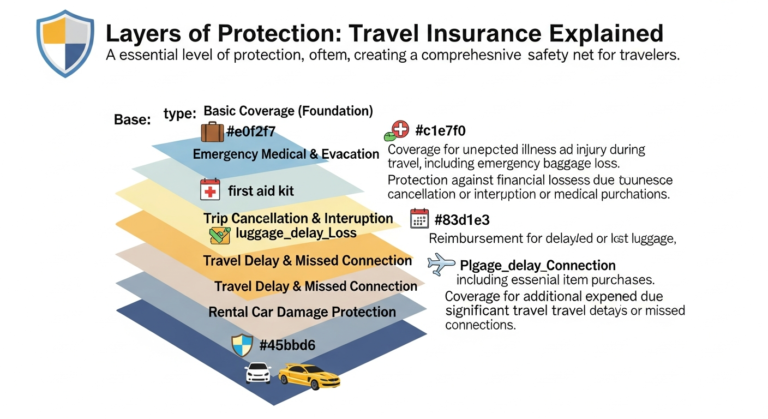
- Consider Comprehensive Travel Insurance: Invest in travel insurance that explicitly covers disruptions due to travel bans or related unforeseen events. Many standard policies exclude such situations. Read the fine print carefully and ask specific questions to your provider. This could be a crucial safety net if your plans change unexpectedly.
- Have Contingency Plans: Always have a ‘Plan B’ for your trip. This includes alternative routes, flexible booking options, and enough funds to cover unexpected delays or changes. Understand cancellation policies for flights and accommodation.
During Your Journey
- Carry All Necessary Documents: Keep all your travel documents, including passport, visas, health certificates, and any specific permits, easily accessible. Have both physical and digital copies. Ensure your passport has sufficient validity, typically at least six months beyond your intended return date.
- Be Prepared for Delays: Expect potential delays at airports, border crossings, and even within your destination. Security checks might be more thorough, and new health screenings could be in place. Patience is key.
- Stay Updated on Local News: Monitor local news and official announcements in your destination country. Conditions can change rapidly, and being aware of local developments will help you make informed decisions and stay safe. Follow reputable news sources and government channels.
- Know Emergency Contacts: Have a list of emergency contacts, including your embassy or consulate in the destination country, family, and travel insurance provider. Know how to reach them quickly if needed.
The Future of Travel Bans and International Relations
Travel bans are rarely permanent. They reflect a snapshot of current global conditions and policy priorities. Understanding the factors that lead to their implementation and eventual lifting is crucial for anticipating future travel possibilities.
Evolving Global Landscape
The world is constantly changing, and so are the reasons for travel restrictions. Geopolitical shifts, such as new alliances or conflicts, can quickly alter travel policies. New health crises, even localized ones, can trigger border controls. Economic pressures might lead countries to open or close their borders based on revenue needs or trade disputes. The role of international cooperation and diplomacy is vital in navigating these complex issues. Multilateral discussions often seek to find common ground and coordinated responses to global challenges, which can impact travel policies.
When Do Bans Get Lifted?
The lifting of travel bans typically depends on specific criteria being met. For health-related bans, this might mean a significant reduction in infection rates, successful vaccination campaigns, or the development of effective treatments. For security or geopolitical reasons, it could involve de-escalation of conflicts, diplomatic resolutions, or a stabilization of political situations. Governments often establish review periods to reassess the necessity of ongoing restrictions.
The process of lifting a ban can be gradual. It might begin with exemptions for certain traveler categories, followed by eased restrictions, and eventually a return to more normal travel conditions. However, the path to normalization is often slow and requires sustained improvements in the underlying situation that led to the ban in the first place. Travelers should always look for official announcements regarding the easing or lifting of restrictions.
“Travel bans, while sometimes necessary for immediate safety, carry significant long-term costs. They disrupt economies, sever human connections, and can hinder global cooperation. The challenge lies in finding a balance between immediate protection and sustained international engagement.” – Dr. Anya Sharma, Global Policy Analyst
Conclusion
The landscape of global travel, especially concerning the ’19 countries travel ban’ as of March 2026, is complex and ever-changing. For any international traveler, remaining informed, adaptable, and proactive is paramount. These restrictions, while challenging, are implemented for specific reasons, ranging from public health to national security. By understanding the ‘why’ and ‘how’ of these bans, travelers can make better decisions.
Always prioritize official government sources for the most accurate and up-to-date information. Plan your journeys with flexibility in mind and consider comprehensive insurance. While the current situation presents hurdles, the spirit of global exploration and connection endures. With careful preparation, you can navigate these complexities and continue to experience the world safely and responsibly.
Frequently Asked Questions (FAQ)
Q: What does ’19 countries travel ban’ mean for me?
A: It means specific restrictions apply to travel to or from these nations, potentially affecting entry, visas, or transit. The exact impact depends on your nationality, the specific country, and the reason for your travel.
Q: How can I find the most up-to-date information on these bans?
A: Always consult official government travel advisory websites for your home country and the embassy or consulate pages for your destination. These are the most reliable sources for the latest details.
Q: Are these bans permanent?
A: Travel bans are usually temporary measures, reviewed regularly based on evolving conditions. Their duration depends on the underlying reasons for their implementation, such as health crises or geopolitical stability.
Q: What if I have family or business in one of these countries?
A: Exemptions for essential travel, such as humanitarian aid, diplomatic missions, or critical business purposes, may exist. However, these typically require specific applications and approvals, which can be complex and time-consuming.
Q: Does travel insurance cover disruptions due to a travel ban?
A: Coverage for travel ban related disruptions varies widely among policies. It is crucial to read your policy’s terms and conditions carefully and confirm with your provider whether travel bans are included in your coverage before purchasing.