Peru Travel Alert 2026: Navigating States of Emergency Safely
Peru, a land of ancient wonders and vibrant culture, consistently draws travelers from across the globe. From the majestic peaks of Machu Picchu to the bustling streets of Lima, its allure is undeniable. However, like any country, Peru can experience periods of civil unrest or natural disasters that lead to government-declared states of emergency. As of March 27, 2026, understanding these warnings is crucial for any prospective traveler.
This article provides a comprehensive guide to the current travel advisories concerning Peru’s state of emergency. We aim to equip you with the knowledge needed to make informed decisions and ensure your trip is as safe and enjoyable as possible. We will delve into what a state of emergency means, how it impacts travel, and offer practical advice for navigating your journey responsibly.
Your safety is paramount. By staying informed and prepared, you can still experience the magic of Peru while minimizing risks. Let’s explore the essential details you need to know before you pack your bags.
Key Takeaways for Peru Travelers:
- Understand the ‘State of Emergency’: This is a temporary measure by the Peruvian government to address specific threats, often involving increased security presence and potential restrictions on movement or gatherings.
- Stay Informed with Official Sources: Always check travel advisories from your home country’s government (e.g., US State Department, UK Foreign Office) and the Peruvian Ministry of Foreign Affairs before and during your trip.
- Prioritize Personal Safety: Avoid protests, large gatherings, and non-essential travel to declared high-risk zones. Be aware of your surroundings at all times.
- Verify Travel Insurance Coverage: Policies may have specific clauses regarding travel to areas under a state of emergency. Confirm your coverage for cancellations, medical emergencies, and evacuations.
- Have Contingency Plans: Be prepared for potential disruptions to transportation, services, and itineraries. Keep essential documents accessible and maintain communication with your embassy or consulate.
Understanding the ‘State of Emergency’ in Peru
A state of emergency is a serious declaration by a government. In Peru, it’s a constitutional measure used to restore order, protect citizens, or respond to significant crises. These crises can range from social unrest and political instability to natural disasters like floods or earthquakes.
When a state of emergency is declared, certain constitutional rights may be temporarily suspended. This can include freedom of movement, assembly, and personal security. Authorities, often including the military, may have increased powers to maintain public order.
Historical Context of Declarations
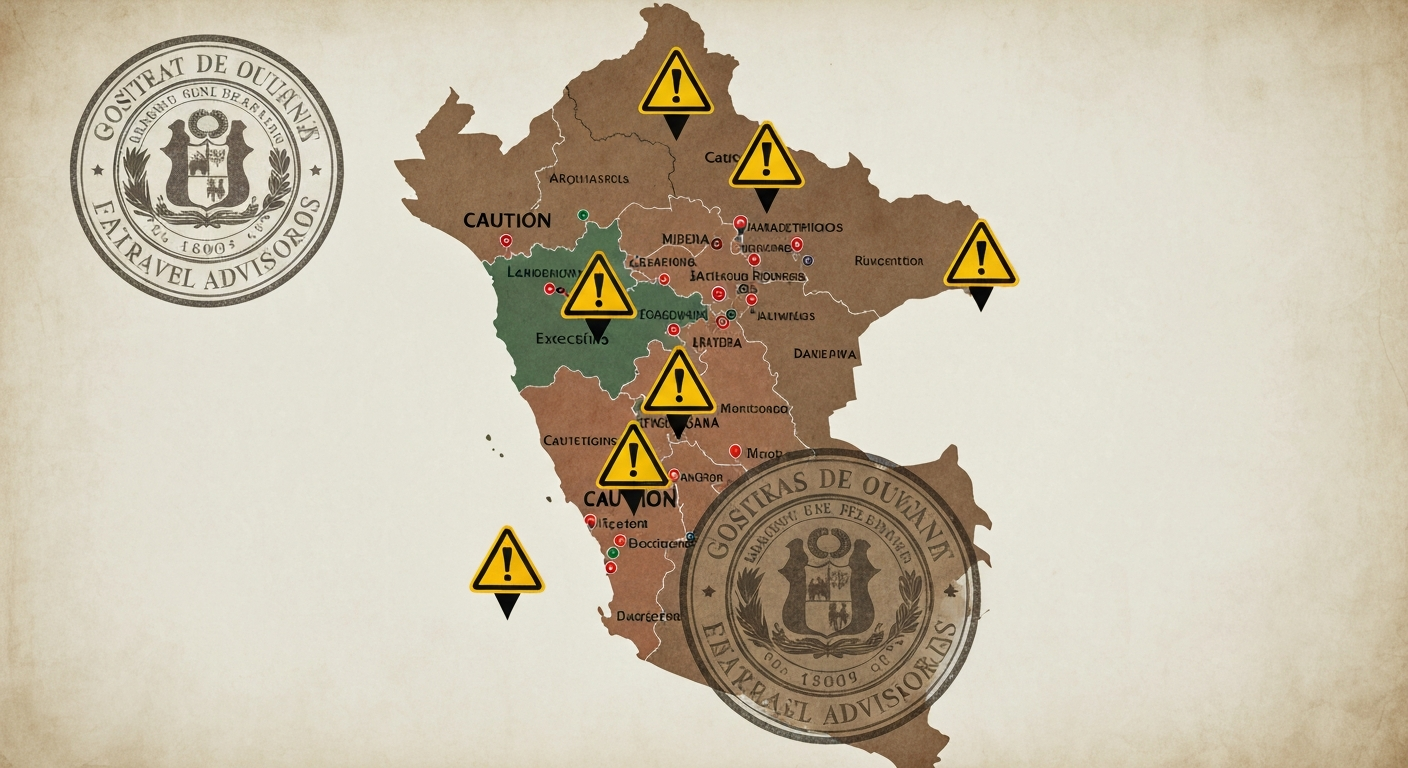
Peru has a history of utilizing states of emergency to manage various situations. In recent years, these declarations have often been linked to political protests, social conflicts, or efforts to combat illegal mining and drug trafficking in specific regions. Understanding this background helps travelers appreciate the context of current warnings.
Past declarations have typically focused on specific areas rather than the entire country. This localized approach means that while one region might be under emergency rule, popular tourist destinations like Cusco or Arequipa might remain unaffected or experience minimal disruption.
Legal Framework and Impact on Daily Life
The Peruvian Constitution allows for a state of emergency for a maximum of 60 days, which can be extended. During this time, the police and armed forces may be deployed to assist in maintaining order. Curfews are possible, though less common for tourists, and public gatherings might be restricted.
For residents, this means heightened security and potential changes to daily routines. For travelers, it translates to a need for increased vigilance, adherence to local laws, and awareness of any specific restrictions in place. It’s vital to remember that these measures are implemented for public safety.
Current Travel Advisories for Peru (as of March 27, 2026)
As of late March 2026, several regions in Peru may be operating under specific states of emergency. These declarations are dynamic and can change rapidly. Travelers must consult the most up-to-date official sources before and during their trip.
Specific Regions Affected
Historically, states of emergency have often been declared in areas experiencing social conflict, such as mining regions or specific border zones. Political protests tend to concentrate in major urban centers like Lima or Cusco. Natural disaster responses, however, are tied to the geographical impact of events.
For March 2026, it is crucial to identify if your planned itinerary includes any regions currently under such a declaration. Even if a popular tourist spot is not directly affected, surrounding areas might be, potentially impacting travel routes or services.
Government Advice from Key Nations
Different countries issue their own travel advisories based on their assessments of risk. Here’s a general overview of how major governments typically advise their citizens regarding travel to Peru, especially during times of heightened security:
- United States: The U.S. Department of State provides country-specific travel advisories. They often use a four-level system, from Level 1 (Exercise Normal Precautions) to Level 4 (Do Not Travel). During a state of emergency, specific regions might be elevated to Level 3 (Reconsider Travel) or higher.
- United Kingdom: The UK Foreign, Commonwealth & Development Office (FCDO) offers travel advice by country. Their guidance focuses on safety and security, local laws and customs, natural disasters, and health. They will highlight regions of concern and provide specific recommendations.
- Canada: Global Affairs Canada issues travel advisories with similar risk levels. They emphasize staying informed, having comprehensive travel insurance, and registering with their Embassy or Consulate in Peru.
All advisories urge travelers to exercise increased caution, monitor local media, and follow instructions from local authorities. These official government websites are your primary and most reliable sources of information.
Impact on Tourists and Travelers
A state of emergency can significantly alter the travel experience. While many tourist areas might remain relatively calm, it’s essential to be prepared for potential disruptions and adjust expectations accordingly. Flexibility becomes a key asset for travelers during these times.
Safety and Security Measures
During a state of emergency, you might encounter an increased presence of police and military personnel, especially in urban areas or near government buildings. Security checkpoints could be established, and you may be asked to show identification. Always cooperate politely with authorities.
It is strongly advised to avoid any demonstrations or large public gatherings, as they can quickly turn volatile. Even peaceful protests can lead to unexpected road closures or transportation delays. Stay informed about local news and follow the advice of your accommodation staff or tour operators.
Transportation and Logistics
Transportation can be one of the most affected aspects of travel during a state of emergency. Road closures are common, especially around protest routes or sensitive areas. This can lead to delays for buses, taxis, and private transfers. Flights within Peru or international flights might also face disruptions, though less frequently.
Train services, particularly those to popular sites like Machu Picchu, are generally less affected unless there are direct blockades on the railway lines. Always confirm your travel arrangements with operators a day or two in advance. Have alternative routes or modes of transport in mind if possible.
Travel Insurance Considerations
This is a critical point for travelers. Many standard travel insurance policies have exclusions for events related to civil unrest, war, or acts of terrorism, which might be triggered by a state of emergency declaration. It is imperative to:
- Read Your Policy Carefully: Understand exactly what is covered and what is excluded.
- Contact Your Provider: Call your insurance company directly to clarify coverage for travel to Peru under the current conditions. Ask specific questions about cancellations, medical emergencies, and emergency evacuation in regions under a state of emergency.
- Consider ‘Cancel For Any Reason’ (CFAR) Insurance: If you are highly concerned about potential disruptions, a CFAR policy offers the most flexibility, though it is typically more expensive and may not reimburse 100% of your costs.
Do not assume your standard policy will protect you. Proactive communication with your insurer is essential to avoid unpleasant surprises.
Navigating Peru During a State of Emergency
Traveling during a state of emergency requires extra planning and a proactive approach to safety. While it may present challenges, it doesn’t necessarily mean your trip is impossible or unsafe, especially if you stick to well-traveled tourist routes and remain vigilant.
Essential Pre-Trip Checks
Before you even depart, take these steps:
- Monitor Advisories Daily: Check your government’s travel advisory and the Peruvian government’s official statements for the latest updates on specific regions.
- Register Your Travel: Enroll in your country’s embassy or consulate registration program (e.g., STEP for U.S. citizens, LOCATE for Canadians). This allows them to contact you in an emergency.
- Communicate with Tour Operators: If you’ve booked tours or accommodations, contact them to inquire about the local situation and any potential impacts on your itinerary.
- Secure Copies of Documents: Keep digital and physical copies of your passport, visa, flight tickets, and insurance policy separate from the originals.
- Pack Light and Smart: Be prepared for potential changes in plans or the need for quick movement.
While You Are There
Once in Peru, continue to prioritize safety and awareness:
- Stay in Communication: Inform family or friends of your itinerary and check in regularly. Keep your phone charged.
- Follow Local News: Monitor reputable local news sources for real-time updates on protests, road closures, or other developments.
- Obey Local Authorities: Always comply with instructions from police, military personnel, and local officials.
- Avoid Unnecessary Risks: Do not venture into areas known for unrest. Limit nighttime travel, especially alone.
- Have Emergency Contacts Ready: Know the contact information for your embassy, local emergency services, and your travel insurance provider.
| Aspect | During State of Emergency | Normal Travel Conditions |
| **Security Presence** | Increased police/military, checkpoints possible | Standard police presence |
| **Freedom of Movement** | Potential curfews, road closures, travel restrictions | Generally unrestricted |
| **Public Gatherings** | May be restricted or advised against | Generally allowed, with normal precautions |
| **Transportation** | Possible delays, cancellations, route changes | Generally reliable, minor delays possible |
| **Travel Insurance** | Review exclusions carefully, consider CFAR | Standard policies usually sufficient |
| **Local Services** | Potential disruptions to shops, banks, public transport | Generally fully operational |
| **Overall Risk Level** | Elevated, requires heightened vigilance | Low to moderate, requires standard precautions |
Expert Insights and Recommendations
Travel safety experts consistently emphasize the importance of preparedness and flexibility when traveling to regions experiencing any form of instability. Their advice often centers on being a responsible and informed traveler.
“Travelers to Peru during a state of emergency must prioritize information gathering from official sources. Your embassy or consulate is your best friend. Always have a backup plan, stay flexible, and be prepared to adjust your itinerary at a moment’s notice. The goal isn’t to cancel your trip necessarily, but to navigate it with maximum awareness and safety.”
*— International Travel Safety Analyst*
This highlights that while concerns exist, informed travel is still possible. The key is not to panic, but to plan intelligently.
Staying Informed: Reliable Sources
Access to accurate and timely information is your most powerful tool when traveling during uncertain times. Rely only on official and reputable sources.
- Your Government’s Travel Advisory Website: This should be your first stop (e.g., travel.state.gov for the U.S., gov.uk/foreign-travel-advice for the UK, travel.gc.ca for Canada).
- Peruvian Ministry of Foreign Affairs (Ministerio de Relaciones Exteriores del Perú): Check their official announcements for local declarations.
- Local News Outlets: Use reputable Peruvian news sources (e.g., El Comercio, La República) for ground-level insights, often translated via online tools.
- Your Airline or Tour Operator: They will have the most up-to-date information regarding specific flight or tour disruptions.
- Embassy or Consulate: Register your travel and use their services for emergency assistance and updates.
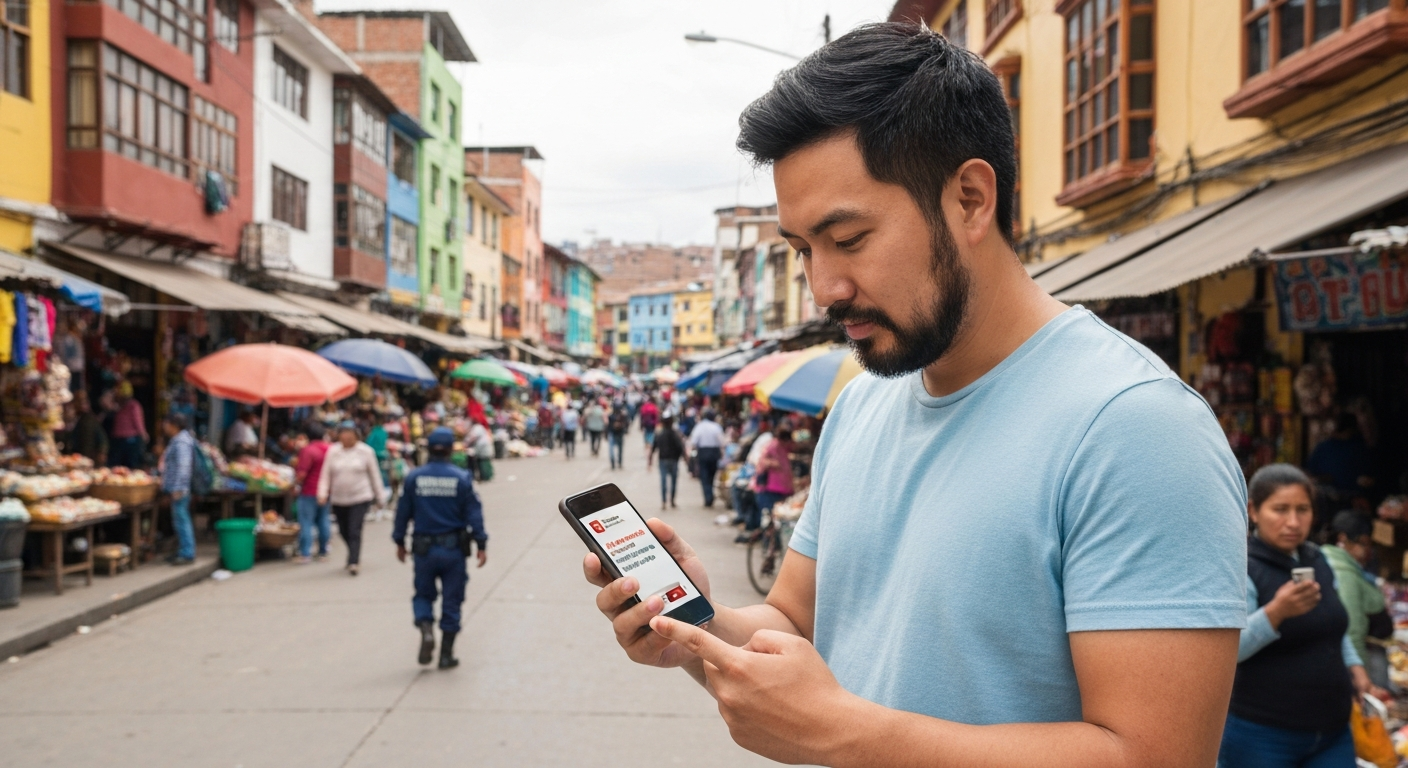
Avoid relying solely on social media or unverified reports, which can often spread misinformation.
Conclusion
Traveling to Peru, even during a declared state of emergency, can still be a rewarding experience with the right approach. As of March 27, 2026, understanding the nuances of these declarations is paramount for your safety and peace of mind. By staying informed through official channels, prioritizing personal security, and maintaining flexibility, you can mitigate many potential risks.
Remember, a state of emergency is a temporary measure, often localized, designed to ensure public order. It does not necessarily mean the entire country is unsafe. Focus on the specific regions affected, assess your personal risk tolerance, and make decisions based on the most current and reliable information available. Peru’s beauty and cultural richness await, but responsible travel is always the smartest way to explore.
FAQ: Peru State of Emergency Travel Warning
Q1: What does ‘state of emergency’ mean for tourists in Peru?
A state of emergency in Peru means the government has temporarily suspended some constitutional rights, usually in specific regions, to address a crisis. For tourists, this can mean increased security presence, potential restrictions on movement (like curfews or road closures), and a need for heightened vigilance. It’s crucial to follow local authority instructions and stay informed about specific affected areas.
Q2: Are popular tourist destinations like Machu Picchu or Cusco affected by states of emergency?
Not always. States of emergency are often localized. While major cities like Lima might experience protests, and certain remote regions might have security operations, popular tourist destinations like Machu Picchu, Cusco, and the Sacred Valley are often unaffected or experience minimal disruption. Always check the latest advisories for the specific regions you plan to visit.
Q3: Should I cancel my trip to Peru if a state of emergency is declared?
The decision to cancel depends on several factors: the specific location of the emergency, the nature of the crisis, your travel insurance coverage, and your personal risk tolerance. If your itinerary avoids affected areas and official advisories deem it safe to travel with caution, you might proceed. However, if advisories recommend against travel to your planned destinations, or if you feel uncomfortable, canceling or postponing might be the best option. Consult your airline, tour operator, and insurance provider.
Q4: What are the most important things to do if I’m already in Peru during a state of emergency?
If you are in Peru during a state of emergency, the most important steps are: 1) Stay informed by monitoring official news and travel advisories. 2) Avoid all protests, demonstrations, and large gatherings. 3) Comply with all instructions from local authorities, including police and military. 4) Keep your embassy or consulate aware of your whereabouts and register with them. 5) Have emergency contact information readily available.
Q5: Will my travel insurance cover me if I travel to Peru during a state of emergency?
Travel insurance coverage during a state of emergency is highly dependent on your specific policy. Many standard policies exclude events related to civil unrest, war, or government declarations of emergency. It is essential to contact your travel insurance provider directly before your trip to clarify your coverage. Some specialized policies, like ‘Cancel For Any Reason’ (CFAR) insurance, might offer broader protection but come at a higher cost.