
Everyone wants the same two weeks of Japan — and the country is spectacular for about forty others nobody fights over. Cherry-blossom season is genuinely magical and genuinely mobbed; what the first-timer guides undersell is that Japan runs a four-season show where autumn rivals spring, winter is a destination in itself, and even the rainy season has a quiet upside. Here’s the honest calendar — sakura timing without the false precision, the two holiday weeks that ambush foreign travelers’ bookings, and the months that deliver Japan at half the crowd density.
Seasonal patterns are long-term averages; cherry blossom and foliage dates shift with each year’s weather — check current forecasts (published from January) before locking flights around bloom windows. Written August 2026.
Part of our complete Japan travel hub — entry rules, seasons, the Golden Route, rail passes, and budgets.
The Two Headline Seasons
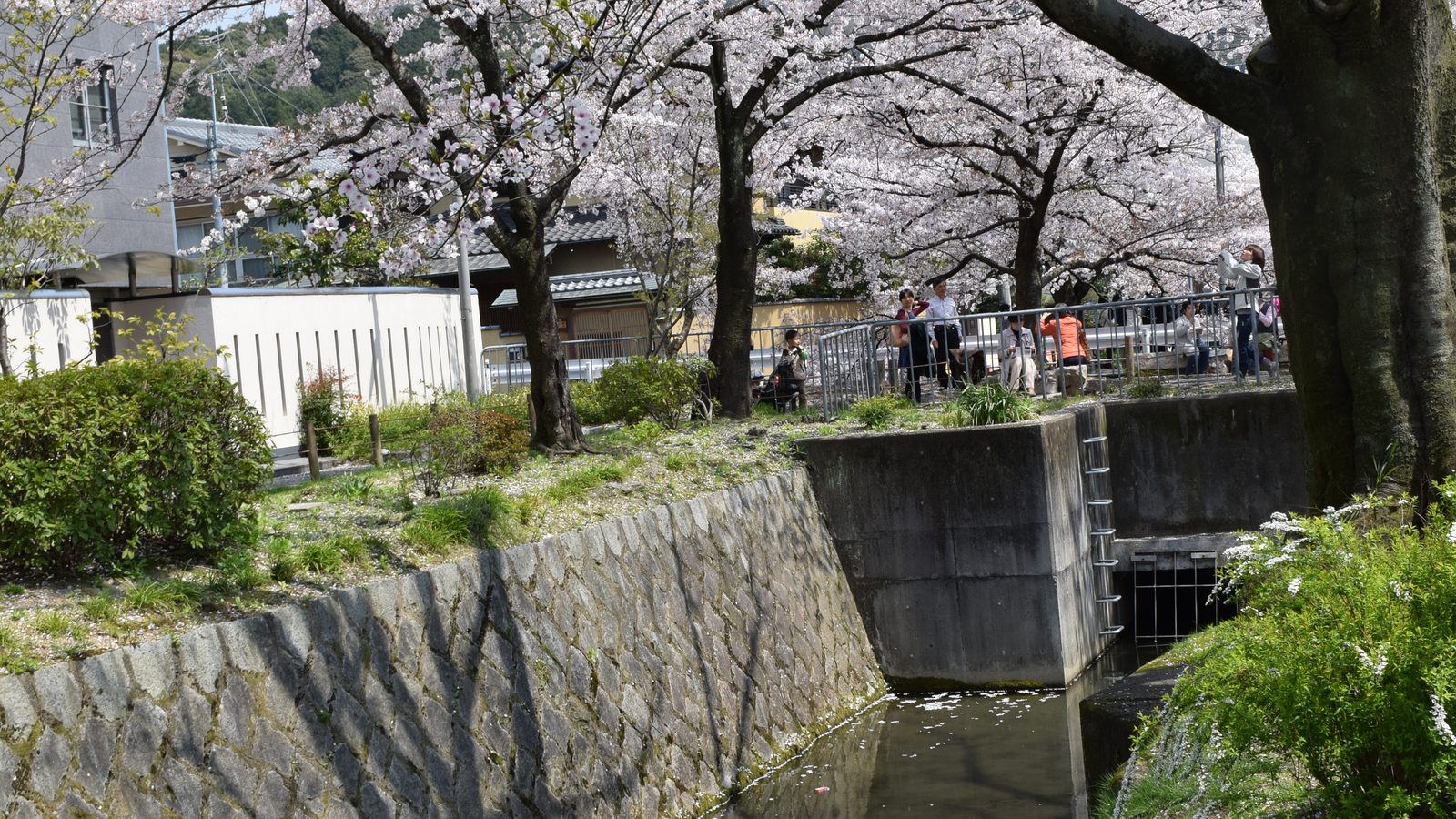
- Spring / sakura (roughly late March – early April in Tokyo & Kyoto): the bloom sweeps north — southern Japan first, Tokyo and Kyoto typically around the turn of March/April, Hokkaido as late as early May. The precision trap: full bloom lasts about a week in any one city and the dates move year to year, so chase flexibility, not a fixed date — build a two-city itinerary (if Kyoto’s peaked, Kanazawa or the mountains may be starting) and book accommodation months ahead at painful prices.
- Autumn / koyo (October in the north and mountains → late November–early December in Kyoto): the maples run the sakura movie in reverse and in crimson. Kyoto in late November is arguably more beautiful than Kyoto in April — and while it’s busy, it’s not sakura-busy. The connoisseur’s pick.
The Crowd Traps: Two Weeks to Book Around
| When | What | What it means for you |
|---|---|---|
| Golden Week (late April – early May) | A cluster of national holidays — half of Japan travels at once | Trains and hotels book out at premium prices; sights are packed. Either commit early or aim just before/after |
| Obon (mid-August) | The ancestral-return holiday week | Same story: domestic travel surge, peak pricing |
| New Year (Dec 29 – Jan 3) | Japan’s biggest family holiday | Many restaurants/museums close; shrines are gloriously busy for hatsumōde |
The Rest of the Year, Honestly
- Rainy season (tsuyu, ~early June to mid-July): grey and humid on the main islands, but rarely all-day rain — and hydrangea-draped temples in drizzle are their own aesthetic. Hokkaido largely skips tsuyu, making it the smart June–July pick.
- High summer (late July–August): hot and seriously humid — but it’s festival season (fireworks, street matsuri) and the Japanese Alps and Hokkaido are at their best. Typhoon season peaks August–October, mostly a southern/coastal disruption risk — build a flex day around it.
- Winter (December–February): crisp, clear, and underrated — Hokkaido’s legendary powder (Niseko), snow monkeys in Nagano, the Sapporo Snow Festival (early February), and the year’s clearest Mount Fuji views. City sightseeing in Tokyo/Kyoto is genuinely pleasant and cheap.
- The value windows: mid-January to February (post-New Year lull) and late May to early June (post-Golden Week, pre-rain) are Japan at its calmest and most affordable.
Month by Month, One Line Each
| Month | The one-liner |
|---|---|
| January | Clear skies, snow country, best Fuji visibility — quiet after the 3rd |
| February | Powder season + Sapporo Snow Festival; plum blossoms start |
| March | Sakura opens in the south; Tokyo/Kyoto typically late month |
| April | Peak bloom sweeps north — glorious, crowded, priced accordingly |
| May | Golden Week chaos, then one of the year’s loveliest windows |
| June | Tsuyu rains south; Hokkaido shines |
| July | Rain lifts mid-month; festivals and Alps hiking begin |
| August | Hot, humid, festive — Obon surge mid-month; typhoon watch |
| September | Warm and quieter; typhoon peak — keep plans flexible |
| October | Superb everywhere — koyo begins in the north and mountains |
| November | Kyoto’s crimson crescendo — the connoisseur’s sakura |
| December | Illuminations, first powder, and a country closing for New Year |
Booking Logic
- Sakura trips are booked like weddings: flights and Kyoto hotels 4–6 months out, with a flexible city order for bloom-chasing.
- Check the holiday calendar before picking “random” spring dates — stumbling into Golden Week unknowingly is the classic first-timer expense.
- November is the smart-money month; February is the value month; late May is the weather-per-crowd optimum.
- Entry is the easy part: 90 days visa-free for most Western passports — details, the Visit Japan Web fast-track, and the JESTA status are in our Japan visa guide. Then budget it with the Japan trip cost guide and route it with the Golden Route itinerary.
Frequently Asked Questions
What is the best month to visit Japan?
November — autumn colors at their Kyoto peak, stable weather, and none of sakura season’s booking wars. April and October–November are the classic twin peaks; February is the value-and-powder pick.
When is cherry blossom season in Japan?
Typically late March to early April in Tokyo and Kyoto, earlier in the south, and into early May in Hokkaido — but dates shift yearly with the weather. Forecasts publish from January; full bloom lasts about a week per city.
What is Golden Week and should I avoid it?
A late-April-to-early-May cluster of national holidays when Japan travels en masse — trains and hotels book out at peak prices. Avoid it unless you’ve booked well ahead.
Is the rainy season a bad time to visit Japan?
Not really — June’s tsuyu means humid days with intermittent rain, thinner crowds, and hydrangeas everywhere. Hokkaido largely escapes it and is superb in June–July.
When is typhoon season in Japan?
Roughly August through October, peaking around September — mostly affecting the south and coasts. Keep a flexible day in your itinerary and watch forecasts; direct hits on Tokyo/Kyoto plans are the exception, not the rule.
Is winter a good time to visit Japan?
Genuinely yes — world-class powder in Hokkaido and Nagano, snow monkeys, the Sapporo Snow Festival, the clearest Fuji views, and cheap, calm city sightseeing outside the New Year week.
Sources
- Long-term Japan Meteorological Agency seasonal patterns; annual bloom/foliage forecasts — check the current year’s before booking
- Photo: Cherry blossoms on the Philosopher’s Path, Kyoto — ::::=UT=::::, Wikimedia Commons, CC BY-SA 3.0
Disclaimer: Seasonal patterns are long-term averages; bloom and foliage windows move each year. Written August 3, 2026.
Official sources to check before you apply or travel
- GOV.UK foreign travel advice (entry requirements by country)
- Government of Canada travel advice and advisories
Visa rules, fees, processing times and entry requirements change often. Always confirm the current requirements on the official government website, or with the embassy or consulate, before you apply, pay or travel. One Visa Center is an independent information site, not a law firm or government agency, and this article is not legal advice. Read how we research, fact-check and use AI tools in our Editorial Policy.
Get visa, passport, and travel-planning guides like this one sent straight to your inbox — plus first access to new country guides and scholarship roundups.