
Japan is simultaneously the world’s hottest destination and one of its easiest trips — 90 days visa-free for 74 nationalities, a weak yen that has made it one of the developed world’s best-value countries, and a rail network that turns a five-city itinerary into a series of two-hour glides. This hub is the verified map: entry rules, the honest season calendar, the Golden Route done properly, the rail-pass math nobody runs, and what it all actually costs. Each linked guide is fact-checked against official sources — Japan’s Ministry of Foreign Affairs, the official JR pass site — and date-stamped.
Facts current as of August 2026 and updated as rules change. Prices are good-faith planning figures — confirm fares and fees on official sources before booking.
Japan at a Glance
| Question | The short answer | Full guide |
|---|---|---|
| Do I need a visa? | No, for 74 nationalities — 90 days stamped on arrival, free (US, UK, Canada, EU, Australia included) | Japan visa & entry rules |
| When should I go? | Any season works; November koyo rivals sakura at half the crowds — just dodge Golden Week and Obon | Best time to visit Japan |
| What route for a first trip? | The Golden Route: Tokyo → Hakone → Kyoto (3 full days) → Nara → Osaka, 10–14 days | Japan itinerary 10–14 days |
| Should I buy the JR Pass? | Usually no — ¥50,000 for 7 days vs roughly a third of that in ordinary tickets on the classic route | JR Pass: the real math |
| How much will it cost? | Less than you think — the weak yen means real budgets start around $60/day plus beds and bullet trains | Japan trip cost guide |
Getting In: The World’s Easiest Hot Border
For most Western travelers the paperwork answer is beautifully simple: no visa, 90 days, free, stamped on arrival. Japan maintains visa-exemption arrangements with 74 countries and regions — the US, UK, Canada, Australia, New Zealand, and virtually all of Europe among them. What actually trips people up is the small print: the arrival apps worth setting up before you fly, the passport rule everyone over-prepares for, and JESTA — the pre-screening system that is coming but is not in force yet (anyone charging you for a “JESTA application” today is running a scam). The complete entry picture is in our Japan visa rules guide.
When to Go: The Calendar Nobody Fights Over
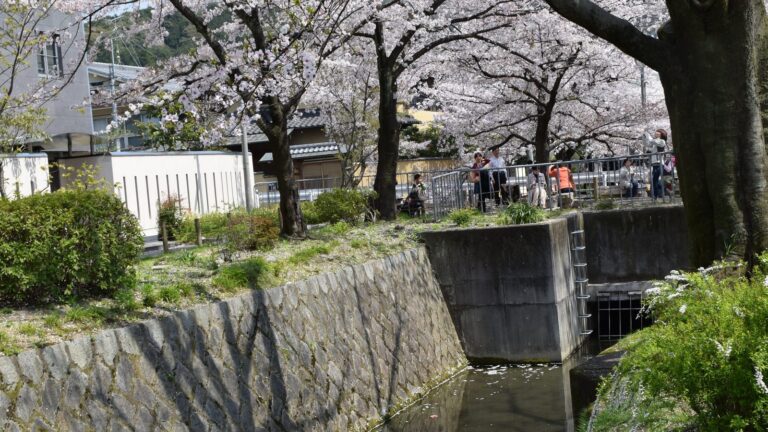
Everyone wants the same two weeks of cherry blossoms — and Japan is spectacular for about forty other weeks nobody competes for. Autumn koyo in Kyoto genuinely rivals sakura season at a fraction of the crowd density, winter is a destination in itself (powder snow, onsen steam, illuminations), and even the June rainy season has a quiet hydrangea-and-empty-temples upside. The two real traps are Golden Week and Obon — domestic holiday weeks that ambush foreign travelers’ bookings with sold-out trains and doubled hotel rates. The honest month-by-month calendar, with sakura timing handled truthfully (it’s forecast-dependent — beware any guide giving you exact dates), is in our best time to visit Japan guide.
The Route: Golden, for a Reason
The Golden Route earned its name by being right: Tokyo’s electric present, Kyoto’s preserved past, Osaka’s appetite — strung together by the world’s best railway. Our 10–14 day itinerary makes the one correction most versions need: Kyoto deserves three full days, not the drive-by it usually gets. It also covers the Hakone hot-spring interlude, Nara’s bowing deer, the two extensions that turn 10 days into 14 (Hiroshima–Miyajima or the Japanese Alps), and the small logistics — IC cards, luggage forwarding — that make traveling Japan feel like cheating.
Getting Around: Run the Rail-Pass Math First
Here’s the contrarian truth the travel industry has been slow to say: since the 2023 price rise, the famous Japan Rail Pass is usually a bad deal. The 7-day nationwide pass costs ¥50,000 (verified on the official japanrailpass.net price table), while the classic Tokyo → Kyoto → Osaka route costs roughly a third of that in ordinary Shinkansen tickets. The pass still wins decisively on the right itinerary — long multi-city loops, a Hiroshima round-trip inside seven days — and several regional passes have quietly become the better buy. The full arithmetic, route by route, is in our JR Pass analysis.
What It Costs: The Weak-Yen Window
The plot twist of mid-2020s travel: Japan has become one of the developed world’s best-value destinations. A historically weak yen gives dollar and euro travelers purchasing power their parents never had in Tokyo, and Japan’s own price culture — a superb ¥1,000 bowl of ramen has no ambition to become a ¥3,000 one — does the rest. The money goes to two things, beds and bullet trains, and both have well-known workarounds. Real per-day bands from about $60/day, where the yen stretches absurdly, and the three line items that still bite are all in our Japan trip cost guide.
Frequently Asked Questions
Do Americans need a visa for Japan?
No. US passport holders — like travelers from 73 other countries and regions — receive 90 days visa-free, stamped on arrival at no cost. The same applies to the UK, Canada, Australia, New Zealand, and virtually all of Europe.
What is JESTA and do I need it?
JESTA is Japan’s planned electronic pre-screening system, modeled on the US ESTA — but it is not in force yet. Nothing needs to be filed today, and any website selling “JESTA applications” is a scam. Our visa guide tracks its rollout status.
What is the best month to visit Japan?
There’s no single answer — late March–early April for sakura (peak crowds), November for autumn colors at half the density, winter for snow and onsen. The months to avoid aren’t seasons but holidays: Golden Week (late April–early May) and Obon (mid-August).
How many days do you need in Japan?
10–14 days covers the Golden Route properly: Tokyo, a Hakone onsen night, three full days in Kyoto, Nara as a day trip, and Osaka. Shorter trips work but force a choice between Tokyo and the Kansai cities.
Is the Japan Rail Pass worth it in 2026?
Usually not. At ¥50,000 for 7 days, the pass costs about three times the ordinary tickets for the classic Tokyo–Kyoto–Osaka route. It only pays on long multi-city itineraries — run the math against your actual route before buying.
Is Japan expensive to visit right now?
No — the weak yen has made it one of the best-value developed countries. Comfortable mid-range trips run far below Western European equivalents, superb meals cost ¥1,000–2,000, and realistic budget travel starts around $60/day. Accommodation and Shinkansen legs are the two costs that still bite.
Related Resources
Pairing Japan with a wider Asia trip? Our China travel hub covers the visa-free wave and the 240-hour transit loophole — Tokyo is a natural third-country exit for it.
This hub and all linked guides are general information, not legal advice. Entry rules and prices change — every guide is date-stamped and verified against official sources at publication; confirm on official portals before booking.
Official sources to check before you apply or travel
- GOV.UK foreign travel advice (entry requirements by country)
- Government of Canada travel advice and advisories
Visa rules, fees, processing times and entry requirements change often. Always confirm the current requirements on the official government website, or with the embassy or consulate, before you apply, pay or travel. One Visa Center is an independent information site, not a law firm or government agency, and this article is not legal advice. Read how we research, fact-check and use AI tools in our Editorial Policy.
Get visa, passport, and travel-planning guides like this one sent straight to your inbox — plus first access to new country guides and scholarship roundups.