Great news for American travelers! As of December 1, 2025, US citizens no longer need a tourist visa to visit Bolivia. This guide explains the new rules, entry requirements, and everything you need to know before your trip to this stunning South American country.
Key Takeaways
- US citizens can now visit Bolivia visa-free for up to 90 days for tourism or business
- The old $160 visa fee has been eliminated saving Americans significant money
- Your passport must be valid for at least 6 months beyond your arrival date
- Yellow fever vaccination may be required depending on where you travel in Bolivia
- The 90-day limit applies per year, not per trip
- Longer stays or other purposes like study or residency still require a visa
The Big Change: No More Visa Required
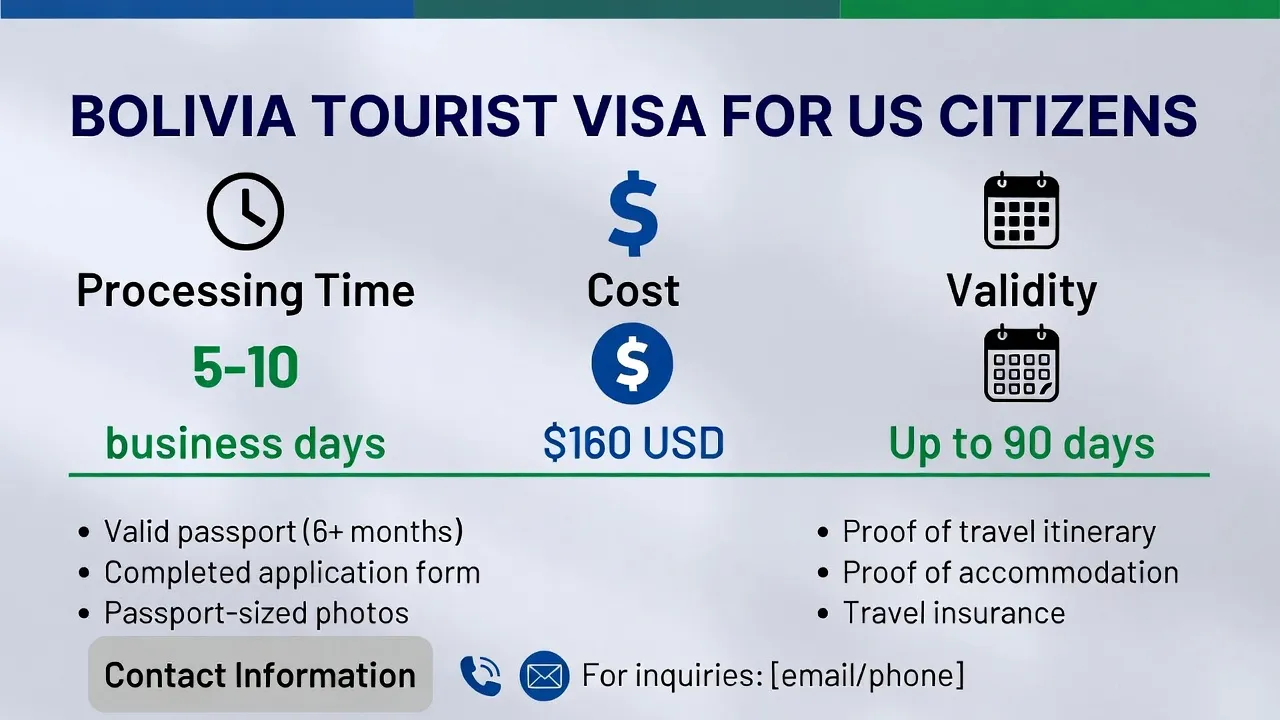
For nearly 18 years, US citizens had to obtain a tourist visa to visit Bolivia. The visa cost $160 and required extensive paperwork including bank statements, hotel bookings, and flight details.
That all changed on December 1, 2025, when Bolivia’s government removed visa requirements for American tourists.
“Starting December 1, 2025, Bolivia allowed U.S. citizens to travel to the South American nation visa-free for a duration of up to 90 days, whether for leisure or business, simplifying the travel process for visitors from the States.”
This change puts the US in Bolivia’s “Group 1” category alongside countries like the United Kingdom, European Union nations, and most South American neighbors.
Why Did Bolivia Make This Change?
Bolivia’s government made this decision to boost tourism. Officials estimate the country lost around $900 million in tourism income since 2007 because of the strict visa rules.
The new policy is expected to bring in an extra $80 million in tourism money over the next four years. The change also makes it easier for American businesses to explore opportunities in Bolivia’s mining, energy, and infrastructure sectors.
Current Entry Requirements for US Citizens
Even without a visa, you still need to meet certain requirements to enter Bolivia.
What You Need to Enter Bolivia
Length of Stay
US citizens can stay in Bolivia for up to 90 days within a one-year period for tourism or business purposes. This means:
- You can visit once for 90 days straight
- Or make multiple shorter trips totaling 90 days per year
- The clock resets after one year from your first entry
If you want to stay longer than 90 days, you must contact the Dirección General de Migración (National Migration Service) in Bolivia to apply for an extension.
Yellow Fever Vaccination Requirements
Yellow fever is one area where you need to pay attention. Bolivia has specific rules about this vaccine.
When Is the Vaccine Required?
Mandatory if: You are arriving from a country where yellow fever is present. This includes many African and South American countries.
Recommended if: You plan to travel to lowland areas east of the Andes Mountains at elevations below 2,300 meters (7,500 feet).
Where Yellow Fever Exists in Bolivia
High Altitude Areas Are Safe
If you only plan to visit high altitude destinations like:
- La Paz city center
- Lake Titicaca
- The Salar de Uyuni salt flats
These areas are above 7,500 feet and do not have yellow fever risk. However, many travelers still get vaccinated just in case their plans change.
Important: The yellow fever vaccine provides lifetime protection and your certificate never expires.

What the Old Visa Required (No Longer Needed)
Understanding what US citizens used to deal with shows how much easier travel to Bolivia has become.
Previous Visa Requirements (Before December 2025)
Before the change, Americans had to provide:
- Valid passport with 6 months validity
- Completed visa application form
- Recent passport photo
- Round trip flight confirmation
- Hotel booking proof
- Bank statements showing financial solvency
- $160 visa fee (payable by money order or certified check)
The visa only allowed 30 days per entry, and you could not exceed 90 days total per year.
Now You Just Need
- Valid passport (6 months validity)
- Proof of onward travel
- Address where you will stay
- Yellow fever certificate (if applicable)
No applications. No fees. No bank statements. No waiting.
Planning Your Trip to Bolivia
Now that visiting is easier, here is what you should know about this incredible country.
Top Destinations in Bolivia
Best Time to Visit
Bolivia has two main seasons:
Dry season (May to October): Best for most activities. Clear skies make this ideal for visiting the salt flats and trekking.
Wet season (November to April): The salt flats fill with water creating a stunning mirror effect. Some roads may be impassable.
Safety Tips
Bolivia is generally safe for tourists, especially in popular areas like La Paz, Uyuni, Sucre, and Lake Titicaca. The main concerns are:
- Petty theft in crowded markets and bus terminals
- Altitude sickness in high cities like La Paz (take it slow on arrival)
- Road conditions especially in remote areas
Book tours through reputable operators and use official transportation when possible.
Other Health Recommendations
Beyond yellow fever, the CDC recommends several vaccines for Bolivia travelers:
Recommended Vaccines
- Hepatitis A (food and water transmitted)
- Typhoid (food and water transmitted)
- Hepatitis B (if you might have medical procedures)
- Rabies (if you will be around animals)
- Routine vaccines (MMR, Tdap, COVID-19)
Altitude Considerations
Many of Bolivia’s top attractions sit above 10,000 feet. La Paz is at 11,975 feet. Give yourself time to adjust:
- Rest on your first day
- Drink plenty of water
- Avoid alcohol initially
- Consider altitude sickness medication
For Longer Stays or Other Purposes
The visa-free entry only covers tourism and business visits up to 90 days.
When You Still Need a Visa
You need to apply for a visa if you plan to:
- Stay longer than 90 days
- Study in Bolivia
- Work in Bolivia
- Establish residency
- Conduct special activities
Contact the Bolivian Embassy in Washington DC or a Bolivian Consulate for information on these visa types.
Dual Citizens: Special Rules
If you hold both US and Bolivian citizenship, be aware of additional requirements:
- You may need to show a valid Bolivian identity document (cedula de identidad) when entering or exiting Bolivia
- Bolivian law may apply to you differently than to US-only citizens

Frequently Asked Questions
Do US citizens need a visa for Bolivia in 2026?
No. As of December 1, 2025, US citizens can enter Bolivia visa-free for tourism and business stays of up to 90 days. The old $160 visa requirement has been eliminated.
How long can Americans stay in Bolivia without a visa?
US citizens can stay up to 90 days within a one-year period. This can be one continuous trip or multiple shorter visits totaling 90 days per year.
Do I need a yellow fever vaccine for Bolivia?
It depends on where you travel. The vaccine is required if arriving from a country with yellow fever risk. It is recommended for travel to lowland areas below 7,500 feet elevation, particularly in the eastern departments.
What documents do I need to enter Bolivia?
You need a valid US passport with at least 6 months validity, proof of onward travel, and a declaration of your address in Bolivia. No visa application or fee is required for tourist visits.
Can I extend my stay beyond 90 days?
Yes, but you must apply through the Dirección General de Migración (National Migration Service) which has offices in most major Bolivian cities. Extensions are not guaranteed.
Is the visa-free entry only for tourism?
The visa-free entry covers both tourism and business purposes. Other activities like study, work, or residency still require appropriate visas.
How much money did the Bolivia visa used to cost?
The tourist visa cost $160 USD before December 2025. This fee has now been completely eliminated for US citizens.
Important Reminders
- Check your passport expiration date before booking your trip
- Get vaccinated at least 2 weeks before travel for full protection
- Carry your yellow fever certificate if you have been vaccinated
- Keep copies of important documents separate from originals
- Register with the US Embassy for travel alerts and emergency assistance
- Verify current requirements before departure as rules can change
Bolivia offers some of South America’s most spectacular scenery, from the otherworldly salt flats of Uyuni to the bustling streets of La Paz. With the visa requirement gone, there has never been a better time for Americans to discover this amazing country.
Related Articles
- Ghana Visa for US Citizens: The 2026 E-Visa Guide
- China Visa for US Citizens: 2026 Fees & How to Apply
- Vietnam Visa for US Travelers: The Complete 2026 Guide
Get visa, passport, and travel-planning guides like this one sent straight to your inbox — plus first access to new country guides and scholarship roundups.