
Last checked: October 5, 2026
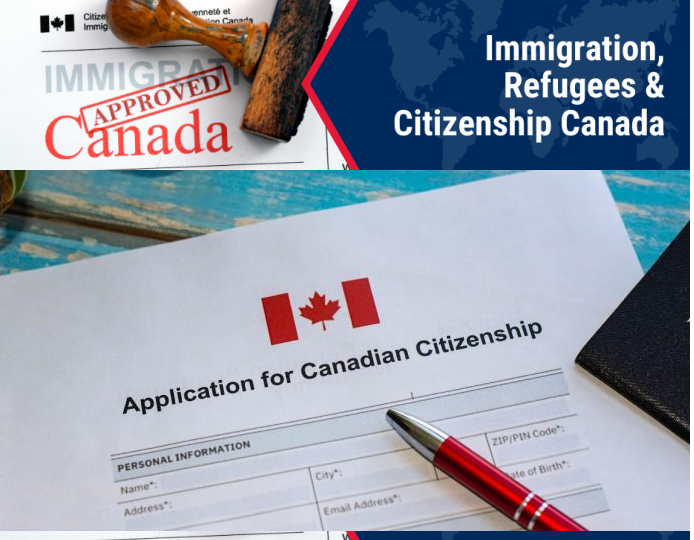
Canada’s asylum system changed significantly in 2026. Bill C-12, which received Royal Assent on March 26, 2026, created new rules that make some refugee claims ineligible for a hearing at the Immigration and Refugee Board (IRB). Some of these rules apply retroactively to claims made since June 2025. This guide explains how the system works now and who is affected.
This is general information, not legal advice. If you are making or have made a refugee claim, speak to a lawyer or legal aid service as soon as possible.
How a refugee claim works in Canada
- You make a claim at a port of entry, such as an airport or land border, or inside Canada online through IRCC.
- Eligibility check. IRCC or the Canada Border Services Agency (CBSA) decides whether the claim can go to the IRB.
- IRB hearing. If eligible, the claim goes to the IRB’s Refugee Protection Division (RPD), which decides whether you’re a refugee or a person in need of protection.
- Outcome. If you’re accepted, you can apply for permanent residence. If you’re refused, you may be able to appeal or seek judicial review. Otherwise you may face removal.
What Bill C-12 changed
1. The one-year bar
A claim is ineligible for an IRB hearing if it’s made more than one year after the person first entered Canada, where that entry happened after June 24, 2020. This applies even if the person left Canada and came back. It applies to claims made on or after June 3, 2025, including some claims already referred to the IRB.
2. The 14-day rule at the land border
People who cross between official ports of entry from the United States must make their claim within 14 days. Later claims are ineligible for an IRB hearing.
3. What happens to ineligible claimants
Ineligible claimants don’t get an IRB hearing. Instead, they may get a Pre-Removal Risk Assessment (PRRA), a mostly paper-based review of the risk they would face if returned. Reports in 2026 said around 30,000 people had received procedural fairness letters about possible ineligibility.
Other rules that still apply
- Safe Third Country Agreement (STCA): since March 2023, this has applied along the entire Canada–US land border, not only at official crossings. Most people who cross from the US can be returned unless an exception applies, for example certain family members in Canada.
- Other ineligibility grounds: people who already made a claim in Canada, were found to be refugees elsewhere, or are inadmissible for serious criminality or security reasons can’t have their claim referred to the IRB.
What this means for travellers and visitors
- An asylum claim is not an immigration shortcut. Canada has stated this repeatedly. Under the one-year bar, waiting to claim can remove your access to a hearing.
- If you fear return to your country, get legal advice early. Don’t wait for your visitor or study permit to run out.
- Visitors are now checked more closely. Canada has tightened visitor and student visa screening, partly because of concerns about claims made after arrival on temporary visas.
Where to get reliable help
- Immigration and Refugee Board of Canada (IRB): hearings, forms and statistics
- IRCC: how to make a claim from inside Canada
- Provincial legal aid, for example Legal Aid Ontario, and community legal clinics
- The Canadian Council for Refugees, for policy updates and referrals
Be very careful with paid “consultants”. Only licensed lawyers, notaries in Quebec, and regulated Canadian immigration consultants (RCICs) can legally charge for immigration advice.
Frequently asked questions
I entered Canada more than a year ago. Can I still claim asylum?
You can still make a claim, but under Bill C-12 it will likely be ineligible for an IRB hearing. You would get a PRRA instead. Get legal advice before you act.
Does the one-year bar apply to people who entered before June 2020?
The bar is tied to entries after June 24, 2020. The details matter, so check your situation with a lawyer.
Can I work while my claim is processed?
Eligible claimants can usually apply for a work permit. Rules and timelines have changed, so check IRCC’s current guidance.
How we checked this guide
This guide is based on the provisions of Bill C-12 as summarised by Legal Aid Ontario and other legal sources after Royal Assent on March 26, 2026, and on IRCC and IRB information about the claims process. Asylum law is complex and changing fast, so always get advice for your own case.
Official sources to check before you apply or travel
- Immigration, Refugees and Citizenship Canada (IRCC)
- GOV.UK foreign travel advice (entry requirements by country)
- U.S. State Department travel advisories
Visa rules, fees, processing times and entry requirements change often. Always confirm the current requirements on the official government website, or with the embassy or consulate, before you apply, pay or travel. One Visa Center is an independent information site, not a law firm or government agency, and this article is not legal advice. Read how we research, fact-check and use AI tools in our Editorial Policy.
Get visa, passport, and travel-planning guides like this one sent straight to your inbox — plus first access to new country guides and scholarship roundups.