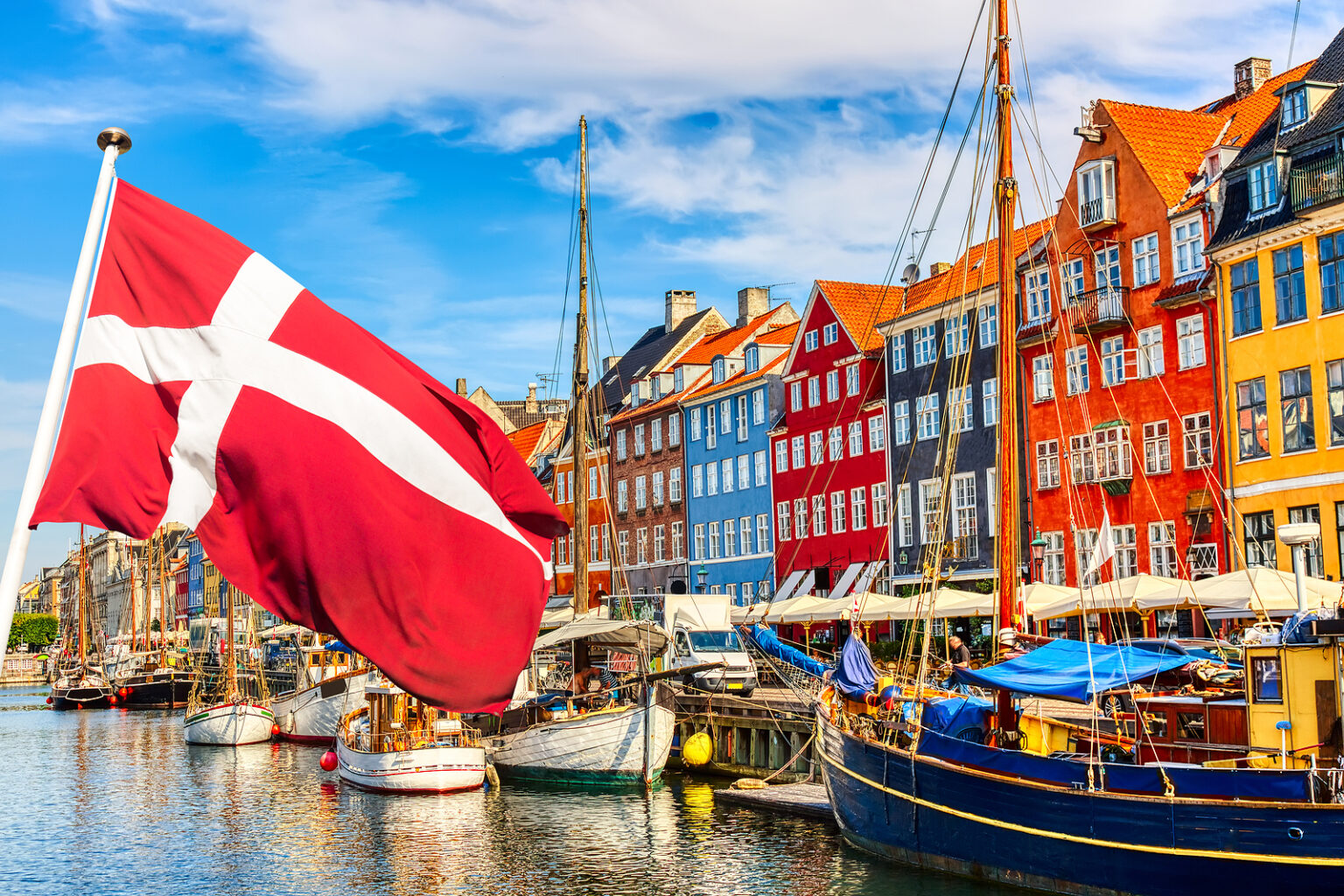

Imagine you are an international student planning to study in Denmark. You dream of attending lectures, immersing yourself in a new culture, and maybe earning a bit to support living expenses. But what if the system that once enabled that is changing drastically, not just for you, but because many others allegedly abused it? The question of misuse of student visas in Denmark, and how to balance academic integrity with immigration and labour market concerns, has become a hot and controversial debate.
In this article, we explore the debate on student visa misuse in Denmark, what triggered the policy changes, the arguments from all sides, and what prospective students should know before deciding to study there.
What triggered the crackdown on student visas
Alarm over labour market misuse
In 2025, the government of Denmark announced new restrictions for non EU EEA students enrolled in non state approved programmes. Students in such programmes lost their right to work while studying, their post study job search stay, and the ability to bring accompanying family members.
These measures were justified by authorities on the grounds that many people had reportedly been using study visas primarily to access low wage jobs rather than to pursue education.
According to the government agency responsible for immigration, these changes are meant to ensure the residence permits are granted mainly for educational intent, not as a backdoor into the labour market.
The Government’s Position: Protecting the labour market and education integrity
Preserving fair wages and working conditions
Policymakers argue that when many visa holding students end up working in low wage sectors such as hospitality or cleaning, it depresses wages across the board and undermines fair labour standards. By tightening visa and work permit rules, the government aims to reduce pressure on the labour market and avoid exploitation of foreign student status.
Ensuring students are genuine and academically focused
Another central aim of the reforms is to make sure that the system serves people whose main goal is to study. The government has stressed that residence and study permits should not be used as an indirect migration route or as a means to secure work based residency under the guise of education.
Protecting public systems and social services
Because student visas often came with rights to bring family members, there were concerns about increased strain on housing, social services, and integration systems, especially if many visa holders arrived primarily for work or migration, not education. The new rules remove the family accompaniment benefit for students in non approved programmes.
Counterarguments: What critics, students, advocates, and institutions say
Restricting access could reduce opportunities for genuine students
Many prospective and current international students argue that these strict rules unfairly penalize those who genuinely want to study, but also need some level of flexibility to support themselves through part time work, given the high cost of living in Denmark.
When restrictions cut off work rights and post study stay options, students lose a lifeline for earning money and gaining experience. This could discourage talented applicants and make Denmark less attractive as a study destination.
Threat to diversity and international student enrollment
Private colleges or smaller higher education institutions that are not state approved may lose many of their international students. Critics argue that such cuts could reduce cultural diversity and harm institutions that rely on international tuition fees.
Risk of pushing students into informal or precarious jobs
Some worry that eliminating legal work rights may push vulnerable students into under the table or informal jobs, where they face exploitation and lack legal protection.
Moral argument: Students should be allowed to support themselves
Supporters of more flexible visa rules argue that studying abroad is expensive and many international students face financial hardship. Allowing part time work acknowledges this reality and treats students more fairly.
The Impact So Far: Early Evidence and Reactions
Drop in interest for non approved programmes
Since implementation in 2025, applications for non state approved courses have reportedly plunged. Officials have described this drop as evidence that the previous system was being exploited as a back door into the labour market.
Growing criticism from universities and political groups
Some universities and political groups warn the changes may harm Denmark’s global competitiveness, reduce international enrollment, and limit access for committed students who rely on part time work to support their studies.
What Prospective Students Should Think About
If you’re considering studying in Denmark as a non EU EEA student, keep these points in mind:
- Check programme accreditation
- Plan finances realistically
- Clarify your goals
- Understand long term implications
- Be aware of risks
The debate around misuse of student visas in Denmark raises important questions. Should student visas be reserved strictly for genuine learners? Or should they allow work flexibility so students can support themselves?
On one side, the government aims to protect the labour market and maintain academic integrity. On the other, critics argue these rules penalize genuine students and reduce opportunities.
Related Articles
- Japan Travel Guide 2026: Visa, Seasons, Route & Costs
- Duration of Status Rule 2026: Blocked by a Court
- China Travel & Visa Guide: The Complete 2026 Hub
Official sources to check before you apply or travel
- European Commission – EU visa policy (Schengen)
- GOV.UK foreign travel advice (entry requirements by country)
- Government of Canada travel advice and advisories
Visa rules, fees, processing times and entry requirements change often. Always confirm the current requirements on the official government website, or with the embassy or consulate, before you apply, pay or travel. One Visa Center is an independent information site, not a law firm or government agency, and this article is not legal advice. Read how we research, fact-check and use AI tools in our Editorial Policy.
Get visa, passport, and travel-planning guides like this one sent straight to your inbox — plus first access to new country guides and scholarship roundups.