Kayak Travel: Your Ultimate Guide to Epic Water Adventures
Imagine gliding silently across crystal-clear waters, the only sounds the dip of your paddle and the calls of nature. Kayak travel offers a unique way to explore the world, taking you to places often untouched by larger boats or crowded trails. It is an adventure that combines physical activity with peaceful immersion in stunning natural environments. Whether you dream of coastal expeditions, serene lake tours, or river journeys, kayak travel opens up a world of possibilities.
This guide will help you plan your perfect paddling escape. We will cover everything from choosing the right gear to finding amazing destinations and staying safe on the water. Get ready to unlock your next great water adventure and experience the world from a new perspective. Kayak travel provides a freedom unlike any other, letting you discover hidden coves and tranquil waterways at your own pace.
Key Takeaways for Your Kayak Travel Journey
- Preparation is Key: Research destinations, weather, and necessary permits thoroughly before you go. Good planning ensures a smooth and enjoyable trip.
- Gear Matters: Invest in a suitable kayak, paddle, PFD (personal flotation device), and essential safety equipment. The right gear enhances safety and comfort.
- Safety First: Always check conditions, paddle with a buddy if possible, and know self-rescue techniques. Your well-being is the top priority.
- Embrace the Journey: Kayak travel offers unique perspectives and deep connections with nature. Enjoy the quiet moments and stunning scenery.
- Leave No Trace: Practice responsible paddling to protect the environments you explore. Keep our natural spaces beautiful for everyone.
Why Choose Kayak Travel? The Allure of Water Exploration
Kayak travel is more than just a sport; it is a lifestyle and a philosophy. It invites you to slow down, connect with the environment, and discover hidden gems that are inaccessible by land. The feeling of independence and self-reliance gained from navigating waterways is truly empowering.
Unmatched Freedom and Flexibility
Unlike organized tours, kayak travel gives you the freedom to set your own pace and itinerary. You can linger in a beautiful cove, explore a winding river, or simply drift and enjoy the silence. This flexibility allows for truly personalized adventures, tailored to your interests and energy levels. You are the captain of your own journey, deciding when and where to paddle.
Connect with Nature on a Deeper Level
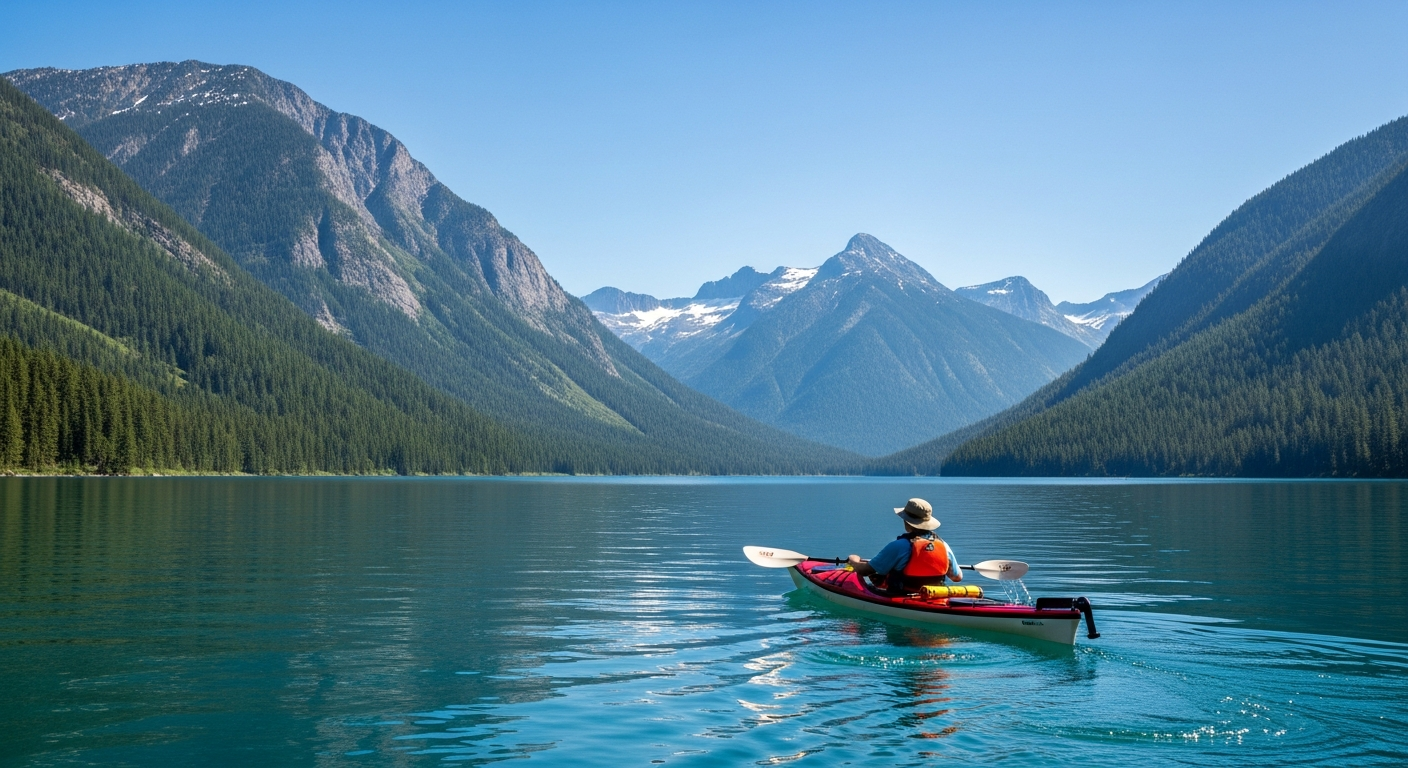
From the seat of a kayak, you become an intimate part of the landscape. You can observe wildlife up close without disturbing it, listen to the gentle lapping of water, and feel the sun or mist on your skin. This deep immersion fosters a profound appreciation for natural beauty and conservation. It is a chance to truly unplug from daily life and reconnect with the wild.
Physical and Mental Benefits
Kayaking is an excellent low-impact exercise that strengthens your core, arms, and back. Beyond the physical workout, it offers significant mental benefits. The rhythmic motion of paddling and the tranquility of nature can reduce stress and improve mental clarity. It is a fantastic way to boost both your physical health and your overall well-being.
Choosing Your Vessel: Types of Kayaks for Travel
Selecting the right kayak is crucial for a successful travel experience. Your choice depends on the type of water you will explore, the length of your trips, and your personal comfort preferences. Each kayak type has unique features suited for different adventures.
Recreational Kayaks
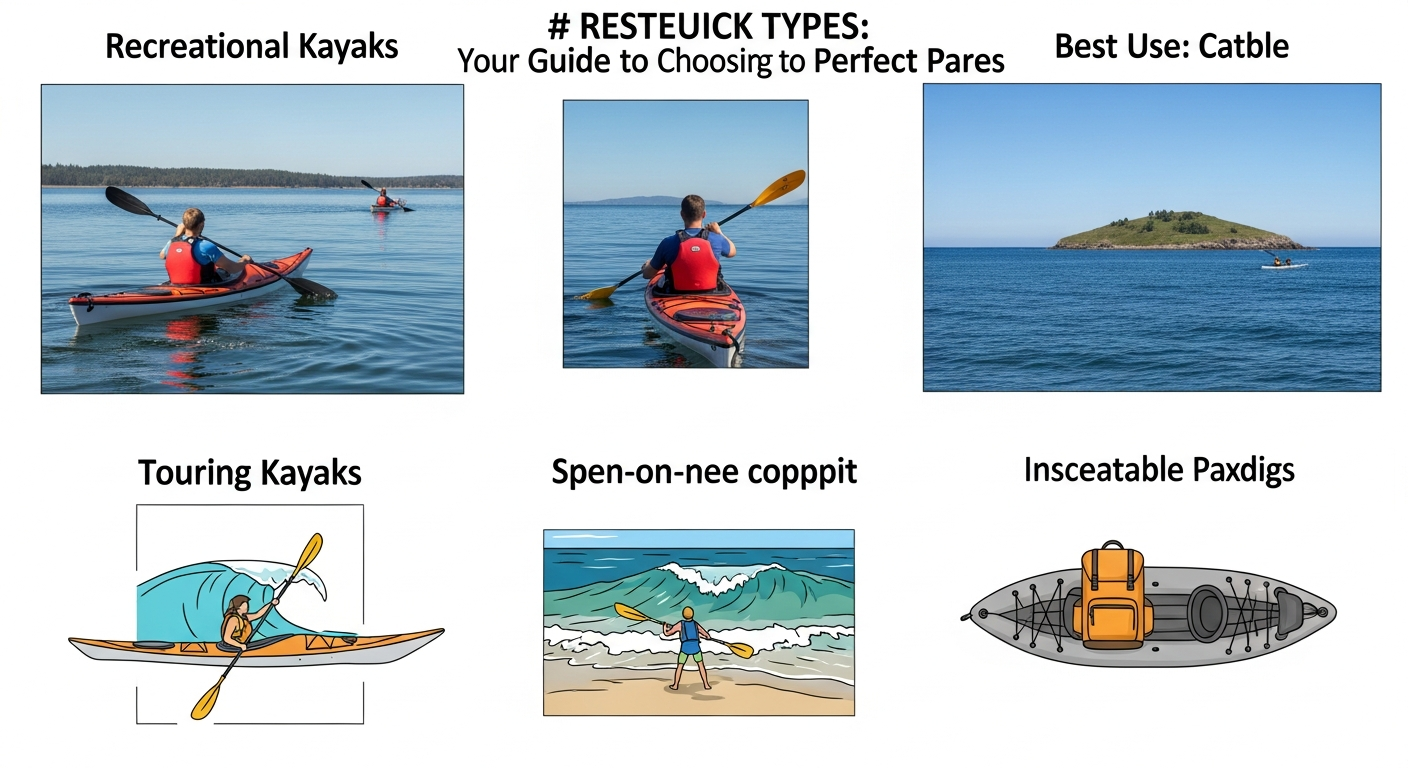
These are stable, easy to maneuver, and ideal for beginners or short trips on calm lakes and slow rivers. They often have large cockpits for easy entry and exit. While comfortable, they are not designed for long distances or rough conditions.
Touring Kayaks
Also known as sea kayaks, these are longer and narrower, built for efficiency and speed over long distances. They offer good tracking and typically have sealed compartments for gear storage, making them perfect for multi-day expeditions and open water. They require more skill to handle.
Sit-on-Top Kayaks
As the name suggests, you sit on top of the kayak rather than inside. These are popular for warmer climates, ocean paddling, and fishing. They are easy to re-enter if you flip and are self-draining. However, they offer less protection from the elements and can be slower.
Inflatable Kayaks
Inflatable kayaks are highly portable and easy to store, making them excellent for travelers with limited space. Modern inflatables are surprisingly durable and stable, suitable for a range of calm to moderate waters. They are a great option for those who want to fly with their kayak.
Here is a comparison of common kayak types for travel:
| Kayak Type | Best For | Key Features | Pros | Cons |
| Recreational | Short trips, calm waters, beginners | Wide, stable, large cockpit | Easy to use, affordable, stable | Slower, less efficient for long distances, limited storage |
| Touring | Long distances, open water, multi-day trips | Longer, narrower, often sealed hatches, rudder | Fast, efficient, good tracking, ample storage | Less stable, harder to maneuver in tight spots, heavier |
| Sit-on-Top | Warm weather, ocean paddling, fishing | Open deck, self-draining scuppers | Easy re-entry, good for swimming, versatile | Less protection from elements, slower, less storage |
| Inflatable | Travel, storage, calm to moderate waters | Portable, durable PVC/Hypalon | Compact, lightweight, easy transport | Slower, susceptible to punctures, not for rough conditions |
Essential Gear for Your Kayak Adventure
Having the right gear is vital for safety, comfort, and enjoyment during your kayak travel. Do not overlook any of these key items.
Personal Safety Equipment
- Personal Flotation Device (PFD): This is non-negotiable. Always wear a properly fitted PFD. It could save your life.
- Whistle: For signaling in emergencies. Attach it to your PFD.
- Knife: A rescue knife for cutting tangled lines or ropes.
- First Aid Kit: A waterproof kit stocked with essentials for minor injuries.
- Sun Protection: Sunscreen, hat, and sunglasses are crucial, especially on open water.
Paddling Essentials
- Paddle: Choose a paddle that matches your height and kayak width. A spare paddle is always a good idea for longer trips.
- Spray Skirt (for sit-in kayaks): Keeps water out of the cockpit in choppy conditions.
- Bilge Pump or Sponge: For removing water that gets into your kayak.
- Dry Bags: Essential for keeping your clothes, electronics, and other gear dry.
Camping and Navigation Gear
For multi-day trips, you will need additional items:
- Lightweight Tent/Hammock: Suitable for waterfront camping.
- Sleeping Bag and Pad: Appropriate for the expected temperatures.
- Water Filter/Purifier: Access to clean drinking water is critical.
- Navigation Tools: Waterproof map, compass, and a GPS device or smartphone with marine charts. Know how to use them.
- Headlamp/Flashlight: For navigating in the dark at camp or on the water.
- Food and Cooking Gear: Non-perishable food, a portable stove, and fuel.
Planning Your Kayak Travel Expedition
Careful planning ensures a smooth and memorable kayak trip. From choosing your route to understanding the weather, every detail counts.
Researching Destinations and Routes
Thorough research is the cornerstone of a successful trip. Look for detailed maps, guidebooks, and online forums. Pay attention to launch points, campsites, and potential hazards. Understand the local geography and any specific challenges it might present. Consider the length of your trip and your paddling experience when choosing a route.
Weather and Water Conditions
Always check the weather forecast before and during your trip. Pay attention to wind speed and direction, potential storms, and water temperatures. For coastal trips, understand tide tables and currents. For rivers, know the water levels and any rapids. Conditions can change quickly, so always be prepared for the unexpected.
Permits and Regulations
Many national parks, state parks, and wilderness areas require permits for kayaking or camping. Research and obtain any necessary permits well in advance. Be aware of local regulations regarding fishing, wildlife interaction, and camping. Respecting these rules helps preserve the natural environment for everyone.
Packing Smartly
Packing efficiently is an art for kayak travelers. Distribute weight evenly in your kayak to maintain balance. Use dry bags for everything you want to keep dry, and label them for easy access. Only bring what is truly essential to keep your load light and manageable. Think about layers of clothing for changing weather.
Safety on the Water: Staying Secure While You Explore
Safety should always be your top priority when kayak traveling. Even experienced paddlers can face unexpected situations. Being prepared and knowledgeable can prevent accidents.
Basic Kayak Skills and Training
Before embarking on a long trip, ensure you have basic paddling skills. This includes proper stroke techniques, steering, and most importantly, self-rescue. Practice capsizing and re-entering your kayak in a safe environment. Consider taking a certified kayaking course to learn essential skills from experts.
Emergency Preparedness
Always inform someone of your travel plans, including your route and expected return time. Carry a fully charged cell phone in a waterproof case, and consider a satellite messenger for remote areas. Know how to signal for help and what to do in case of a medical emergency. A well-stocked first aid kit is crucial.
“As noted by experienced paddler Sarah Jenkins, ‘Kayak travel is not just about getting from point A to point B; it is about the journey itself, the quiet moments, and the profound connection you forge with the natural world around you.'”
Understanding Tides, Currents, and Winds
These natural forces can greatly impact your kayak travel. Understanding how to read tide charts, identify currents, and anticipate wind changes is vital for safe navigation. Paddle with these forces when possible to conserve energy, and avoid paddling against strong headwind or currents. Always be aware of your surroundings.
Top Destinations for Kayak Travel
The world is full of incredible places waiting to be explored by kayak. Here are just a few ideas to inspire your next adventure.
Coastal Wonders
- Maine Coast, USA: Explore rocky shorelines, quiet coves, and charming islands. Spot seals, seabirds, and even whales.
- Norwegian Fjords: Paddle through dramatic landscapes of towering cliffs, waterfalls, and serene waters. A truly breathtaking experience.
- Baja California, Mexico: Discover desert landscapes meeting the sea, with opportunities to paddle alongside dolphins and sea lions in clear, warm waters.
Serene Lake Systems
- Boundary Waters Canoe Area Wilderness, USA: A vast network of interconnected lakes and rivers, perfect for multi-day wilderness paddling and camping.
- Lake Superior, Canada/USA: The largest freshwater lake by surface area, offering stunning sea caves, pristine beaches, and challenging paddling for experienced kayakers.
- Lake Bled, Slovenia: Paddle to a picturesque island church in the middle of an emerald-green lake, surrounded by mountains.
River Journeys
- Colorado River, USA (Lower Sections): Experience iconic desert landscapes from a unique perspective. Many sections are suitable for intermediate paddlers.
- Danube River, Europe: Embark on a grand tour through multiple countries, experiencing diverse cultures and stunning scenery from your kayak.
- Amazon River Tributaries, South America: For the truly adventurous, explore the incredible biodiversity of the rainforest by paddling its quieter tributaries.
Conclusion
Kayak travel offers an unparalleled opportunity to explore the world, connect with nature, and challenge yourself in new ways. It is a journey of discovery, peace, and adventure, all from the unique vantage point of the water. By choosing the right gear, planning carefully, and prioritizing safety, you can unlock incredible experiences that will last a lifetime.
Whether you are a seasoned paddler or just starting out, the world of kayak travel is waiting for you. So, pack your bags, prepare your vessel, and set out to explore the amazing waterways our planet has to offer. Your next great adventure is just a paddle stroke away.
Frequently Asked Questions About Kayak Travel
1. Is kayak travel suitable for beginners?
Yes, absolutely! Many destinations offer calm lakes and gentle rivers perfect for beginners. Start with shorter trips and gain confidence. Taking a basic kayaking lesson can greatly improve your skills and comfort on the water.
2. What is the most important piece of safety gear for kayaking?
The most critical piece of safety gear is a properly fitted Personal Flotation Device (PFD). Always wear it when you are on the water, regardless of your swimming ability or the conditions. It provides essential buoyancy in case of a capsize.
3. How do I choose the right kayak for my trip?
Consider the type of water you will be paddling (calm lake, ocean, river), the length of your trip (day trip vs. multi-day), and your skill level. Recreational kayaks are great for beginners on calm waters, while touring kayaks are better for long distances and open water. Consult the table in this guide for more details.
4. Can I go kayak traveling alone?
While solo kayak travel is possible and offers unique solitude, it carries higher risks. It is generally recommended to paddle with a buddy or in a group, especially for longer or more challenging trips. If you do go solo, always inform someone of your detailed itinerary and expected return time.
5. What should I pack for a multi-day kayak trip?
For multi-day trips, pack essential safety gear (PFD, first aid, whistle), navigation tools (map, compass, GPS), dry bags for all gear, appropriate layers of clothing, a lightweight tent or shelter, sleeping bag, cooking gear, water purification system, and non-perishable food. Pack only what is necessary and distribute weight evenly. An emergency repair kit for your kayak is also wise.