Mastering Travel 4 Advisory: Your Essential 2026 Guide
The world of travel is exciting and full of discovery. Yet, it also comes with uncertainties. As of March 27, 2026, staying informed is more important than ever. This is where understanding the “travel 4 advisory” system becomes your best friend. This system is designed to keep you safe and aware of potential risks in different parts of the globe.
This comprehensive guide will help you navigate global travel safely and smartly. We will explore what these advisories mean in detail. You will learn how to use them to make good choices for your trips, ensuring peace of mind. Whether you are a seasoned explorer planning an exotic adventure or simply considering a family vacation, this information is vital. It helps you protect your health, your safety, and your financial well-being. Let us dive into how to travel with confidence and knowledge in today’s interconnected world.
Key Takeaways
- Understanding the Levels: Travel advisories use a clear four-level system. Level 4 means “Do Not Travel” and points to serious, life-threatening risks. Each level requires a different degree of caution.
- Stay Updated Constantly: Always check official government travel advisory websites immediately before booking and regularly during your trip. Global conditions and local situations can change rapidly and unexpectedly.
- Personal Risk Assessment is Key: Your personal health, travel experience, and planned activities at your destination significantly influence how you should interpret an advisory. What is risky for one person might be manageable for another.
- Insurance Matters Greatly: Standard travel insurance often does not cover claims arising from travel to Level 3 or 4 advisory areas. Always review your policy details thoroughly and consider specialized coverage if necessary.
- Cross-Reference Multiple Sources: Do not rely on just one source of information. Cross-reference advisories from different trusted national governments and international organizations for a comprehensive and balanced perspective.
What is a Travel 4 Advisory?
A “travel 4 advisory” specifically refers to the highest level of travel warning issued by governments. This warning explicitly advises citizens not to travel to a particular country or region. It signifies that there are extremely serious risks to your life and safety that are likely to occur. These severe risks can encompass a wide range of dangers, including ongoing armed conflict, widespread civil unrest, major public health emergencies like uncontrolled epidemics, or a high threat of terrorism.
Understanding the full spectrum of these advisories is critically important for any international traveler. Most developed countries, including the United States, Canada, the United Kingdom, and Australia, employ a similar and easily understandable four-level system. This standardized system helps travelers quickly grasp the general safety situation of a prospective destination. It provides a clear, actionable framework for making informed and responsible travel decisions.
Understanding the Levels
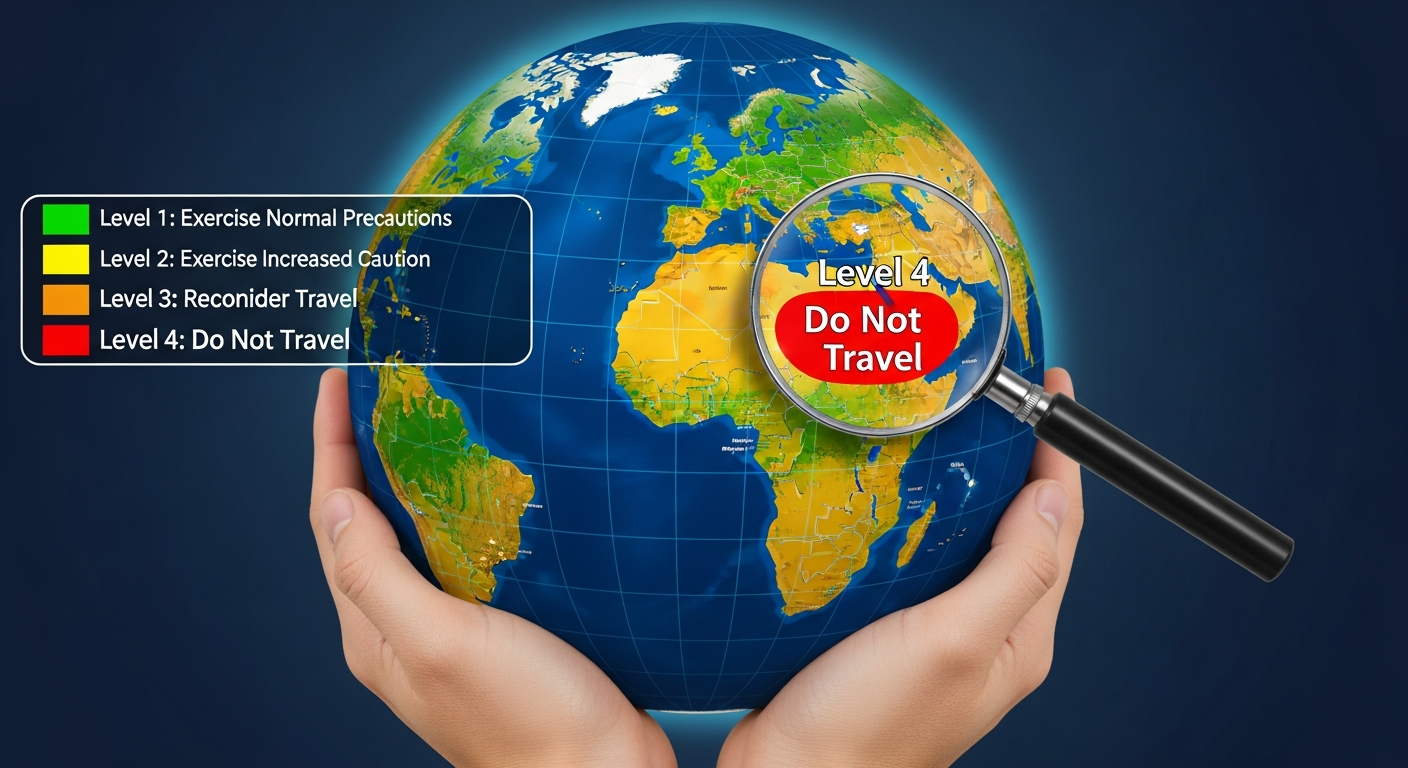
Travel advisories are not solely focused on Level 4 warnings. They are part of a progressive scale, each indicating a different degree of risk and requiring different levels of traveler awareness and action.
- Level 1: Exercise Normal Precautions. This is the lowest level of advisory, indicating that the destination is generally considered safe. While traveling here, you should still be aware of your surroundings, just as you would in your home country. Basic personal safety measures are always recommended.
- Level 2: Exercise Increased Caution. This level suggests that specific risks are present. These might include heightened levels of petty crime, localized political instability, or specific health concerns. Travelers should be more watchful, review local conditions closely, and perhaps avoid certain areas.
- Level 3: Reconsider Travel. At this level, significant and serious risks are present. These could include high crime rates, credible terrorist threats, or ongoing health crises that pose a substantial danger. Governments advise you to think carefully and weigh the risks before proceeding with your travel plans.
- Level 4: Do Not Travel. This is the most severe warning. It means there is an extreme likelihood of life-threatening risks in the area. These could be active warfare, severe public health emergencies, or widespread violent crime. Governments often strongly advise their citizens to leave these areas immediately if they are already present.
Here is a table summarizing the advisory levels and their implications:
| Advisory Level | Description | Key Risks | Recommended Action | Insurance Impact (General) |
| **Level 1: Normal** | Generally safe, standard risks. | Petty crime, minor inconveniences. | Exercise routine awareness, enjoy your trip. | Usually covered. |
| **Level 2: Increased Caution** | Specific risks present. | Higher crime, political instability, health alerts. | Be more vigilant, avoid certain areas, review local news. | Likely covered, but check for specific exclusions. |
| **Level 3: Reconsider Travel** | Serious risks, consider postponing. | High crime, terrorism, major health crises, unrest. | Re-evaluate necessity, consider postponing, check insurance, prepare for quick departure. | Coverage may be limited or voided; requires careful review. |
| **Level 4: Do Not Travel** | Extreme life-threatening risks. | War, active conflict, severe epidemics, widespread violence. | Cancel or postpone immediately, depart if already there, contact embassy. | Highly likely voided; specialized insurance may be needed. |
Key Sources and Updates
Reliable and timely information is the cornerstone of smart travel. The primary and most authoritative sources for travel advisories are official government websites. These include:
- U.S. Department of State: This resource provides comprehensive, country-specific travel advisories for American citizens, along with detailed safety and security information.
- Global Affairs Canada: Offers similar detailed advice and warnings specifically tailored for Canadian travelers, covering a wide array of global destinations.
- UK Foreign, Commonwealth & Development Office (FCDO): Guides British citizens on international travel, offering up-to-date information on safety, security, and local laws.
- Australian Department of Foreign Affairs and Trade (DFAT): Issues Smartraveller advisories for Australians, focusing on helping them make informed decisions and stay safe overseas.
These government sources diligently update their information on a continuous basis. They react swiftly to changes in geopolitical situations, emerging health crises, and evolving safety threats. It is always imperative to check the official government website for your home country, as advisories can vary slightly based on national interests and intelligence.
Why Travel Advisories Matter in 2026
The global landscape is in a constant state of flux. In 2026, new geopolitical shifts, technological advancements, and environmental concerns continue to shape international travel. Travel advisories serve as an indispensable compass, guiding travelers through these complex and often unpredictable environments. Ignoring them can lead to significant and avoidable problems.
Current Global Landscape
Today’s world is characterized by a dynamic array of challenges. These include evolving political climates, localized regional conflicts that can flare up unexpectedly, and the persistent threat of novel health concerns. Furthermore, the increasing frequency and intensity of natural disasters, such as extreme weather events, pose significant risks to travelers. These multifaceted factors can rapidly transform a seemingly safe trip into a precarious situation. Advisories are designed to reflect these real-time conditions, providing you with the most current and accurate picture of a destination’s safety profile.
Protecting Your Health and Safety
The foremost objective of any travel advisory is to safeguard your well-being. A Level 4 advisory, for instance, highlights extreme dangers that could directly threaten your physical safety. This might encompass risks such as widespread violence, kidnapping, or pervasive civil unrest. It could also point to severe public health risks, such as uncontrolled epidemics or a lack of adequate medical infrastructure. By carefully heeding these warnings, you can significantly reduce your exposure to potential harm. This is fundamentally about making informed, proactive choices to ensure the safety and security of yourself and your loved ones.
Financial Implications and Insurance
Overlooking or disregarding a travel advisory can have severe financial repercussions. It is a critical point that most standard travel insurance policies contain specific exclusions. They often do not provide coverage for claims that arise from travel to areas under a Level 3 or Level 4 advisory. This means that if you fall ill, sustain an injury, or require emergency evacuation from such a region, your insurance provider might refuse to cover the costs. You could then be faced with exorbitant medical bills, costly repatriation fees, or other unexpected expenses. Always make it a priority to thoroughly read your travel insurance policy’s fine print. Understand precisely what is covered and, more importantly, what is explicitly excluded, especially concerning travel advisories.
How to Interpret and Use Advisories Effectively
Travel advisories are powerful information tools. However, they demand careful and thoughtful interpretation to be truly effective. Simply seeing a “Level 4” designation does not provide the complete picture. You need to delve deeper into the details to make the most appropriate decision for your specific travel plans.
Beyond the Headline: Reading the Fine Print
Never settle for just the overall advisory level. It is crucial to always read the detailed explanations and specific reasons provided for the warning. A Level 3 advisory, for example, might apply only to a particular region or province within a larger country, rather than the entire nation. For instance, a country might have a general Level 2 advisory, but a specific border region could be elevated to Level 4 due to ongoing conflict or a heightened security threat. Understanding these important nuances allows you to make targeted decisions. This might mean simply adjusting a small segment of your itinerary or avoiding a specific area, rather than canceling your entire trip unnecessarily.
Personal Risk Assessment
Every traveler possesses a unique set of circumstances, experiences, and risk tolerances. What one person considers an acceptable level of risk, another might find completely unacceptable. It is essential to consider your own personal factors:
- Health Status: Do you have any pre-existing medical conditions, or are you immunocompromised? Certain health advisories might pose a greater risk to you.
- Travel Experience: Are you an experienced traveler, particularly in challenging or unfamiliar environments? Your comfort level and ability to adapt are important.
- Destination Activities: What precisely will you be doing at your destination? Are you participating in a highly organized tour, or are you planning to explore remote areas independently?
- Travel Companions: Are you traveling solo, with young children, elderly relatives, or individuals with special needs? The vulnerability of your travel group significantly impacts risk assessment.
These individual factors critically influence how a general travel advisory applies to your specific situation. A young, healthy, and adventurous solo traveler might weigh risks differently than a family traveling with small children or an elderly couple seeking a peaceful retreat.
Cross-Referencing Multiple Sources
No single source of information should be your sole guide. It is a best practice to always check advisories from at least two different national governments. For example, if you are an American citizen, consult the U.S. State Department’s advisories. Additionally, review advisories issued by Global Affairs Canada, the UK Foreign, Commonwealth & Development Office, or the Australian Department of Foreign Affairs and Trade. Different countries may highlight varying concerns based on their unique intelligence assessments, diplomatic relations, or citizen profiles.
Beyond government warnings, you should also actively consult international health organizations. These include the World Health Organization (WHO) and the Centers for Disease Control and Prevention (CDC). These organizations provide invaluable, specific health guidance and alerts. Furthermore, monitoring reputable local news sources in your destination country can offer crucial, real-time insights into ground conditions and public sentiment.
Planning Your Trip with Travel 4 Advisory in Mind
Integrating travel advisories into every phase of your journey is the hallmark of smart and responsible planning. This proactive approach is fundamental to ensuring a safer, smoother, and more enjoyable travel experience.
Before You Book: Research is Key
The most crucial time to consult travel advisories is before you make any financial commitments. This includes booking flights, reserving accommodations, and purchasing tour packages. If a destination is currently under a Level 3 or Level 4 advisory, you might seriously consider choosing an alternative location. Alternatively, if you are determined to proceed, you will need to adjust your expectations and significantly enhance your preparations. It is also wise to examine the historical trend of advisories for your chosen area. Is it consistently flagged as high risk, or is a recent, temporary event causing a momentary spike in the advisory level?
During Your Trip: Staying Informed
Travel advisory levels and local conditions can change with startling speed. Once you have arrived at your destination, it is imperative to continue monitoring official sources diligently. Sign up for specific travel alerts from your government’s travel advisory service. Follow reputable local news outlets and pay attention to local government announcements. Always maintain an acute awareness of your immediate surroundings. If conditions begin to worsen or an advisory level changes, be prepared to adjust your plans swiftly, or even leave the area if officially advised to do so. Always have a contingency plan in place.
Emergency Preparedness
Even with the most meticulous planning, unforeseen emergencies can and sometimes do occur. Being adequately prepared can make a significant difference in such situations:
- Registration: Register your trip details with your country’s embassy or consulate. This vital step allows them to contact you directly in the event of an emergency or natural disaster.
- Contact Information: Keep a readily accessible list of important contact numbers. This should include your embassy or consulate, local emergency services, your travel insurance provider, and key family members or friends back home.
- Emergency Fund: Ensure you have access to an emergency fund. This extra money can cover unexpected changes, early departure costs, or unforeseen medical expenses that might not be covered by insurance.
- Travel Documents: Make several copies of your passport, visa, flight tickets, and travel insurance details. Keep these copies separate from the originals and leave a set with a trusted person at home.
Common Misconceptions About Travel Advisories
Despite their undeniable importance, travel advisories are frequently misunderstood or misinterpreted by the general public. Dispelling these common myths is essential for using them most effectively and responsibly.
“They’re Always Overly Cautious.”
A common sentiment among some travelers is that government advisories are excessively conservative or overly cautious. They might believe that the warnings are exaggerated or do not apply to their specific travel style. While governments prioritize the safety and security of their citizens above all else, advisories are firmly based on real-time intelligence, comprehensive risk assessments, and expert analysis. They are designed to protect the widest range of travelers, from the most adventurous to the most vulnerable. What might seem overly cautious to an experienced backpacker could genuinely be a life-saving warning for a family with young children. It is always prudent to be thoroughly informed and adequately prepared.
“My Travel Insurance Covers Everything.”
This is perhaps one of the most dangerous assumptions a traveler can make. As previously highlighted, the vast majority of standard travel insurance policies explicitly exclude coverage for incidents that occur in areas under a Level 3 or Level 4 advisory. Traveling against such official advice is typically considered a breach of policy terms, which can effectively void your entire coverage. While some specialized insurance policies might offer coverage for high-risk areas, these are often considerably more expensive and come with very strict conditions and limitations. Always, without exception, confirm the specifics of your coverage directly with your insurance provider before contemplating travel to an advisory area. A simple phone call or email can potentially save you from thousands of dollars in uncovered expenses.
“It Won’t Happen to Me.”
This “invincible” mindset can unfortunately lead to severe and avoidable risks. While it is true that the vast majority of international trips unfold without major incident, intentionally ignoring official warnings significantly increases your chances of encountering serious problems. Whether it is a sudden health crisis, an unexpected wave of political unrest, or a devastating natural disaster, these events are inherently unpredictable. They can, and do, affect anyone, regardless of their personal precautions. Travel advisories exist precisely to help you avoid becoming a statistic. Taking them seriously is not a sign of fear, but rather a hallmark of a responsible, intelligent, and truly smart traveler.
Future of Travel Advisories and Smart Travel
The landscape of how we receive, interpret, and utilize travel advisories is in a continuous state of evolution. Rapid advancements in technology and a growing global awareness among travelers are actively shaping the future of smart and informed travel.
Technology’s Role in Real-time Updates
Technological advancements are making advisories significantly more dynamic and accessible. The proliferation of sophisticated mobile applications, instant push notifications, and advanced AI-driven risk assessment platforms will soon offer even faster and more granular updates. Imagine receiving an alert directly on your smartphone about a specific street or neighborhood to avoid due to a rapidly developing protest, mere seconds after it begins. This level of real-time, hyper-localized information will empower travelers to make immediate, on-the-ground decisions, vastly enhancing their safety and adaptability.
The Evolving Traveler’s Responsibility
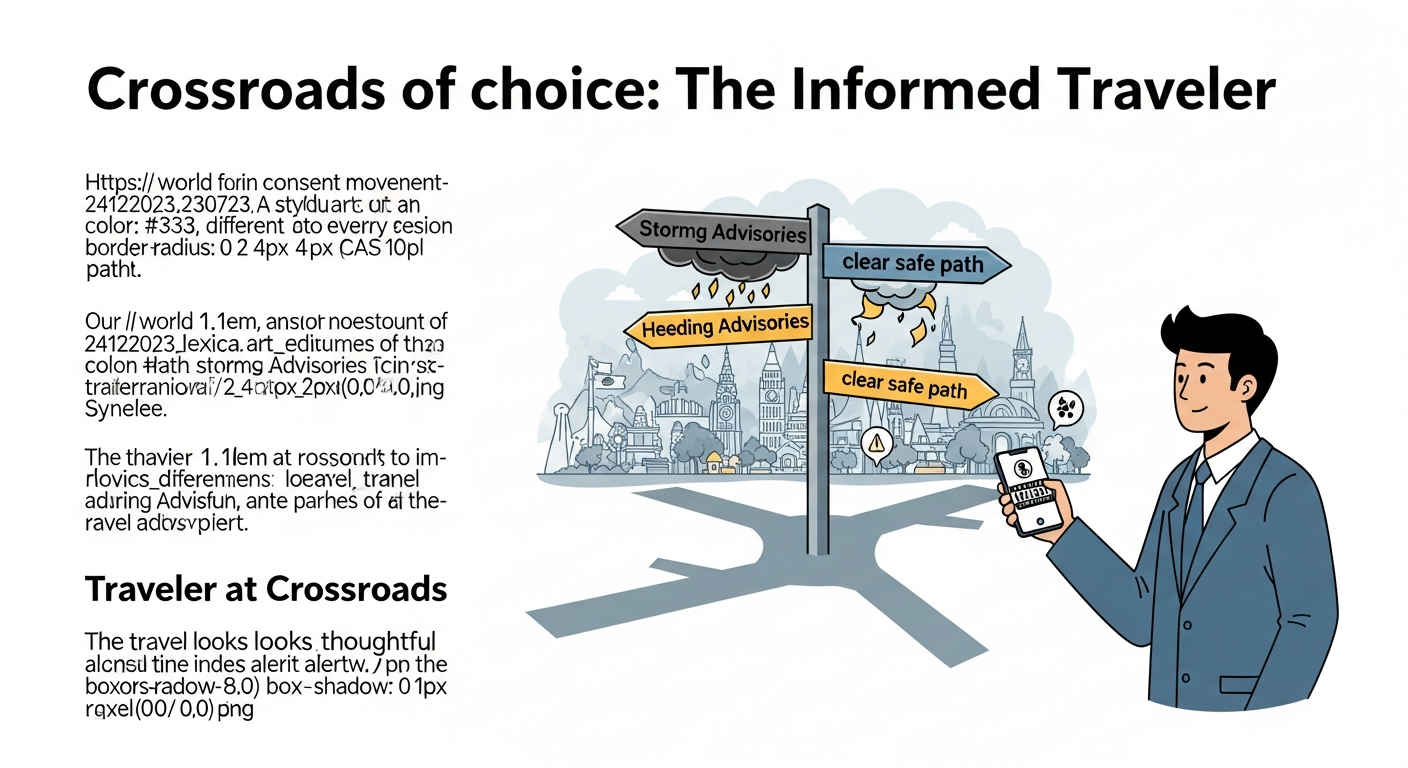
As critical information becomes more readily available and instantly accessible, the individual traveler’s responsibility to seek out and understand these advisories grows proportionally. It is no longer sufficient to simply book a flight, pack a bag, and depart without further consideration. The smart traveler of 2026 will be inherently proactive, diligently informed, highly adaptable, and ready to respond decisively to rapidly changing conditions. This fundamental shift signifies a more engaged, responsible, and ultimately more rewarding approach to exploring our diverse and interconnected world.
Conclusion
Navigating the complexities of global travel in 2026 demands a combination of keen awareness and thorough preparation. The “travel 4 advisory” system stands as a critical cornerstone of this modern approach. It provides invaluable, objective insights into the potential risks and realities associated with international destinations. By diligently understanding the various advisory levels, consistently consulting reliable and official sources, and conducting your own personalized risk assessment, you empower yourself to make truly informed and safer travel decisions.
Remember, travel is an incredibly enriching and transformative experience. However, it should always, without exception, be a safe one. Use this comprehensive guide to make intelligent choices. Protect your health, ensure your personal safety, and safeguard your financial well-being throughout your journeys. Travel smart, stay informed, and embrace your adventures around the globe with confidence and peace of mind.
Frequently Asked Questions (FAQ)
Q1: What does “Travel 4 Advisory” specifically mean?
A: A “Travel 4 Advisory” is the most severe level of travel warning issued by governments. It unequivocally means “Do Not Travel” to that specific country or region. This advisory is issued due to extreme, life-threatening risks such as active warfare, widespread civil unrest, severe public health emergencies, or a very high threat of terrorism.
Q2: Should I always cancel my trip if there’s a Level 3 or 4 advisory?
A: For a Level 4 advisory, it is very strongly advised to cancel or postpone your trip immediately, and to depart if you are already there. For a Level 3 (“Reconsider Travel”), you should carefully assess the specific risks detailed in the advisory, review your personal situation and vulnerability, and critically examine your travel insurance policy before making a final decision.
Q3: How often are travel advisories updated?
A: Travel advisories are updated with high frequency, often daily or even hourly, particularly during periods of rapidly evolving global or local events. Government bodies continuously monitor international situations and revise advisories as new intelligence becomes available or as conditions on the ground change.
Q4: Does travel insurance cover trips to Level 3 or 4 advisory areas?
A: Most standard travel insurance policies include clauses that explicitly exclude coverage for incidents that occur in areas under a Level 3 or Level 4 advisory. Traveling against such official advice typically voids your coverage. It is absolutely crucial to contact your insurance provider directly to understand your specific policy’s terms, conditions, and exclusions before considering travel to an advisory area.
Q5: Besides government sites, where else can I find reliable travel advisory information?
A: In addition to official government travel advisory websites, you can find highly reliable information from international health organizations such as the World Health Organization (WHO) and the Centers for Disease Control and Prevention (CDC) for health-specific guidance. Reputable international news sources and trusted local news outlets in your destination can also offer valuable, real-time insights into ground conditions.