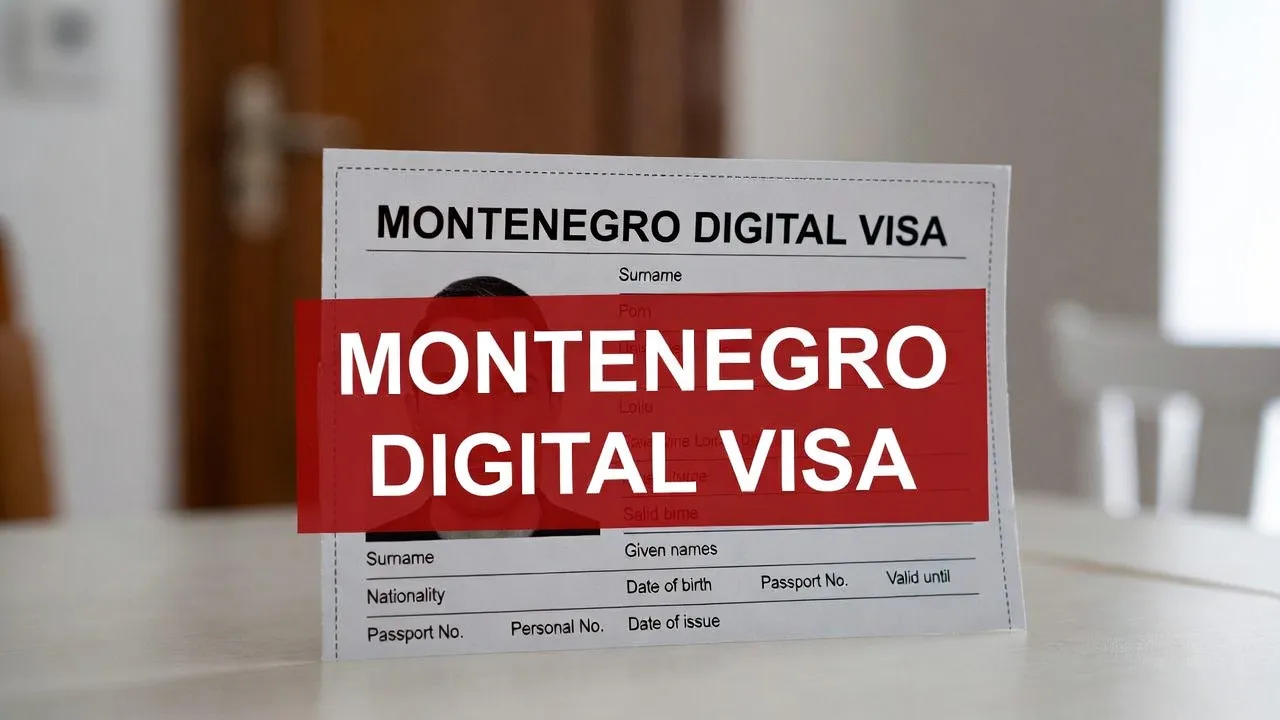

Montenegro offers one of Europe’s most attractive digital nomad visas for remote workers. With stunning Adriatic beaches, affordable living costs, and a residence permit lasting up to two years, this small Balkan country has become a popular choice for location-independent professionals. This guide covers everything you need to know about the visa requirements, costs, and application process.
Key Takeaways
- The visa allows stays of up to 2 years with the option to extend for another 2 years
- Minimum income required is approximately €1,800 to €2,400 per month (three times the minimum wage)
- You must work for a foreign company or have foreign clients, not Montenegrin employers
- Application cost is around €47 for the residence permit plus insurance and translation fees
- You can apply inside Montenegro as a tourist without visiting an embassy first
- Family members can join you on dependent visas
What Is the Montenegro Digital Nomad Visa?
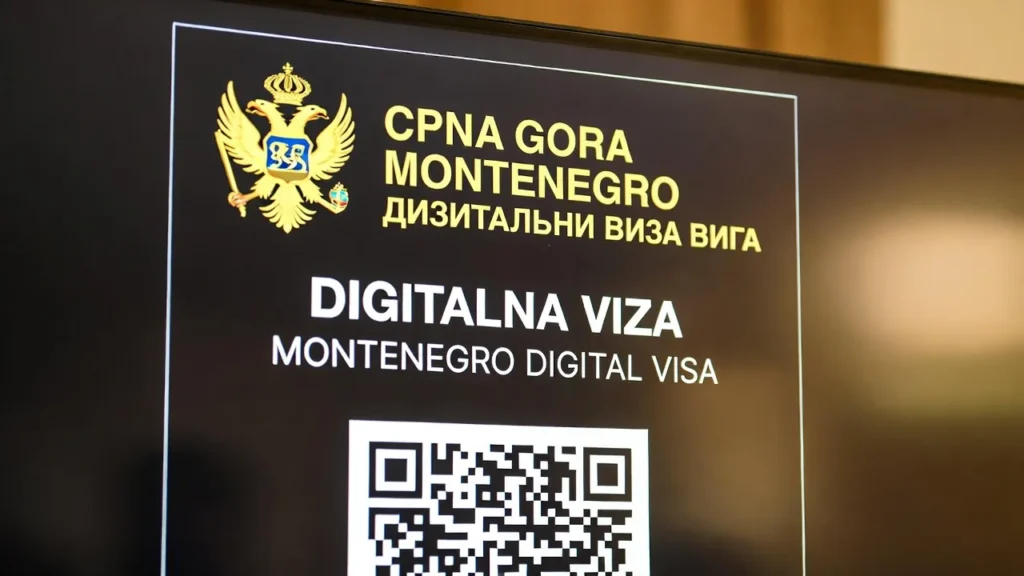
Launched in 2022, Montenegro’s digital nomad visa is a residence permit designed for remote workers, freelancers, and self-employed professionals. The official program is called “Attracting Digital Nomads” and aims to bring skilled professionals and their spending power to the country.
The visa suits many professions including:
- IT specialists and software developers
- Freelance writers and editors
- Business consultants
- Accountants
- Translators
- Marketers
- Anyone who works remotely using a computer and internet
“The main requirement is that the income must come from a foreign source, not a Montenegrin one.”
Eligibility Requirements
To qualify for Montenegro’s digital nomad visa, you must meet several criteria.
Basic Requirements
Income Requirements
You must earn at least three times the minimum wage in Montenegro. As of 2026:
- Minimum wage: €600 to €670 per month (depending on education level)
- Required income: approximately €1,800 to €2,400 per month
Some sources cite the annual requirement as approximately €17,364 per year (around $18,900 USD).
Other Qualifications
- Valid passport with at least 3 to 12 months validity beyond your stay
- Health insurance covering your time in Montenegro
- Accommodation in Montenegro either rented or owned
Required Documents
Gather these documents before applying for the Montenegro digital nomad visa.
Personal Documents
| Document | Notes |
|---|---|
| Valid passport | At least 6 months validity recommended |
| Passport-size photos | 35 x 45 mm color photos |
| Completed application form | In Montenegrin or English |
Proof of Remote Work
Financial Documents
| Document | What It Shows |
|---|---|
| Bank statements | Past 3 to 12 months of income |
| Payslips | Recent payment records from employer |
| Tax returns | Additional proof of income if needed |
Other Required Documents
Document Translation
All documents not in Montenegrin must be translated and certified. Translation costs approximately €19 or more per document.
How to Apply
Unlike many digital nomad visas, Montenegro allows you to apply while already in the country as a tourist. This makes the process simpler.
Step 1: Enter Montenegro as a Tourist
Most nationalities can enter Montenegro visa-free for 30 to 90 days. Use this time to:
- Find accommodation
- Explore potential cities to live in
- Gather any remaining documents
Step 2: Prepare Your Documents
Before submitting, make sure you have:
- All documents translated into Montenegrin
- Documents notarized where required
- Recent criminal background check
- Health insurance purchased
Step 3: Submit Your Application
Visit the Ministry of Internal Affairs office in the area where your accommodation is located. Submit:
- Completed application form
- All required documents
- Payment of application fees
Step 4: Wait for Processing
Processing takes approximately 40 days. Some sources mention around 4 weeks for initial processing.
Step 5: Receive Your Residence Permit
Once approved, you will receive your temporary residence permit allowing you to stay and work remotely in Montenegro.
Visa Costs and Fees
The Montenegro digital nomad visa is relatively affordable compared to other countries.
Official Fees
| Fee Type | Cost (EUR) |
|---|---|
| Visa fee (if required before entry) | €35 |
| Residence permit application | €47 |
| Residence permit extension | €27 |
Additional Costs
| Expense | Approximate Cost (EUR) |
|---|---|
| Health insurance (2 years) | €760 |
| Document translation (per document) | From €19 |
| Notarization fees | Varies |
Total Estimated Cost
If you use an agency for full assistance, expect to pay around €1,000 for the complete package including paperwork preparation, insurance, translations, and fees.
How Long Can You Stay?
The Montenegro digital nomad visa offers generous stay periods:
- Initial duration: Up to 2 years
- Extension: Can be renewed for another 2 years
- Total possible stay: Up to 4 years with renewal
Some sources mention an initial period of 12 months with renewal options. The exact duration may depend on your specific application.
Taxes for Digital Nomads
Unlike some digital nomad visas that offer tax exemptions, Montenegro does tax foreign income for digital nomad visa holders.
This means:
- You may need to file taxes in Montenegro
- Tax planning is essential before relocating
- Consider consulting a tax professional familiar with Montenegro
Best Cities for Digital Nomads
Montenegro offers several attractive locations for remote workers, each with different benefits.
Budva: The Coastal Hub
Best for: Beach lovers, social nomads, summer visitors
Budva is the most popular destination for digital nomads. It offers:
- Beautiful beaches and Mediterranean lifestyle
- Active expat and nomad community
- Coworking spaces like MONTECO (around €280/month)
- Vibrant nightlife, especially in summer
- Regular meetups and networking events
Downsides: Higher costs, very touristy in peak season
Podgorica: The Capital
Best for: Budget-conscious nomads, year-round stability
The capital offers the best value for money:
- More affordable rent (€450 to €750 for one bedroom)
- Year-round infrastructure without seasonal swings
- Multiple coworking spaces
- Urban amenities and services
- Growing expat community
Downsides: Less scenic than coastal towns, no beach access
Kotor: Historic Charm
Best for: History lovers, photography enthusiasts
Kotor sits in a stunning bay surrounded by mountains:
- UNESCO World Heritage old town
- Picturesque setting
- Good cafes for working
- Strong Wi-Fi in most areas
Downsides: Can be crowded with cruise ship visitors
Tivat: Luxury Marina Town
Best for: Higher-budget nomads, yacht enthusiasts
Tivat features the upscale Porto Montenegro marina:
- Modern infrastructure
- International atmosphere
- Quality restaurants and cafes
- Good internet connectivity
Downsides: Most expensive area in Montenegro
Cost of Living in Montenegro
Montenegro remains affordable compared to Western Europe, making it attractive for digital nomads.
Monthly Expenses
Total Monthly Budget
| Lifestyle | Monthly Cost (EUR) |
|---|---|
| Modest/budget | €900 to €1,300 |
| Comfortable | €1,400 to €2,100 |
| Premium coastal | €2,200 to €3,200+ |
“For a couple pursuing a modest lifestyle with basic comforts and local habits, monthly totals typically fall between €900 and €1,300, covering essentials without excess.”
Internet and Remote Work Infrastructure
Montenegro’s internet has improved significantly, though it varies by location.
Internet Speeds
- Average speed: Around 44 Mbps
- Coastal cities and Podgorica: Generally reliable
- Rural and mountain areas: May have limited connectivity
Coworking Spaces
Popular options include:
- MONTECO in Budva: Full-service coworking hub
- Various spaces in Podgorica for urban workers
- Cafes with Wi-Fi throughout tourist areas
Frequently Asked Questions
Can I work for a Montenegrin company on this visa?
No. The digital nomad visa specifically requires that your income comes from foreign sources only. You cannot be employed by a Montenegrin company or take on local clients.
Can my family come with me?
Yes. Family members can accompany you on dependent visas. You will need to provide proof of relationship such as marriage or birth certificates.
Do I need to apply at an embassy before arriving?
No. You can enter Montenegro as a tourist and apply for the digital nomad visa inside the country at the Ministry of Internal Affairs. This is different from many other digital nomad visas.
How long does processing take?
Processing typically takes around 40 days from submission. Some sources mention approximately 4 weeks.
Do I have to pay taxes in Montenegro?
Yes. Unlike some digital nomad programs, Montenegro taxes foreign income for visa holders. Consult a tax professional for proper planning.
What is the minimum income requirement?
You must earn at least three times the minimum wage, which works out to approximately €1,800 to €2,400 per month depending on current rates.
Can I extend my stay beyond 2 years?
Yes. The residence permit can be extended for another 2 years, allowing a total stay of up to 4 years.
Tips for a Successful Application
- Gather documents early especially the criminal background check, which can take time to obtain
- Get quality health insurance covering at least 2 years in Montenegro
- Have documents professionally translated by certified translators
- Show consistent income through bank statements over several months
- Secure accommodation first as you need proof of address to apply
- Consider hiring a local agent if you are unfamiliar with the process
Useful Resources
- Official Government Website: digitalnomads.gov.me
- Montenegro Ministry of Internal Affairs: For application submission
- Embassy of Montenegro: For visa questions before arrival
Montenegro offers digital nomads a unique combination of natural beauty, affordable living, and a straightforward visa process. Whether you prefer the beaches of Budva or the urban convenience of Podgorica, this Balkan gem provides an excellent base for remote work in Europe
Related Articles
- Digital Nomad Visas 2026: How to Pick Your Country
- Canada Visa from Nigeria: 2026 Requirements & Fees
- Canada Visa from Ghana: 2026 Requirements & Fees
Official sources to check before you apply or travel
- GOV.UK foreign travel advice (entry requirements by country)
- Government of Canada travel advice and advisories
Visa rules, fees, processing times and entry requirements change often. Always confirm the current requirements on the official government website, or with the embassy or consulate, before you apply, pay or travel. One Visa Center is an independent information site, not a law firm or government agency, and this article is not legal advice. Read how we research, fact-check and use AI tools in our Editorial Policy.
Get visa, passport, and travel-planning guides like this one sent straight to your inbox — plus first access to new country guides and scholarship roundups.