
Moving to Spain as a digital nomad is exciting. But before you pack your bags, you need to sort out your health insurance. This guide breaks down everything you need to know about meeting Spain’s health insurance requirements for the digital nomad visa.
Key Takeaways
Getting the right health insurance for your Spain digital nomad visa does not have to be complicated. Here is what you need to remember:
- Private health insurance is required for most digital nomad visa applicants
- Coverage must include emergencies, repatriation, and outpatient care
- No co-payments are preferred by Spanish authorities
- EU-wide coverage gives you more flexibility when traveling
- Budget €60-100 per month for a visa-compliant plan
- Get insurance before applying for your visa
With the right health insurance in place, you will be one step closer to enjoying your digital nomad life in Spain. Take your time to compare providers, read policy details carefully, and make sure your coverage meets all the requirements.
What is the Spain Digital Nomad Visa?
Spain launched its digital nomad visa to attract remote workers from around the world. This visa lets you live and work in Spain while earning money from clients or employers outside the country.
The visa works in two ways. You can apply from your home country through a Spanish consulate and get a one-year visa. Or you can apply from within Spain and receive residence for up to three years.
To qualify, you must meet these basic requirements:
- Work remotely for companies or clients outside Spain
- Earn at least €3,024 per month (200% of Spanish minimum wage)
- Have a clean criminal record
- Provide proof of health insurance
Why Health Insurance is Mandatory for the Digital Nomad Visa
Spanish immigration authorities require proof of health insurance as part of your visa application. This rule exists for good reasons.
Spain has a public healthcare system called Sistema Nacional de Salud. It provides free or low-cost care to residents and citizens. But here is the catch: you usually need residency status or must pay into social security to access it.
As a digital nomad working for foreign clients, you likely will not be paying into Spanish social security right away. This means you cannot rely on public healthcare when you first arrive.
“Private health insurance is a must-have requirement for digital nomads applying for a visa in Spain. The Spanish authorities require proof of medical coverage that meets specific standards.”
The government wants to make sure you can take care of yourself without becoming a burden on the public healthcare system.
Specific Health Insurance Requirements You Must Meet
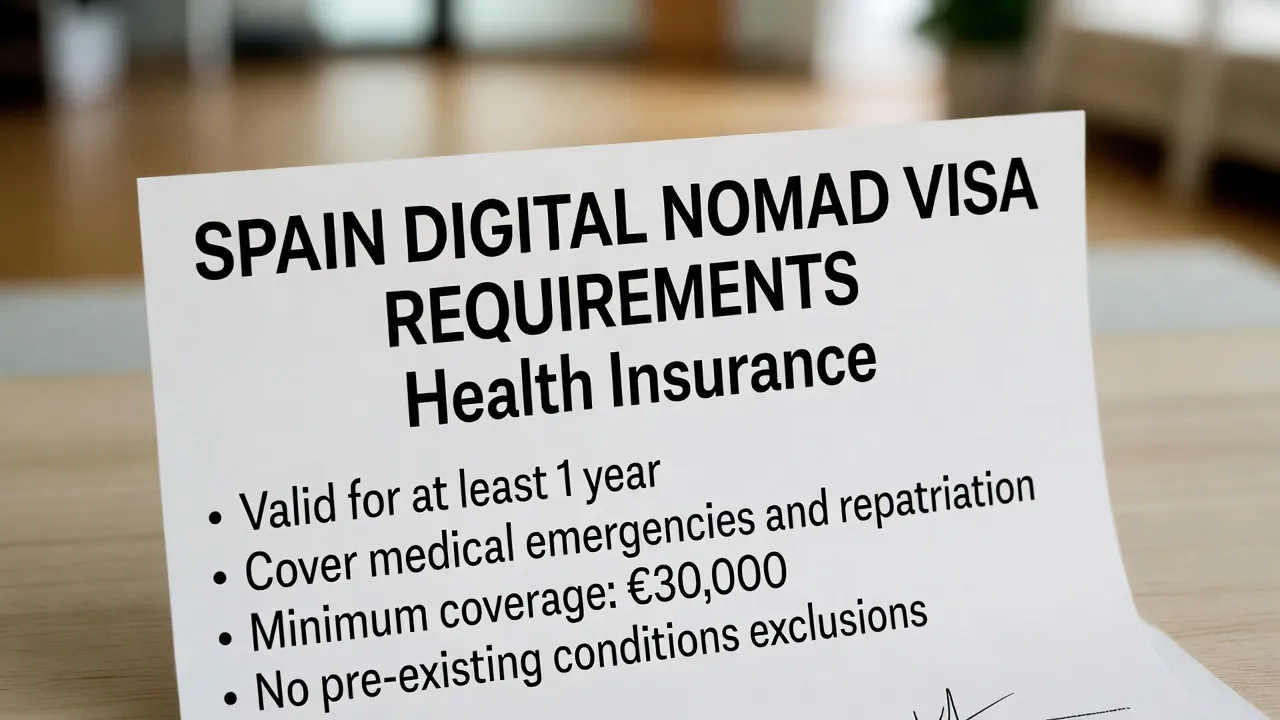
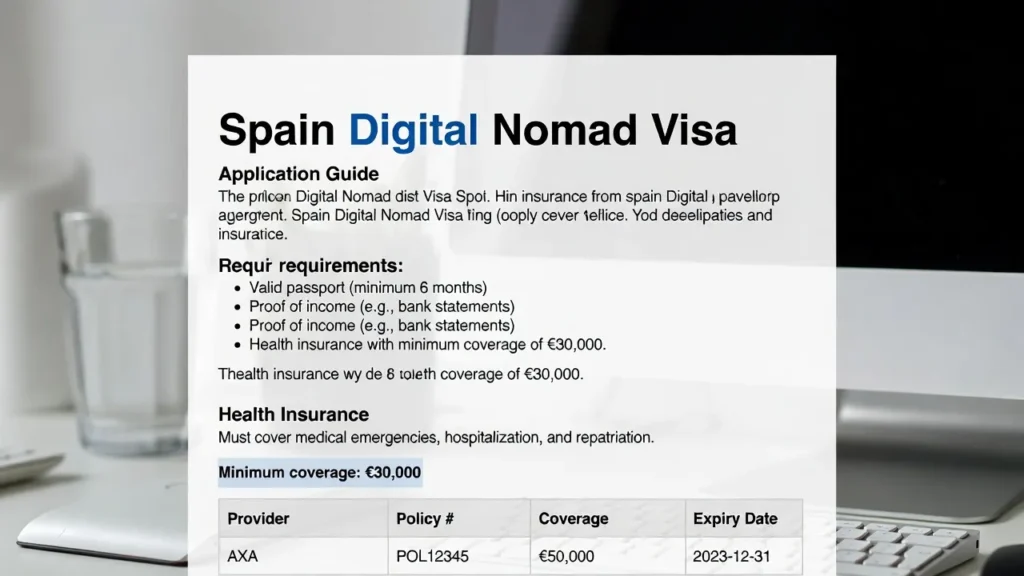
The Spain digital nomad visa has clear rules about what your health insurance must include. Your policy needs to cover:
Geographic Coverage Matters
Your insurance should ideally cover you across the European Union, not just Spain. This is important because as a digital nomad, you might travel to other EU countries. Having EU-wide coverage means:
- Seamless access to healthcare in any member country
- Simpler claims when you are traveling
- Peace of mind knowing you are protected no matter where you go
Types of Health Insurance That Meet Visa Requirements
Not all health insurance plans work for the digital nomad visa. Here are the types that Spanish authorities accept:
Private Expat Health Insurance
This is the most common choice for digital nomads. These plans are designed specifically for people living abroad. They offer:
- Comprehensive medical coverage
- No waiting periods
- English-speaking customer service
- Direct billing with hospitals
International Travel Medical Insurance
Some travel insurance plans can work if they meet Spain’s requirements. Look for policies that offer:
What Does NOT Work
Regular tourist travel insurance usually will not be accepted. Short-term plans with limited coverage also fail to meet requirements. Make sure your plan specifically states it meets Spanish visa requirements.
Top Health Insurance Providers for Spain Digital Nomads
Several insurance companies offer plans designed for digital nomads in Spain. Here are some popular options:
Things to Compare When Choosing a Provider
- Coverage limits – Higher is better for serious medical issues
- Network of doctors – Make sure there are English-speaking providers near you
- Direct billing – This means the insurance pays the hospital directly
- Claims process – Some companies make this easier than others
- Customer reviews – Look for feedback from other digital nomads
How Much Does Digital Nomad Health Insurance Cost?
The cost of health insurance varies based on several factors. For most digital nomads under 65, expect to pay between €60 and €100 per month for a visa-compliant plan.
Factors That Affect Your Premium
- Your age – Older applicants pay more
- Coverage amount – Higher limits cost more
- Deductible – Lower deductibles mean higher premiums
- Add-ons – Dental, vision, and maternity coverage add to the cost
Short-Term vs. Long-Term Plans
Short-term plans (up to one year) start at around $39 per month. These work well if you are testing out life in Spain.
Long-term plans start at around $1,500 per year. They offer broader coverage and are better if you plan to stay in Spain for several years.
Step-by-Step Guide to Getting Your Health Insurance
Follow these steps to get your health insurance sorted before applying for your visa:
- Research providers – Compare at least three different companies
- Check visa compliance – Confirm the plan meets Spanish requirements
- Get a quote – Most providers offer online quotes in minutes
- Review the policy – Read the fine print carefully
- Purchase the plan – Sign up online and pay your first premium
- Get your certificate – Download proof of coverage for your visa application
- Keep it valid – Maintain your coverage throughout your stay
Important Documents You Will Need
Your visa application requires a certificate showing you have health insurance. This document should include:
- Your name and policy number
- Start and end dates of coverage
- Types of coverage included
- Confirmation it is valid in Spain
Common Mistakes to Avoid
Many digital nomads make errors when getting their health insurance. Here are the biggest ones to watch out for:
- Buying insurance too late – Get it before you apply for your visa
- Choosing insufficient coverage – Make sure it covers all required areas
- Forgetting about co-payments – Spanish authorities prefer plans with no copays
- Not checking for EU coverage – This limits your travel options
- Letting coverage lapse – Always renew on time
Can You Use Spanish Public Healthcare Later?
Once you have been in Spain for a while, your options may change. If you start paying into Spanish social security, you might become eligible for public healthcare.
However, most digital nomads working for foreign companies will continue to need private insurance. This is because they typically do not make Spanish social security contributions.
Some digital nomads choose to keep private insurance even after qualifying for public healthcare. The benefits include:
- Shorter waiting times for appointments
- Access to more specialists
- Ability to see English-speaking doctors
- Coverage when traveling outside Spain
Frequently Asked Questions
Do I need private health insurance if I pay Spanish social security?
In limited cases, applicants who are registered and paying into Spanish social security may rely on public healthcare instead. But most digital nomad visa applicants will need private insurance.
Can I buy health insurance after arriving in Spain?
No. You must have health insurance before applying for your visa. Spanish visa authorities require proof of valid health insurance as part of the application.
What happens if my health insurance expires while in Spain?
You must maintain valid health insurance throughout your stay. Letting it expire could affect your residency status and ability to renew your visa.
Is travel insurance the same as health insurance for visa purposes?
Not usually. Basic travel insurance typically does not meet Spain’s visa requirements. You need comprehensive medical coverage that includes emergencies, repatriation, and outpatient care.
How long must my health insurance be valid?
Your insurance should cover at least the duration of your visa. For a one-year visa, you need one year of coverage. You can often renew or extend your policy as needed.
Can my family members use my health insurance?
Family members need their own coverage. If you are bringing dependents, make sure each person has a valid health insurance policy that meets visa requirements.
Related Articles
- Digital Nomad Visas 2026: How to Pick Your Country
- Canada Visa from Nigeria: 2026 Requirements & Fees
- Canada Visa from Ghana: 2026 Requirements & Fees
Official sources to check before you apply or travel
- European Commission – EU visa policy (Schengen)
- GOV.UK foreign travel advice (entry requirements by country)
- Government of Canada travel advice and advisories
Visa rules, fees, processing times and entry requirements change often. Always confirm the current requirements on the official government website, or with the embassy or consulate, before you apply, pay or travel. One Visa Center is an independent information site, not a law firm or government agency, and this article is not legal advice. Read how we research, fact-check and use AI tools in our Editorial Policy.
Get visa, passport, and travel-planning guides like this one sent straight to your inbox — plus first access to new country guides and scholarship roundups.