Navigating Chase Travel Insurance: Your Essential Guide to Cardholder Benefits
Planning a trip can be exciting, but unexpected events can quickly turn a dream vacation into a nightmare. This is where travel insurance steps in, offering a crucial safety net. If you’re a Chase credit cardholder, you might already have valuable travel protection without even realizing it. Understanding these benefits is key to traveling with confidence and making the most of your card.
Many Chase cards offer a suite of travel insurance perks that can save you significant money and stress. From covering unexpected trip cancellations to providing rental car damage waivers, these benefits are designed to protect your travel investments. Knowing the specifics of your card’s coverage can help you decide if you need additional insurance or if your Chase card has you covered.
This comprehensive guide will break down the various types of travel insurance offered through popular Chase credit cards. We’ll explore what’s covered, what’s not, and how to effectively use these benefits when you need them most. Our goal is to empower you with the knowledge to travel smarter and more securely.
By the end of this article, you’ll have a clear understanding of “the Chase travel insurance” landscape. You’ll be equipped to review your own card’s guide to benefits and confidently assess your protection for future journeys. Let’s dive into the details and unlock the peace of mind that comes with being a prepared traveler.
Key Takeaways
- Automatic Protection: Many Chase credit cards offer built-in travel insurance benefits when you pay for your trip with the card.
- Diverse Coverage: Benefits often include trip cancellation/interruption, trip delay, baggage delay, lost luggage, and rental car collision damage waiver.
- Primary vs. Secondary: Rental car insurance can be primary (covers first) or secondary (covers after other insurance), depending on your specific card.
- Limitations Apply: All policies have exclusions, claim deadlines, and maximum benefit amounts. Always read your card’s Guide to Benefits.
- Claim Process: Filing a claim requires detailed documentation and timely action. Start the process as soon as an incident occurs.
Understanding Chase Travel Insurance: What’s Included?
Chase credit cards offer a range of travel protection benefits that vary by card type. These benefits are not a one-size-fits-all solution, so it’s vital to consult your specific card’s Guide to Benefits for precise details. However, several common protections appear across many popular Chase cards.
Trip Cancellation and Interruption Protection
This is one of the most valuable benefits. If your trip is canceled or cut short due to covered reasons like severe weather, illness, or other unforeseen circumstances, this protection can reimburse you for non-refundable travel expenses. This includes things like prepaid flights, hotels, and tours.

Covered reasons typically include accidental bodily injury, sickness, or death affecting you or an immediate family member. It also often covers severe weather, a change in military orders, or a call to jury duty. Be aware that pre-existing conditions often have limitations, and certain events like political unrest may not be covered.
Trip Delay Reimbursement
Imagine your flight is delayed for several hours due to mechanical issues or bad weather. This benefit can come to your rescue. If your common carrier travel is delayed for a specified period (e.g., 6 hours or overnight) and you paid for the trip with your eligible Chase card, you can be reimbursed for reasonable expenses. These expenses might include meals, lodging, or necessary personal items incurred during the delay.
Each card has a specific threshold for the delay duration and a maximum reimbursement amount per passenger. Always keep receipts for all expenses you wish to claim.
Baggage Delay Insurance
There’s nothing worse than arriving at your destination only to find your luggage hasn’t. Baggage delay insurance provides reimbursement for essential purchases like toiletries and clothing if your checked baggage is delayed for a specific amount of time (e.g., 6 hours) by the common carrier. This benefit typically has a daily maximum and an overall maximum per trip.
Lost Luggage Reimbursement
If your checked or carry-on baggage is lost or stolen by the common carrier, you could be reimbursed for the actual cash value of the contents. This coverage usually has a per-passenger maximum limit, which can be substantial. Keep in mind that certain high-value items, like jewelry or electronics, may have sub-limits or be excluded entirely.
Rental Car Coverage: Collision Damage Waiver (CDW)
Many Chase cards offer a Collision Damage Waiver (CDW) benefit, which can save you from purchasing expensive insurance from the rental car company. This benefit typically covers damage due to collision or theft of most rental vehicles when you decline the rental company’s CDW and pay for the entire rental with your eligible Chase card.
Primary vs. Secondary Coverage
Understanding whether your card offers primary or secondary coverage is crucial. Primary coverage means the Chase insurance pays first, before any other applicable insurance (like your personal auto policy). This can be a significant advantage as it helps keep your personal insurance premiums from potentially rising.
Secondary coverage means the Chase insurance pays only after your personal auto insurance has paid out its portion. Most Chase cards offer secondary coverage, but premium cards like the Chase Sapphire Preferred and Chase Sapphire Reserve offer primary coverage for rental cars, a highly sought-after perk for frequent travelers.
How to Activate Your Rental Car Benefits
To ensure your Chase CDW is active, you must do two things: decline the rental company’s collision damage waiver (or similar coverage) and pay for the entire rental with your eligible Chase credit card. It’s also wise to inspect the vehicle for existing damage before driving off the lot and report any new damage immediately upon return.
Emergency Medical & Evacuation (Limited with Chase)
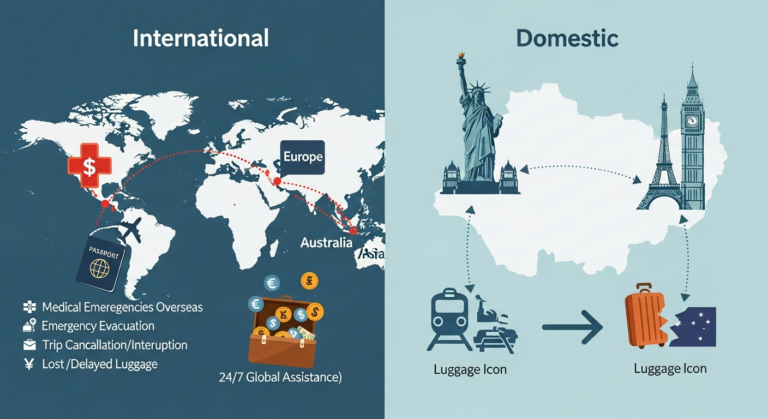
While Chase cards excel in many areas of travel protection, emergency medical and evacuation coverage is generally more limited or not included in basic card benefits. Some premium cards, such as the Chase Sapphire Reserve, do offer emergency medical and dental coverage, as well as emergency evacuation and transportation, which can be incredibly valuable in a serious medical crisis abroad.
“While Chase credit card benefits offer robust protection for common travel mishaps, it’s crucial to understand their scope. For comprehensive emergency medical and evacuation coverage, especially for international travel, a dedicated travel insurance policy often provides broader and higher limits than most credit cards.” – *Travel Insurance Expert Insight*
If your card does not offer this, or if the limits are insufficient for your travel plans (especially for adventurous trips or travel to areas with high medical costs), purchasing a separate travel insurance policy specifically for medical emergencies is highly recommended.
Important Exclusions and Limitations to Know
No insurance policy covers everything, and Chase travel benefits are no exception. Being aware of common exclusions and limitations will prevent surprises:
- Pre-existing Conditions: Many policies have restrictions or exclusions related to medical conditions that existed before your trip booking or departure.
- Specific Events: Certain events like acts of war, civil unrest, or travel to areas under government travel advisories may not be covered.
- Adventure Sports: High-risk activities such as skydiving, scuba diving, or mountaineering are often excluded from standard travel insurance benefits.
- Claim Deadlines: There are strict time limits for filing claims and submitting required documentation. Missing these deadlines can lead to a denial.
- Maximum Benefit Limits: Each type of coverage has a maximum dollar amount it will pay out. Ensure these limits are adequate for your trip’s value.
- Non-Refundable Expenses: Reimbursement is generally only for non-refundable expenses. If you can get a refund from another source, the insurance won’t pay.
Always refer to your card’s Guide to Benefits for a complete list of exclusions that apply to your specific card and coverage.
How to File a Claim with Chase Travel Insurance
Filing a claim might seem daunting, but following the correct steps can make the process smoother. Here’s a general outline:
- Notify Benefits Administrator: As soon as an incident occurs, or as soon as reasonably possible, contact the Chase Benefits Administrator. The phone number is usually found on your Guide to Benefits or on the back of your credit card.
- Obtain Documentation: Gather all necessary paperwork. For trip delays, this means airline statements, receipts for expenses, and boarding passes. For lost luggage, get a property irregularity report from the airline. For medical issues, collect medical reports and bills.
- Complete Claim Form: The administrator will provide a claim form. Fill it out accurately and completely.
- Submit Supporting Documents: Send in all requested documents, including receipts, police reports (if applicable), medical records, and travel itineraries, within the specified timeframe.
- Follow Up: Keep records of all communication and follow up regularly on the status of your claim.
Comparison of Popular Chase Cards and Their Travel Benefits
To illustrate the differences, here’s a simplified comparison of travel benefits for some popular Chase cards. Always check your specific card’s Guide to Benefits for the most current and complete information.
| Benefit Type | Chase Sapphire Preferred® Card | Chase Sapphire Reserve® | Chase Freedom Flex℠ | Chase Freedom Unlimited® |
| **Trip Cancellation/Interruption** | Up to $10,000 per person, $20,000 per trip | Up to $10,000 per person, $40,000 per trip | No | No |
| **Trip Delay Reimbursement** | Up to $500 per ticket (6+ hrs or overnight) | Up to $500 per ticket (6+ hrs or overnight) | No | No |
| **Baggage Delay Insurance** | Up to $100 per day for 5 days (6+ hrs) | Up to $100 per day for 5 days (6+ hrs) | Up to $100 per day for 5 days (6+ hrs) | Up to $100 per day for 5 days (6+ hrs) |
| **Lost Luggage Reimbursement** | Up to $3,000 per passenger | Up to $3,000 per passenger | Up to $3,000 per passenger | Up to $3,000 per passenger |
| **Auto Rental CDW** | Primary | Primary | Secondary | Secondary |
| **Emergency Medical/Dental** | No | Up to $2,500 | No | No |
| **Emergency Evacuation** | No | Up to $100,000 | No | No |
Maximizing Your Chase Travel Protection
To ensure you’re fully leveraging your Chase travel insurance benefits, keep these tips in mind:
Always Pay with Your Covered Chase Card
This is the golden rule. For most benefits to apply, you must pay for the entire travel expense (e.g., flight, hotel, car rental) with the eligible Chase card that offers the protection. Using a different card or splitting payments can void your coverage.
Review Your Card’s Guide to Benefits
Your Guide to Benefits is the authoritative document for your specific card’s coverage. Terms and conditions can change, and benefits vary significantly between cards. Always read the most recent version before you travel to understand what’s covered, limits, and exclusions.
Consider Supplemental Insurance
While Chase offers excellent core benefits, it’s not always comprehensive. For complex trips, travel to remote areas, or if you have specific medical concerns, consider purchasing a standalone travel insurance policy. This can fill gaps, particularly for higher medical coverage, ‘cancel for any reason’ options, or pre-existing condition waivers not offered by your card.
Real-World Scenarios: When Chase Insurance Shines
Let’s consider a few situations where your Chase travel insurance could be a lifesaver:
- The Unexpected Illness: You’ve booked a non-refundable cruise with your Chase Sapphire Preferred. A week before departure, you or a close family member falls seriously ill. Your Trip Cancellation protection could reimburse you for the prepaid cruise fare.
- The Long Layover: Your connecting flight, paid for with your Chase Sapphire Reserve, is delayed by seven hours due to a mechanical issue. You need to buy dinner and a hotel for the night. Your Trip Delay Reimbursement can cover these unexpected costs.
- Rental Car Ding: While on vacation, you accidentally back your rental car into a pole. Since you declined the rental company’s CDW and paid with your Chase Sapphire Reserve, its primary Auto Rental CDW covers the damage, potentially saving you thousands and keeping your personal auto insurance out of it.
- Missing Luggage: Your checked bag doesn’t arrive on your flight to a business conference, paid with your Chase Freedom Flex. You immediately buy a new suit and toiletries. Baggage Delay Insurance can reimburse you for these essential purchases.
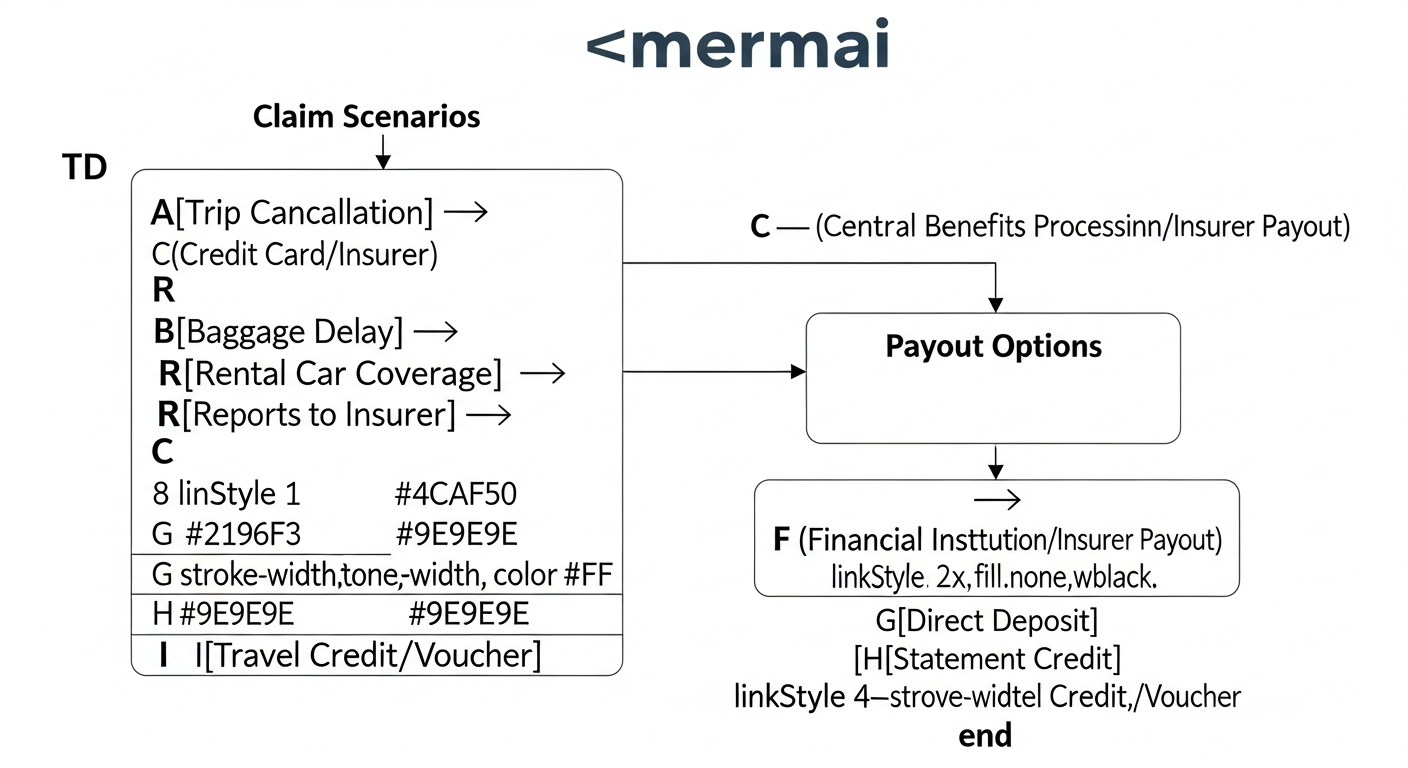
These examples highlight the practical value of understanding and utilizing your Chase credit card’s travel insurance benefits. They provide a layer of security that can make your travels much more enjoyable and less stressful.
Conclusion
Chase travel insurance benefits offer a powerful layer of protection for many cardholders, turning potential travel disasters into manageable inconveniences. From trip cancellations and delays to rental car damage, these perks can provide significant financial relief and peace of mind. However, it’s crucial to remember that coverage varies by card, and every benefit comes with specific terms, conditions, and exclusions.
By diligently reviewing your Chase card’s Guide to Benefits, understanding whether your coverage is primary or secondary, and knowing the proper steps to file a claim, you can effectively leverage these valuable assets. Don’t let unexpected events derail your travel plans. Be informed, be prepared, and travel confidently knowing your Chase card has your back.
FAQ Section
Q1: What is the main difference between primary and secondary rental car insurance with Chase?
A1: Primary rental car insurance, offered by cards like Chase Sapphire Preferred and Reserve, means Chase’s coverage pays for damages first, without involving your personal auto insurance. Secondary coverage, common with other Chase cards, means Chase pays only after your personal auto insurance has paid out its portion.
Q2: Do all Chase credit cards offer travel insurance benefits?
A2: No, not all Chase credit cards offer comprehensive travel insurance benefits. While many do, especially premium travel cards, the specific benefits and their limits vary greatly. Always refer to the Guide to Benefits for your particular card to understand its exact coverage.
Q3: What should I do immediately if I need to file a travel insurance claim with Chase?
A3: As soon as an incident occurs, you should contact the Chase Benefits Administrator using the phone number found on your Guide to Benefits or the back of your card. They will guide you through the necessary steps and required documentation for your claim.
Q4: Is emergency medical evacuation covered by Chase travel insurance?
A4: Emergency medical and evacuation coverage is typically limited to premium Chase cards, such as the Chase Sapphire Reserve. Most standard Chase cards do not include this benefit. If this coverage is important for your travel, check your specific card’s benefits or consider a separate travel insurance policy.
Q5: Can I get reimbursed for non-refundable expenses if I cancel my trip for any reason?
A5: Chase’s Trip Cancellation/Interruption insurance generally covers cancellations only for specific, covered reasons (e.g., severe illness, death, severe weather). It typically does not offer “cancel for any reason” coverage. If you need this broader flexibility, you would need to purchase a standalone travel insurance policy that includes this specific option.